

Fish, mackerel, baked or broiled
Common food

Photo: Wikipedia
Baked or broiled mackerel is a rich, oily fish with a robust, savory flavor and a moist, flaky texture. Its deep, almost meaty taste is complemented by a high concentration of healthy fats. A 100g serving is a powerhouse of protein and heart-healthy omega-3 fatty acids, with virtually no carbohydrates.
Calorie split: 44% protein · 0% carbs · 56% fat
↓ Full nutrition💚 Why it's loved
People love its bold, savory flavor that stands up to strong seasonings and grilling, making it a satisfying centerpiece for a meal. Its versatility allows it to be featured in everything from simple grilled fillets to complex curries and salads across global cuisines.
⚠️ Watch-outs & how to enjoy it better
Its strong, oily flavor can be overpowering for those who prefer milder fish, and it is a common fish allergen. To balance the richness, pair it with acidic elements like lemon juice or vinegar-based sauces, and serve with non-starchy vegetables or whole grains to create a balanced plate.
Key benefits
- Excellent source of complete protein for muscle maintenance
- Rich in omega-3 fatty acids (EPA & DHA) for brain and heart health
- High in vitamin B12, essential for nerve function and red blood cell formation
- Good source of selenium, a powerful antioxidant mineral
- Provides a significant amount of vitamin D
🍽️ Popular dishes
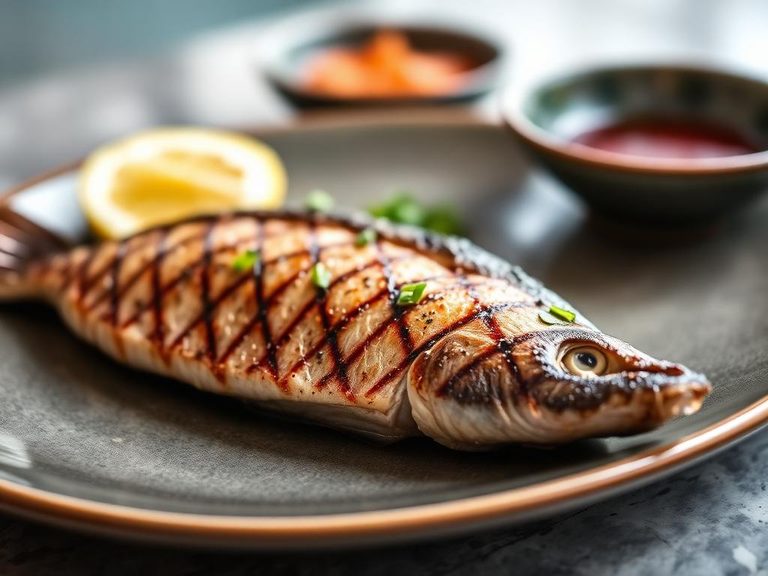
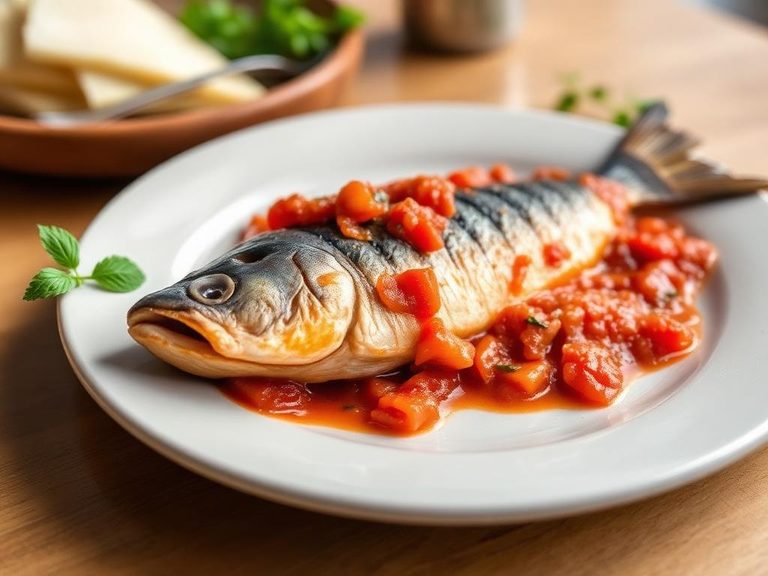
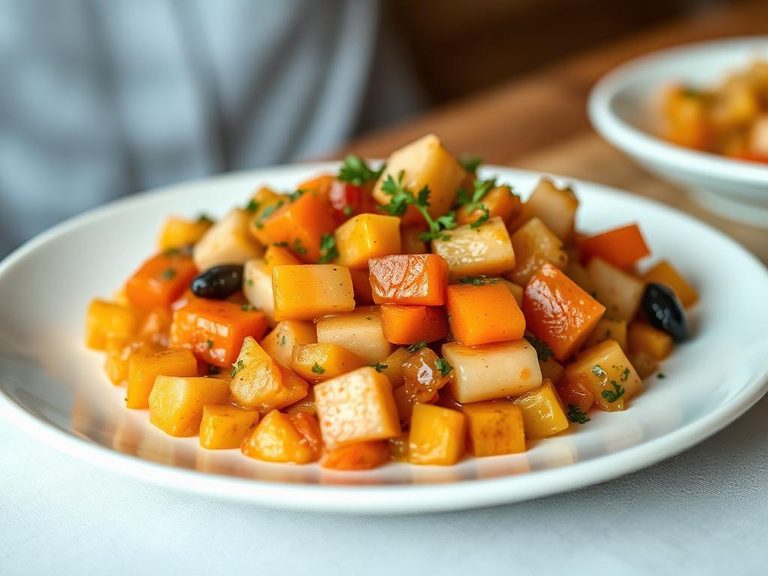
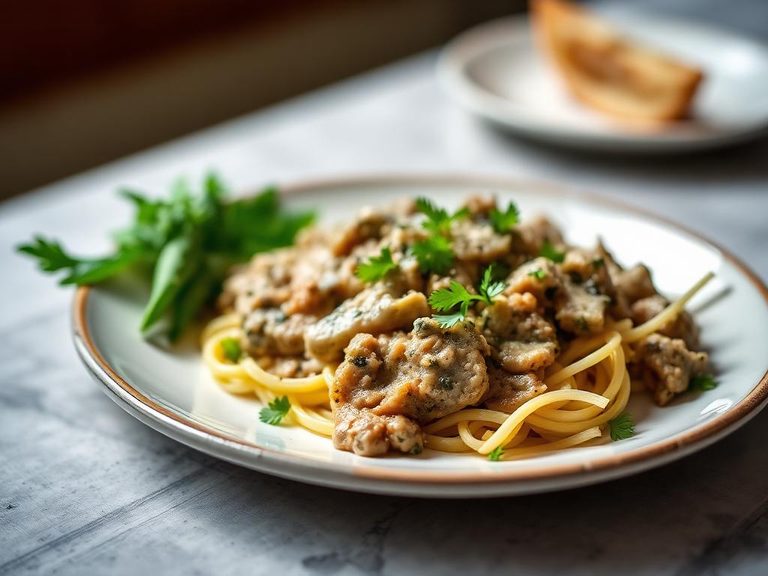
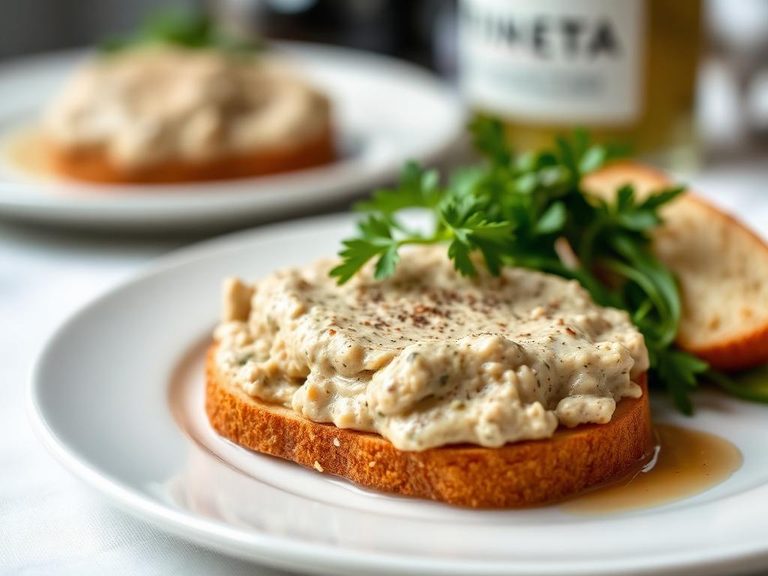
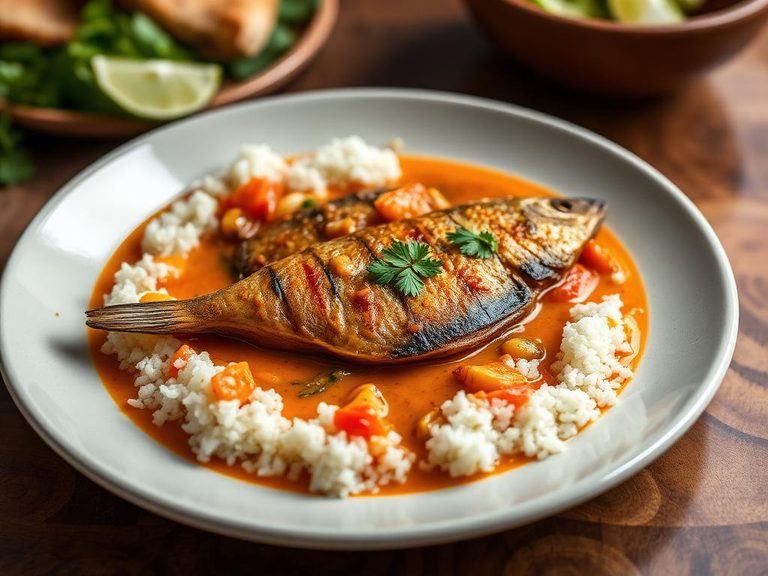
🌍 Where it's eaten
💡 Did you know?
Mackerel is one of the few fish that can be successfully eaten raw, as in Japanese 'saba sushi,' but it must be consumed very fresh or cured with salt and vinegar to ensure safety.
Full nutrition (USDA data · scales with serving)
| Water | 57.8 g |
| Energy | 237 kcal |
| Protein | 24.9 g |
| Total lipid (fat) | 14.3 g |
| Carbohydrate, by difference | 0.01 g |
| Fiber, total dietary | 0.00 g |
| Total Sugars | 0.01 g |
| Calcium, Ca | 29.0 mg |
| Iron, Fe | 1.4 mg |
| Magnesium, Mg | 35.0 mg |
| Phosphorus, P | 156 mg |
| Potassium, K | 505 mg |
| Sodium, Na | 322 mg |
| Zinc, Zn | 0.83 mg |
| Copper, Cu | 0.12 mg |
| Selenium, Se | 45.3 ug |
| Vitamin C, total ascorbic acid | 2.0 mg |
| Thiamin | 0.12 mg |
| Riboflavin | 0.50 mg |
| Niacin | 10.3 mg |
| Vitamin B-6 | 0.40 mg |
| Folate, total | 2.0 ug |
| Folic acid | 0.00 ug |
| Folate, food | 2.0 ug |
| Folate, DFE | 2.0 ug |
| Choline, total | 83.5 mg |
| Vitamin B-12 | 4.9 ug |
| Vitamin B-12, added | 0.00 ug |
| Vitamin A, RAE | 40.0 ug |
| Retinol | 40.0 ug |
| Carotene, beta | 9.0 ug |
| Carotene, alpha | 0.00 ug |
| Cryptoxanthin, beta | 0.00 ug |
| Lycopene | 0.00 ug |
| Lutein + zeaxanthin | 0.00 ug |
| Vitamin E (alpha-tocopherol) | 1.9 mg |
| Vitamin E, added | 0.00 mg |
| Vitamin D (D2 + D3) | 11.3 ug |
| Vitamin K (phylloquinone) | 3.9 ug |
| Alcohol, ethyl | 0.00 g |
| Caffeine | 0.00 mg |
| Theobromine | 0.00 mg |
Fat & fatty acid profile (per 100g)
| Fatty acids, total saturated | 4.0 g |
| SFA 4:0 | 0.03 g |
| SFA 6:0 | 0.02 g |
| SFA 8:0 | 0.01 g |
| SFA 10:0 | 0.03 g |
| SFA 12:0 | 0.05 g |
| SFA 14:0 | 0.54 g |
| SFA 16:0 | 2.4 g |
| SFA 18:0 | 0.79 g |
| Fatty acids, total monounsaturated | 4.9 g |
| MUFA 16:1 | 0.61 g |
| MUFA 18:1 | 3.2 g |
| MUFA 20:1 | 0.42 g |
| MUFA 22:1 | 0.60 g |
| Fatty acids, total polyunsaturated | 3.7 g |
| PUFA 18:2 | 1.3 g |
| PUFA 18:3 | 0.21 g |
| PUFA 18:4 | 0.15 g |
| PUFA 20:4 | 0.10 g |
| PUFA 20:5 n-3 (EPA) | 0.63 g |
| PUFA 22:5 n-3 (DPA) | 0.15 g |
| PUFA 22:6 n-3 (DHA) | 1.2 g |
| Cholesterol | 62.0 mg |
Amino acid profile (per 100g)
Estimated from Fish, fish sticks, frozen, prepared — USDA does not publish this profile for Fish.
| Tryptophan | 0.12 g |
| Threonine | 0.37 g |
| Isoleucine | 0.43 g |
| Leucine | 0.85 g |
| Lysine | 0.80 g |
| Methionine | 0.30 g |
| Phenylalanine | 0.47 g |
| Tyrosine | 0.29 g |
| Valine | 0.50 g |
| Arginine | 0.59 g |
| Histidine | 0.23 g |
| Alanine | 0.55 g |
| Aspartic acid | 0.82 g |
| Glutamic acid | 2.3 g |
| Glycine | 0.47 g |
| Proline | 0.78 g |
| Serine | 0.49 g |
| Hydroxyproline | 0.00 g |
FAQ
Is baked or broiled mackerel healthier than fried?
Yes, baking or broiling preserves the fish's healthy omega-3 fats without adding extra calories from breading or frying oil, making it a leaner preparation method.
How do I reduce the strong fishy taste?
Marinating the fillets for 30 minutes in lemon juice, vinegar, or a yogurt-based mixture before cooking can help mellow the flavor. Serving with a fresh herb salsa or tartar sauce also provides a bright contrast.
Can I eat the skin?
Yes, the skin is edible and becomes crispy when broiled, adding texture. It also contains nutrients, though it may hold more of the fish's natural oils.
Nutrient density (calculated · NRF9.3)
Nutrient Rich Foods index: beneficial nutrients (protein, fiber, vitamins, minerals) minus saturated fat, added sugar & sodium, per 100 kcal.
NRF9.3 index — Fulgoni, Keast & Drewnowski, 2009. Computed from USDA nutrients.
Weight-loss friendliness (composite index)
Energy density 2.37 kcal/g · 42% calories from protein · 0.0 g fiber · 0.0 g sugar per 100 g.
Composite of energy density (Rolls et al., 1999), protein & fiber satiety, minus sugar. A calculated heuristic — ranks satiety-per-calorie, not a clinical measure.
Dietary load (calculated from USDA values)
Potential renal acid load. Positive = acid-forming, negative = alkaline-forming.
Sodium-to-potassium ratio: 0.64 (lower is better — aim for ≤ 1)
Sodium:potassium per WHO potassium guidance. Computed from USDA nutrients.