

Fish, cod, baked or broiled
Common food

Photo: Wikipedia
Baked or broiled cod is a lean, flaky white fish with a mild, sweet flavor and a delicate, tender texture that easily absorbs seasonings. With nearly 19 grams of high-quality protein per 100 calories and virtually no carbohydrates, it's a powerhouse of pure, lean nutrition. Its clean taste makes it a blank canvas for a wide variety of global cuisines.
Calorie split: 63% protein · 0% carbs · 37% fat
↓ Full nutrition💚 Why it's loved
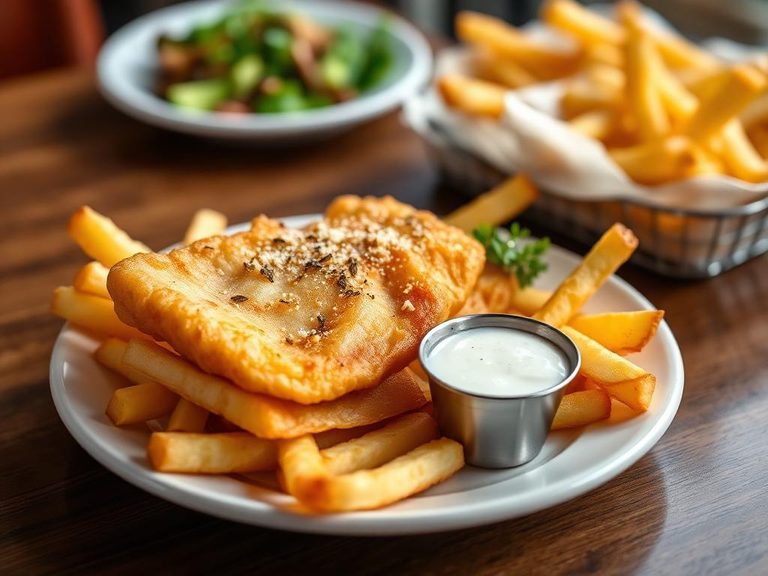
People love cod for its mild, non-fishy flavor and satisfyingly flaky texture, making it a crowd-pleaser even for seafood skeptics. Its incredible versatility allows it to shine in everything from crispy fish and chips to elegant, herb-crusted fillets.
⚠️ Watch-outs & how to enjoy it better
The main caution is for those with fish or shellfish allergies, as cod is a common allergen. Its mild flavor can sometimes be perceived as bland if overcooked; to counteract this, use bold marinades, a quick broil for a caramelized crust, or serve it with a flavorful sauce like tartar or lemon-butter.
Key benefits
- Excellent source of complete protein for muscle maintenance.
- Very low in calories and virtually carbohydrate-free.
- Naturally rich in vitamin B12 and selenium.
- Provides omega-3 fatty acids, though in moderate amounts.
- A lean protein choice supporting a heart-healthy diet.
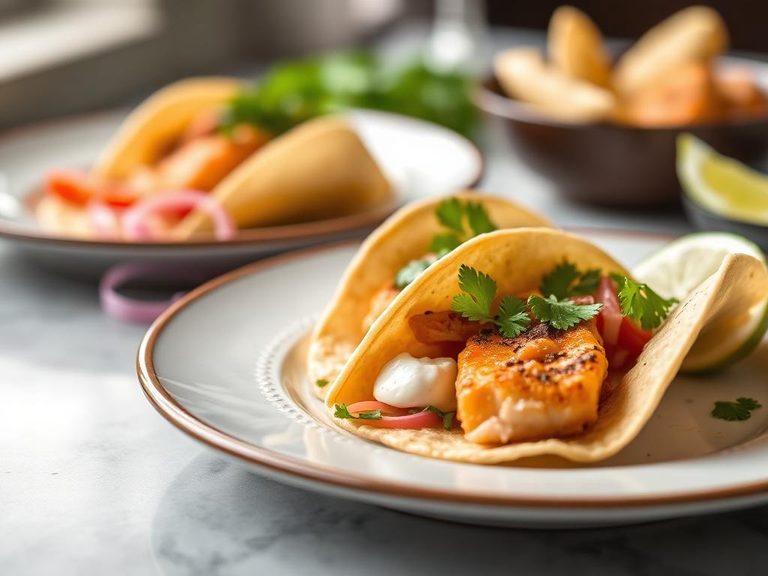
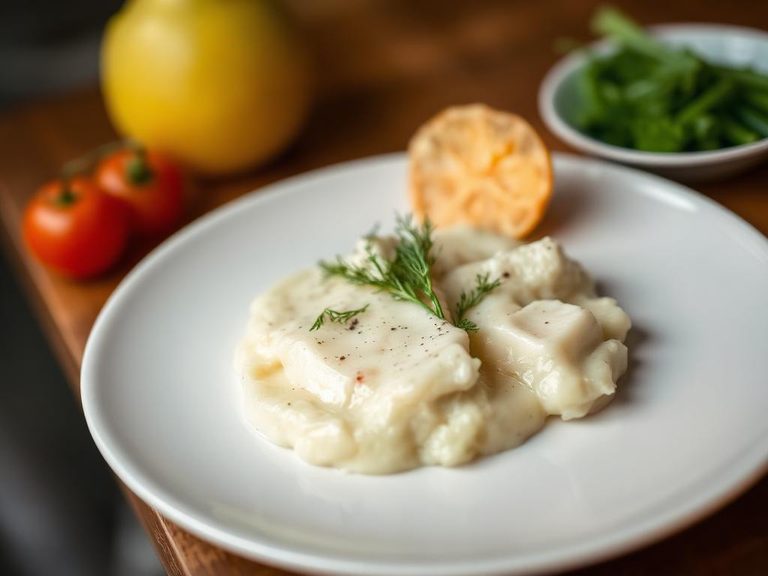
🍽️ Popular dishes


🌍 Where it's eaten
💡 Did you know?
The tradition of eating salted cod (bacalhau) dates back over 500 years, originally as a way for sailors and explorers to carry protein on long voyages without refrigeration.
Full nutrition (USDA data · scales with serving)
| Water | 75.0 g |
| Energy | 126 kcal |
| Protein | 19.0 g |
| Total lipid (fat) | 5.0 g |
| Carbohydrate, by difference | 0.01 g |
| Fiber, total dietary | 0.00 g |
| Total Sugars | 0.01 g |
| Calcium, Ca | 11.0 mg |
| Iron, Fe | 0.20 mg |
| Magnesium, Mg | 25.0 mg |
| Phosphorus, P | 349 mg |
| Potassium, K | 292 mg |
| Sodium, Na | 351 mg |
| Zinc, Zn | 0.39 mg |
| Copper, Cu | 0.02 mg |
| Selenium, Se | 28.4 ug |
| Vitamin C, total ascorbic acid | 0.00 mg |
| Thiamin | 0.04 mg |
| Riboflavin | 0.05 mg |
| Niacin | 1.4 mg |
| Vitamin B-6 | 0.16 mg |
| Folate, total | 8.0 ug |
| Folic acid | 0.00 ug |
| Folate, food | 8.0 ug |
| Folate, DFE | 8.0 ug |
| Choline, total | 81.1 mg |
| Vitamin B-12 | 2.2 ug |
| Vitamin B-12, added | 0.00 ug |
| Vitamin A, RAE | 22.0 ug |
| Retinol | 22.0 ug |
| Carotene, beta | 9.0 ug |
| Carotene, alpha | 0.00 ug |
| Cryptoxanthin, beta | 0.00 ug |
| Lycopene | 0.00 ug |
| Lutein + zeaxanthin | 0.00 ug |
| Vitamin E (alpha-tocopherol) | 1.4 mg |
| Vitamin E, added | 0.00 mg |
| Vitamin D (D2 + D3) | 0.70 ug |
| Vitamin K (phylloquinone) | 3.7 ug |
| Alcohol, ethyl | 0.00 g |
| Caffeine | 0.00 mg |
| Theobromine | 0.00 mg |
Fat & fatty acid profile (per 100g)
| Fatty acids, total saturated | 1.3 g |
| SFA 4:0 | 0.03 g |
| SFA 6:0 | 0.02 g |
| SFA 8:0 | 0.01 g |
| SFA 10:0 | 0.03 g |
| SFA 12:0 | 0.04 g |
| SFA 14:0 | 0.12 g |
| SFA 16:0 | 0.72 g |
| SFA 18:0 | 0.27 g |
| Fatty acids, total monounsaturated | 1.7 g |
| MUFA 16:1 | 0.03 g |
| MUFA 18:1 | 1.6 g |
| MUFA 20:1 | 0.03 g |
| MUFA 22:1 | 0.00 g |
| Fatty acids, total polyunsaturated | 1.5 g |
| PUFA 18:2 | 1.2 g |
| PUFA 18:3 | 0.15 g |
| PUFA 18:4 | 0.00 g |
| PUFA 20:4 | 0.01 g |
| PUFA 20:5 n-3 (EPA) | 0.04 g |
| PUFA 22:5 n-3 (DPA) | 0.01 g |
| PUFA 22:6 n-3 (DHA) | 0.12 g |
| Cholesterol | 62.0 mg |
Amino acid profile (per 100g)
Estimated from Fish, fish sticks, frozen, prepared — USDA does not publish this profile for Fish.
| Tryptophan | 0.12 g |
| Threonine | 0.37 g |
| Isoleucine | 0.43 g |
| Leucine | 0.85 g |
| Lysine | 0.80 g |
| Methionine | 0.30 g |
| Phenylalanine | 0.47 g |
| Tyrosine | 0.29 g |
| Valine | 0.50 g |
| Arginine | 0.59 g |
| Histidine | 0.23 g |
| Alanine | 0.55 g |
| Aspartic acid | 0.82 g |
| Glutamic acid | 2.3 g |
| Glycine | 0.47 g |
| Proline | 0.78 g |
| Serine | 0.49 g |
| Hydroxyproline | 0.00 g |
FAQ
How do I know when baked cod is done?
The fish is done when it reaches an internal temperature of 145°F (63°C), is opaque throughout, and flakes easily with a fork. The center should still be slightly translucent for maximum moisture.
Why is my baked cod rubbery?
Overcooking is the most common cause. Cod cooks very quickly; remove it from the heat as soon as it just begins to flake. Using a meat thermometer helps prevent this.
Is cod a sustainable choice?
It varies by source. Look for cod certified by the Marine Stewardship Council (MSC) or check the Monterey Bay Aquarium Seafood Watch guide for the most sustainable options, often recommending Pacific cod from Alaska.
Nutrient density (calculated · NRF9.3)
Nutrient Rich Foods index: beneficial nutrients (protein, fiber, vitamins, minerals) minus saturated fat, added sugar & sodium, per 100 kcal.
NRF9.3 index — Fulgoni, Keast & Drewnowski, 2009. Computed from USDA nutrients.
Weight-loss friendliness (composite index)
Energy density 1.26 kcal/g · 60% calories from protein · 0.0 g fiber · 0.0 g sugar per 100 g.
Composite of energy density (Rolls et al., 1999), protein & fiber satiety, minus sugar. A calculated heuristic — ranks satiety-per-calorie, not a clinical measure.
Dietary load (calculated from USDA values)
Potential renal acid load. Positive = acid-forming, negative = alkaline-forming.
Sodium-to-potassium ratio: 1.20 (lower is better — aim for ≤ 1)
Sodium:potassium per WHO potassium guidance. Computed from USDA nutrients.