

Fish, catfish, NFS
Common food

Photo: Wikipedia
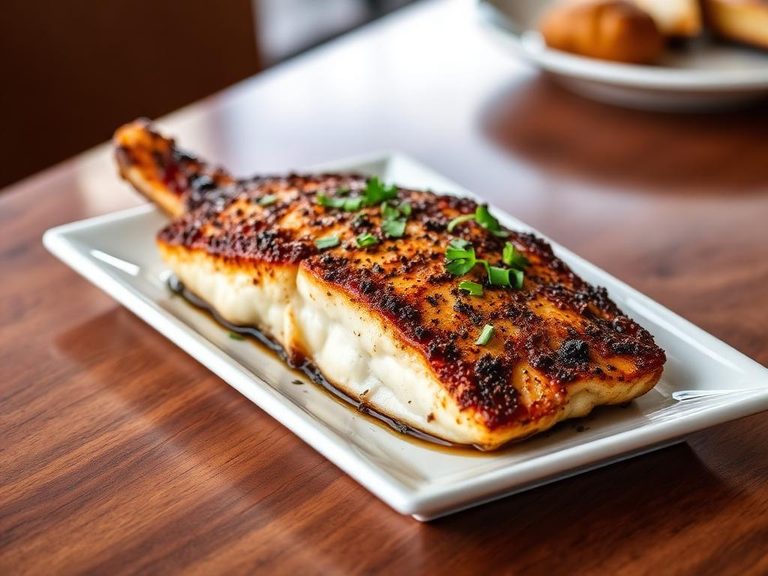
Catfish is a freshwater fish known for its mild, sweet flavor and firm, meaty texture that holds up well to various cooking methods. Nutritionally, it's a lean protein source with a notable fat content that contributes to its satisfying mouthfeel. This balance makes it a hearty yet wholesome centerpiece for many meals.
Calorie split: 22% protein · 19% carbs · 60% fat
↓ Full nutrition💚 Why it's loved
People love catfish for its adaptable, mild taste that readily absorbs seasonings and sauces, making it a canvas for bold flavors. Its firm texture is perfect for frying, grilling, or stewing, which has cemented its status as a beloved comfort food in many cultures.
⚠️ Watch-outs & how to enjoy it better
The primary concern is the potential for contaminants like mercury, especially in wild-caught fish from certain waters. To mitigate this, opt for farm-raised catfish from reputable sources, which are often tested and regulated, and vary your seafood choices. Those watching sodium intake should be mindful of heavily seasoned or fried preparations.
Key benefits
- Excellent source of lean protein for muscle maintenance.
- Contains healthy fats, including omega-3 fatty acids.
- Provides essential minerals like selenium and phosphorus.
- Low in carbohydrates, suitable for low-carb diets.
- A versatile protein for diverse culinary applications.
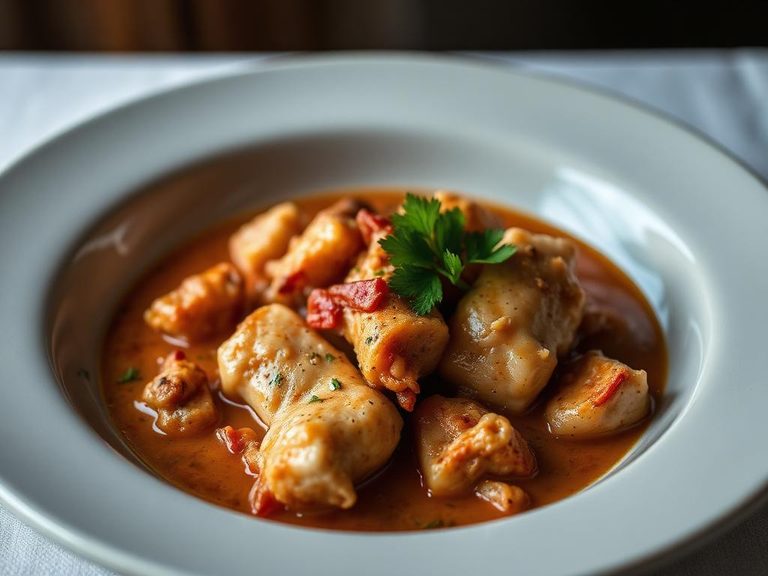
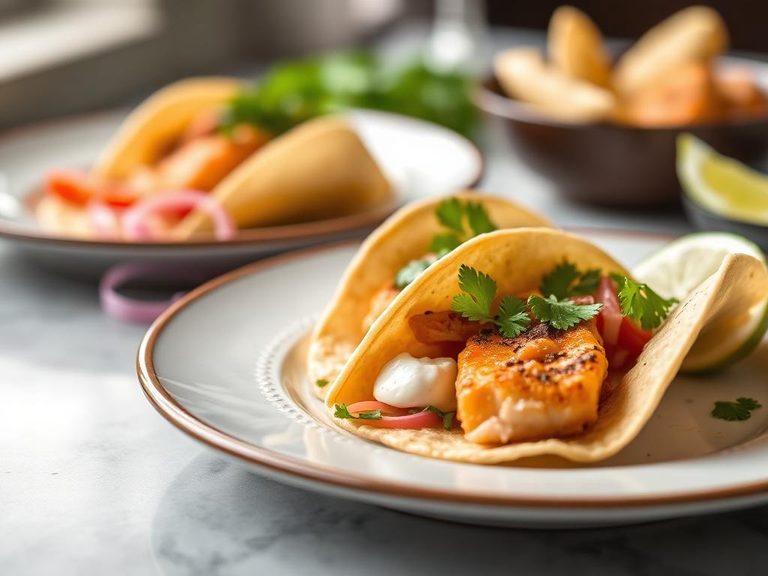
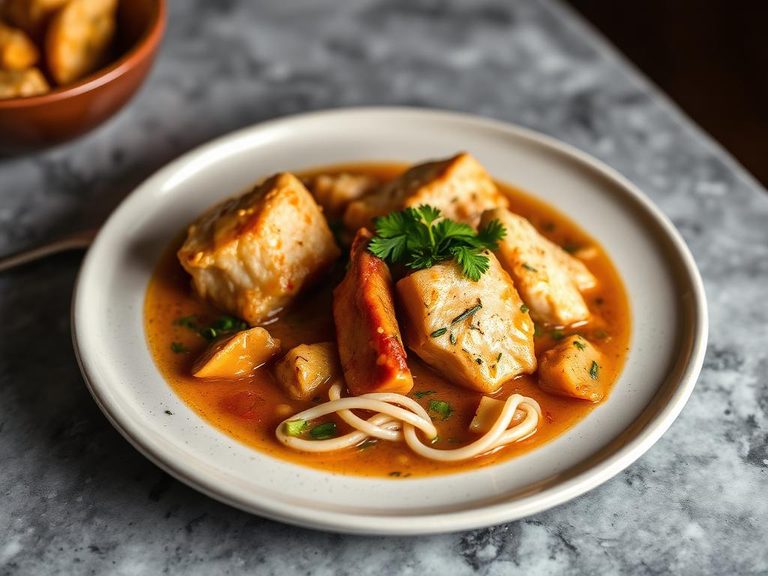
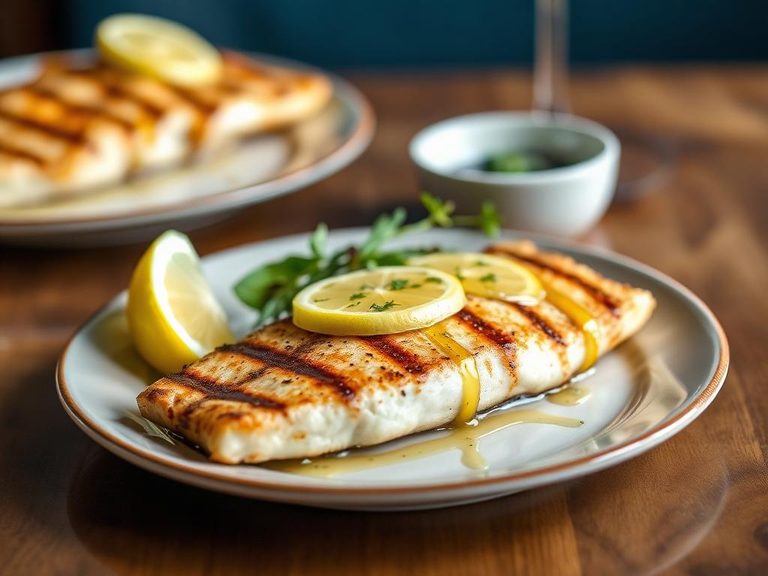
🍽️ Popular dishes

🌍 Where it's eaten
💡 Did you know?
Catfish have taste buds not just in their mouths but across their entire bodies, including their whisker-like barbels, allowing them to 'taste' their environment as they swim.
Full nutrition (USDA data · scales with serving)
| Water | 57.3 g |
| Energy | 255 kcal |
| Protein | 13.5 g |
| Total lipid (fat) | 16.7 g |
| Carbohydrate, by difference | 11.7 g |
| Fiber, total dietary | 0.50 g |
| Total Sugars | 0.20 g |
| Calcium, Ca | 21.0 mg |
| Iron, Fe | 1.1 mg |
| Magnesium, Mg | 19.0 mg |
| Phosphorus, P | 178 mg |
| Potassium, K | 254 mg |
| Sodium, Na | 418 mg |
| Zinc, Zn | 0.51 mg |
| Copper, Cu | 0.05 mg |
| Selenium, Se | 9.4 ug |
| Vitamin C, total ascorbic acid | 0.00 mg |
| Thiamin | 0.16 mg |
| Riboflavin | 0.13 mg |
| Niacin | 2.6 mg |
| Vitamin B-6 | 0.12 mg |
| Folate, total | 31.0 ug |
| Folic acid | 20.0 ug |
| Folate, food | 11.0 ug |
| Folate, DFE | 45.0 ug |
| Choline, total | 56.3 mg |
| Vitamin B-12 | 2.0 ug |
| Vitamin B-12, added | 0.00 ug |
| Vitamin A, RAE | 3.0 ug |
| Retinol | 3.0 ug |
| Carotene, beta | 0.00 ug |
| Carotene, alpha | 0.00 ug |
| Cryptoxanthin, beta | 0.00 ug |
| Lycopene | 0.00 ug |
| Lutein + zeaxanthin | 10.0 ug |
| Vitamin E (alpha-tocopherol) | 2.9 mg |
| Vitamin E, added | 0.00 mg |
| Vitamin D (D2 + D3) | 0.20 ug |
| Vitamin K (phylloquinone) | 13.6 ug |
| Alcohol, ethyl | 0.00 g |
| Caffeine | 0.00 mg |
| Theobromine | 0.00 mg |
Fat & fatty acid profile (per 100g)
| Fatty acids, total saturated | 2.7 g |
| SFA 4:0 | 0.00 g |
| SFA 6:0 | 0.00 g |
| SFA 8:0 | 0.00 g |
| SFA 10:0 | 0.00 g |
| SFA 12:0 | 0.00 g |
| SFA 14:0 | 0.05 g |
| SFA 16:0 | 1.9 g |
| SFA 18:0 | 0.58 g |
| Fatty acids, total monounsaturated | 7.0 g |
| MUFA 16:1 | 0.15 g |
| MUFA 18:1 | 6.7 g |
| MUFA 20:1 | 0.13 g |
| MUFA 22:1 | 0.00 g |
| Fatty acids, total polyunsaturated | 5.5 g |
| PUFA 18:2 | 4.7 g |
| PUFA 18:3 | 0.57 g |
| PUFA 18:4 | 0.00 g |
| PUFA 20:4 | 0.03 g |
| PUFA 20:5 n-3 (EPA) | 0.01 g |
| PUFA 22:5 n-3 (DPA) | 0.01 g |
| PUFA 22:6 n-3 (DHA) | 0.04 g |
| Cholesterol | 48.0 mg |
Amino acid profile (per 100g)
Estimated from Fish, fish sticks, frozen, prepared — USDA does not publish this profile for Fish.
| Tryptophan | 0.12 g |
| Threonine | 0.37 g |
| Isoleucine | 0.43 g |
| Leucine | 0.85 g |
| Lysine | 0.80 g |
| Methionine | 0.30 g |
| Phenylalanine | 0.47 g |
| Tyrosine | 0.29 g |
| Valine | 0.50 g |
| Arginine | 0.59 g |
| Histidine | 0.23 g |
| Alanine | 0.55 g |
| Aspartic acid | 0.82 g |
| Glutamic acid | 2.3 g |
| Glycine | 0.47 g |
| Proline | 0.78 g |
| Serine | 0.49 g |
| Hydroxyproline | 0.00 g |
FAQ
Is catfish a freshwater or saltwater fish?
Most commonly consumed catfish species, like the channel catfish and blue catfish, are freshwater fish found in rivers, lakes, and ponds.
What does catfish taste like?
It has a mild, slightly sweet flavor with a firm, meaty texture. The taste is less 'fishy' than many saltwater varieties, making it approachable for those who prefer milder seafood.
How should I store fresh catfish?
Place it in the coldest part of your refrigerator (usually the bottom shelf) and use it within 1-2 days. For longer storage, wrap it tightly and freeze for up to 6 months.
Nutrient density (calculated · NRF9.3)
Nutrient Rich Foods index: beneficial nutrients (protein, fiber, vitamins, minerals) minus saturated fat, added sugar & sodium, per 100 kcal.
NRF9.3 index — Fulgoni, Keast & Drewnowski, 2009. Computed from USDA nutrients.
Weight-loss friendliness (composite index)
Energy density 2.55 kcal/g · 21% calories from protein · 0.5 g fiber · 0.2 g sugar per 100 g.
Composite of energy density (Rolls et al., 1999), protein & fiber satiety, minus sugar. A calculated heuristic — ranks satiety-per-calorie, not a clinical measure.
Dietary load (calculated from USDA values)
Potential renal acid load. Positive = acid-forming, negative = alkaline-forming.
Sodium-to-potassium ratio: 1.65 (lower is better — aim for ≤ 1)
Sodium:potassium per WHO potassium guidance. Computed from USDA nutrients.