

Fish, catfish, channel, wild, raw
Whole food · Finfish and Shellfish Products

Photo: Wikipedia
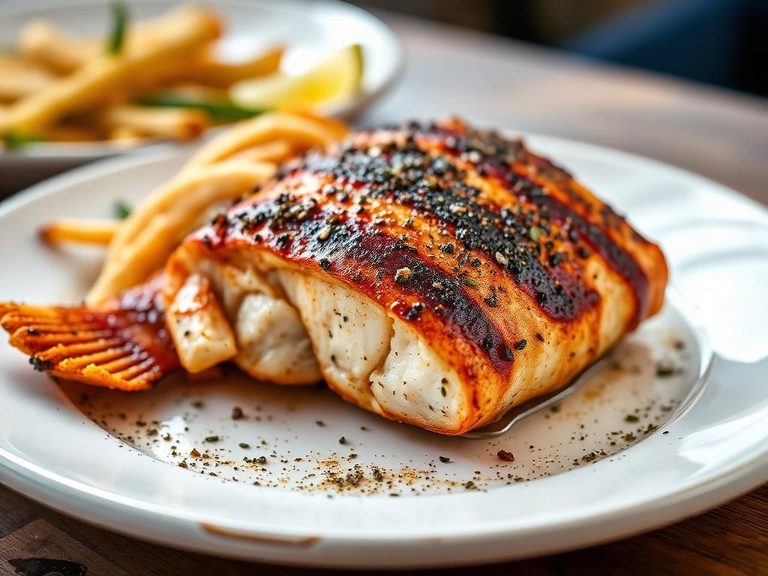
Channel catfish is a freshwater fish prized for its mild, sweet flavor and firm, moist texture that holds up beautifully to various cooking methods. As a lean protein source, it delivers a substantial 16.38 grams of protein per 100 grams with virtually no carbohydrates or sugar, making it a cornerstone of low-carb and high-protein diets. Its clean taste acts as a perfect canvas for bold seasonings, from Cajun blackening to simple lemon butter.
Calorie split: 72% protein · 0% carbs · 28% fat
↓ Full nutrition💚 Why it's loved
People love channel catfish for its approachable, non-fishy flavor and satisfyingly meaty texture that appeals even to those wary of seafood. It's a cultural staple in the American South, celebrated in communal fish fries and as the star of iconic dishes like blackened catfish, symbolizing comfort, hospitality, and regional pride.
⚠️ Watch-outs & how to enjoy it better
As a bottom-feeder, wild channel catfish can accumulate contaminants from waterways, so sourcing from reputable farms or clean waters is advisable. Some may find its texture too dense if overcooked. To counteract this, always cook to just opaque and flake, and pair with acidic elements like lemon or vinegar to brighten the flavor and aid digestion.
Key benefits
- Excellent source of lean, complete protein for muscle maintenance.
- Very low in calories at 95 kcal per 100g, aiding weight management.
- Contains zero carbohydrates and zero sugar, ideal for keto and diabetic diets.
- Provides essential nutrients like selenium and vitamin B12.
- Sustainable freshwater aquaculture reduces pressure on ocean stocks.
🍽️ Popular dishes
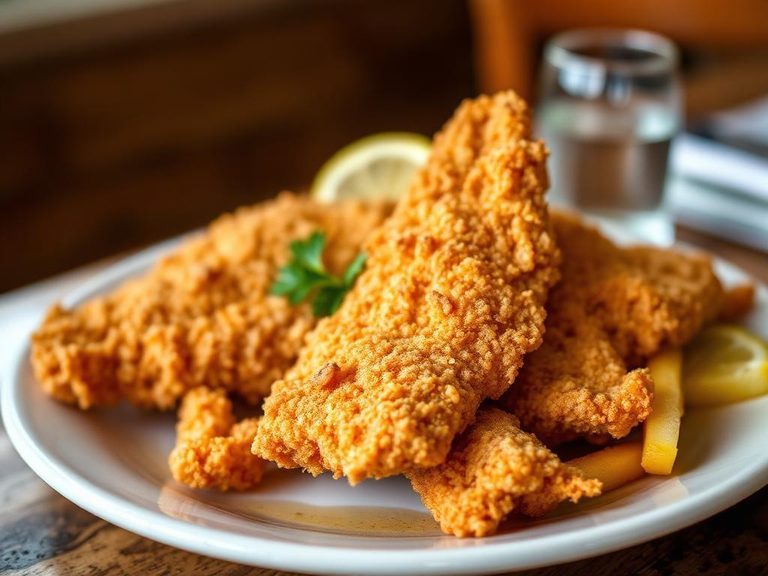
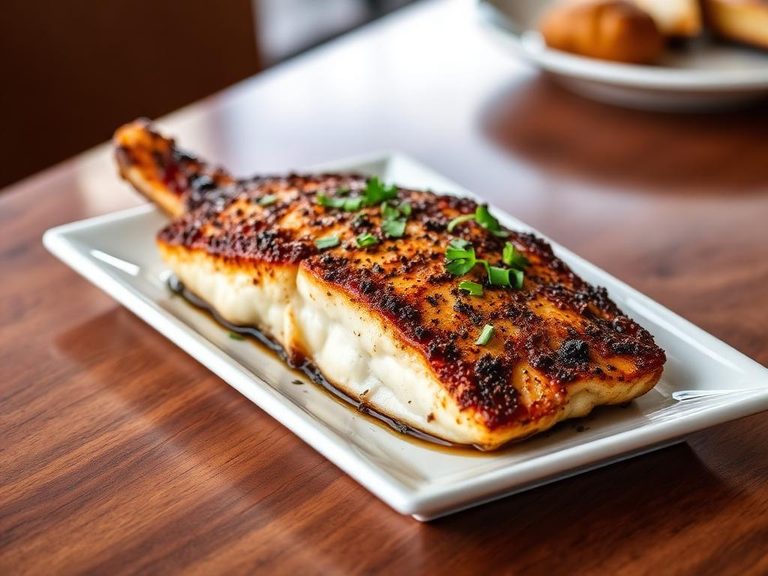
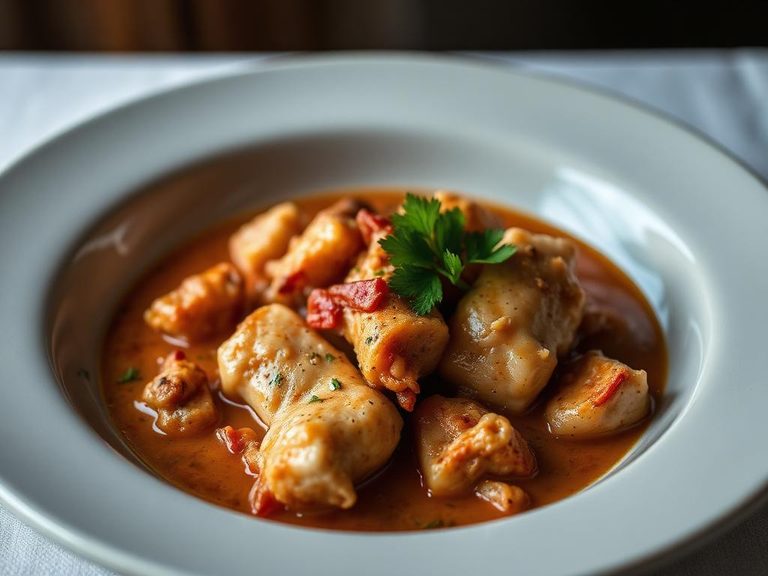

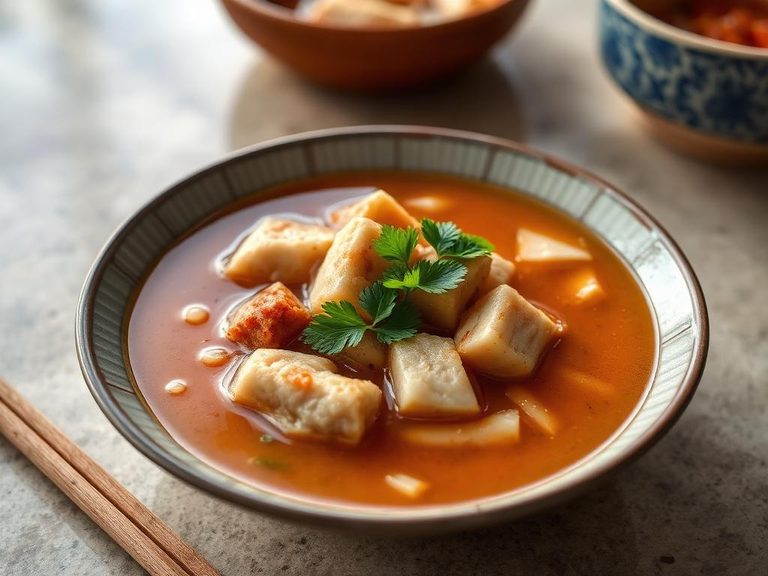
🌍 Where it's eaten
💡 Did you know?
Channel catfish are extremely sensitive to touch, with taste buds distributed across their entire body, not just their mouth, allowing them to 'taste' their environment as they swim.
Full nutrition (USDA data · scales with serving)
| Water | 80.4 g |
| Energy | 95.0 kcal |
| Energy | 397 kj |
| Protein | 16.4 g |
| Total lipid (fat) | 2.8 g |
| Ash | 0.96 g |
| Carbohydrate, by difference | 0.00 g |
| Fiber, total dietary | 0.00 g |
| Calcium, Ca | 14.0 mg |
| Iron, Fe | 0.30 mg |
| Magnesium, Mg | 23.0 mg |
| Phosphorus, P | 209 mg |
| Potassium, K | 358 mg |
| Sodium, Na | 43.0 mg |
| Zinc, Zn | 0.51 mg |
| Copper, Cu | 0.03 mg |
| Manganese, Mn | 0.03 mg |
| Selenium, Se | 12.6 ug |
| Vitamin C, total ascorbic acid | 0.70 mg |
| Thiamin | 0.21 mg |
| Riboflavin | 0.07 mg |
| Niacin | 1.9 mg |
| Pantothenic acid | 0.77 mg |
| Vitamin B-6 | 0.12 mg |
| Folate, total | 10.0 ug |
| Folic acid | 0.00 ug |
| Folate, food | 10.0 ug |
| Folate, DFE | 10.0 ug |
| Vitamin B-12 | 2.2 ug |
| Vitamin A, RAE | 15.0 ug |
| Retinol | 15.0 ug |
| Vitamin A, IU | 50.0 iu |
| Vitamin D (D2 + D3), International Units | 500 iu |
| Vitamin D (D2 + D3) | 12.5 ug |
| Alcohol, ethyl | 0.00 g |
Fat & fatty acid profile (per 100g)
| Fatty acids, total saturated | 0.72 g |
| SFA 4:0 | 0.00 g |
| SFA 6:0 | 0.00 g |
| SFA 8:0 | 0.00 g |
| SFA 10:0 | 0.00 g |
| SFA 12:0 | 0.00 g |
| SFA 14:0 | 0.06 g |
| SFA 16:0 | 0.44 g |
| SFA 18:0 | 0.15 g |
| Fatty acids, total monounsaturated | 0.84 g |
| MUFA 16:1 | 0.18 g |
| MUFA 18:1 | 0.59 g |
| MUFA 20:1 | 0.02 g |
| MUFA 22:1 | 0.01 g |
| Fatty acids, total polyunsaturated | 0.86 g |
| PUFA 18:2 | 0.10 g |
| PUFA 18:3 | 0.07 g |
| PUFA 18:4 | 0.01 g |
| PUFA 20:4 | 0.15 g |
| PUFA 20:5 n-3 (EPA) | 0.13 g |
| PUFA 22:5 n-3 (DPA) | 0.10 g |
| PUFA 22:6 n-3 (DHA) | 0.23 g |
| Cholesterol | 58.0 mg |
Amino acid profile (per 100g)
| Tryptophan | 0.18 g |
| Threonine | 0.72 g |
| Isoleucine | 0.76 g |
| Leucine | 1.3 g |
| Lysine | 1.5 g |
| Methionine | 0.48 g |
| Cystine | 0.18 g |
| Phenylalanine | 0.64 g |
| Tyrosine | 0.55 g |
| Valine | 0.84 g |
| Arginine | 0.98 g |
| Histidine | 0.48 g |
| Alanine | 0.99 g |
| Aspartic acid | 1.7 g |
| Glutamic acid | 2.4 g |
| Glycine | 0.79 g |
| Proline | 0.58 g |
| Serine | 0.67 g |
FAQ
Is catfish healthy to eat regularly?
Yes, it's a lean, low-calorie protein source. For wild-caught, check local advisories for water quality; farmed catfish from regulated sources is generally considered safe and sustainable.
How do I remove the 'muddy' taste some people mention?
Soak the fillets in milk or buttermilk for 30 minutes to an hour before cooking. The casein in milk binds to compounds causing the earthy flavor, resulting in a cleaner taste.
What's the best way to cook it without it falling apart?
Pan-searing, blackening, or grilling over medium-high heat creates a good crust that holds the fillet together. Avoid moving it too early; let it release naturally from the pan or grill grate.
Nutrient density (calculated · NRF9.3)
Nutrient Rich Foods index: beneficial nutrients (protein, fiber, vitamins, minerals) minus saturated fat, added sugar & sodium, per 100 kcal.
NRF9.3 index — Fulgoni, Keast & Drewnowski, 2009. Computed from USDA nutrients.
Weight-loss friendliness (composite index)
Energy density 0.95 kcal/g · 69% calories from protein · 0.0 g fiber · 0.0 g sugar per 100 g.
Composite of energy density (Rolls et al., 1999), protein & fiber satiety, minus sugar. A calculated heuristic — ranks satiety-per-calorie, not a clinical measure.
Dietary load (calculated from USDA values)
Potential renal acid load. Positive = acid-forming, negative = alkaline-forming.
Sodium-to-potassium ratio: 0.12 (lower is better — aim for ≤ 1)
Sodium:potassium per WHO potassium guidance. Computed from USDA nutrients.