

Fava beans, cooked
Common food

Photo: Wikipedia
Fava beans, also known as broad beans, are large, flat, and bright green legumes with a creamy, starchy texture and a slightly sweet, earthy flavor. When cooked, they offer a satisfying, hearty bite that is both comforting and nutritious. A 100g serving provides a balanced profile of protein, complex carbohydrates, and healthy fats, making them a substantial and filling food.
Calorie split: 17% protein · 45% carbs · 38% fat
↓ Full nutrition💚 Why it's loved
People love fava beans for their unique, slightly nutty and earthy flavor that pairs beautifully with herbs, spices, and other ingredients. Their versatility makes them a staple in many cuisines, from Mediterranean to Middle Eastern, where they are used in everything from soups to salads and dips.
⚠️ Watch-outs & how to enjoy it better
Fava beans contain natural sugars (1.69g per 100g) which can cause blood sugar spikes in sensitive individuals, so pairing them with protein or healthy fats can help mitigate this. They are also a common allergen, and some people may experience digestive discomfort due to their fiber content; soaking and thorough cooking can reduce these issues.
Key benefits
- Excellent source of plant-based protein (7.06g per 100g).
- High in dietary fiber (5g per 100g) for digestive health.
- Rich in complex carbohydrates for sustained energy.
- Contains healthy fats (6.88g per 100g).
- Good source of essential vitamins and minerals like folate and manganese.
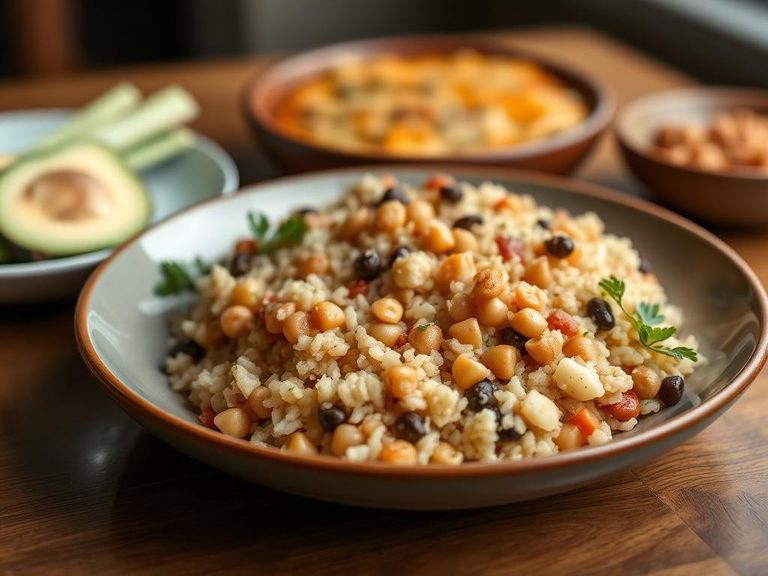
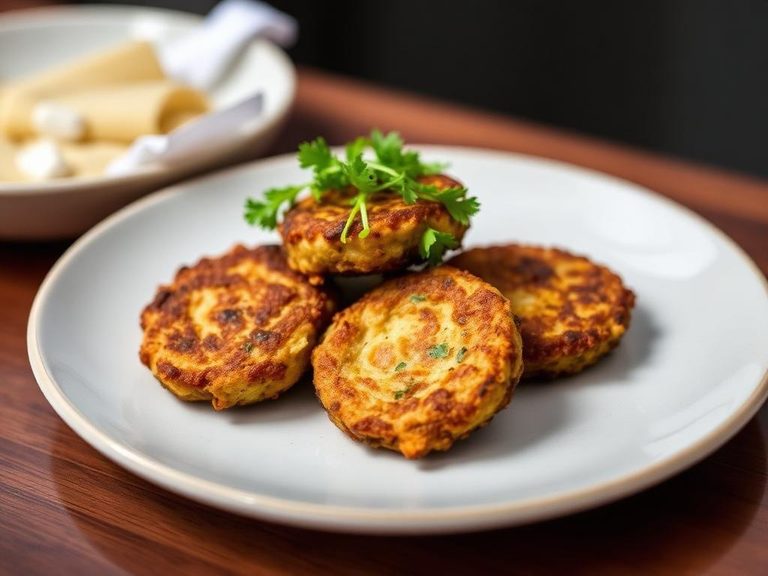
🍽️ Popular dishes
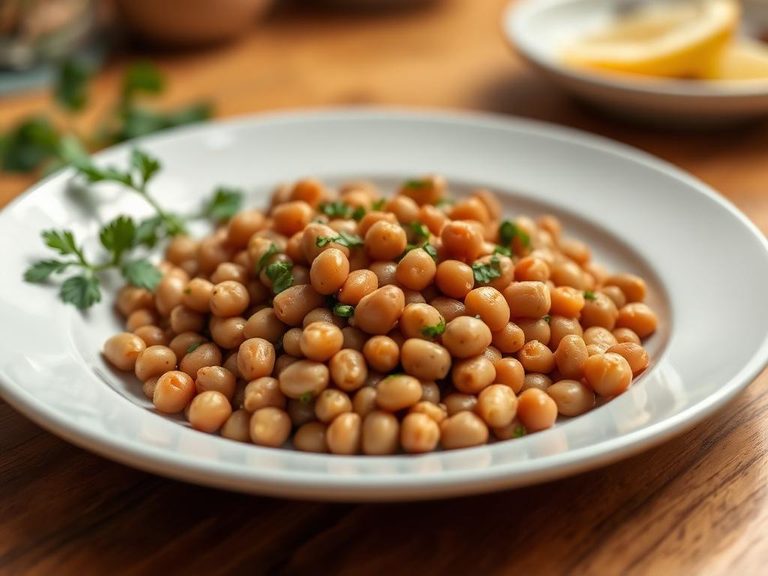
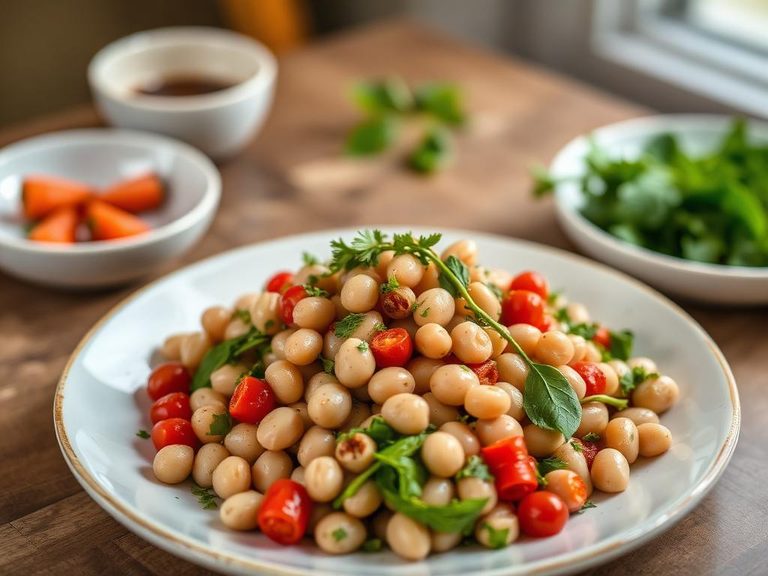
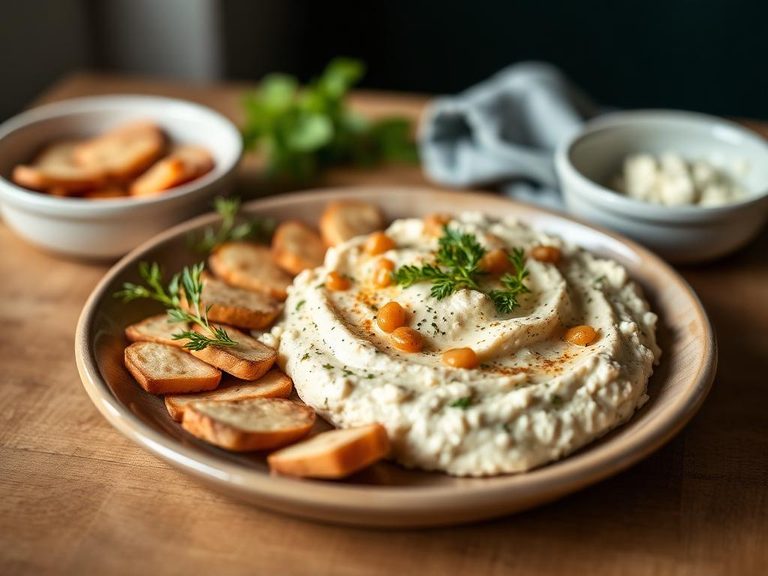
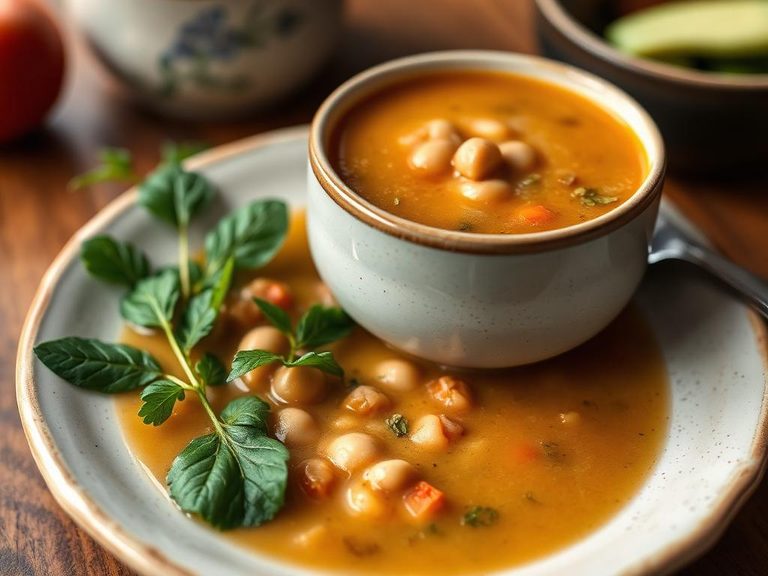
🌍 Where it's eaten
💡 Did you know?
Fava beans are one of the oldest cultivated plants, with evidence of their use dating back to around 6000 BCE in the Middle East, and they were a staple food for ancient civilizations like the Romans and Egyptians.
Full nutrition (USDA data · scales with serving)
| Water | 66.5 g |
| Energy | 161 kcal |
| Protein | 7.1 g |
| Total lipid (fat) | 6.9 g |
| Carbohydrate, by difference | 18.3 g |
| Fiber, total dietary | 5.0 g |
| Total Sugars | 1.7 g |
| Calcium, Ca | 34.0 mg |
| Iron, Fe | 1.4 mg |
| Magnesium, Mg | 40.0 mg |
| Phosphorus, P | 116 mg |
| Potassium, K | 249 mg |
| Sodium, Na | 220 mg |
| Zinc, Zn | 0.94 mg |
| Copper, Cu | 0.24 mg |
| Selenium, Se | 2.4 ug |
| Vitamin C, total ascorbic acid | 0.30 mg |
| Thiamin | 0.09 mg |
| Riboflavin | 0.08 mg |
| Niacin | 0.63 mg |
| Vitamin B-6 | 0.06 mg |
| Folate, total | 92.0 ug |
| Folic acid | 0.00 ug |
| Folate, food | 92.0 ug |
| Folate, DFE | 92.0 ug |
| Choline, total | 28.5 mg |
| Vitamin B-12 | 0.00 ug |
| Vitamin B-12, added | 0.00 ug |
| Vitamin A, RAE | 1.0 ug |
| Retinol | 0.00 ug |
| Carotene, beta | 8.0 ug |
| Carotene, alpha | 0.00 ug |
| Cryptoxanthin, beta | 0.00 ug |
| Lycopene | 0.00 ug |
| Lutein + zeaxanthin | 0.00 ug |
| Vitamin E (alpha-tocopherol) | 1.3 mg |
| Vitamin E, added | 0.00 mg |
| Vitamin D (D2 + D3) | 0.00 ug |
| Vitamin K (phylloquinone) | 9.2 ug |
| Alcohol, ethyl | 0.00 g |
| Caffeine | 0.00 mg |
| Theobromine | 0.00 mg |
Fat & fatty acid profile (per 100g)
| Fatty acids, total saturated | 0.93 g |
| SFA 4:0 | 0.00 g |
| SFA 6:0 | 0.00 g |
| SFA 8:0 | 0.00 g |
| SFA 10:0 | 0.00 g |
| SFA 12:0 | 0.00 g |
| SFA 14:0 | 0.00 g |
| SFA 16:0 | 0.67 g |
| SFA 18:0 | 0.20 g |
| Fatty acids, total monounsaturated | 2.8 g |
| MUFA 16:1 | 0.02 g |
| MUFA 18:1 | 2.8 g |
| MUFA 20:1 | 0.04 g |
| MUFA 22:1 | 0.00 g |
| Fatty acids, total polyunsaturated | 2.7 g |
| PUFA 18:2 | 2.4 g |
| PUFA 18:3 | 0.29 g |
| PUFA 18:4 | 0.00 g |
| PUFA 20:4 | 0.00 g |
| PUFA 20:5 n-3 (EPA) | 0.00 g |
| PUFA 22:5 n-3 (DPA) | 0.00 g |
| PUFA 22:6 n-3 (DHA) | 0.00 g |
| Cholesterol | 0.00 mg |
Amino acid profile (per 100g)
Estimated from Broadbeans (fava beans), mature seeds, cooked, boiled, without salt — USDA does not publish this profile for Fava beans.
| Tryptophan | 0.07 g |
| Threonine | 0.27 g |
| Isoleucine | 0.31 g |
| Leucine | 0.57 g |
| Lysine | 0.49 g |
| Methionine | 0.06 g |
| Cystine | 0.10 g |
| Phenylalanine | 0.32 g |
| Tyrosine | 0.24 g |
| Valine | 0.34 g |
| Arginine | 0.70 g |
| Histidine | 0.19 g |
| Alanine | 0.31 g |
| Aspartic acid | 0.85 g |
| Glutamic acid | 1.3 g |
| Glycine | 0.32 g |
| Proline | 0.32 g |
| Serine | 0.35 g |
FAQ
Are fava beans the same as lima beans?
No, fava beans (broad beans) and lima beans are different legumes. Fava beans are larger, flatter, and have a distinct earthy flavor, while lima beans are smaller, creamier, and milder.
Can I eat fava beans raw?
While some young, tender fava beans can be eaten raw, they are typically cooked to improve texture and digestibility. Cooking also helps reduce certain compounds that can cause digestive issues.
How should I store cooked fava beans?
Cooked fava beans can be stored in an airtight container in the refrigerator for up to 3-4 days. For longer storage, freeze them in a single layer on a baking sheet before transferring to a freezer-safe bag, where they can last for several months.
Nutrient density (calculated · NRF9.3)
Nutrient Rich Foods index: beneficial nutrients (protein, fiber, vitamins, minerals) minus saturated fat, added sugar & sodium, per 100 kcal.
NRF9.3 index — Fulgoni, Keast & Drewnowski, 2009. Computed from USDA nutrients.
Weight-loss friendliness (composite index)
Energy density 1.61 kcal/g · 18% calories from protein · 5.0 g fiber · 1.7 g sugar per 100 g.
Composite of energy density (Rolls et al., 1999), protein & fiber satiety, minus sugar. A calculated heuristic — ranks satiety-per-calorie, not a clinical measure.
Dietary load (calculated from USDA values)
Potential renal acid load. Positive = acid-forming, negative = alkaline-forming.
Sodium-to-potassium ratio: 0.88 (lower is better — aim for ≤ 1)
Sodium:potassium per WHO potassium guidance. Computed from USDA nutrients.