

Fat back, cooked
Common food

Photo: Wikipedia
Fatback is a slab of solid fat from the back of a pig, rendered into a rich, savory, and unctuous ingredient. When cooked, it becomes tender and silky, with a deep pork flavor that is pure, unadulterated richness. Nutritionally, it is almost entirely fat, providing a dense source of energy with negligible protein or carbohydrates.
Calorie split: 1% protein · 0% carbs · 99% fat
↓ Full nutrition💚 Why it's loved
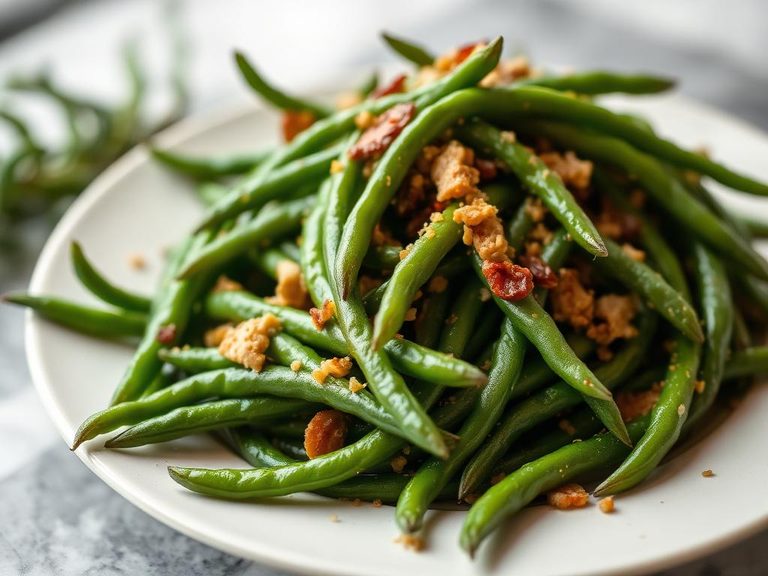
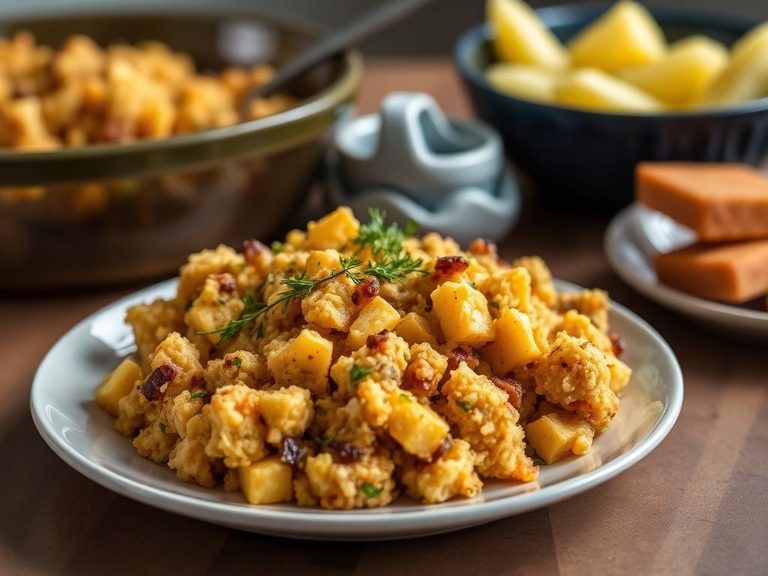
People love fatback for its unparalleled ability to infuse dishes with deep, savory pork flavor and luxurious mouthfeel. It's a cornerstone of soul food and traditional European cooking, valued for its versatility in seasoning beans, greens, and stews.
⚠️ Watch-outs & how to enjoy it better
Its extremely high fat and calorie content makes it unsuitable for low-fat diets. To enjoy it responsibly, use it sparingly as a flavoring agent rather than a main component, and balance meals with fiber-rich vegetables and lean proteins. Always render it slowly to remove excess grease.
Key benefits
- Provides a high-calorie, dense energy source
- Adds profound flavor and moisture to lean dishes
- Traditional for rendering into cooking fat (lard)
- Key for authentic Southern U.S. and European cuisines
- Helps preserve and flavor cured meats
🍽️ Popular dishes
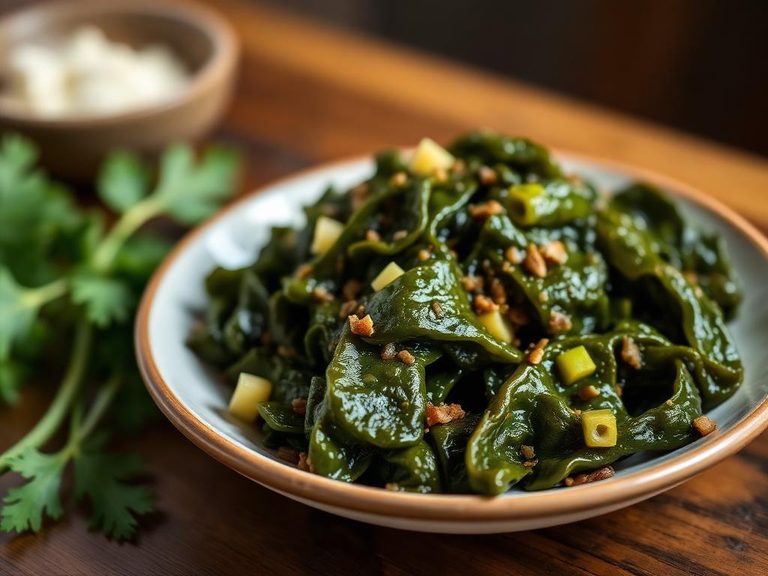
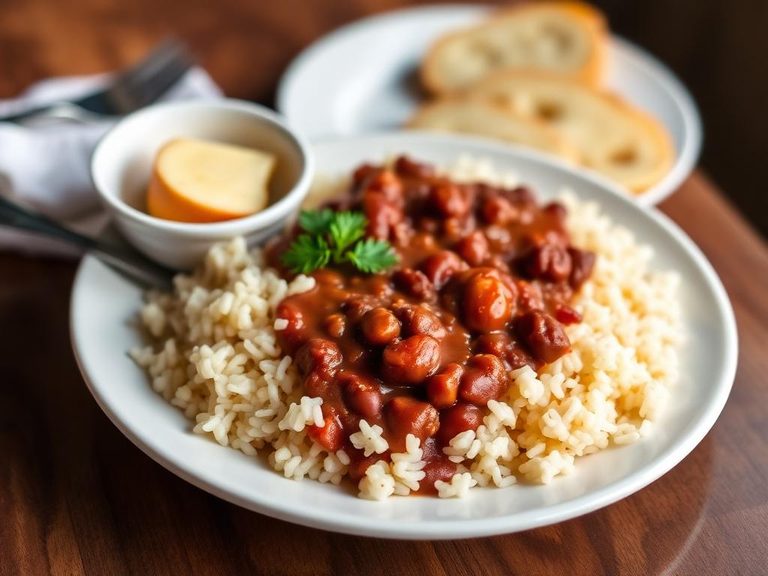
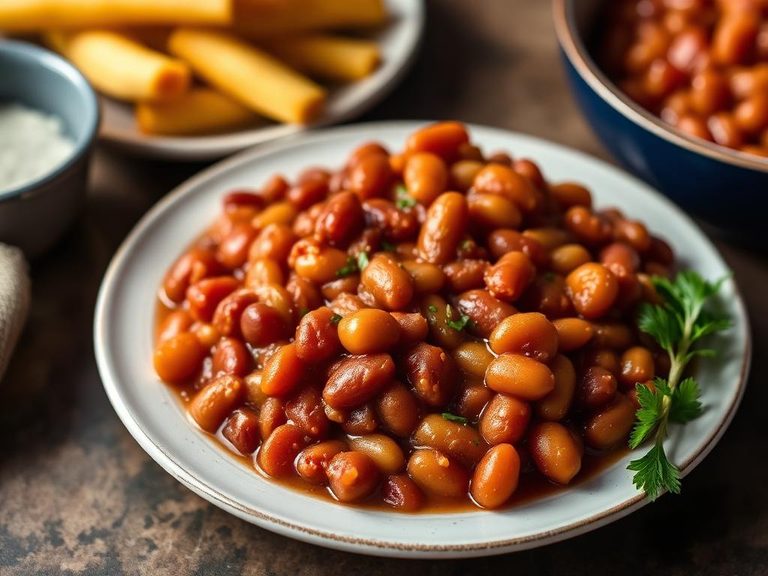
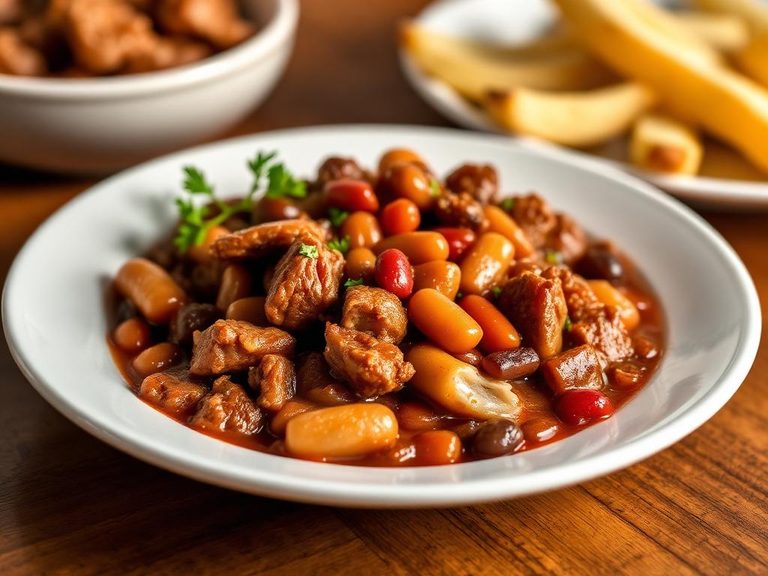
🌍 Where it's eaten
💡 Did you know?
In the American South, a small piece of cooked fatback was historically given to children as a treat, a practice known as 'giving them a little sweet meat.'
Full nutrition (USDA data · scales with serving)
| Water | 10.0 g |
| Energy | 750 kcal |
| Protein | 2.7 g |
| Total lipid (fat) | 81.9 g |
| Carbohydrate, by difference | 0.00 g |
| Fiber, total dietary | 0.00 g |
| Total Sugars | 0.00 g |
| Calcium, Ca | 11.0 mg |
| Iron, Fe | 0.17 mg |
| Magnesium, Mg | 3.0 mg |
| Phosphorus, P | 41.0 mg |
| Potassium, K | 47.0 mg |
| Sodium, Na | 2039 mg |
| Zinc, Zn | 0.35 mg |
| Copper, Cu | 0.03 mg |
| Selenium, Se | 4.5 ug |
| Vitamin C, total ascorbic acid | 0.00 mg |
| Thiamin | 0.08 mg |
| Riboflavin | 0.08 mg |
| Niacin | 1.2 mg |
| Vitamin B-6 | 0.07 mg |
| Folate, total | 0.00 ug |
| Folic acid | 0.00 ug |
| Folate, food | 0.00 ug |
| Folate, DFE | 0.00 ug |
| Choline, total | 40.7 mg |
| Vitamin B-12 | 0.20 ug |
| Vitamin B-12, added | 0.00 ug |
| Vitamin A, RAE | 9.0 ug |
| Retinol | 9.0 ug |
| Carotene, beta | 0.00 ug |
| Carotene, alpha | 0.00 ug |
| Cryptoxanthin, beta | 0.00 ug |
| Lycopene | 0.00 ug |
| Lutein + zeaxanthin | 0.00 ug |
| Vitamin E (alpha-tocopherol) | 0.34 mg |
| Vitamin E, added | 0.00 mg |
| Vitamin D (D2 + D3) | 2.1 ug |
| Vitamin K (phylloquinone) | 0.00 ug |
| Alcohol, ethyl | 0.00 g |
| Caffeine | 0.00 mg |
| Theobromine | 0.00 mg |
Fat & fatty acid profile (per 100g)
| Fatty acids, total saturated | 31.3 g |
| SFA 4:0 | 0.00 g |
| SFA 6:0 | 0.00 g |
| SFA 8:0 | 0.00 g |
| SFA 10:0 | 0.08 g |
| SFA 12:0 | 0.13 g |
| SFA 14:0 | 1.1 g |
| SFA 16:0 | 19.2 g |
| SFA 18:0 | 10.5 g |
| Fatty acids, total monounsaturated | 36.6 g |
| MUFA 16:1 | 2.1 g |
| MUFA 18:1 | 33.7 g |
| MUFA 20:1 | 0.76 g |
| MUFA 22:1 | 0.00 g |
| Fatty acids, total polyunsaturated | 10.7 g |
| PUFA 18:2 | 9.7 g |
| PUFA 18:3 | 0.73 g |
| PUFA 18:4 | 0.00 g |
| PUFA 20:4 | 0.07 g |
| PUFA 20:5 n-3 (EPA) | 0.00 g |
| PUFA 22:5 n-3 (DPA) | 0.01 g |
| PUFA 22:6 n-3 (DHA) | 0.01 g |
| Cholesterol | 84.0 mg |
Amino acid profile (per 100g)
Estimated from Beef, rib, back ribs, bone-in, separable lean and fat, trimmed to 0" fat, all grades, cooked, braised — USDA does not publish this profile for Fat back.
| Tryptophan | 0.27 g |
| Threonine | 1.1 g |
| Isoleucine | 1.1 g |
| Leucine | 2.1 g |
| Lysine | 2.3 g |
| Methionine | 0.66 g |
| Cystine | 0.25 g |
| Phenylalanine | 0.97 g |
| Tyrosine | 0.90 g |
| Valine | 1.2 g |
| Arginine | 1.6 g |
| Histidine | 0.91 g |
| Alanine | 1.5 g |
| Aspartic acid | 2.4 g |
| Glutamic acid | 4.0 g |
| Glycine | 1.2 g |
| Proline | 1.1 g |
| Serine | 1.00 g |
| Hydroxyproline | 0.17 g |
FAQ
What is the difference between fatback and salt pork?
Fatback is the raw, uncured fat from the pig's back. Salt pork is cured in salt (and sometimes nitrates), making it saltier and preserving it. They are often used interchangeably for flavoring, but salt pork adds more salt to a dish.
How is fatback typically prepared and used?
It's most often diced and rendered slowly in a pot to create flavorful cooking fat and crispy bits (cracklings). The rendered fat and meat are then used to season vegetables, beans, or rice dishes.
Is fatback the same as bacon?
No. Bacon comes from the pork belly and is cured and smoked. Fatback is from the back, is not smoked, and is used primarily as a seasoning fat rather than eaten in slices.
Nutrient density (calculated · NRF9.3)
Nutrient Rich Foods index: beneficial nutrients (protein, fiber, vitamins, minerals) minus saturated fat, added sugar & sodium, per 100 kcal.
NRF9.3 index — Fulgoni, Keast & Drewnowski, 2009. Computed from USDA nutrients.
Weight-loss friendliness (composite index)
Energy density 7.50 kcal/g · 1% calories from protein · 0.0 g fiber · 0.0 g sugar per 100 g.
Composite of energy density (Rolls et al., 1999), protein & fiber satiety, minus sugar. A calculated heuristic — ranks satiety-per-calorie, not a clinical measure.
Dietary load (calculated from USDA values)
Potential renal acid load. Positive = acid-forming, negative = alkaline-forming.
Sodium-to-potassium ratio: 43.38 (lower is better — aim for ≤ 1)
Sodium:potassium per WHO potassium guidance. Computed from USDA nutrients.