

Cream, light
Common food

Photo: Wikipedia
Light cream is a pourable, rich dairy product with a silky, smooth texture and a mild, sweet flavor. It contains about half the fat of heavy cream, making it a lighter yet still indulgent option. Per 100g, it provides a notable 19.1g of fat and 195 kcal, with minimal protein and carbs.
Calorie split: 6% protein · 7% carbs · 87% fat
↓ Full nutrition💚 Why it's loved
People love light cream for its perfect balance of richness and lightness, adding a luxurious mouthfeel to coffee, soups, and sauces without overwhelming heaviness. It's a kitchen staple that elevates dishes with a subtle, creamy sweetness.
⚠️ Watch-outs & how to enjoy it better
Its high fat content (19.1g per 100g) makes it calorie-dense, which may be a concern for those monitoring fat or calorie intake. For individuals with lactose intolerance or a dairy allergy, it can cause digestive discomfort. Tip: Use it sparingly as a finishing touch or blend it with broth or plant-based milk to reduce fat per serving while maintaining creaminess.
Key benefits
- Provides a good source of energy from fats
- Contains calcium and vitamins A and D (when fortified)
- Offers a creamy texture without the full richness of heavy cream
- Versatile for both sweet and savory culinary applications
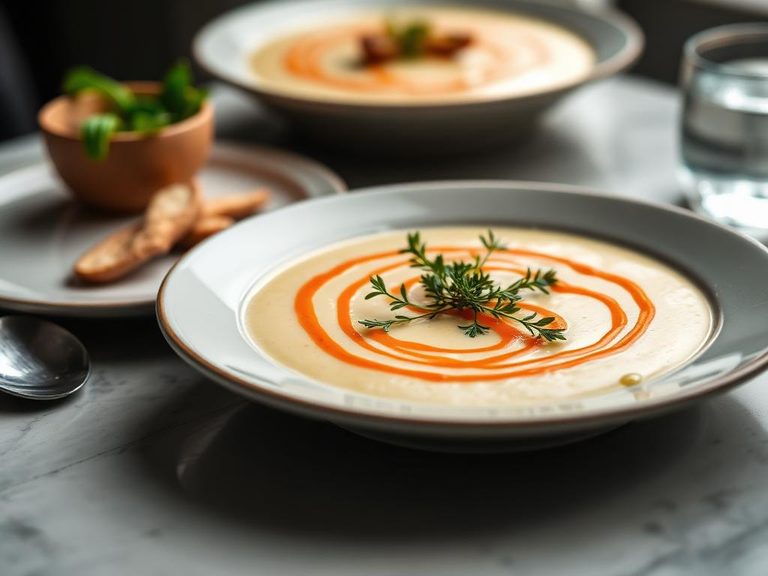
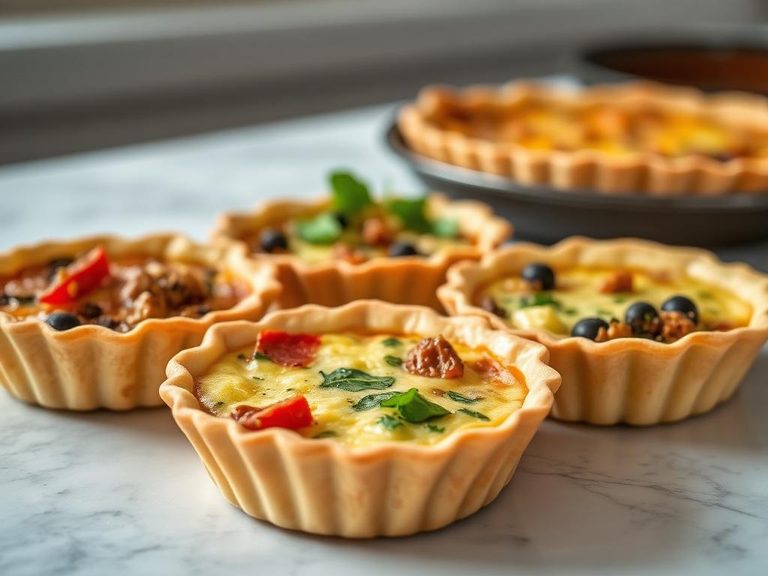
🍽️ Popular dishes

🌍 Where it's eaten
💡 Did you know?
Light cream is often called 'table cream' or 'coffee cream' in the U.S., and its fat content is legally defined to be between 18% and 30%, making it a regulated dairy product.
Full nutrition (USDA data · scales with serving)
| Water | 73.8 g |
| Energy | 195 kcal |
| Protein | 3.0 g |
| Total lipid (fat) | 19.1 g |
| Carbohydrate, by difference | 3.7 g |
| Fiber, total dietary | 0.00 g |
| Total Sugars | 3.7 g |
| Calcium, Ca | 91.0 mg |
| Iron, Fe | 0.05 mg |
| Magnesium, Mg | 9.0 mg |
| Phosphorus, P | 92.0 mg |
| Potassium, K | 136 mg |
| Sodium, Na | 72.0 mg |
| Zinc, Zn | 0.32 mg |
| Copper, Cu | 0.01 mg |
| Selenium, Se | 4.6 ug |
| Vitamin C, total ascorbic acid | 0.80 mg |
| Thiamin | 0.02 mg |
| Riboflavin | 0.19 mg |
| Niacin | 0.09 mg |
| Vitamin B-6 | 0.04 mg |
| Folate, total | 2.0 ug |
| Folic acid | 0.00 ug |
| Folate, food | 2.0 ug |
| Folate, DFE | 2.0 ug |
| Choline, total | 17.4 mg |
| Vitamin B-12 | 0.14 ug |
| Vitamin B-12, added | 0.00 ug |
| Vitamin A, RAE | 120 ug |
| Retinol | 117 ug |
| Carotene, beta | 37.0 ug |
| Carotene, alpha | 0.00 ug |
| Cryptoxanthin, beta | 0.00 ug |
| Lycopene | 0.00 ug |
| Lutein + zeaxanthin | 0.00 ug |
| Vitamin E (alpha-tocopherol) | 0.12 mg |
| Vitamin E, added | 0.00 mg |
| Vitamin D (D2 + D3) | 1.1 ug |
| Vitamin K (phylloquinone) | 1.7 ug |
| Alcohol, ethyl | 0.00 g |
| Caffeine | 0.00 mg |
| Theobromine | 0.00 mg |
Fat & fatty acid profile (per 100g)
| Fatty acids, total saturated | 10.2 g |
| SFA 4:0 | 0.39 g |
| SFA 6:0 | 0.31 g |
| SFA 8:0 | 0.19 g |
| SFA 10:0 | 0.46 g |
| SFA 12:0 | 0.53 g |
| SFA 14:0 | 1.7 g |
| SFA 16:0 | 4.6 g |
| SFA 18:0 | 1.7 g |
| Fatty acids, total monounsaturated | 4.5 g |
| MUFA 16:1 | 0.33 g |
| MUFA 18:1 | 4.0 g |
| MUFA 20:1 | 0.03 g |
| MUFA 22:1 | 0.00 g |
| Fatty acids, total polyunsaturated | 0.79 g |
| PUFA 18:2 | 0.65 g |
| PUFA 18:3 | 0.06 g |
| PUFA 18:4 | 0.00 g |
| PUFA 20:4 | 0.03 g |
| PUFA 20:5 n-3 (EPA) | 0.01 g |
| PUFA 22:5 n-3 (DPA) | 0.01 g |
| PUFA 22:6 n-3 (DHA) | 0.00 g |
| Cholesterol | 59.0 mg |
Amino acid profile (per 100g)
Estimated from Cream, fluid, light (coffee cream or table cream) — USDA does not publish this profile for Cream.
| Tryptophan | 0.07 g |
| Threonine | 0.13 g |
| Isoleucine | 0.15 g |
| Leucine | 0.24 g |
| Lysine | 0.13 g |
| Methionine | 0.07 g |
| Cystine | 0.01 g |
| Phenylalanine | 0.14 g |
| Tyrosine | 0.14 g |
| Valine | 0.18 g |
| Arginine | 0.07 g |
| Histidine | 0.07 g |
| Alanine | 0.09 g |
| Aspartic acid | 0.22 g |
| Glutamic acid | 0.59 g |
| Glycine | 0.07 g |
| Proline | 0.31 g |
| Serine | 0.10 g |
FAQ
What's the difference between light cream and half-and-half?
Light cream has a higher fat content (18-30%) compared to half-and-half (10.5-18%), making it richer and thicker. Half-and-half is a mix of milk and cream, while light cream is primarily cream.
Can I whip light cream into whipped cream?
No, light cream has too low a fat content to hold a stable whipped form. It will not form stiff peaks like heavy cream (36%+ fat) does.
Is light cream suitable for a keto diet?
It can be used in moderation, as it's high in fat and low in carbs. However, its calorie density means portion control is important for strict keto macros.
Nutrient density (calculated · NRF9.3)
Nutrient Rich Foods index: beneficial nutrients (protein, fiber, vitamins, minerals) minus saturated fat, added sugar & sodium, per 100 kcal.
NRF9.3 index — Fulgoni, Keast & Drewnowski, 2009. Computed from USDA nutrients.
Weight-loss friendliness (composite index)
Energy density 1.95 kcal/g · 6% calories from protein · 0.0 g fiber · 3.7 g sugar per 100 g.
Composite of energy density (Rolls et al., 1999), protein & fiber satiety, minus sugar. A calculated heuristic — ranks satiety-per-calorie, not a clinical measure.
Dietary load (calculated from USDA values)
Potential renal acid load. Positive = acid-forming, negative = alkaline-forming.
Sodium-to-potassium ratio: 0.53 (lower is better — aim for ≤ 1)
Sodium:potassium per WHO potassium guidance. Computed from USDA nutrients.