

Crackers, matzo, reduced sodium
Common food
Matzo is a thin, unleavened cracker with a crisp, brittle snap and a dry, subtly toasty wheat flavor. Nutritionally, it's a dense carbohydrate source, providing over 80g of carbs per 100g, making it a quick energy fuel. This reduced-sodium version cuts salt while maintaining the classic, plain matzo character.
Calorie split: 10% protein · 86% carbs · 3% fat
↓ Full nutrition💚 Why it's loved
People love matzo for its satisfying, crunchy texture and neutral flavor, which makes it a versatile canvas for both sweet and savory toppings. It holds deep cultural significance as the central food of the Jewish Passover Seder, symbolizing humility and history.
⚠️ Watch-outs & how to enjoy it better
Its high glycemic index can lead to rapid blood sugar spikes, especially when eaten plain. Those monitoring sodium intake should still check labels, as 'reduced' doesn't mean sodium-free. **Tip:** Pair matzo with protein or fat—like hummus, egg salad, or cream cheese—to slow digestion and stabilize blood sugar. Choose a controlled portion, like one sheet, as your base.
Key benefits
- High in complex carbohydrates for sustained energy
- Very low in fat (1.4g per 100g)
- Good source of dietary fiber (3g per 100g)
- Reduced sodium content compared to standard varieties
- Provides a modest amount of plant-based protein (10g per 100g)
🍽️ Popular dishes
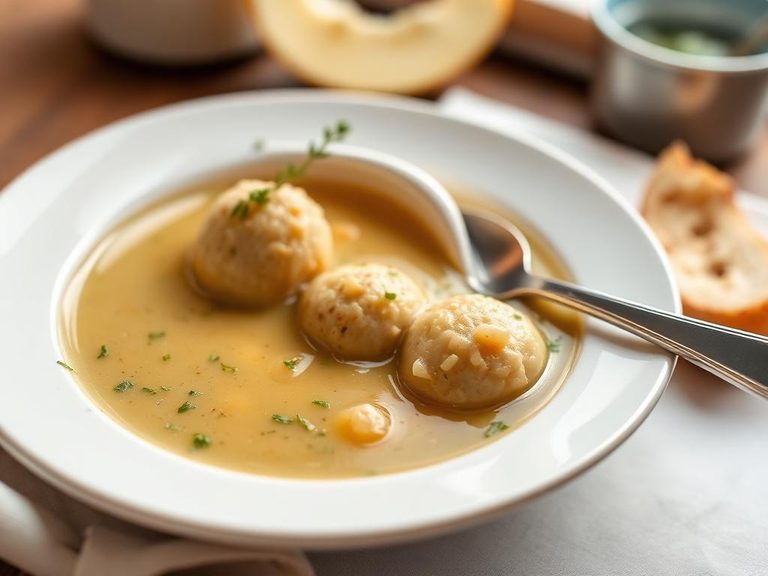
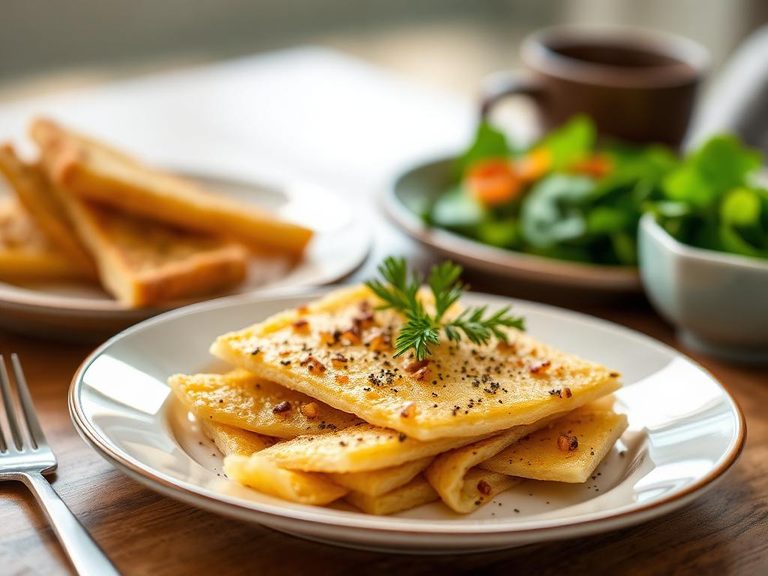
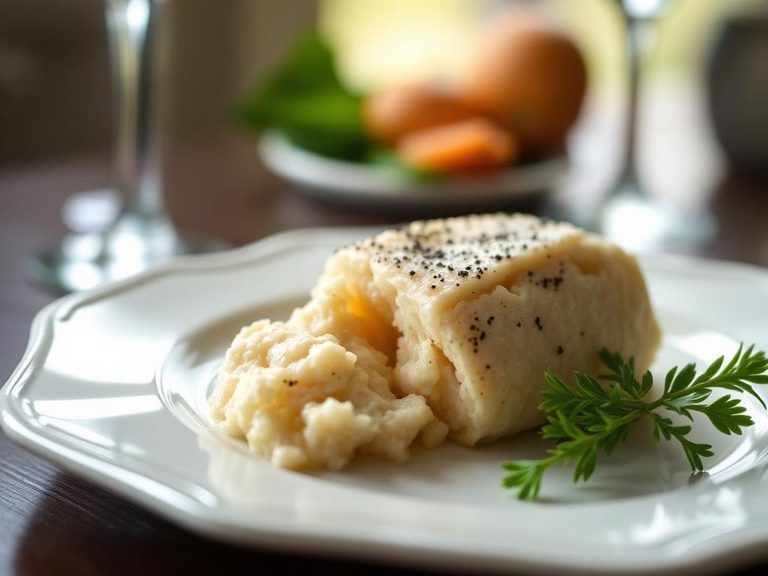
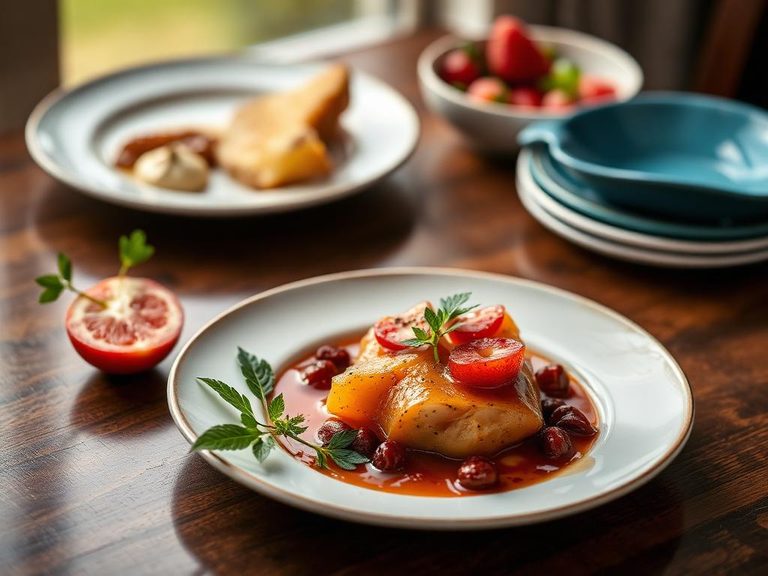
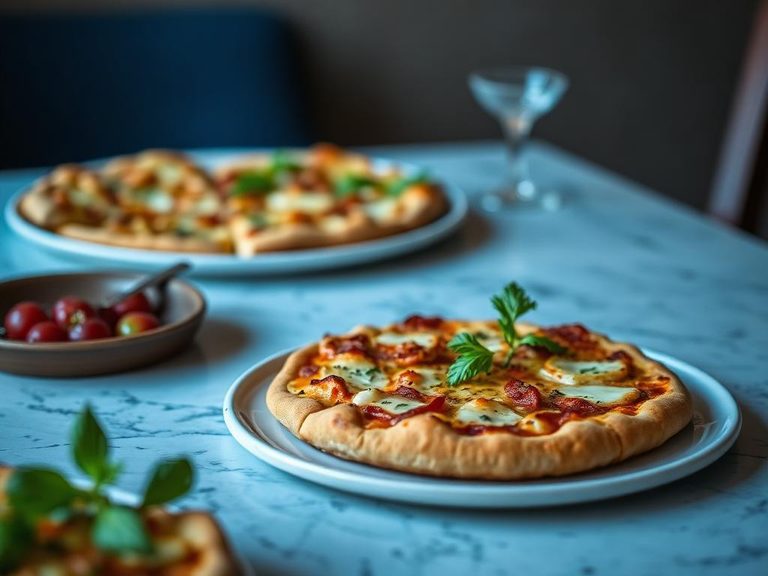
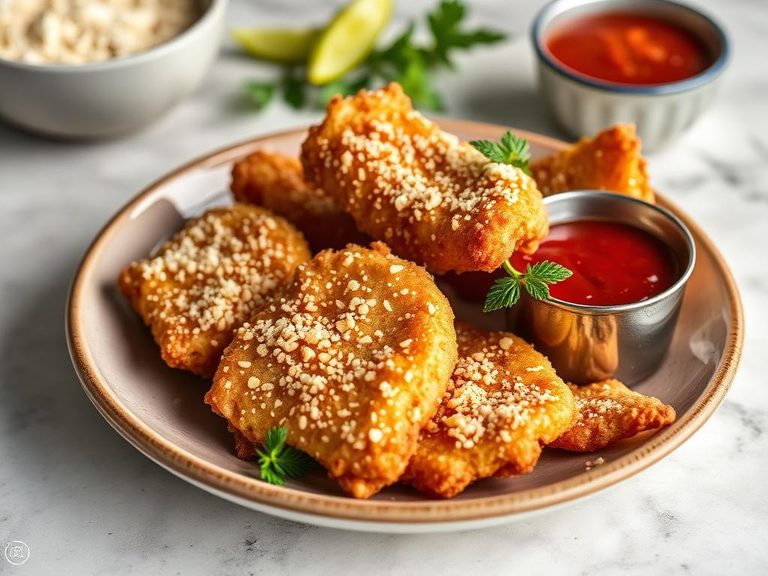
🌍 Where it's eaten
💡 Did you know?
During Passover, observant Jews avoid all leavened bread, so matzo is made from flour and water mixed and baked in under 18 minutes to prevent any fermentation or rising.
Full nutrition (USDA data · scales with serving)
| Water | 4.3 g |
| Energy | 395 kcal |
| Protein | 10.0 g |
| Total lipid (fat) | 1.4 g |
| Carbohydrate, by difference | 83.7 g |
| Fiber, total dietary | 3.0 g |
| Total Sugars | 0.29 g |
| Calcium, Ca | 13.0 mg |
| Iron, Fe | 3.2 mg |
| Magnesium, Mg | 25.0 mg |
| Phosphorus, P | 89.0 mg |
| Potassium, K | 112 mg |
| Sodium, Na | 0.00 mg |
| Zinc, Zn | 0.68 mg |
| Copper, Cu | 0.06 mg |
| Selenium, Se | 36.9 ug |
| Vitamin C, total ascorbic acid | 0.00 mg |
| Thiamin | 0.39 mg |
| Riboflavin | 0.29 mg |
| Niacin | 3.9 mg |
| Vitamin B-6 | 0.12 mg |
| Folate, total | 17.0 ug |
| Folic acid | 0.00 ug |
| Folate, food | 17.0 ug |
| Folate, DFE | 17.0 ug |
| Choline, total | 10.8 mg |
| Vitamin B-12 | 0.00 ug |
| Vitamin B-12, added | 0.00 ug |
| Vitamin A, RAE | 0.00 ug |
| Retinol | 0.00 ug |
| Carotene, beta | 0.00 ug |
| Carotene, alpha | 0.00 ug |
| Cryptoxanthin, beta | 0.00 ug |
| Lycopene | 0.00 ug |
| Lutein + zeaxanthin | 18.0 ug |
| Vitamin E (alpha-tocopherol) | 0.06 mg |
| Vitamin E, added | 0.00 mg |
| Vitamin D (D2 + D3) | 0.00 ug |
| Vitamin K (phylloquinone) | 0.30 ug |
| Alcohol, ethyl | 0.00 g |
| Caffeine | 0.00 mg |
| Theobromine | 0.00 mg |
Fat & fatty acid profile (per 100g)
| Fatty acids, total saturated | 0.23 g |
| SFA 4:0 | 0.00 g |
| SFA 6:0 | 0.00 g |
| SFA 8:0 | 0.00 g |
| SFA 10:0 | 0.00 g |
| SFA 12:0 | 0.00 g |
| SFA 14:0 | 0.00 g |
| SFA 16:0 | 0.22 g |
| SFA 18:0 | 0.01 g |
| Fatty acids, total monounsaturated | 0.13 g |
| MUFA 16:1 | 0.00 g |
| MUFA 18:1 | 0.13 g |
| MUFA 20:1 | 0.00 g |
| MUFA 22:1 | 0.00 g |
| Fatty acids, total polyunsaturated | 0.60 g |
| PUFA 18:2 | 0.57 g |
| PUFA 18:3 | 0.03 g |
| PUFA 18:4 | 0.00 g |
| PUFA 20:4 | 0.00 g |
| PUFA 20:5 n-3 (EPA) | 0.00 g |
| PUFA 22:5 n-3 (DPA) | 0.00 g |
| PUFA 22:6 n-3 (DHA) | 0.00 g |
| Cholesterol | 0.00 mg |
Amino acid profile (per 100g)
Estimated from Crackers, cheese, sandwich-type with cheese filling — USDA does not publish this profile for Crackers.
| Tryptophan | 0.11 g |
| Threonine | 0.33 g |
| Isoleucine | 0.36 g |
| Leucine | 0.64 g |
| Lysine | 0.39 g |
| Methionine | 0.15 g |
| Cystine | 0.15 g |
| Phenylalanine | 0.35 g |
| Tyrosine | 0.25 g |
| Valine | 0.38 g |
| Arginine | 0.29 g |
| Histidine | 0.17 g |
| Alanine | 0.30 g |
| Aspartic acid | 0.52 g |
| Glutamic acid | 2.2 g |
| Glycine | 0.24 g |
| Proline | 0.77 g |
| Serine | 0.40 g |
FAQ
What's the difference between regular and reduced-sodium matzo?
Reduced-sodium matzo contains significantly less added salt during production, resulting in a plainer, more wheat-forward flavor compared to the slightly salted taste of standard matzo.
Can I use matzo in recipes that call for regular crackers or breadcrumbs?
Yes, but with adjustments. Crushed matzo makes an excellent, crisp coating for baked or fried foods. For savory dishes like matzo ball soup, use matzo meal, which is finely ground matzo.
Is matzo gluten-free?
No. Traditional matzo is made from wheat flour and therefore contains gluten. There are specialty gluten-free versions available, but they are not the standard product.
Nutrient density (calculated · NRF9.3)
Nutrient Rich Foods index: beneficial nutrients (protein, fiber, vitamins, minerals) minus saturated fat, added sugar & sodium, per 100 kcal.
NRF9.3 index — Fulgoni, Keast & Drewnowski, 2009. Computed from USDA nutrients.
Weight-loss friendliness (composite index)
Energy density 3.95 kcal/g · 10% calories from protein · 3.0 g fiber · 0.3 g sugar per 100 g.
Composite of energy density (Rolls et al., 1999), protein & fiber satiety, minus sugar. A calculated heuristic — ranks satiety-per-calorie, not a clinical measure.
Dietary load (calculated from USDA values)
Potential renal acid load. Positive = acid-forming, negative = alkaline-forming.
Sodium-to-potassium ratio: 0.00 (lower is better — aim for ≤ 1)
Sodium:potassium per WHO potassium guidance. Computed from USDA nutrients.