

Crackers, butter (Ritz)
Common food
A classic, golden-brown butter cracker with a distinctively flaky, layered texture and a rich, savory, buttery flavor that melts in your mouth. Nutritionally, it's a calorie-dense, refined carbohydrate source, providing a quick energy boost but little fiber or protein.
Calorie split: 5% protein · 48% carbs · 47% fat
↓ Full nutrition💚 Why it's loved
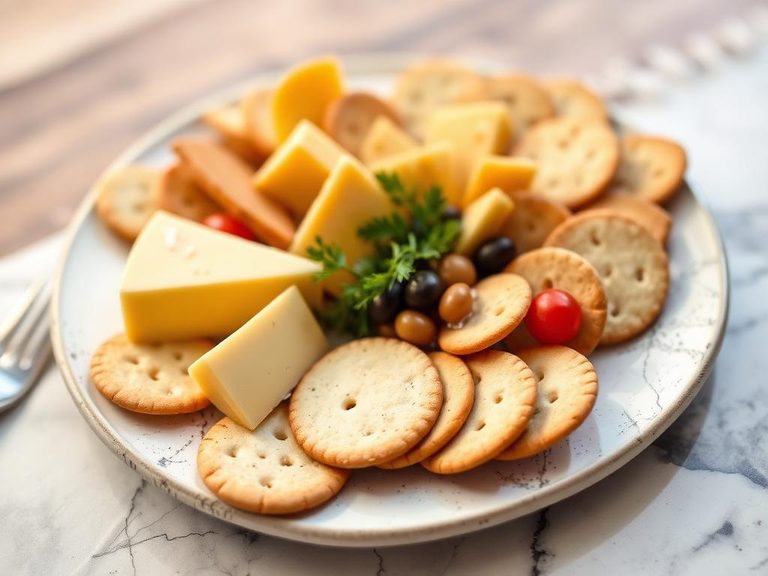
People love its satisfyingly crisp, salty-buttery taste and its role as the ultimate versatile base for dips, cheeses, and spreads. It's a nostalgic comfort food, often associated with casual gatherings, holiday platters, and childhood snacks.
⚠️ Watch-outs & how to enjoy it better
The high glycemic load from refined carbs can cause rapid blood-sugar spikes, and the significant fat and sodium content may concern those monitoring heart health. To counteract, always pair with protein or fat (like cheese, hummus, or nut butter) to slow digestion, practice strict portion control (stick to one serving), and ensure the rest of your meal is rich in fiber and vegetables.
Key benefits
- Quick source of energy from carbohydrates
- Convenient, shelf-stable snack
- Mild flavor pairs well with many toppings
- Provides a small amount of fat for satiety
🍽️ Popular dishes
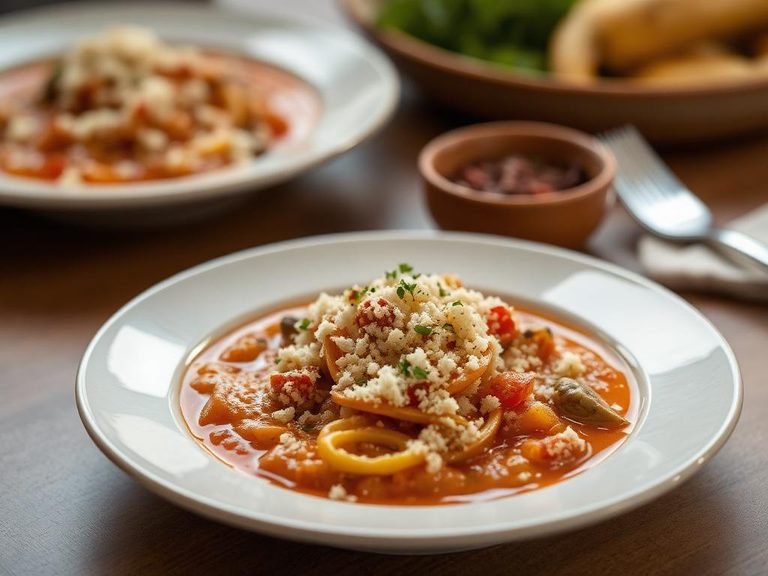
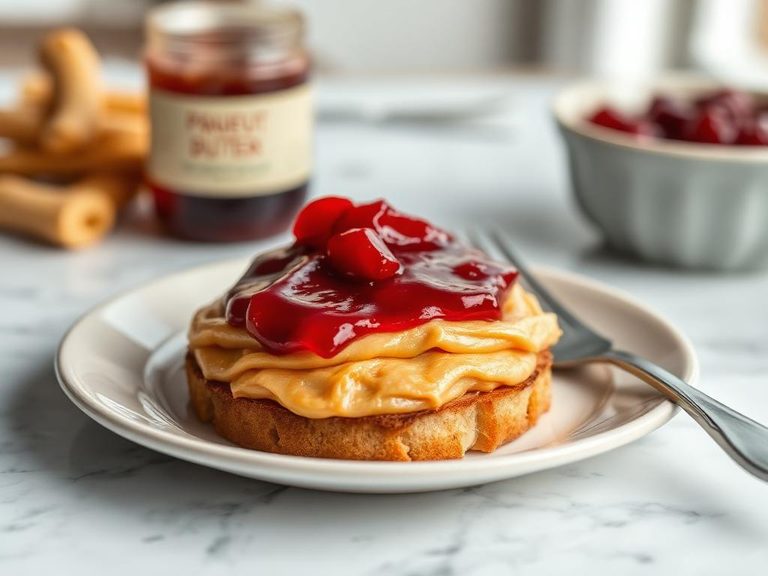
🌍 Where it's eaten
💡 Did you know?
The Ritz cracker was launched in 1934 during the Great Depression, and its name was chosen to evoke a feeling of affordable luxury and a 'ritzy' experience for struggling families.
Full nutrition (USDA data · scales with serving)
| Water | 3.1 g |
| Energy | 510 kcal |
| Protein | 6.6 g |
| Total lipid (fat) | 26.4 g |
| Carbohydrate, by difference | 61.3 g |
| Fiber, total dietary | 2.3 g |
| Total Sugars | 8.2 g |
| Calcium, Ca | 120 mg |
| Iron, Fe | 4.0 mg |
| Magnesium, Mg | 18.0 mg |
| Phosphorus, P | 248 mg |
| Potassium, K | 118 mg |
| Sodium, Na | 726 mg |
| Zinc, Zn | 0.49 mg |
| Copper, Cu | 0.10 mg |
| Selenium, Se | 6.7 ug |
| Vitamin C, total ascorbic acid | 0.00 mg |
| Thiamin | 0.42 mg |
| Riboflavin | 0.46 mg |
| Niacin | 4.4 mg |
| Vitamin B-6 | 0.06 mg |
| Folate, total | 92.0 ug |
| Folic acid | 84.0 ug |
| Folate, food | 8.0 ug |
| Folate, DFE | 150 ug |
| Choline, total | 9.6 mg |
| Vitamin B-12 | 0.00 ug |
| Vitamin B-12, added | 0.00 ug |
| Vitamin A, RAE | 0.00 ug |
| Retinol | 0.00 ug |
| Carotene, beta | 0.00 ug |
| Carotene, alpha | 0.00 ug |
| Cryptoxanthin, beta | 0.00 ug |
| Lycopene | 0.00 ug |
| Lutein + zeaxanthin | 12.0 ug |
| Vitamin E (alpha-tocopherol) | 3.0 mg |
| Vitamin E, added | 0.00 mg |
| Vitamin D (D2 + D3) | 0.00 ug |
| Vitamin K (phylloquinone) | 69.3 ug |
| Alcohol, ethyl | 0.00 g |
| Caffeine | 0.00 mg |
| Theobromine | 0.00 mg |
Fat & fatty acid profile (per 100g)
| Fatty acids, total saturated | 5.6 g |
| SFA 4:0 | 0.01 g |
| SFA 6:0 | 0.00 g |
| SFA 8:0 | 0.00 g |
| SFA 10:0 | 0.01 g |
| SFA 12:0 | 0.01 g |
| SFA 14:0 | 0.05 g |
| SFA 16:0 | 3.2 g |
| SFA 18:0 | 2.1 g |
| Fatty acids, total monounsaturated | 6.6 g |
| MUFA 16:1 | 0.02 g |
| MUFA 18:1 | 6.4 g |
| MUFA 20:1 | 0.11 g |
| MUFA 22:1 | 0.01 g |
| Fatty acids, total polyunsaturated | 13.1 g |
| PUFA 18:2 | 11.6 g |
| PUFA 18:3 | 1.5 g |
| PUFA 18:4 | 0.00 g |
| PUFA 20:4 | 0.01 g |
| PUFA 20:5 n-3 (EPA) | 0.00 g |
| PUFA 22:5 n-3 (DPA) | 0.00 g |
| PUFA 22:6 n-3 (DHA) | 0.00 g |
| Cholesterol | 0.00 mg |
Amino acid profile (per 100g)
Estimated from Crackers, cheese, sandwich-type with cheese filling — USDA does not publish this profile for Crackers.
| Tryptophan | 0.11 g |
| Threonine | 0.33 g |
| Isoleucine | 0.36 g |
| Leucine | 0.64 g |
| Lysine | 0.39 g |
| Methionine | 0.15 g |
| Cystine | 0.15 g |
| Phenylalanine | 0.35 g |
| Tyrosine | 0.25 g |
| Valine | 0.38 g |
| Arginine | 0.29 g |
| Histidine | 0.17 g |
| Alanine | 0.30 g |
| Aspartic acid | 0.52 g |
| Glutamic acid | 2.2 g |
| Glycine | 0.24 g |
| Proline | 0.77 g |
| Serine | 0.40 g |
FAQ
What makes Ritz crackers so flaky?
The flaky texture is achieved through a lamination process, where dough is repeatedly folded with layers of shortening (fat), creating thin, separable layers that puff and crisp during baking.
Are butter crackers the same as soda crackers?
No. Butter crackers like Ritz are richer, with more fat (shortening/butter) for a tender, crumbly texture. Soda crackers are leaner, leavened with baking soda, and have a crisp, bubbly surface and a more neutral, salty taste.
What's the best way to use Ritz in a recipe?
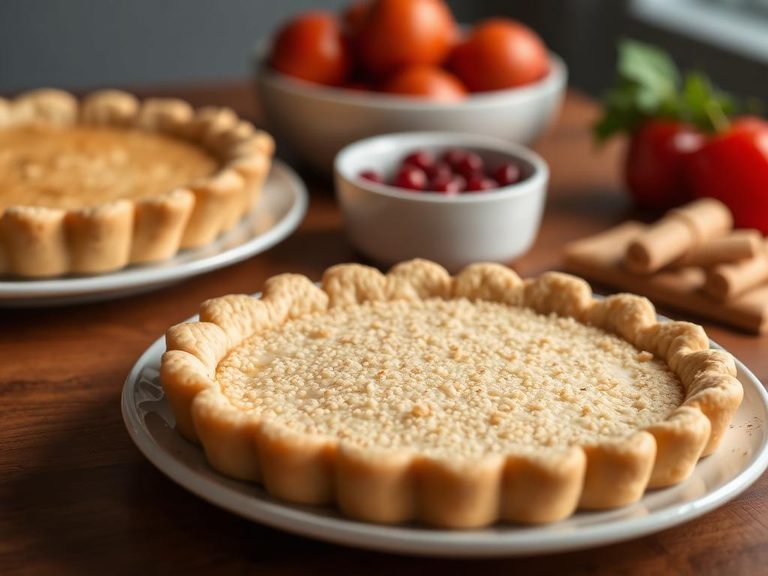
They excel as a base for canapés, a crunchy topping for casseroles (like green bean casserole), or crushed into a crust for sweet pies (like key lime or peanut butter pie), where their buttery flavor complements the filling.
Nutrient density (calculated · NRF9.3)
Nutrient Rich Foods index: beneficial nutrients (protein, fiber, vitamins, minerals) minus saturated fat, added sugar & sodium, per 100 kcal.
NRF9.3 index — Fulgoni, Keast & Drewnowski, 2009. Computed from USDA nutrients.
Weight-loss friendliness (composite index)
Energy density 5.10 kcal/g · 5% calories from protein · 2.3 g fiber · 8.2 g sugar per 100 g.
Composite of energy density (Rolls et al., 1999), protein & fiber satiety, minus sugar. A calculated heuristic — ranks satiety-per-calorie, not a clinical measure.
Dietary load (calculated from USDA values)
Potential renal acid load. Positive = acid-forming, negative = alkaline-forming.
Sodium-to-potassium ratio: 6.15 (lower is better — aim for ≤ 1)
Sodium:potassium per WHO potassium guidance. Computed from USDA nutrients.