

Crackers, sandwich, peanut butter filled (Ritz)
Common food

Photo: Wikipedia
These are the iconic Ritz Bits sandwich crackers, featuring a creamy peanut butter filling between two bite-sized, buttery, flaky crackers. The texture is a delightful contrast of crisp, salty cracker and smooth, rich peanut butter. Nutritionally, they are a calorie-dense snack, providing quick energy primarily from fats and refined carbohydrates.
Calorie split: 6% protein · 47% carbs · 47% fat
↓ Full nutrition💚 Why it's loved
People adore them for the perfect salty-sweet combo and the satisfying crunch-to-cream ratio in every bite. They are a nostalgic, go-to pantry staple for quick hunger fixes and lunchbox treats.
⚠️ Watch-outs & how to enjoy it better
They are high in calories, sodium, and refined carbs, which can lead to blood sugar spikes and aren't ideal for those monitoring sodium or managing diabetes. The peanut butter filling makes them a major allergen risk. To counteract, pair a small portion with a piece of fruit or a glass of milk to add fiber and protein, slowing digestion.
Key benefits
- Provides a quick, convenient source of energy
- Contains plant-based protein from the peanut butter filling
- Offers a satisfying mix of salty and sweet flavors
- Shelf-stable and portable for on-the-go snacking
🍽️ Popular dishes
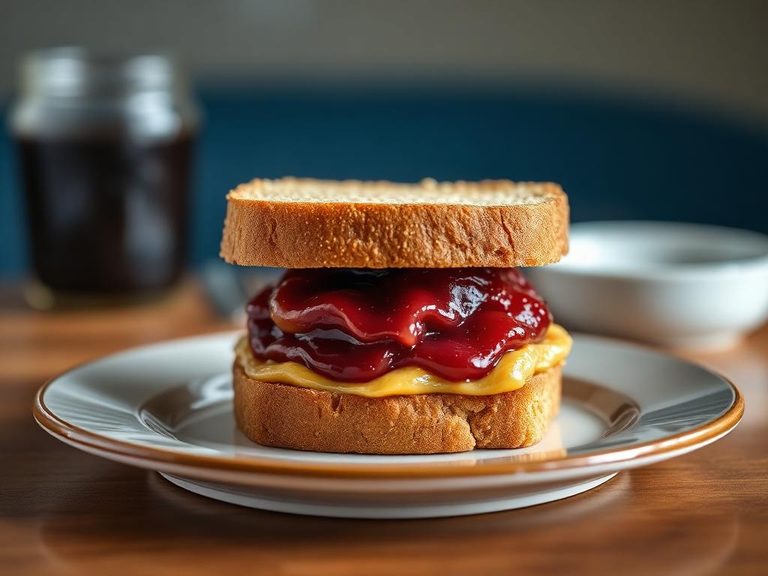

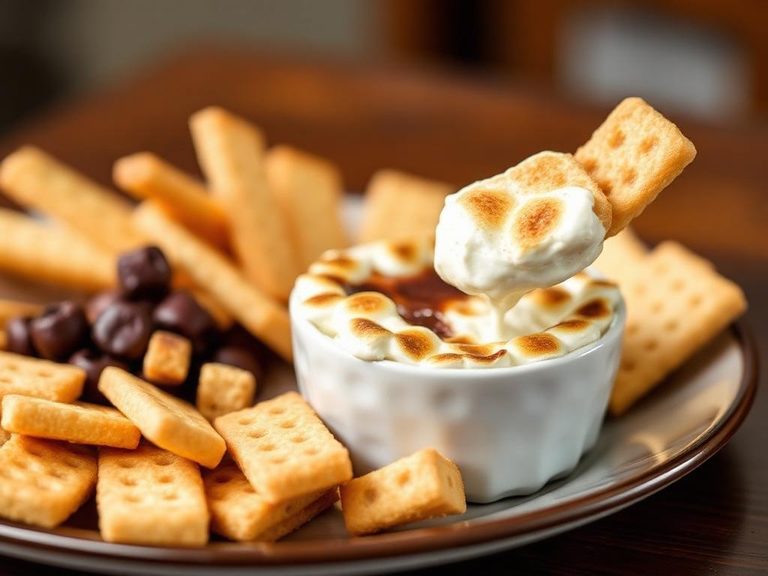
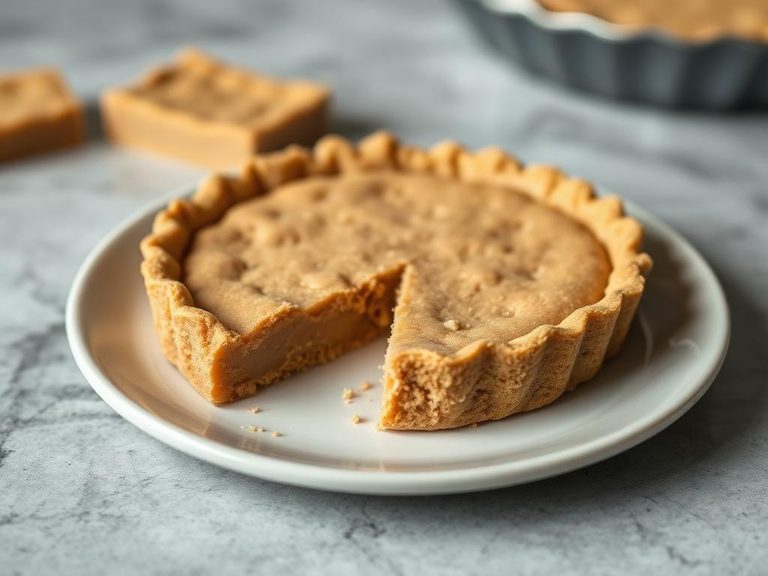
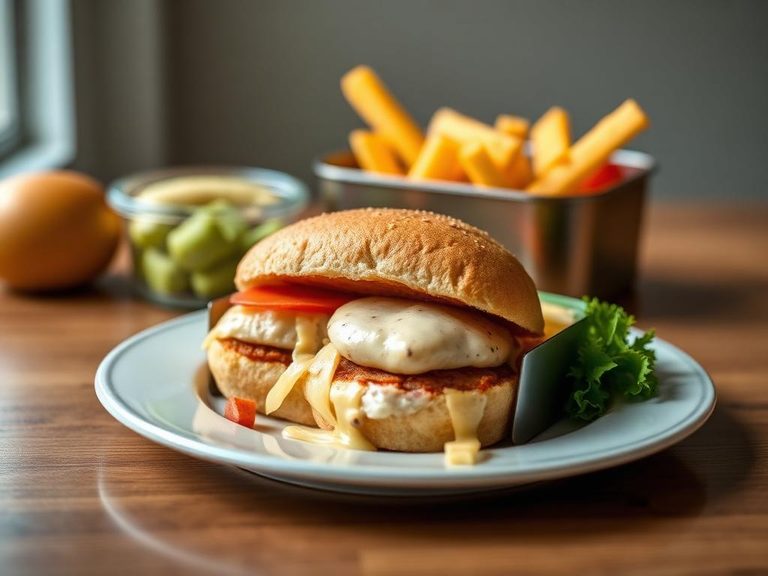
🌍 Where it's eaten
💡 Did you know?
The original Ritz cracker was designed in 1934 during the Great Depression to be an affordable luxury, with its name chosen to evoke a feeling of elegance and celebration.
Full nutrition (USDA data · scales with serving)
| Water | 8.4 g |
| Energy | 482 kcal |
| Protein | 7.5 g |
| Total lipid (fat) | 25.0 g |
| Carbohydrate, by difference | 57.1 g |
| Fiber, total dietary | 2.5 g |
| Total Sugars | 10.0 g |
| Calcium, Ca | 0.00 mg |
| Iron, Fe | 2.7 mg |
| Magnesium, Mg | 27.0 mg |
| Phosphorus, P | 87.0 mg |
| Potassium, K | 110 mg |
| Sodium, Na | 575 mg |
| Zinc, Zn | 0.60 mg |
| Copper, Cu | 0.12 mg |
| Selenium, Se | 17.6 ug |
| Vitamin C, total ascorbic acid | 0.00 mg |
| Thiamin | 0.41 mg |
| Riboflavin | 0.27 mg |
| Niacin | 4.2 mg |
| Vitamin B-6 | 0.07 mg |
| Folate, total | 100 ug |
| Folic acid | 77.0 ug |
| Folate, food | 23.0 ug |
| Folate, DFE | 154 ug |
| Choline, total | 11.8 mg |
| Vitamin B-12 | 0.00 ug |
| Vitamin B-12, added | 0.00 ug |
| Vitamin A, RAE | 0.00 ug |
| Retinol | 0.00 ug |
| Carotene, beta | 0.00 ug |
| Carotene, alpha | 0.00 ug |
| Cryptoxanthin, beta | 0.00 ug |
| Lycopene | 0.00 ug |
| Lutein + zeaxanthin | 9.0 ug |
| Vitamin E (alpha-tocopherol) | 2.3 mg |
| Vitamin E, added | 0.00 mg |
| Vitamin D (D2 + D3) | 0.00 ug |
| Vitamin K (phylloquinone) | 7.0 ug |
| Alcohol, ethyl | 0.00 g |
| Caffeine | 0.00 mg |
| Theobromine | 0.00 mg |
Fat & fatty acid profile (per 100g)
| Fatty acids, total saturated | 5.1 g |
| SFA 4:0 | 0.00 g |
| SFA 6:0 | 0.00 g |
| SFA 8:0 | 0.00 g |
| SFA 10:0 | 0.00 g |
| SFA 12:0 | 0.00 g |
| SFA 14:0 | 0.07 g |
| SFA 16:0 | 2.7 g |
| SFA 18:0 | 2.1 g |
| Fatty acids, total monounsaturated | 10.8 g |
| MUFA 16:1 | 0.01 g |
| MUFA 18:1 | 10.7 g |
| MUFA 20:1 | 0.04 g |
| MUFA 22:1 | 0.00 g |
| Fatty acids, total polyunsaturated | 7.5 g |
| PUFA 18:2 | 7.1 g |
| PUFA 18:3 | 0.11 g |
| PUFA 18:4 | 0.00 g |
| PUFA 20:4 | 0.01 g |
| PUFA 20:5 n-3 (EPA) | 0.00 g |
| PUFA 22:5 n-3 (DPA) | 0.00 g |
| PUFA 22:6 n-3 (DHA) | 0.00 g |
| Cholesterol | 0.00 mg |
Amino acid profile (per 100g)
Estimated from Crackers, cheese, sandwich-type with cheese filling — USDA does not publish this profile for Crackers.
| Tryptophan | 0.11 g |
| Threonine | 0.33 g |
| Isoleucine | 0.36 g |
| Leucine | 0.64 g |
| Lysine | 0.39 g |
| Methionine | 0.15 g |
| Cystine | 0.15 g |
| Phenylalanine | 0.35 g |
| Tyrosine | 0.25 g |
| Valine | 0.38 g |
| Arginine | 0.29 g |
| Histidine | 0.17 g |
| Alanine | 0.30 g |
| Aspartic acid | 0.52 g |
| Glutamic acid | 2.2 g |
| Glycine | 0.24 g |
| Proline | 0.77 g |
| Serine | 0.40 g |
FAQ
Are these considered a healthy snack?
They are best viewed as an occasional treat. While they provide energy and some protein, they are high in calories, sodium, and refined carbohydrates with minimal fiber or micronutrients.
Can I use them in recipes?
Yes! They are fantastic crushed into a pie crust for no-bake cheesecakes or peanut butter pies, or used as a crunchy base for layered dips.
What's the main difference between these and regular peanut butter on crackers?
The pre-filled commercial version uses a stabilized, sweeter peanut butter filling designed for shelf life and consistent texture, which can differ from natural peanut butter in taste and nutritional profile.
Nutrient density (calculated · NRF9.3)
Nutrient Rich Foods index: beneficial nutrients (protein, fiber, vitamins, minerals) minus saturated fat, added sugar & sodium, per 100 kcal.
NRF9.3 index — Fulgoni, Keast & Drewnowski, 2009. Computed from USDA nutrients.
Weight-loss friendliness (composite index)
Energy density 4.82 kcal/g · 6% calories from protein · 2.5 g fiber · 10.0 g sugar per 100 g.
Composite of energy density (Rolls et al., 1999), protein & fiber satiety, minus sugar. A calculated heuristic — ranks satiety-per-calorie, not a clinical measure.
Dietary load (calculated from USDA values)
Potential renal acid load. Positive = acid-forming, negative = alkaline-forming.
Sodium-to-potassium ratio: 5.23 (lower is better — aim for ≤ 1)
Sodium:potassium per WHO potassium guidance. Computed from USDA nutrients.