

Crackers, sandwich, peanut butter filled
Common food
These are crispy, savory crackers sandwiching a smooth, salty-sweet peanut butter filling. The texture is a delightful contrast between the flaky, buttery cracker and the dense, creamy center. Nutritionally, they are a calorie-dense energy source, providing a significant boost of fats and carbohydrates.
Calorie split: 9% protein · 47% carbs · 44% fat
↓ Full nutrition💚 Why it's loved
People love them for the perfect marriage of salty, savory cracker and sweet, rich peanut butter, creating a deeply satisfying snack. Their portability and no-mess format make them a beloved staple for lunchboxes, road trips, and quick office snacks.
⚠️ Watch-outs & how to enjoy it better
The high calorie, fat, and sodium content can be concerning for those monitoring heart health or calorie intake. They are also a common allergen (peanuts) and can cause blood sugar spikes due to refined carbs and added sugars. To counteract, practice strict portion control (stick to a single serving) and pair with a source of fiber or protein, like an apple or a glass of milk, to slow digestion.
Key benefits
- Quick and convenient energy source
- Provides plant-based protein from peanuts
- No cooking or preparation required
- Long shelf life for pantry storage
- Offers a satisfying mix of salty and sweet flavors
🍽️ Popular dishes
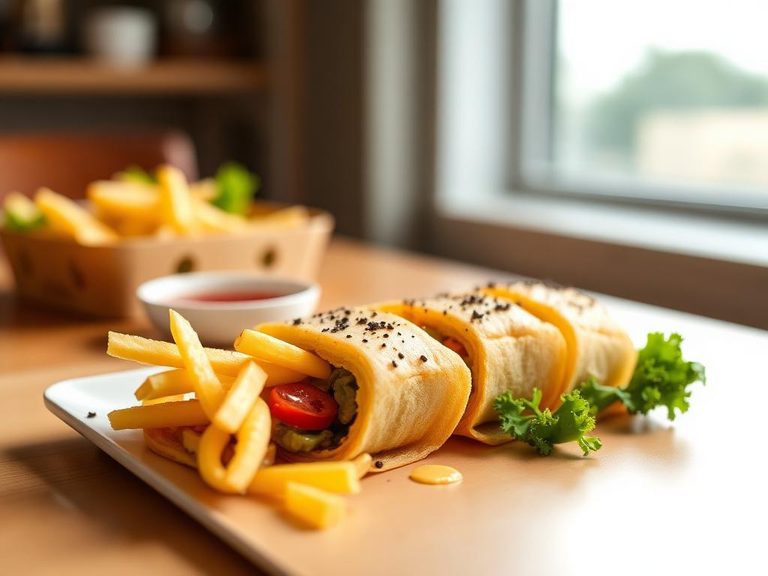
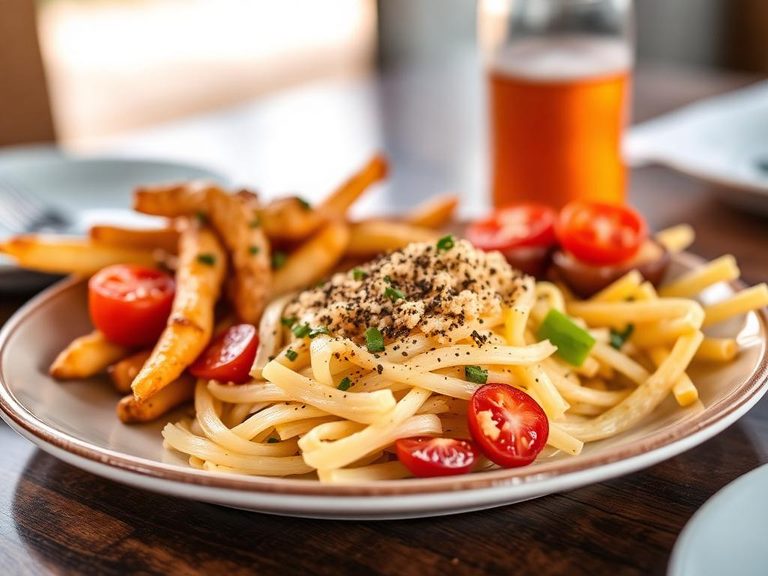
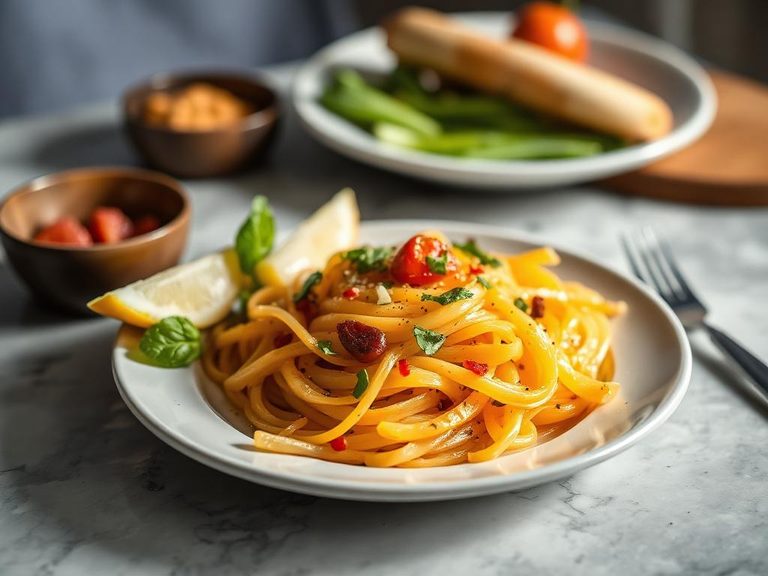

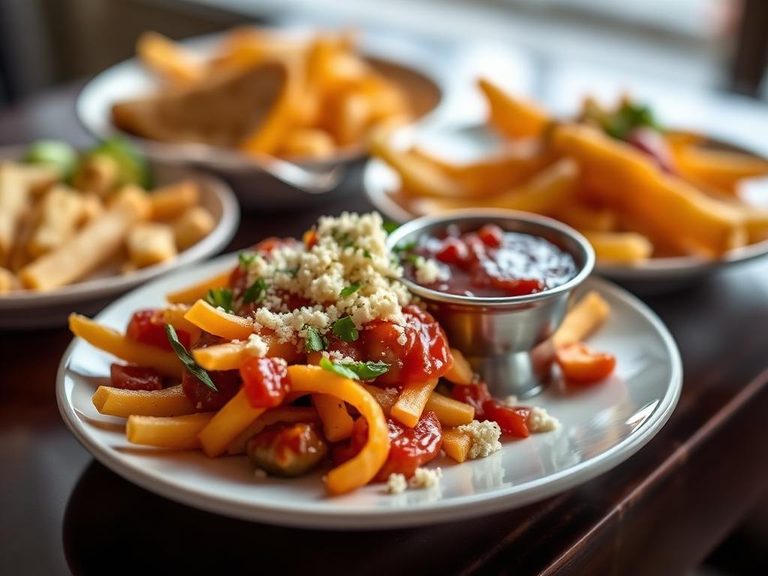
🌍 Where it's eaten
💡 Did you know?
The concept of a pre-filled sandwich cracker was popularized in the United States in the early 20th century, with brands like Lance and Austin debuting their iconic products in the 1910s and 1920s, revolutionizing portable snacks.
Full nutrition (USDA data · scales with serving)
| Water | 2.9 g |
| Energy | 494 kcal |
| Protein | 11.5 g |
| Total lipid (fat) | 24.5 g |
| Carbohydrate, by difference | 58.4 g |
| Fiber, total dietary | 2.3 g |
| Total Sugars | 10.5 g |
| Calcium, Ca | 81.0 mg |
| Iron, Fe | 2.8 mg |
| Magnesium, Mg | 55.0 mg |
| Phosphorus, P | 274 mg |
| Potassium, K | 215 mg |
| Sodium, Na | 801 mg |
| Zinc, Zn | 1.1 mg |
| Copper, Cu | 0.32 mg |
| Selenium, Se | 10.8 ug |
| Vitamin C, total ascorbic acid | 0.00 mg |
| Thiamin | 0.49 mg |
| Riboflavin | 0.27 mg |
| Niacin | 6.1 mg |
| Vitamin B-6 | 0.15 mg |
| Folate, total | 86.0 ug |
| Folic acid | 52.0 ug |
| Folate, food | 34.0 ug |
| Folate, DFE | 122 ug |
| Choline, total | 24.7 mg |
| Vitamin B-12 | 0.01 ug |
| Vitamin B-12, added | 0.00 ug |
| Vitamin A, RAE | 1.0 ug |
| Retinol | 1.0 ug |
| Carotene, beta | 0.00 ug |
| Carotene, alpha | 0.00 ug |
| Cryptoxanthin, beta | 0.00 ug |
| Lycopene | 0.00 ug |
| Lutein + zeaxanthin | 10.0 ug |
| Vitamin E (alpha-tocopherol) | 2.1 mg |
| Vitamin E, added | 0.00 mg |
| Vitamin D (D2 + D3) | 0.00 ug |
| Vitamin K (phylloquinone) | 9.5 ug |
| Alcohol, ethyl | 0.00 g |
| Caffeine | 0.00 mg |
| Theobromine | 0.00 mg |
Fat & fatty acid profile (per 100g)
| Fatty acids, total saturated | 4.8 g |
| SFA 4:0 | 0.00 g |
| SFA 6:0 | 0.00 g |
| SFA 8:0 | 0.00 g |
| SFA 10:0 | 0.00 g |
| SFA 12:0 | 0.00 g |
| SFA 14:0 | 0.00 g |
| SFA 16:0 | 3.0 g |
| SFA 18:0 | 1.2 g |
| Fatty acids, total monounsaturated | 13.5 g |
| MUFA 16:1 | 0.00 g |
| MUFA 18:1 | 13.3 g |
| MUFA 20:1 | 0.21 g |
| MUFA 22:1 | 0.00 g |
| Fatty acids, total polyunsaturated | 4.6 g |
| PUFA 18:2 | 4.6 g |
| PUFA 18:3 | 0.00 g |
| PUFA 18:4 | 0.00 g |
| PUFA 20:4 | 0.00 g |
| PUFA 20:5 n-3 (EPA) | 0.00 g |
| PUFA 22:5 n-3 (DPA) | 0.00 g |
| PUFA 22:6 n-3 (DHA) | 0.00 g |
| Cholesterol | 0.00 mg |
Amino acid profile (per 100g)
Estimated from Crackers, cheese, sandwich-type with cheese filling — USDA does not publish this profile for Crackers.
| Tryptophan | 0.11 g |
| Threonine | 0.33 g |
| Isoleucine | 0.36 g |
| Leucine | 0.64 g |
| Lysine | 0.39 g |
| Methionine | 0.15 g |
| Cystine | 0.15 g |
| Phenylalanine | 0.35 g |
| Tyrosine | 0.25 g |
| Valine | 0.38 g |
| Arginine | 0.29 g |
| Histidine | 0.17 g |
| Alanine | 0.30 g |
| Aspartic acid | 0.52 g |
| Glutamic acid | 2.2 g |
| Glycine | 0.24 g |
| Proline | 0.77 g |
| Serine | 0.40 g |
FAQ
Are peanut butter crackers a healthy snack?
They are a convenient source of energy and some protein, but are typically high in sodium, saturated fat, and refined carbohydrates. They are best enjoyed in moderation as an occasional treat rather than a daily health food.
How should I store them to keep them fresh?
Keep them in their original sealed packaging or an airtight container in a cool, dry pantry. Once opened, consume within a week for optimal crispness, as the crackers can become stale.
Can I find versions with whole grain crackers or natural peanut butter?
Yes, many brands now offer variations with whole wheat crackers and peanut butter made with fewer additives. Check the ingredient list for options that use whole grains and avoid hydrogenated oils or excessive added sugars.
Nutrient density (calculated · NRF9.3)
Nutrient Rich Foods index: beneficial nutrients (protein, fiber, vitamins, minerals) minus saturated fat, added sugar & sodium, per 100 kcal.
NRF9.3 index — Fulgoni, Keast & Drewnowski, 2009. Computed from USDA nutrients.
Weight-loss friendliness (composite index)
Energy density 4.94 kcal/g · 9% calories from protein · 2.3 g fiber · 10.5 g sugar per 100 g.
Composite of energy density (Rolls et al., 1999), protein & fiber satiety, minus sugar. A calculated heuristic — ranks satiety-per-calorie, not a clinical measure.
Dietary load (calculated from USDA values)
Potential renal acid load. Positive = acid-forming, negative = alkaline-forming.
Sodium-to-potassium ratio: 3.73 (lower is better — aim for ≤ 1)
Sodium:potassium per WHO potassium guidance. Computed from USDA nutrients.