

Cottonseed oil
Common food

Photo: Wikipedia
Cottonseed oil is a golden, neutral-flavored vegetable oil pressed from the seeds of cotton plants, prized for its high smoke point and clean, non-greasy finish. Nutritionally, it is a pure fat source with 884 kcal per 100g, offering a balance of polyunsaturated and monounsaturated fats. Its mild taste makes it a workhorse in commercial frying and baking, where it allows other flavors to shine.
Calorie split: 0% protein · 0% carbs · 100% fat
↓ Full nutrition💚 Why it's loved
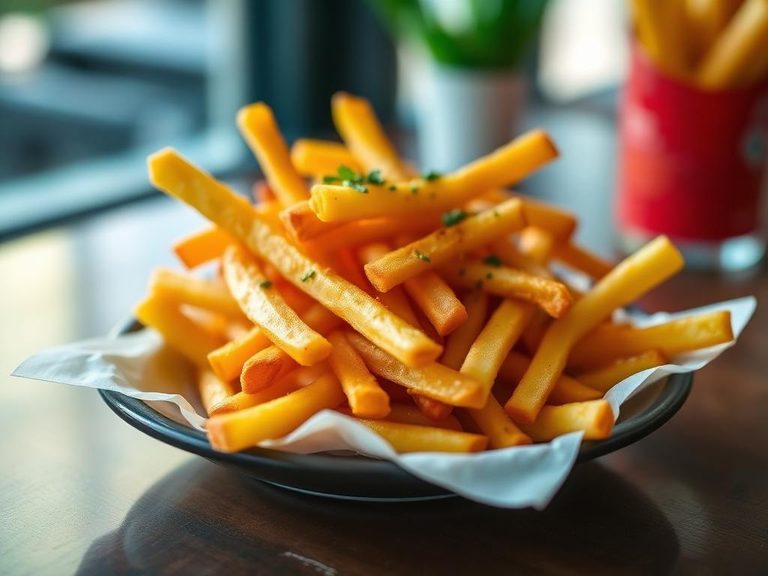
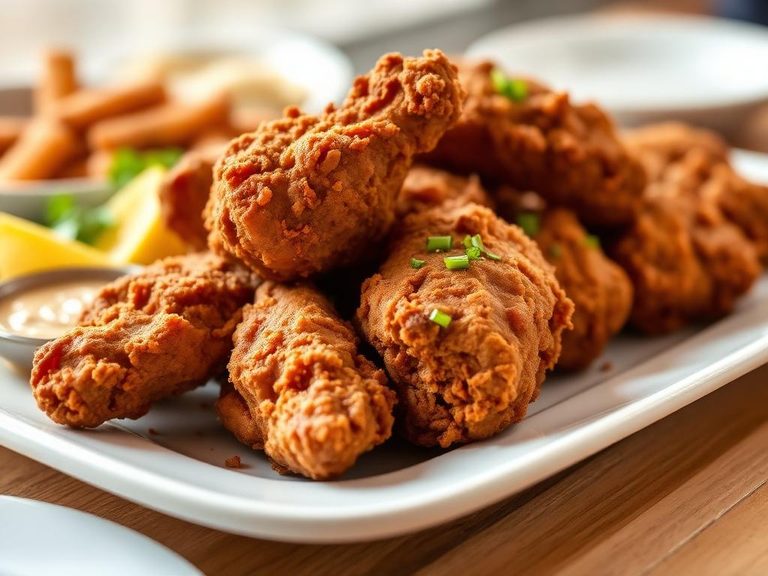
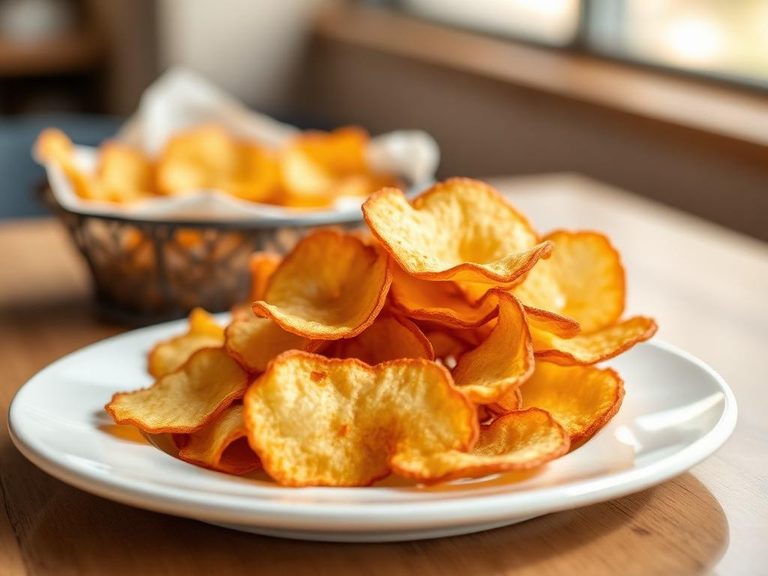
People love cottonseed oil for its exceptional versatility and cost-efficiency, making it a staple in fast-food frying and commercial snack production. Its clean, light texture and ability to withstand high heat without imparting off-flavors make it a favorite for achieving crispy, non-greasy results in fried foods.
⚠️ Watch-outs & how to enjoy it better
Cottonseed oil is high in omega-6 fatty acids, which in excess can promote inflammation if not balanced with omega-3 sources. It also contains trace amounts of gossypol, a natural compound that is largely removed in refined versions but can be a concern in unrefined oils. To counteract, use it sparingly, balance with omega-3-rich foods like flaxseeds or fatty fish, and opt for refined, low-gossypol varieties from reputable brands.
Key benefits
- High smoke point (around 420°F/215°C) ideal for deep frying and sautéing
- Neutral flavor profile that doesn't overpower dishes
- Rich in polyunsaturated and monounsaturated fats
- Cost-effective and widely available for large-scale food production
- Naturally free of trans fats when not hydrogenated
🍽️ Popular dishes
🌍 Where it's eaten
💡 Did you know?
Cottonseed oil was historically used as a lamp fuel before becoming a food staple, and its production surged during the American Civil War when other oils were scarce.
Full nutrition (USDA data · scales with serving)
| Water | 0.00 g |
| Energy | 884 kcal |
| Protein | 0.00 g |
| Total lipid (fat) | 100 g |
| Carbohydrate, by difference | 0.00 g |
| Fiber, total dietary | 0.00 g |
| Total Sugars | 0.00 g |
| Calcium, Ca | 0.00 mg |
| Iron, Fe | 0.00 mg |
| Magnesium, Mg | 0.00 mg |
| Phosphorus, P | 0.00 mg |
| Potassium, K | 0.00 mg |
| Sodium, Na | 0.00 mg |
| Zinc, Zn | 0.00 mg |
| Copper, Cu | 0.00 mg |
| Selenium, Se | 0.00 ug |
| Vitamin C, total ascorbic acid | 0.00 mg |
| Thiamin | 0.00 mg |
| Riboflavin | 0.00 mg |
| Niacin | 0.00 mg |
| Vitamin B-6 | 0.00 mg |
| Folate, total | 0.00 ug |
| Folic acid | 0.00 ug |
| Folate, food | 0.00 ug |
| Folate, DFE | 0.00 ug |
| Choline, total | 0.20 mg |
| Vitamin B-12 | 0.00 ug |
| Vitamin B-12, added | 0.00 ug |
| Vitamin A, RAE | 0.00 ug |
| Retinol | 0.00 ug |
| Carotene, beta | 0.00 ug |
| Carotene, alpha | 0.00 ug |
| Cryptoxanthin, beta | 0.00 ug |
| Lycopene | 0.00 ug |
| Lutein + zeaxanthin | 0.00 ug |
| Vitamin E (alpha-tocopherol) | 35.3 mg |
| Vitamin E, added | 0.00 mg |
| Vitamin D (D2 + D3) | 0.00 ug |
| Vitamin K (phylloquinone) | 24.7 ug |
| Alcohol, ethyl | 0.00 g |
| Caffeine | 0.00 mg |
| Theobromine | 0.00 mg |
Fat & fatty acid profile (per 100g)
| Fatty acids, total saturated | 25.9 g |
| SFA 4:0 | 0.00 g |
| SFA 6:0 | 0.00 g |
| SFA 8:0 | 0.00 g |
| SFA 10:0 | 0.00 g |
| SFA 12:0 | 0.00 g |
| SFA 14:0 | 0.80 g |
| SFA 16:0 | 22.7 g |
| SFA 18:0 | 2.3 g |
| Fatty acids, total monounsaturated | 17.8 g |
| MUFA 16:1 | 0.80 g |
| MUFA 18:1 | 17.0 g |
| MUFA 20:1 | 0.00 g |
| MUFA 22:1 | 0.00 g |
| Fatty acids, total polyunsaturated | 51.9 g |
| PUFA 18:2 | 51.5 g |
| PUFA 18:3 | 0.20 g |
| PUFA 18:4 | 0.00 g |
| PUFA 20:4 | 0.10 g |
| PUFA 20:5 n-3 (EPA) | 0.00 g |
| PUFA 22:5 n-3 (DPA) | 0.00 g |
| PUFA 22:6 n-3 (DHA) | 0.00 g |
| Cholesterol | 0.00 mg |
Amino acid profile (per 100g)
Estimated from Oil, cottonseed, salad or cooking — USDA does not publish this profile for Cottonseed oil.
| Tryptophan | 0.00 g |
| Threonine | 0.00 g |
| Isoleucine | 0.00 g |
| Leucine | 0.00 g |
| Lysine | 0.00 g |
| Methionine | 0.00 g |
| Cystine | 0.00 g |
| Phenylalanine | 0.00 g |
| Tyrosine | 0.00 g |
| Valine | 0.00 g |
| Arginine | 0.00 g |
| Histidine | 0.00 g |
| Alanine | 0.00 g |
| Aspartic acid | 0.00 g |
| Glutamic acid | 0.00 g |
| Glycine | 0.00 g |
| Proline | 0.00 g |
| Serine | 0.00 g |
FAQ
Is cottonseed oil safe to eat?
Yes, refined cottonseed oil is widely used in food products and is considered safe when processed correctly, as modern refining removes most gossypol.
How does cottonseed oil compare to other frying oils?
It has a higher smoke point than olive oil and a more neutral flavor than peanut oil, making it cost-effective for commercial frying.
Can I use cottonseed oil for baking?
Absolutely, its neutral taste and liquid form make it suitable for cakes, cookies, and pastries, though it may lack the richness of butter.
Nutrient density (calculated · NRF9.3)
Nutrient Rich Foods index: beneficial nutrients (protein, fiber, vitamins, minerals) minus saturated fat, added sugar & sodium, per 100 kcal.
NRF9.3 index — Fulgoni, Keast & Drewnowski, 2009. Computed from USDA nutrients.
Weight-loss friendliness (composite index)
Energy density 8.84 kcal/g · 0% calories from protein · 0.0 g fiber · 0.0 g sugar per 100 g.
Composite of energy density (Rolls et al., 1999), protein & fiber satiety, minus sugar. A calculated heuristic — ranks satiety-per-calorie, not a clinical measure.
Dietary load (calculated from USDA values)
Potential renal acid load. Positive = acid-forming, negative = alkaline-forming.
Sodium:potassium per WHO potassium guidance. Computed from USDA nutrients.