

Cookie, shortbread
Common food
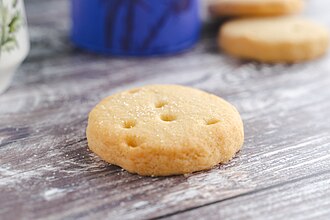
Photo: Wikipedia
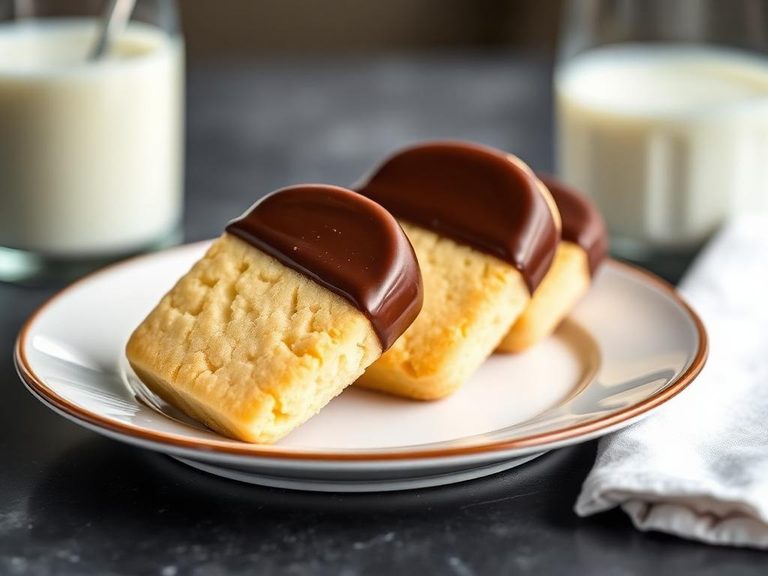
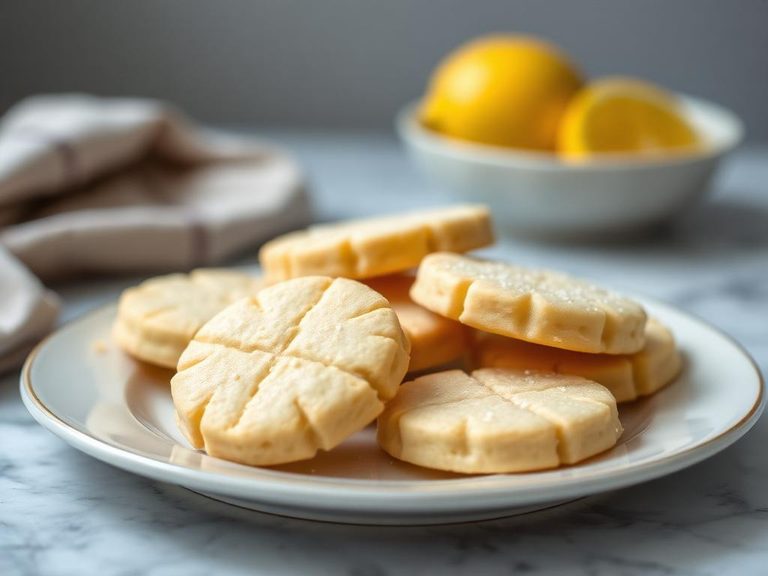
Shortbread is a classic Scottish biscuit with a rich, buttery flavor and a distinctive crumbly, sandy texture that melts in your mouth. Unlike most cookies, its simple recipe of butter, sugar, and flour creates a tender, dense treat. Nutritionally, it is very energy-dense, providing over 500 kcal per 100g, primarily from fat and refined carbohydrates.
Calorie split: 4% protein · 50% carbs · 46% fat
↓ Full nutrition💚 Why it's loved
People adore shortbread for its pure, rich butter flavor and satisfyingly crumbly texture that is both delicate and indulgent. It's a versatile base for flavors like vanilla, chocolate, or citrus, and is deeply embedded in Scottish tradition, especially for Hogmanay (New Year) and Christmas.
⚠️ Watch-outs & how to enjoy it better
Its high fat and sugar content make it a significant source of calories, which can contribute to blood-sugar spikes and is a concern for those managing weight or diabetes. It is also a common vehicle for allergens like wheat (gluten) and dairy. To enjoy it mindfully, practice strict portion control (e.g., one small piece) and pair it with a source of protein or fiber, like a handful of nuts or a piece of fruit, to slow sugar absorption.
Key benefits
- Provides a quick source of energy from carbohydrates and fats.
- Simple ingredient list can be easily made at home.
- A traditional treat for celebrations and holidays.
- Can be paired with tea or coffee for a balanced snack.
🍽️ Popular dishes
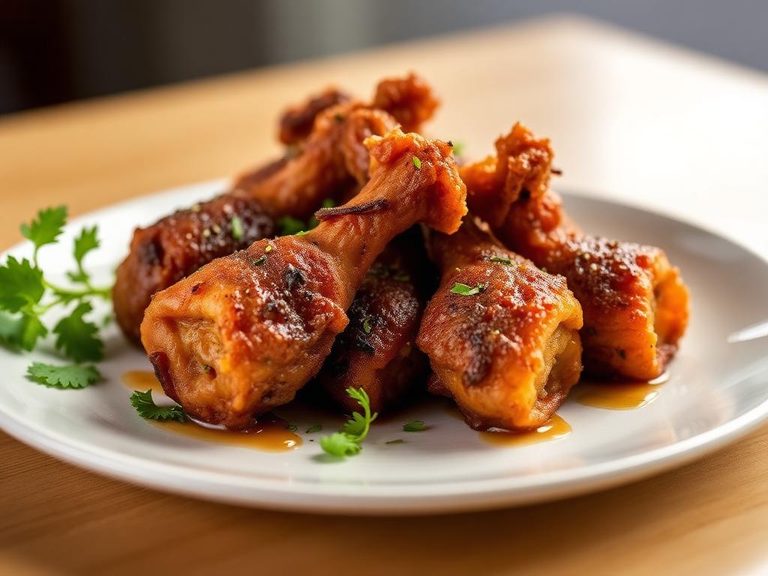
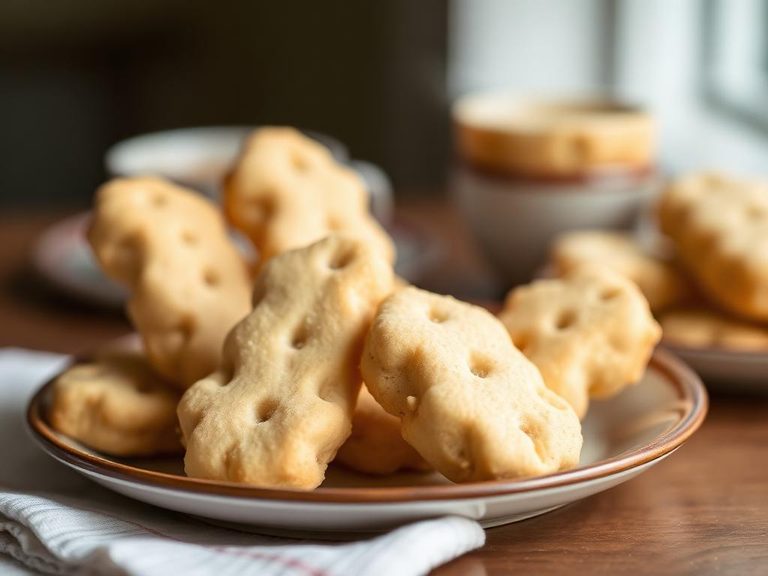
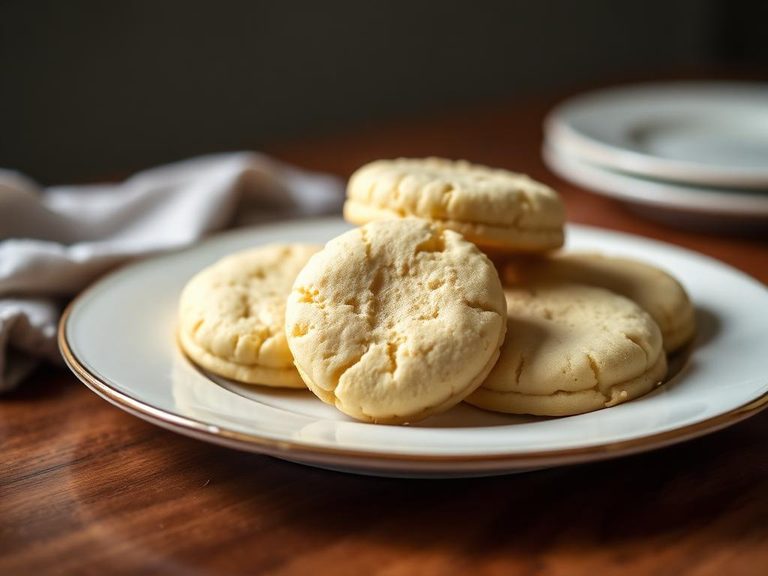
🌍 Where it's eaten
💡 Did you know?
Traditional shortbread is so named not for its size, but for the 'short' texture achieved by a high fat content, which inhibits long gluten strands from forming, resulting in its signature crumbly, tender bite.
Full nutrition (USDA data · scales with serving)
| Water | 3.6 g |
| Energy | 514 kcal |
| Protein | 5.4 g |
| Total lipid (fat) | 26.2 g |
| Carbohydrate, by difference | 63.8 g |
| Fiber, total dietary | 1.3 g |
| Total Sugars | 21.6 g |
| Calcium, Ca | 13.0 mg |
| Iron, Fe | 3.0 mg |
| Magnesium, Mg | 14.0 mg |
| Phosphorus, P | 66.0 mg |
| Potassium, K | 88.0 mg |
| Sodium, Na | 353 mg |
| Zinc, Zn | 0.49 mg |
| Copper, Cu | 0.09 mg |
| Selenium, Se | 6.2 ug |
| Vitamin C, total ascorbic acid | 0.00 mg |
| Thiamin | 0.35 mg |
| Riboflavin | 0.31 mg |
| Niacin | 3.3 mg |
| Vitamin B-6 | 0.07 mg |
| Folate, total | 81.0 ug |
| Folic acid | 61.0 ug |
| Folate, food | 20.0 ug |
| Folate, DFE | 124 ug |
| Choline, total | 0.90 mg |
| Vitamin B-12 | 0.00 ug |
| Vitamin B-12, added | 0.00 ug |
| Vitamin A, RAE | 0.00 ug |
| Retinol | 0.00 ug |
| Carotene, beta | 1.0 ug |
| Carotene, alpha | 0.00 ug |
| Cryptoxanthin, beta | 0.00 ug |
| Lycopene | 0.00 ug |
| Lutein + zeaxanthin | 29.0 ug |
| Vitamin E (alpha-tocopherol) | 2.4 mg |
| Vitamin E, added | 0.00 mg |
| Vitamin D (D2 + D3) | 0.00 ug |
| Vitamin K (phylloquinone) | 11.0 ug |
| Alcohol, ethyl | 0.00 g |
| Caffeine | 0.00 mg |
| Theobromine | 0.00 mg |
Fat & fatty acid profile (per 100g)
| Fatty acids, total saturated | 8.1 g |
| SFA 4:0 | 0.09 g |
| SFA 6:0 | 0.07 g |
| SFA 8:0 | 0.04 g |
| SFA 10:0 | 0.10 g |
| SFA 12:0 | 0.13 g |
| SFA 14:0 | 0.46 g |
| SFA 16:0 | 5.1 g |
| SFA 18:0 | 1.8 g |
| Fatty acids, total monounsaturated | 6.7 g |
| MUFA 16:1 | 0.09 g |
| MUFA 18:1 | 6.5 g |
| MUFA 20:1 | 0.05 g |
| MUFA 22:1 | 0.00 g |
| Fatty acids, total polyunsaturated | 8.3 g |
| PUFA 18:2 | 7.4 g |
| PUFA 18:3 | 0.92 g |
| PUFA 18:4 | 0.00 g |
| PUFA 20:4 | 0.02 g |
| PUFA 20:5 n-3 (EPA) | 0.00 g |
| PUFA 22:5 n-3 (DPA) | 0.00 g |
| PUFA 22:6 n-3 (DHA) | 0.00 g |
| Cholesterol | 0.00 mg |
Amino acid profile (per 100g)
Estimated from Pie Crust, Cookie-type, Chocolate, Ready Crust — USDA does not publish this profile for Cookie.
| Tryptophan | 0.08 g |
| Threonine | 0.20 g |
| Isoleucine | 0.23 g |
| Leucine | 0.38 g |
| Lysine | 0.24 g |
| Methionine | 0.07 g |
| Cystine | 0.11 g |
| Phenylalanine | 0.28 g |
| Tyrosine | 0.16 g |
| Valine | 0.32 g |
| Arginine | 0.29 g |
| Histidine | 0.11 g |
| Alanine | 0.24 g |
| Aspartic acid | 0.45 g |
| Glutamic acid | 1.3 g |
| Glycine | 0.24 g |
| Proline | 0.42 g |
| Serine | 0.26 g |
FAQ
What makes shortbread different from a sugar cookie?
Shortbread has a much higher fat-to-flour ratio, typically using only butter (no egg or leavening), which gives it a richer flavor and a uniquely crumbly, 'short' texture compared to the chewier or crispier sugar cookie.
Can I make shortbread without butter?
You can substitute with margarine or plant-based butter, but the classic flavor and melt-in-the-mouth texture are best achieved with real butter due to its specific fat and water content.
Why is my shortbread tough instead of crumbly?
Toughness usually comes from overworking the dough, which develops gluten. Mix just until the ingredients come together, and avoid kneading. Also, ensure your butter is at the correct cool room temperature.
Nutrient density (calculated · NRF9.3)
Nutrient Rich Foods index: beneficial nutrients (protein, fiber, vitamins, minerals) minus saturated fat, added sugar & sodium, per 100 kcal.
NRF9.3 index — Fulgoni, Keast & Drewnowski, 2009. Computed from USDA nutrients.
Weight-loss friendliness (composite index)
Energy density 5.14 kcal/g · 4% calories from protein · 1.3 g fiber · 21.6 g sugar per 100 g.
Composite of energy density (Rolls et al., 1999), protein & fiber satiety, minus sugar. A calculated heuristic — ranks satiety-per-calorie, not a clinical measure.
Dietary load (calculated from USDA values)
Potential renal acid load. Positive = acid-forming, negative = alkaline-forming.
Sodium-to-potassium ratio: 4.01 (lower is better — aim for ≤ 1)
Sodium:potassium per WHO potassium guidance. Computed from USDA nutrients.