

Cookie, sandwich-type, not chocolate or vanilla
Common food

Photo: Wikipedia
A classic sandwich cookie features two crisp, buttery biscuits with a sweet, creamy filling sandwiched between them. The texture is a satisfying crunch yielding to a smooth, often sugary center. Nutritionally, it's a high-energy treat, delivering significant carbohydrates and fats for a quick energy boost.
Calorie split: 4% protein · 59% carbs · 37% fat
↓ Full nutrition💚 Why it's loved
People love it for the perfect textural contrast between the crisp cookie and the soft filling, making it a beloved, nostalgic snack. Its versatility allows it to be enjoyed with coffee, milk, or as a quick dessert.
⚠️ Watch-outs & how to enjoy it better
Its high sugar and refined carbohydrate content can cause rapid blood-sugar spikes, making it unsuitable for those managing diabetes or seeking sustained energy. To counteract this, pair it with a source of protein or healthy fat (like a handful of nuts or cheese) to slow sugar absorption and practice strict portion control.
Key benefits
- Provides quick energy from carbohydrates
- Convenient and portable snack
- Long shelf life for pantry storage
- Offers a familiar comfort food experience
🍽️ Popular dishes
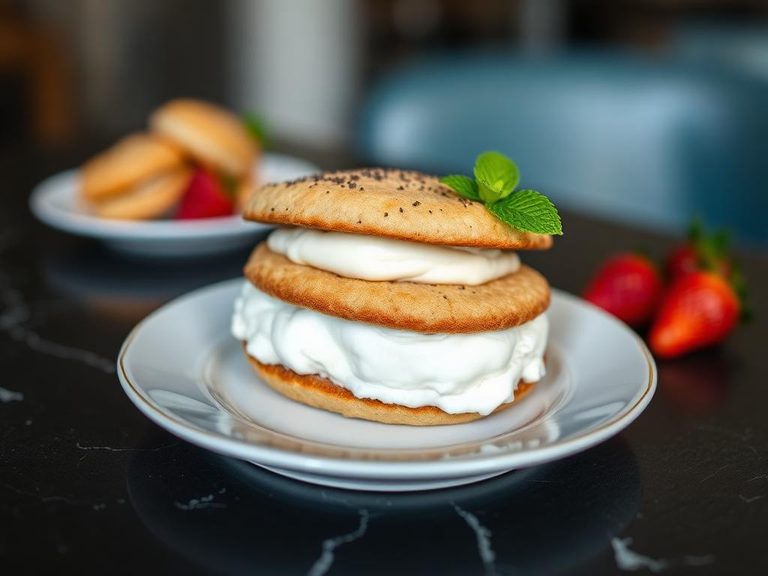
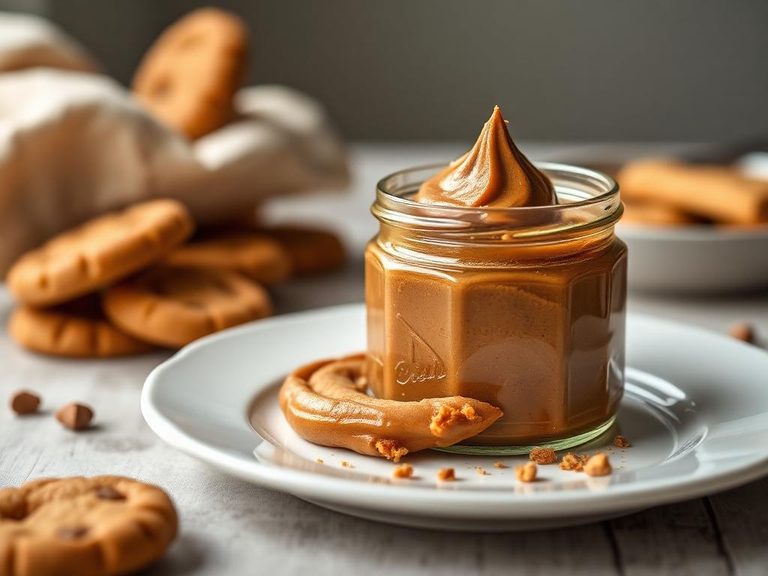
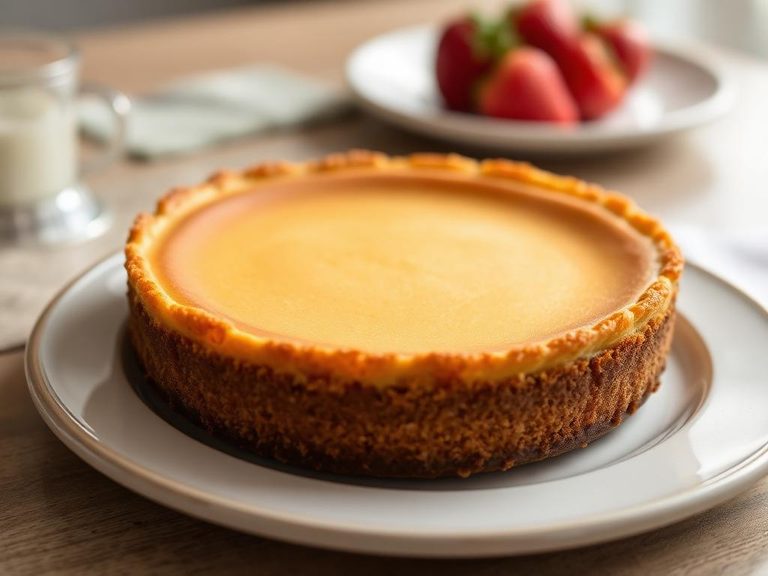
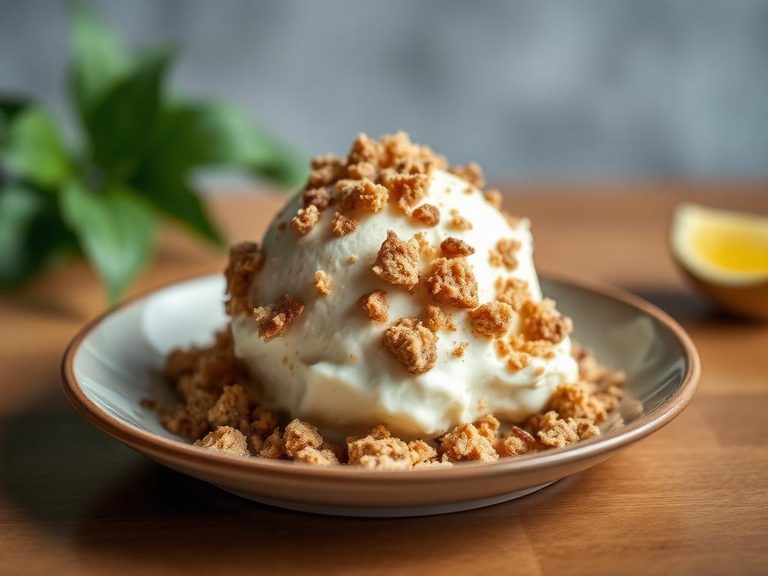
🌍 Where it's eaten
💡 Did you know?
The iconic Oreo, a prime example of this cookie type, was first sold in 1912 and its design is said to be inspired by the ornate facade of the New York City headquarters of the National Biscuit Company.
Full nutrition (USDA data · scales with serving)
| Water | 2.2 g |
| Energy | 483 kcal |
| Protein | 4.5 g |
| Total lipid (fat) | 20.0 g |
| Carbohydrate, by difference | 72.1 g |
| Fiber, total dietary | 1.5 g |
| Total Sugars | 39.3 g |
| Calcium, Ca | 27.0 mg |
| Iron, Fe | 2.2 mg |
| Magnesium, Mg | 14.0 mg |
| Phosphorus, P | 75.0 mg |
| Potassium, K | 91.0 mg |
| Sodium, Na | 388 mg |
| Zinc, Zn | 0.40 mg |
| Copper, Cu | 0.11 mg |
| Selenium, Se | 3.0 ug |
| Vitamin C, total ascorbic acid | 0.00 mg |
| Thiamin | 0.26 mg |
| Riboflavin | 0.24 mg |
| Niacin | 2.7 mg |
| Vitamin B-6 | 0.02 mg |
| Folate, total | 50.0 ug |
| Folic acid | 46.0 ug |
| Folate, food | 4.0 ug |
| Folate, DFE | 82.0 ug |
| Choline, total | 4.1 mg |
| Vitamin B-12 | 0.00 ug |
| Vitamin B-12, added | 0.00 ug |
| Vitamin A, RAE | 0.00 ug |
| Retinol | 0.00 ug |
| Carotene, beta | 0.00 ug |
| Carotene, alpha | 0.00 ug |
| Cryptoxanthin, beta | 0.00 ug |
| Lycopene | 0.00 ug |
| Lutein + zeaxanthin | 1.0 ug |
| Vitamin E (alpha-tocopherol) | 1.6 mg |
| Vitamin E, added | 0.00 mg |
| Vitamin D (D2 + D3) | 0.00 ug |
| Vitamin K (phylloquinone) | 5.0 ug |
| Alcohol, ethyl | 0.00 g |
| Caffeine | 0.00 mg |
| Theobromine | 0.00 mg |
Fat & fatty acid profile (per 100g)
| Fatty acids, total saturated | 3.0 g |
| SFA 4:0 | 0.00 g |
| SFA 6:0 | 0.00 g |
| SFA 8:0 | 0.00 g |
| SFA 10:0 | 0.00 g |
| SFA 12:0 | 0.00 g |
| SFA 14:0 | 0.02 g |
| SFA 16:0 | 2.0 g |
| SFA 18:0 | 0.98 g |
| Fatty acids, total monounsaturated | 8.4 g |
| MUFA 16:1 | 0.08 g |
| MUFA 18:1 | 8.3 g |
| MUFA 20:1 | 0.00 g |
| MUFA 22:1 | 0.00 g |
| Fatty acids, total polyunsaturated | 7.6 g |
| PUFA 18:2 | 7.0 g |
| PUFA 18:3 | 0.52 g |
| PUFA 18:4 | 0.00 g |
| PUFA 20:4 | 0.00 g |
| PUFA 20:5 n-3 (EPA) | 0.00 g |
| PUFA 22:5 n-3 (DPA) | 0.00 g |
| PUFA 22:6 n-3 (DHA) | 0.00 g |
| Cholesterol | 0.00 mg |
Amino acid profile (per 100g)
Estimated from Pie Crust, Cookie-type, Chocolate, Ready Crust — USDA does not publish this profile for Cookie.
| Tryptophan | 0.08 g |
| Threonine | 0.20 g |
| Isoleucine | 0.23 g |
| Leucine | 0.38 g |
| Lysine | 0.24 g |
| Methionine | 0.07 g |
| Cystine | 0.11 g |
| Phenylalanine | 0.28 g |
| Tyrosine | 0.16 g |
| Valine | 0.32 g |
| Arginine | 0.29 g |
| Histidine | 0.11 g |
| Alanine | 0.24 g |
| Aspartic acid | 0.45 g |
| Glutamic acid | 1.3 g |
| Glycine | 0.24 g |
| Proline | 0.42 g |
| Serine | 0.26 g |
FAQ
What is the main difference between a sandwich cookie and a regular cookie?
The defining feature is the filling. A sandwich cookie consists of two separate cookies with a layer of cream, frosting, or jam between them, creating a distinct three-part structure.
Why do sandwich cookies often have a design or pattern on the cookie part?
The pattern serves multiple purposes: it increases surface area for a crispier texture, helps the cookie bake evenly, and creates a signature brand identity (like the Oreo's pattern).
Can sandwich cookies be used in baking recipes?
Absolutely. They are commonly crushed to make pie crusts, cheesecake bases, or used as a mix-in for ice cream and brownies, adding both flavor and texture.
Nutrient density (calculated · NRF9.3)
Nutrient Rich Foods index: beneficial nutrients (protein, fiber, vitamins, minerals) minus saturated fat, added sugar & sodium, per 100 kcal.
NRF9.3 index — Fulgoni, Keast & Drewnowski, 2009. Computed from USDA nutrients.
Weight-loss friendliness (composite index)
Energy density 4.83 kcal/g · 4% calories from protein · 1.5 g fiber · 39.3 g sugar per 100 g.
Composite of energy density (Rolls et al., 1999), protein & fiber satiety, minus sugar. A calculated heuristic — ranks satiety-per-calorie, not a clinical measure.
Dietary load (calculated from USDA values)
Potential renal acid load. Positive = acid-forming, negative = alkaline-forming.
Sodium-to-potassium ratio: 4.26 (lower is better — aim for ≤ 1)
Sodium:potassium per WHO potassium guidance. Computed from USDA nutrients.