

Cheesecake Crust
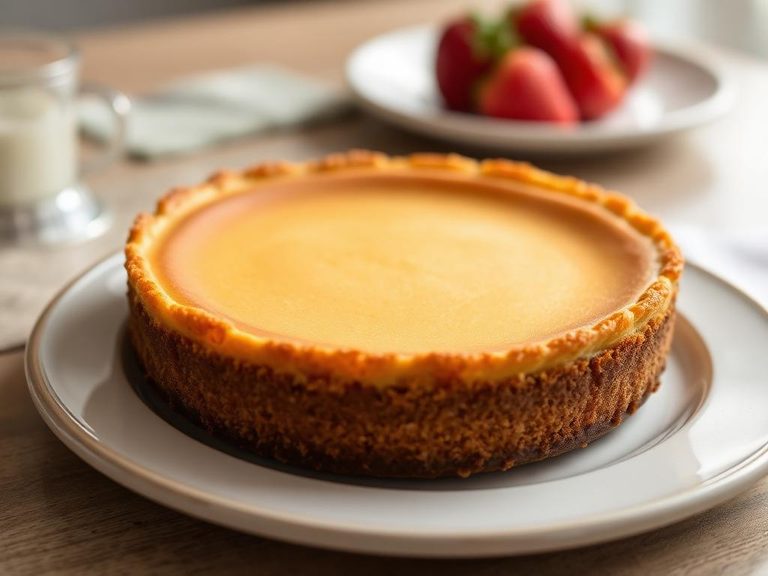
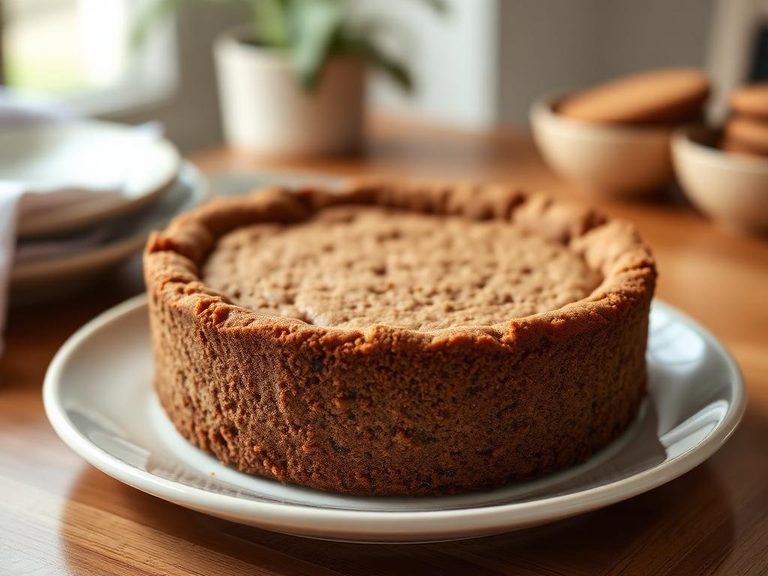
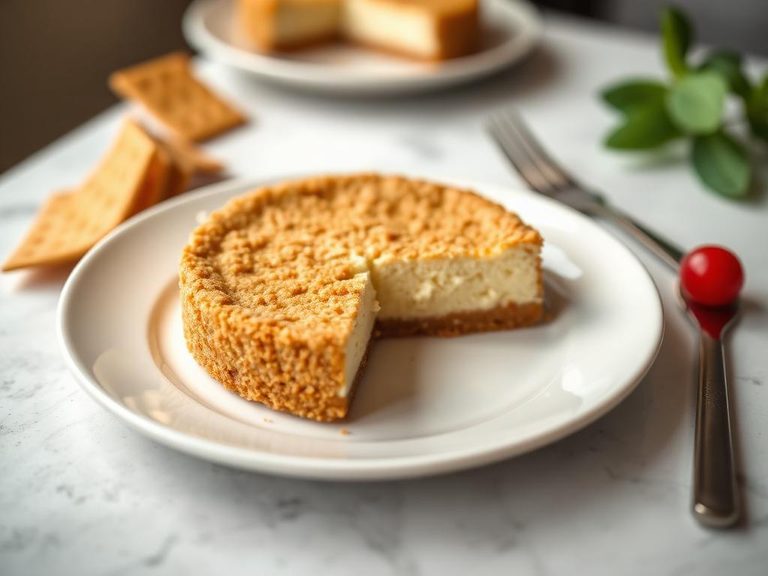
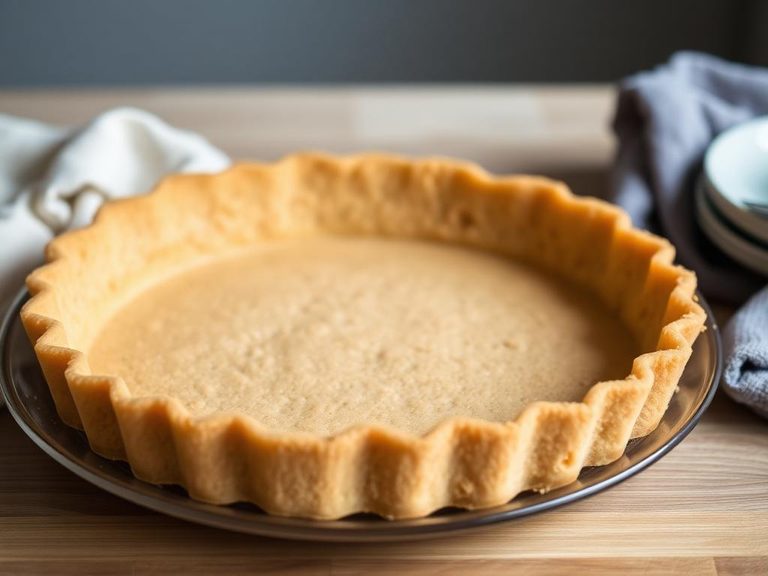
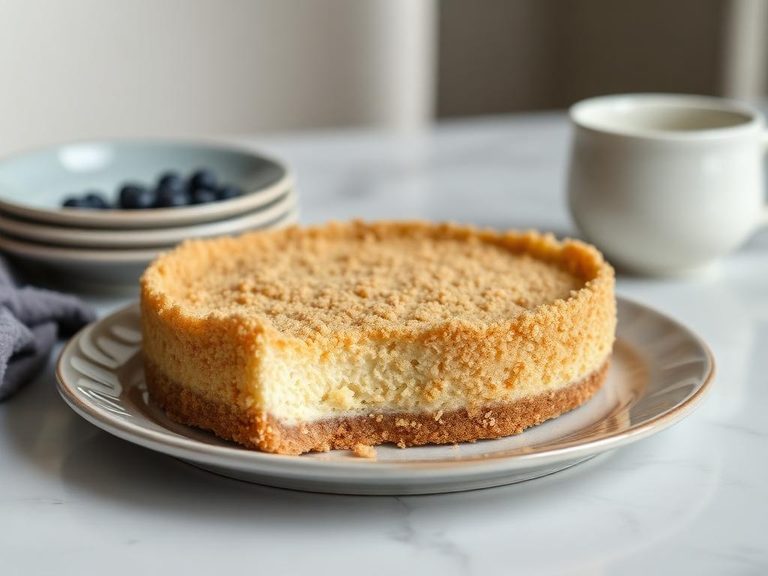
Cheesecake crust is the foundational base for a cheesecake, typically made from crushed graham crackers, digestive biscuits, or cookies mixed with melted butter and sometimes sugar. This simple mixture is pressed into a springform pan to create a firm, crumbly layer that supports the creamy filling. While its origins are tied to the development of modern cheesecake in the United States, variations exist globally using different biscuits or nuts.
🍳 View the full Cheesecake Crust recipe →
🍽️ Nutrition at a glance
The crust is high in carbohydrates and fat, primarily from the butter and the flour or oats in the biscuits. It provides a quick source of energy and some dietary fiber, especially if whole-grain or nut-based crusts are used. A typical serving contributes roughly 100-150 calories, depending on thickness and ingredients.
Nutrition breakdown
| Calories | 480 kcal |
| Protein | 7 g |
| Carbs | 45 g |
| Fat | 32 g |
| Fiber | 1.5 g |
| Sugar | 20 g |
| Sodium | 380 mg |
| Calcium | 80 mg |
| Iron | 2.5 mg |
| Magnesium | 25 mg |
| Phosphorus | 100 mg |
| Potassium | 120 mg |
| Zinc | 1.2 mg |
| Vitamin A | 200 IU |
| Folate | 40 µg |
Per 1 crust (about 100 g) · estimated, varies by recipe
💡 What's interesting
Culturally, the graham cracker crust became iconic in American baking due to the 19th-century health food movement, which promoted graham flour as a wholesome ingredient. Nutritionally, it's a clever way to add texture and a toasty, buttery contrast to the rich, tangy filling, making it a beloved structural and flavor component rather than just a base.
🍽️ Related dishes

AI estimate may be inaccurate · Terms