

Coconut water, unsweetened
Common food

Photo: Wikipedia
Coconut water is the clear, slightly sweet liquid tapped from young, green coconuts. It has a light, watery texture with a subtle nutty, floral flavor. Nutritionally, it's a low-calorie, naturally hydrating beverage rich in potassium.
Calorie split: 5% protein · 95% carbs · 0% fat
↓ Full nutrition💚 Why it's loved
People love it for its refreshing, subtly sweet taste that feels like a tropical treat. It's prized as a natural sports drink and a versatile base for smoothies, cocktails, and marinades.
⚠️ Watch-outs & how to enjoy it better
The natural sugars can cause a blood-sugar spike if consumed in large quantities, especially for those with diabetes. It can also be high in potassium, which may be a concern for individuals with kidney disease. Tip: Pair it with a source of protein or healthy fat (like nuts) to slow sugar absorption, and practice portion control.
Key benefits
- Excellent source of electrolytes like potassium and magnesium
- Naturally low in calories and fat-free
- Provides quick hydration and natural sugars for energy
- Contains antioxidants that may combat oxidative stress
🍽️ Popular dishes
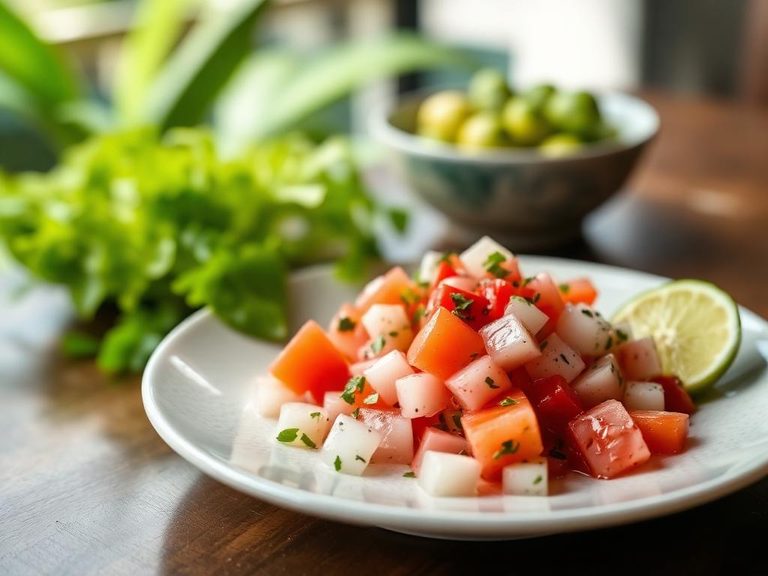
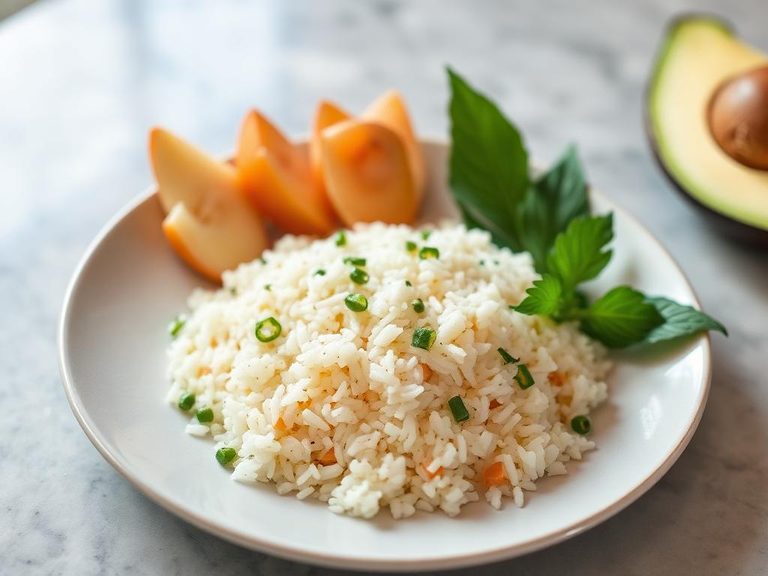
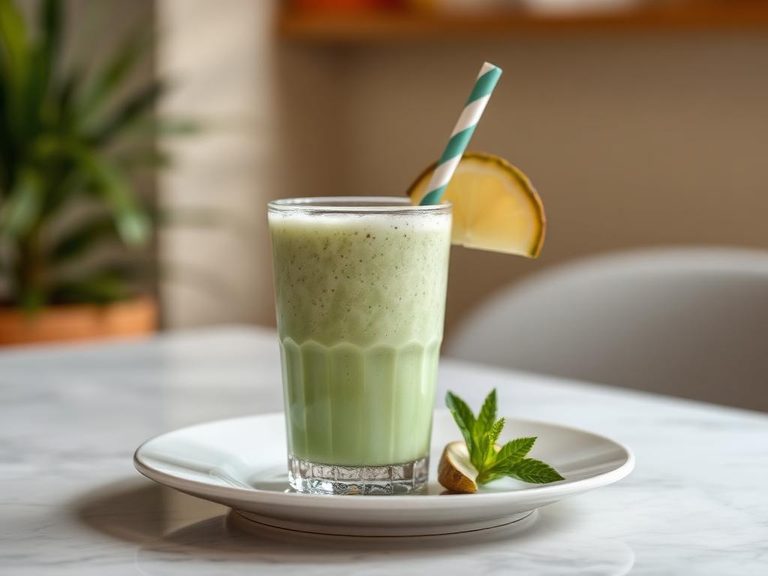
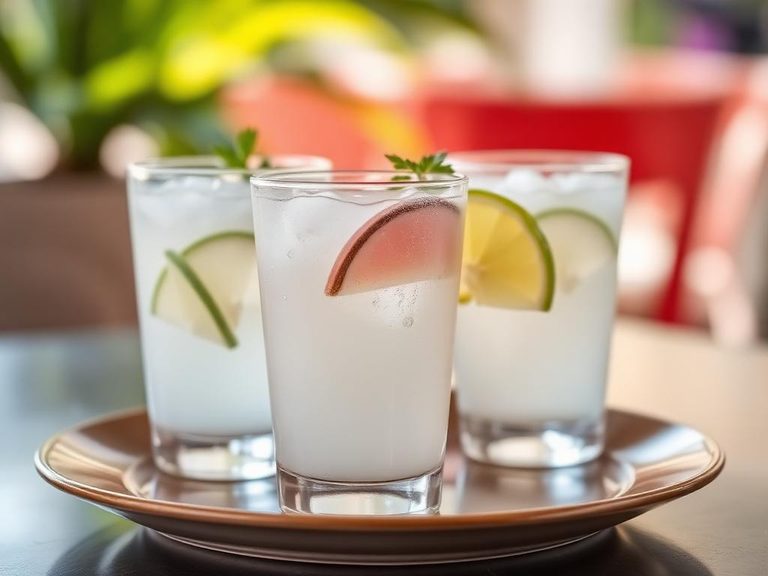
🌍 Where it's eaten
💡 Did you know?
During World War II and the Vietnam War, coconut water was sometimes used as a short-term intravenous hydration fluid in emergency situations when saline was unavailable.
Full nutrition (USDA data · scales with serving)
| Water | 95.0 g |
| Energy | 18.0 kcal |
| Protein | 0.22 g |
| Total lipid (fat) | 0.00 g |
| Carbohydrate, by difference | 4.2 g |
| Fiber, total dietary | 0.00 g |
| Total Sugars | 3.9 g |
| Calcium, Ca | 7.0 mg |
| Iron, Fe | 0.03 mg |
| Magnesium, Mg | 6.0 mg |
| Phosphorus, P | 5.0 mg |
| Potassium, K | 165 mg |
| Sodium, Na | 26.0 mg |
| Zinc, Zn | 0.02 mg |
| Copper, Cu | 0.01 mg |
| Selenium, Se | 0.00 ug |
| Vitamin C, total ascorbic acid | 9.9 mg |
| Thiamin | 0.03 mg |
| Riboflavin | 0.00 mg |
| Niacin | 0.00 mg |
| Vitamin B-6 | 0.00 mg |
| Folate, total | 0.00 ug |
| Folic acid | 0.00 ug |
| Folate, food | 0.00 ug |
| Folate, DFE | 0.00 ug |
| Choline, total | 0.00 mg |
| Vitamin B-12 | 0.00 ug |
| Vitamin B-12, added | 0.00 ug |
| Vitamin A, RAE | 0.00 ug |
| Retinol | 0.00 ug |
| Carotene, beta | 0.00 ug |
| Carotene, alpha | 0.00 ug |
| Cryptoxanthin, beta | 0.00 ug |
| Lycopene | 0.00 ug |
| Lutein + zeaxanthin | 0.00 ug |
| Vitamin E (alpha-tocopherol) | 0.00 mg |
| Vitamin E, added | 0.00 mg |
| Vitamin D (D2 + D3) | 0.00 ug |
| Vitamin K (phylloquinone) | 0.00 ug |
| Alcohol, ethyl | 0.00 g |
| Caffeine | 0.00 mg |
| Theobromine | 0.00 mg |
Fat & fatty acid profile (per 100g)
| Fatty acids, total saturated | 0.00 g |
| SFA 4:0 | 0.00 g |
| SFA 6:0 | 0.00 g |
| SFA 8:0 | 0.00 g |
| SFA 10:0 | 0.00 g |
| SFA 12:0 | 0.00 g |
| SFA 14:0 | 0.00 g |
| SFA 16:0 | 0.00 g |
| SFA 18:0 | 0.00 g |
| Fatty acids, total monounsaturated | 0.00 g |
| MUFA 16:1 | 0.00 g |
| MUFA 18:1 | 0.00 g |
| MUFA 20:1 | 0.00 g |
| MUFA 22:1 | 0.00 g |
| Fatty acids, total polyunsaturated | 0.00 g |
| PUFA 18:2 | 0.00 g |
| PUFA 18:3 | 0.00 g |
| PUFA 18:4 | 0.00 g |
| PUFA 20:4 | 0.00 g |
| PUFA 20:5 n-3 (EPA) | 0.00 g |
| PUFA 22:5 n-3 (DPA) | 0.00 g |
| PUFA 22:6 n-3 (DHA) | 0.00 g |
| Cholesterol | 0.00 mg |
Amino acid profile (per 100g)
Estimated from Nuts, coconut meat, dried (desiccated), sweetened, shredded — USDA does not publish this profile for Coconut water.
| Tryptophan | 0.03 g |
| Threonine | 0.10 g |
| Isoleucine | 0.11 g |
| Leucine | 0.21 g |
| Lysine | 0.13 g |
| Methionine | 0.05 g |
| Cystine | 0.06 g |
| Phenylalanine | 0.15 g |
| Tyrosine | 0.09 g |
| Valine | 0.17 g |
| Arginine | 0.47 g |
| Histidine | 0.07 g |
| Alanine | 0.15 g |
| Aspartic acid | 0.28 g |
| Glutamic acid | 0.66 g |
| Glycine | 0.14 g |
| Proline | 0.12 g |
| Serine | 0.15 g |
FAQ
Is coconut water the same as coconut milk?
No. Coconut water is the clear liquid from inside young coconuts. Coconut milk is made by grating and pressing the meat of mature coconuts, resulting in a thick, high-fat cream.
Is it a good sports drink?
Yes, for moderate exercise. Its natural electrolytes, especially potassium, help with rehydration. However, for intense, prolonged activity, it may lack sufficient sodium compared to specialized sports drinks.
Can I drink it every day?
For most healthy adults, yes, in moderation (e.g., one cup). Due to its calorie and sugar content, it's best viewed as a hydrating beverage or treat rather than a plain water replacement.
Nutrient density (calculated · NRF9.3)
Nutrient Rich Foods index: beneficial nutrients (protein, fiber, vitamins, minerals) minus saturated fat, added sugar & sodium, per 100 kcal.
NRF9.3 index — Fulgoni, Keast & Drewnowski, 2009. Computed from USDA nutrients.
Weight-loss friendliness (composite index)
Energy density 0.18 kcal/g · 5% calories from protein · 0.0 g fiber · 3.9 g sugar per 100 g.
Composite of energy density (Rolls et al., 1999), protein & fiber satiety, minus sugar. A calculated heuristic — ranks satiety-per-calorie, not a clinical measure.
Dietary load (calculated from USDA values)
Potential renal acid load. Positive = acid-forming, negative = alkaline-forming.
Sodium-to-potassium ratio: 0.16 (lower is better — aim for ≤ 1)
Sodium:potassium per WHO potassium guidance. Computed from USDA nutrients.