

Chili, vegetarian
Common food

Photo: Wikipedia
A hearty, savory stew built on a foundation of beans, tomatoes, and chili peppers, delivering a complex, warming flavor with a thick, chunky texture. Nutritionally, it's a fiber-rich, plant-based powerhouse, offering substantial protein and complex carbs with very little fat, making it a satisfying and energy-dense meal.
Calorie split: 21% protein · 62% carbs · 18% fat
↓ Full nutrition💚 Why it's loved
People adore its deeply satisfying, customizable warmth and the way it brings a sense of communal comfort to any table. Its bold, spicy-savory flavor profile and incredible versatility make it a beloved staple for everything from quick weeknight dinners to game-day feasts.
⚠️ Watch-outs & how to enjoy it better
Its high fiber and bean content can cause digestive discomfort or gas for some, especially those not accustomed to legumes. The common use of canned tomatoes and added salt can result in high sodium, and the spice level can be an irritant for sensitive stomachs. To counteract, choose low-sodium canned goods, rinse beans thoroughly, start with mild chili powder, and pair with a cooling dollop of Greek yogurt or avocado.
Key benefits
- Excellent source of dietary fiber for digestive health.
- Provides complete plant-based protein when beans are combined with grains.
- Low in fat and cholesterol-free.
- Rich in antioxidants from tomatoes and chili peppers.
- High in iron and other essential minerals from legumes.
🍽️ Popular dishes
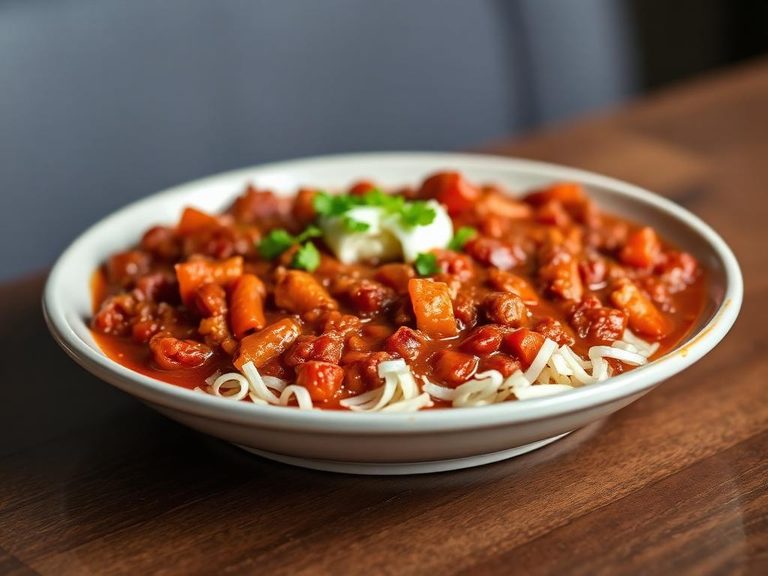
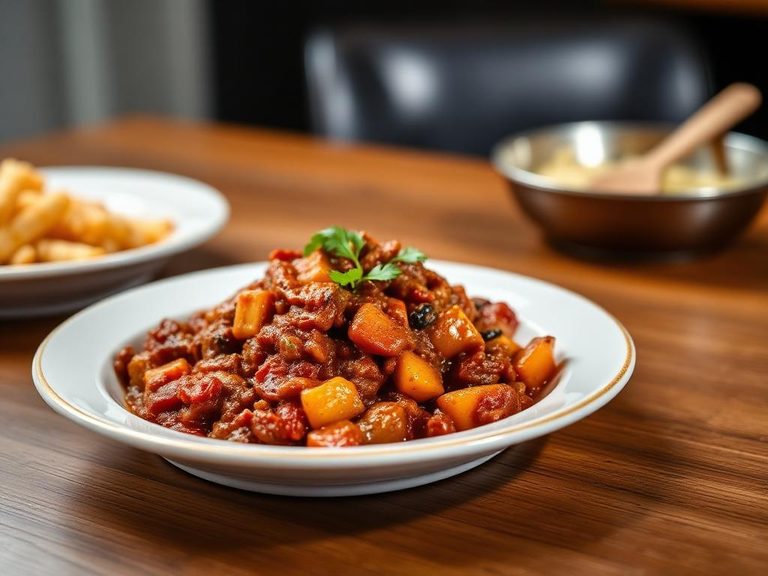
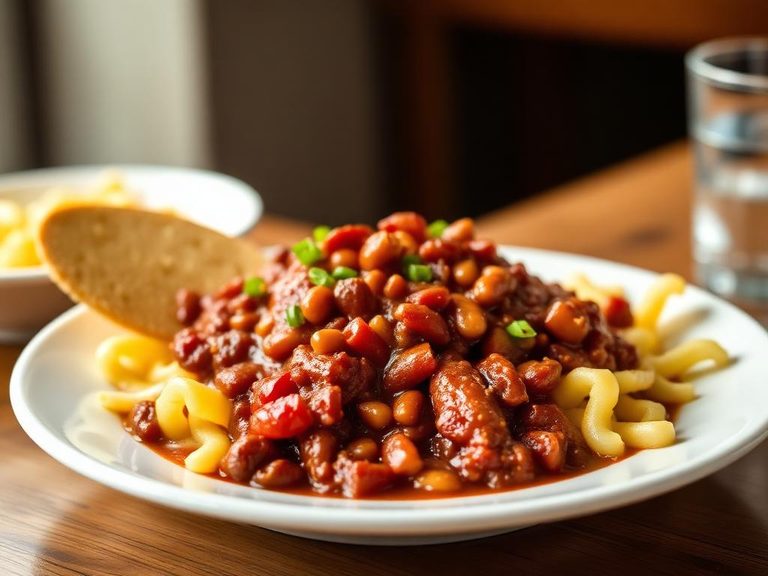
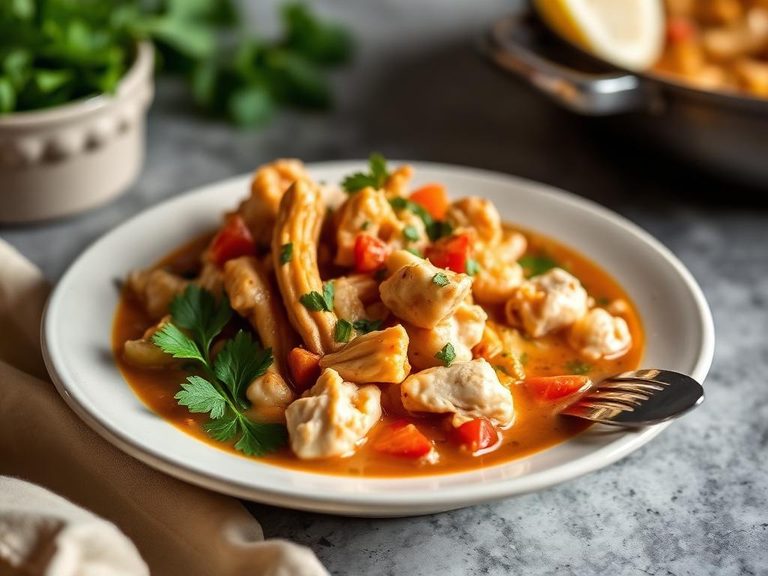
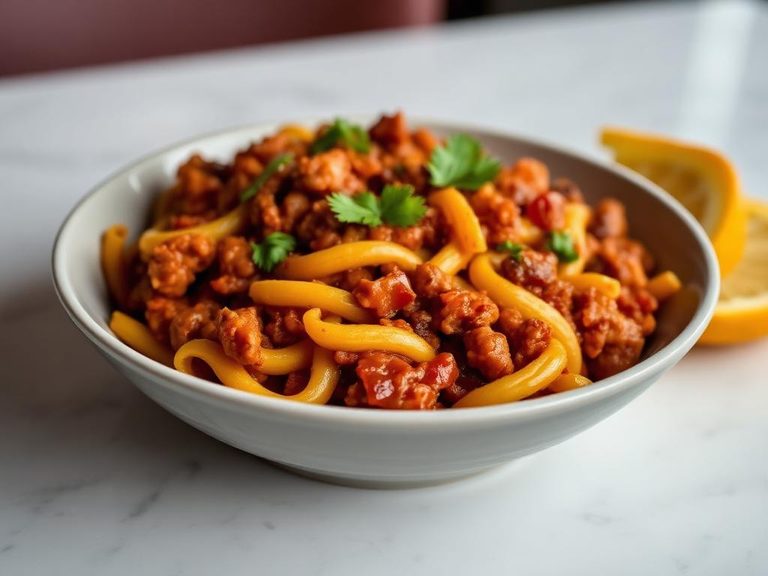
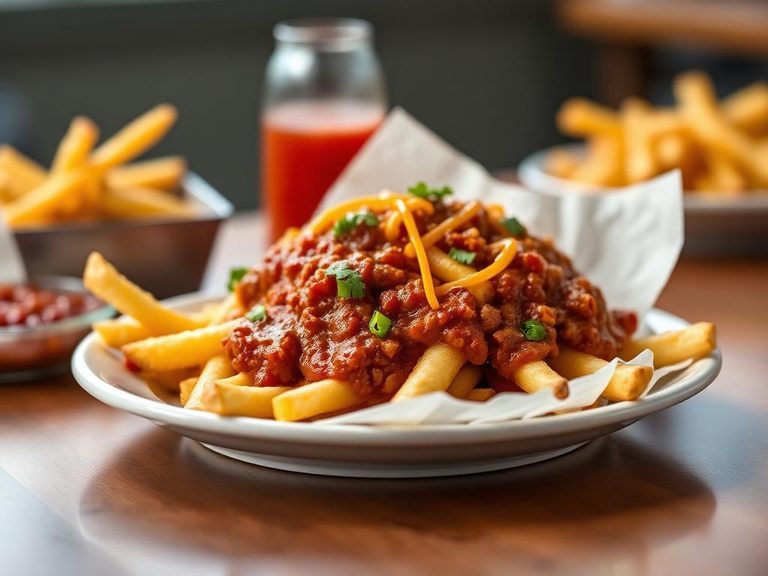
🌍 Where it's eaten
💡 Did you know?
The International Chili Cook-Off (ICCO) in Terlingua, Texas, is a legendary, no-holds-barred competition where judges taste entries blind and the rules famously state that 'beans and tomatoes are not chili.'
Full nutrition (USDA data · scales with serving)
| Water | 70.7 g |
| Energy | 119 kcal |
| Protein | 6.3 g |
| Total lipid (fat) | 2.4 g |
| Carbohydrate, by difference | 18.9 g |
| Fiber, total dietary | 6.0 g |
| Total Sugars | 1.6 g |
| Calcium, Ca | 31.0 mg |
| Iron, Fe | 2.0 mg |
| Magnesium, Mg | 36.0 mg |
| Phosphorus, P | 105 mg |
| Potassium, K | 351 mg |
| Sodium, Na | 316 mg |
| Zinc, Zn | 0.76 mg |
| Copper, Cu | 0.19 mg |
| Selenium, Se | 2.7 ug |
| Vitamin C, total ascorbic acid | 6.4 mg |
| Thiamin | 0.13 mg |
| Riboflavin | 0.06 mg |
| Niacin | 0.54 mg |
| Vitamin B-6 | 0.16 mg |
| Folate, total | 105 ug |
| Folic acid | 0.00 ug |
| Folate, food | 105 ug |
| Folate, DFE | 105 ug |
| Choline, total | 24.8 mg |
| Vitamin B-12 | 0.00 ug |
| Vitamin B-12, added | 0.00 ug |
| Vitamin A, RAE | 11.0 ug |
| Retinol | 0.00 ug |
| Carotene, beta | 112 ug |
| Carotene, alpha | 11.0 ug |
| Cryptoxanthin, beta | 17.0 ug |
| Lycopene | 2096 ug |
| Lutein + zeaxanthin | 18.0 ug |
| Vitamin E (alpha-tocopherol) | 1.1 mg |
| Vitamin E, added | 0.00 mg |
| Vitamin D (D2 + D3) | 0.00 ug |
| Vitamin K (phylloquinone) | 7.2 ug |
| Alcohol, ethyl | 0.00 g |
| Caffeine | 0.00 mg |
| Theobromine | 0.00 mg |
Fat & fatty acid profile (per 100g)
| Fatty acids, total saturated | 0.35 g |
| SFA 4:0 | 0.00 g |
| SFA 6:0 | 0.00 g |
| SFA 8:0 | 0.00 g |
| SFA 10:0 | 0.00 g |
| SFA 12:0 | 0.00 g |
| SFA 14:0 | 0.00 g |
| SFA 16:0 | 0.27 g |
| SFA 18:0 | 0.06 g |
| Fatty acids, total monounsaturated | 0.89 g |
| MUFA 16:1 | 0.01 g |
| MUFA 18:1 | 0.87 g |
| MUFA 20:1 | 0.01 g |
| MUFA 22:1 | 0.00 g |
| Fatty acids, total polyunsaturated | 0.96 g |
| PUFA 18:2 | 0.77 g |
| PUFA 18:3 | 0.19 g |
| PUFA 18:4 | 0.00 g |
| PUFA 20:4 | 0.00 g |
| PUFA 20:5 n-3 (EPA) | 0.00 g |
| PUFA 22:5 n-3 (DPA) | 0.00 g |
| PUFA 22:6 n-3 (DHA) | 0.00 g |
| Cholesterol | 0.00 mg |
Amino acid profile (per 100g)
Estimated from APPLEBEE'S, chili — USDA does not publish this profile for Chili.
| Tryptophan | 0.14 g |
| Threonine | 0.40 g |
| Isoleucine | 0.56 g |
| Leucine | 0.93 g |
| Lysine | 0.84 g |
| Methionine | 0.28 g |
| Cystine | 0.12 g |
| Phenylalanine | 0.47 g |
| Tyrosine | 0.34 g |
| Valine | 0.64 g |
| Arginine | 0.77 g |
| Histidine | 0.37 g |
| Alanine | 0.79 g |
| Aspartic acid | 1.2 g |
| Glutamic acid | 2.1 g |
| Glycine | 0.83 g |
| Proline | 0.85 g |
| Serine | 0.37 g |
| Hydroxyproline | 0.24 g |
FAQ
Can I freeze vegetarian chili?
Yes, it freezes exceptionally well for up to 3 months. Let it cool completely, then store in airtight containers or freezer bags, leaving some headspace for expansion.
How can I make it thicker?
Simmer uncovered to reduce liquid, mash some of the beans against the side of the pot, or stir in a tablespoon of tomato paste or masa harina (corn flour) mixed with a little water.
What's the best way to adjust the spice level?
Control heat with the type of chili powder and fresh peppers. For milder chili, use ancho or pasilla powder and remove seeds from fresh chilies. For more heat, add cayenne, habanero, or leave seeds in jalapeños.
Nutrient density (calculated · NRF9.3)
Nutrient Rich Foods index: beneficial nutrients (protein, fiber, vitamins, minerals) minus saturated fat, added sugar & sodium, per 100 kcal.
NRF9.3 index — Fulgoni, Keast & Drewnowski, 2009. Computed from USDA nutrients.
Weight-loss friendliness (composite index)
Energy density 1.19 kcal/g · 21% calories from protein · 6.0 g fiber · 1.6 g sugar per 100 g.
Composite of energy density (Rolls et al., 1999), protein & fiber satiety, minus sugar. A calculated heuristic — ranks satiety-per-calorie, not a clinical measure.
Dietary load (calculated from USDA values)
Potential renal acid load. Positive = acid-forming, negative = alkaline-forming.
Sodium-to-potassium ratio: 0.90 (lower is better — aim for ≤ 1)
Sodium:potassium per WHO potassium guidance. Computed from USDA nutrients.