

Chicken tenders or strips, breaded, from frozen
Common food
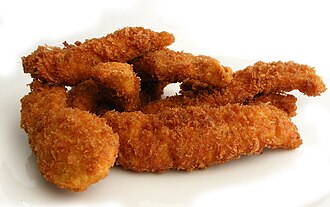
Photo: Wikipedia
These are pre-breaded, frozen chicken strips designed for quick cooking, offering a satisfyingly crunchy golden-brown exterior that gives way to tender, juicy white meat inside. Nutritionally, they provide a solid protein punch (14.62g per 100g) but are also a significant source of fat (13.58g) and carbohydrates (14.86g) from the breading, making them a calorie-dense, energy-rich food.
Calorie split: 24% protein · 25% carbs · 51% fat
↓ Full nutrition💚 Why it's loved
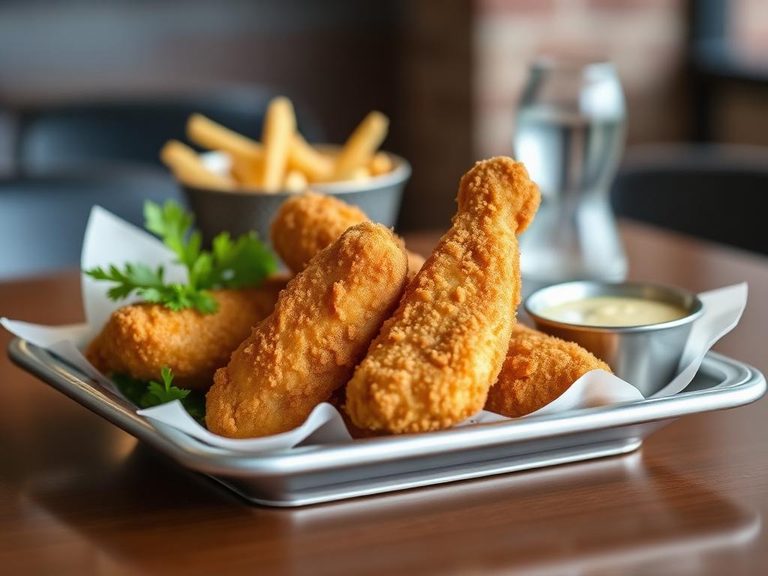
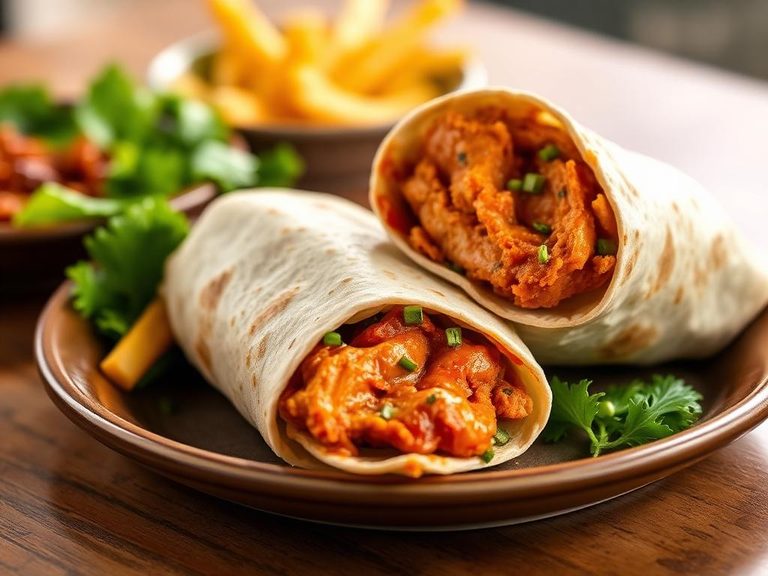
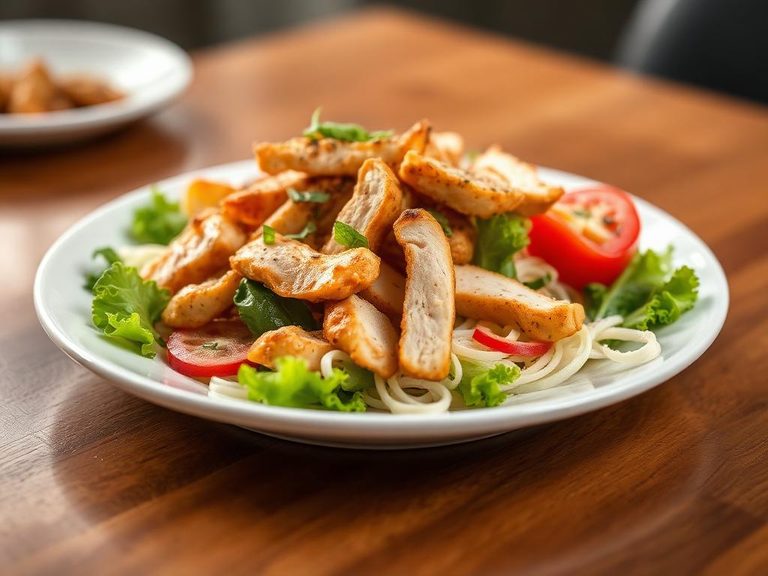
People love them for their universally appealing combination of a shatteringly crisp coating and mild, juicy chicken, making them a nostalgic comfort food. Their ultimate versatility—from a standalone snack with dipping sauces to a salad topper or sandwich filling—secures their place in casual dining.
⚠️ Watch-outs & how to enjoy it better
The primary downsides are the high fat and refined carbohydrate content from frying and breading, which can contribute to blood sugar spikes and excess calorie intake. Those watching sodium or gluten intake should be cautious; to counteract, pair with fiber-rich vegetables or a fresh salad to slow digestion, practice strict portion control (e.g., 3-4 strips), and opt for baking or air-frying instead of deep-frying to reduce added oil.
Key benefits
- High in protein for muscle maintenance and satiety
- Extremely convenient and fast to prepare from frozen
- Consistent texture and flavor for reliable results
- A kid-friendly and crowd-pleasing staple
- Versatile base for various sauces and dipping styles
🍽️ Popular dishes
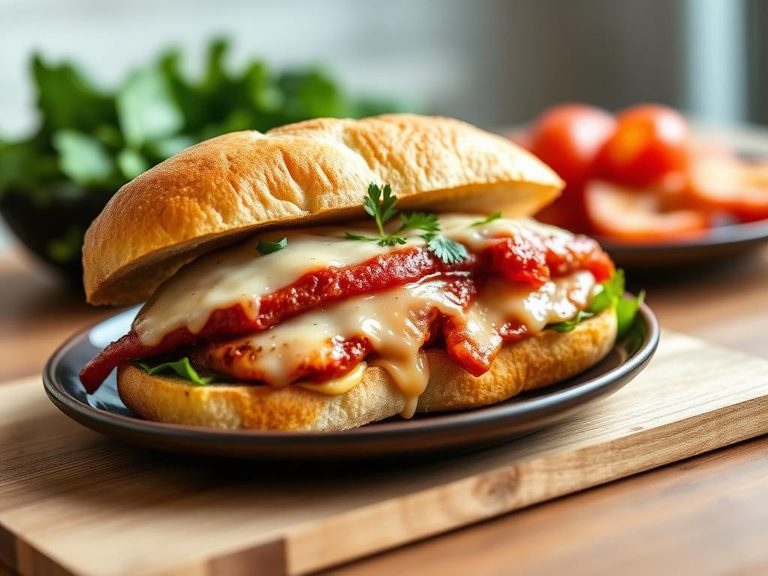
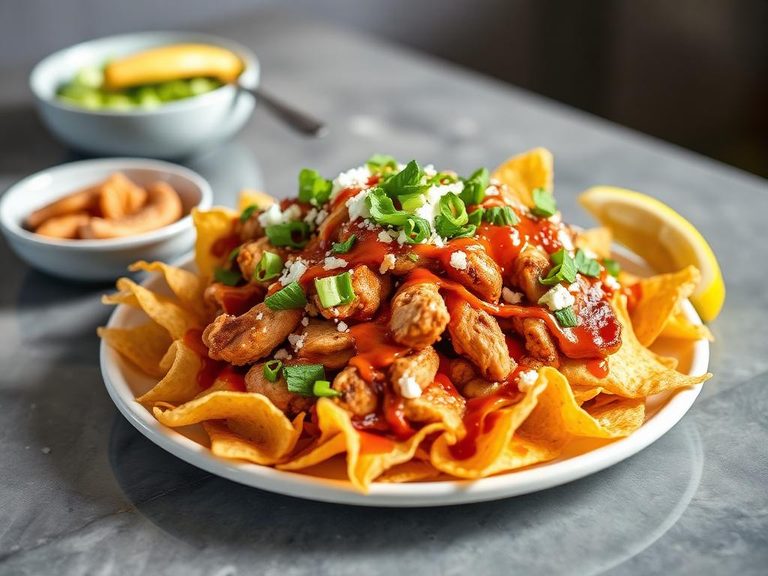
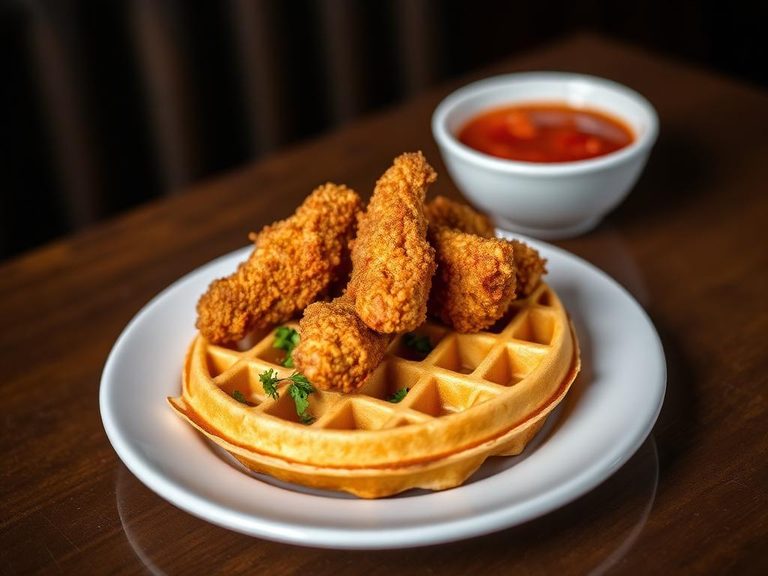
🌍 Where it's eaten
💡 Did you know?
The modern chicken tender is believed to have originated in the 1970s at a restaurant in Manchester, New Hampshire, which claimed to have invented the dish using the pectoralis minor muscle, a tender strip of meat found under the breast.
Full nutrition (USDA data · scales with serving)
| Water | 54.8 g |
| Energy | 240 kcal |
| Protein | 14.6 g |
| Total lipid (fat) | 13.6 g |
| Carbohydrate, by difference | 14.9 g |
| Fiber, total dietary | 1.7 g |
| Total Sugars | 0.57 g |
| Calcium, Ca | 39.0 mg |
| Iron, Fe | 0.84 mg |
| Magnesium, Mg | 29.0 mg |
| Phosphorus, P | 200 mg |
| Potassium, K | 281 mg |
| Sodium, Na | 527 mg |
| Zinc, Zn | 0.61 mg |
| Copper, Cu | 0.09 mg |
| Selenium, Se | 19.3 ug |
| Vitamin C, total ascorbic acid | 0.50 mg |
| Thiamin | 0.13 mg |
| Riboflavin | 0.06 mg |
| Niacin | 5.9 mg |
| Vitamin B-6 | 0.34 mg |
| Folate, total | 28.0 ug |
| Folic acid | 7.0 ug |
| Folate, food | 20.0 ug |
| Folate, DFE | 33.0 ug |
| Choline, total | 46.2 mg |
| Vitamin B-12 | 0.18 ug |
| Vitamin B-12, added | 0.00 ug |
| Vitamin A, RAE | 7.0 ug |
| Retinol | 5.0 ug |
| Carotene, beta | 9.0 ug |
| Carotene, alpha | 0.00 ug |
| Cryptoxanthin, beta | 7.0 ug |
| Lycopene | 0.00 ug |
| Lutein + zeaxanthin | 44.0 ug |
| Vitamin E (alpha-tocopherol) | 2.2 mg |
| Vitamin E, added | 0.00 mg |
| Vitamin D (D2 + D3) | 0.10 ug |
| Vitamin K (phylloquinone) | 17.7 ug |
| Alcohol, ethyl | 0.00 g |
| Caffeine | 0.00 mg |
| Theobromine | 0.00 mg |
Fat & fatty acid profile (per 100g)
| Fatty acids, total saturated | 2.4 g |
| SFA 4:0 | 0.00 g |
| SFA 6:0 | 0.00 g |
| SFA 8:0 | 0.00 g |
| SFA 10:0 | 0.01 g |
| SFA 12:0 | 0.01 g |
| SFA 14:0 | 0.03 g |
| SFA 16:0 | 1.8 g |
| SFA 18:0 | 0.46 g |
| Fatty acids, total monounsaturated | 4.1 g |
| MUFA 16:1 | 0.18 g |
| MUFA 18:1 | 3.8 g |
| MUFA 20:1 | 0.07 g |
| MUFA 22:1 | 0.00 g |
| Fatty acids, total polyunsaturated | 6.2 g |
| PUFA 18:2 | 5.8 g |
| PUFA 18:3 | 0.36 g |
| PUFA 18:4 | 0.00 g |
| PUFA 20:4 | 0.03 g |
| PUFA 20:5 n-3 (EPA) | 0.00 g |
| PUFA 22:5 n-3 (DPA) | 0.00 g |
| PUFA 22:6 n-3 (DHA) | 0.00 g |
| Cholesterol | 36.0 mg |
Amino acid profile (per 100g)
Estimated from APPLEBEE'S, chicken tenders, from kids' menu — USDA does not publish this profile for Chicken tenders or strips.
| Tryptophan | 0.20 g |
| Threonine | 0.58 g |
| Isoleucine | 0.95 g |
| Leucine | 1.5 g |
| Lysine | 1.3 g |
| Methionine | 0.49 g |
| Cystine | 0.23 g |
| Phenylalanine | 0.76 g |
| Tyrosine | 0.51 g |
| Valine | 1.1 g |
| Arginine | 1.1 g |
| Histidine | 0.68 g |
| Alanine | 1.0 g |
| Aspartic acid | 1.7 g |
| Glutamic acid | 3.3 g |
| Glycine | 0.79 g |
| Proline | 1.2 g |
| Serine | 0.58 g |
| Hydroxyproline | 0.03 g |
FAQ
What's the best way to cook frozen chicken tenders for maximum crispiness?
For the crispiest texture, bake them on a wire rack over a baking sheet at 400°F (200°C) or use an air fryer, flipping halfway through. This allows hot air to circulate and prevents a soggy bottom.
Are chicken tenders and chicken strips the same thing?
Yes, the terms are generally used interchangeably in commercial and culinary contexts. Both refer to breaded and cooked pieces of chicken breast meat, specifically the tenderloin.
How can I make frozen chicken tenders healthier?
Choose brands with shorter ingredient lists and less sodium. Cook them in an air fryer or oven instead of frying. Serve them with a side of roasted vegetables or a large salad instead of fries to increase fiber and nutrient intake.
Nutrient density (calculated · NRF9.3)
Nutrient Rich Foods index: beneficial nutrients (protein, fiber, vitamins, minerals) minus saturated fat, added sugar & sodium, per 100 kcal.
NRF9.3 index — Fulgoni, Keast & Drewnowski, 2009. Computed from USDA nutrients.
Weight-loss friendliness (composite index)
Energy density 2.40 kcal/g · 24% calories from protein · 1.7 g fiber · 0.6 g sugar per 100 g.
Composite of energy density (Rolls et al., 1999), protein & fiber satiety, minus sugar. A calculated heuristic — ranks satiety-per-calorie, not a clinical measure.
Dietary load (calculated from USDA values)
Potential renal acid load. Positive = acid-forming, negative = alkaline-forming.
Sodium-to-potassium ratio: 1.88 (lower is better — aim for ≤ 1)
Sodium:potassium per WHO potassium guidance. Computed from USDA nutrients.