

Chicken spread
Whole food · Sausages and Luncheon Meats

Photo: Wikipedia
Chicken spread is a smooth, creamy paste made from finely minced or pureed cooked chicken, often blended with mayonnaise, cream cheese, or butter. It has a rich, savory flavor with a velvety texture that spreads effortlessly. Nutritionally, it's a protein-packed option, delivering over 18 grams of protein per 100 grams with a moderate calorie count.
Calorie split: 29% protein · 7% carbs · 64% fat
↓ Full nutrition💚 Why it's loved
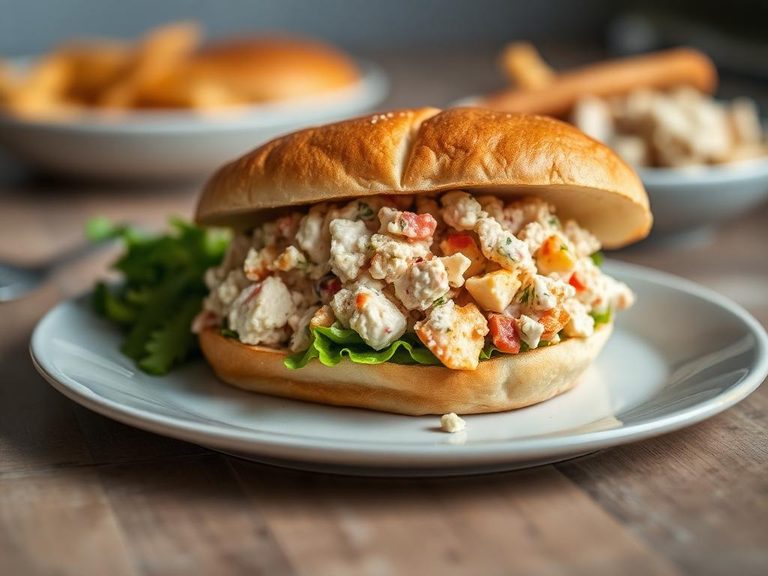
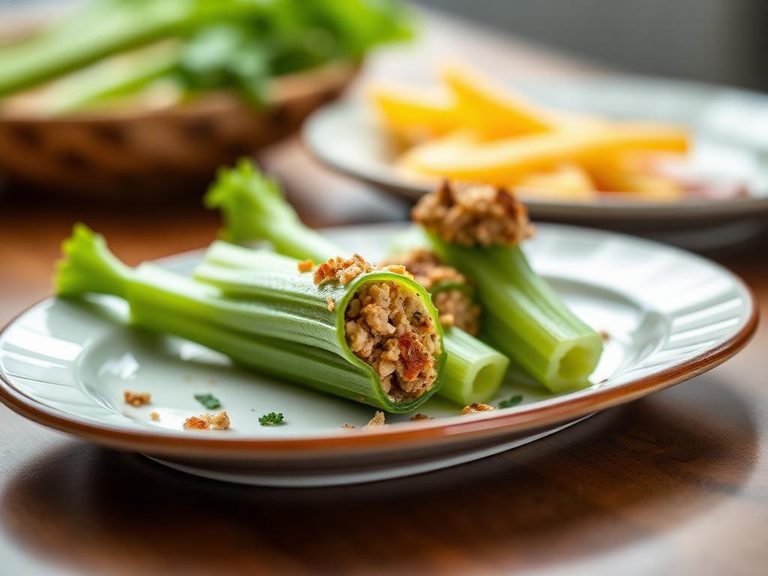
People love it for its effortless versatility—it transforms plain crackers, celery sticks, or bread into a satisfying, protein-rich snack in seconds. Its mild, savory flavor also makes it a crowd-pleasing, kid-friendly option for lunchboxes and appetizers.
⚠️ Watch-outs & how to enjoy it better
The primary downside is its high fat content, often from mayonnaise, which can be a concern for calorie control or heart health. It can also be high in sodium, making it a less ideal choice for those monitoring blood pressure. To counteract this, pair it with fiber-rich vegetables like cucumber or bell pepper strips instead of crackers, and practice strict portion control by measuring out a two-tablespoon serving.
Key benefits
- High in complete protein for muscle maintenance
- Convenient, no-cook source of animal protein
- Good source of B vitamins like niacin and B6
- Versatile base for quick meals and snacks
- Can be a palatable option for those with chewing difficulties
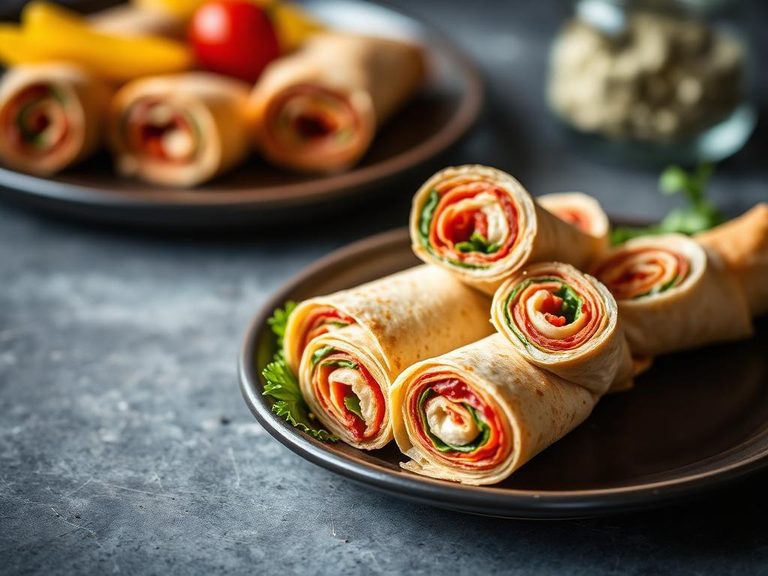
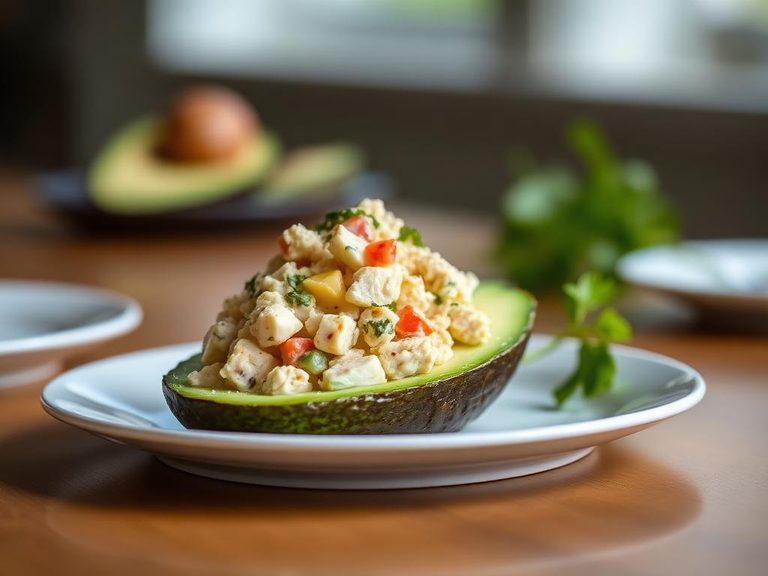
🍽️ Popular dishes

🌍 Where it's eaten
💡 Did you know?
The classic 'chicken salad' spread that evolved into modern chicken spread was a way to use up leftover roasted poultry, a practice that became especially popular in the Southern United States after the Civil War.
Full nutrition (USDA data · scales with serving)
| Water | 57.4 g |
| Energy | 158 kcal |
| Energy | 663 kj |
| Protein | 18.0 g |
| Total lipid (fat) | 17.6 g |
| Ash | 3.0 g |
| Carbohydrate, by difference | 4.0 g |
| Fiber, total dietary | 0.30 g |
| Total Sugars | 0.47 g |
| Calcium, Ca | 16.0 mg |
| Iron, Fe | 0.87 mg |
| Magnesium, Mg | 12.0 mg |
| Phosphorus, P | 89.0 mg |
| Potassium, K | 106 mg |
| Sodium, Na | 722 mg |
| Zinc, Zn | 1.1 mg |
| Copper, Cu | 0.04 mg |
| Manganese, Mn | 0.01 mg |
| Selenium, Se | 10.8 ug |
| Vitamin C, total ascorbic acid | 0.00 mg |
| Thiamin | 0.01 mg |
| Riboflavin | 0.11 mg |
| Niacin | 2.7 mg |
| Pantothenic acid | 0.43 mg |
| Vitamin B-6 | 0.15 mg |
| Folate, total | 3.0 ug |
| Folic acid | 0.00 ug |
| Folate, food | 3.0 ug |
| Folate, DFE | 3.0 ug |
| Vitamin B-12 | 0.13 ug |
| Vitamin A, RAE | 30.0 ug |
| Retinol | 30.0 ug |
| Carotene, beta | 0.00 ug |
| Carotene, alpha | 0.00 ug |
| Cryptoxanthin, beta | 0.00 ug |
| Vitamin A, IU | 99.0 iu |
| Lycopene | 0.00 ug |
| Lutein + zeaxanthin | 0.00 ug |
| Alcohol, ethyl | 0.00 g |
| Caffeine | 0.00 mg |
| Theobromine | 0.00 mg |
Fat & fatty acid profile (per 100g)
| Fatty acids, total saturated | 3.2 g |
| SFA 4:0 | 0.00 g |
| SFA 6:0 | 0.00 g |
| SFA 8:0 | 0.00 g |
| SFA 10:0 | 0.00 g |
| SFA 12:0 | 0.00 g |
| SFA 14:0 | 0.10 g |
| SFA 16:0 | 2.4 g |
| SFA 18:0 | 0.72 g |
| Fatty acids, total monounsaturated | 4.8 g |
| MUFA 16:1 | 0.63 g |
| MUFA 18:1 | 4.1 g |
| MUFA 20:1 | 0.11 g |
| MUFA 22:1 | 0.00 g |
| Fatty acids, total polyunsaturated | 2.4 g |
| PUFA 18:2 | 2.2 g |
| PUFA 18:3 | 0.12 g |
| PUFA 18:4 | 0.00 g |
| PUFA 20:4 | 0.00 g |
| PUFA 20:5 n-3 (EPA) | 0.00 g |
| PUFA 22:5 n-3 (DPA) | 0.00 g |
| PUFA 22:6 n-3 (DHA) | 0.00 g |
| Cholesterol | 56.0 mg |
| Phytosterols | 0.00 mg |
Amino acid profile (per 100g)
| Tryptophan | 0.20 g |
| Threonine | 0.73 g |
| Isoleucine | 0.88 g |
| Leucine | 1.3 g |
| Lysine | 1.4 g |
| Methionine | 0.47 g |
| Cystine | 0.24 g |
| Phenylalanine | 0.69 g |
| Tyrosine | 0.57 g |
| Valine | 0.86 g |
| Arginine | 1.1 g |
| Histidine | 0.52 g |
| Alanine | 1.0 g |
| Aspartic acid | 1.6 g |
| Glutamic acid | 2.6 g |
| Glycine | 1.2 g |
| Proline | 0.87 g |
| Serine | 0.63 g |
FAQ
Is chicken spread the same as chicken salad?
Not exactly. Chicken spread is typically a smoother, more uniform paste, while chicken salad is chunkier and often includes additions like celery, grapes, or nuts. Spread is the base; salad is the complete dish.
Can I make a healthier version at home?
Yes. Use Greek yogurt or blended cottage cheese in place of half the mayonnaise, add herbs and lemon juice for flavor, and mix in finely grated vegetables like carrot for extra nutrients and fiber.
How long does opened chicken spread last in the fridge?
For food safety, consume homemade or opened store-bought chicken spread within 3 to 4 days. Always store it in an airtight container in the refrigerator.
Nutrient density (calculated · NRF9.3)
Nutrient Rich Foods index: beneficial nutrients (protein, fiber, vitamins, minerals) minus saturated fat, added sugar & sodium, per 100 kcal.
NRF9.3 index — Fulgoni, Keast & Drewnowski, 2009. Computed from USDA nutrients.
Weight-loss friendliness (composite index)
Energy density 1.58 kcal/g · 46% calories from protein · 0.3 g fiber · 0.5 g sugar per 100 g.
Composite of energy density (Rolls et al., 1999), protein & fiber satiety, minus sugar. A calculated heuristic — ranks satiety-per-calorie, not a clinical measure.
Dietary load (calculated from USDA values)
Potential renal acid load. Positive = acid-forming, negative = alkaline-forming.
Sodium-to-potassium ratio: 6.81 (lower is better — aim for ≤ 1)
Sodium:potassium per WHO potassium guidance. Computed from USDA nutrients.