

Chicken, prepackaged or deli, luncheon meat
Common food

Photo: Wikipedia
Chicken luncheon meat is a finely ground, pre-cooked, and canned or vacuum-packed product made from chicken meat and various binders. It has a very soft, smooth, and uniform texture, similar to a dense mousse, with a mild, savory, and slightly salty chicken flavor. Nutritionally, it is a lean protein powerhouse, delivering a high amount of protein with minimal fat and carbohydrates.
Calorie split: 71% protein · 12% carbs · 17% fat
↓ Full nutrition💚 Why it's loved
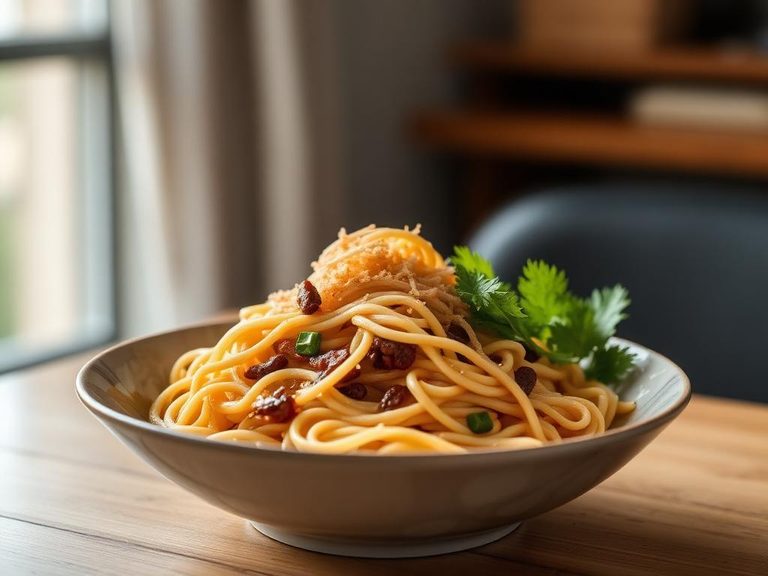
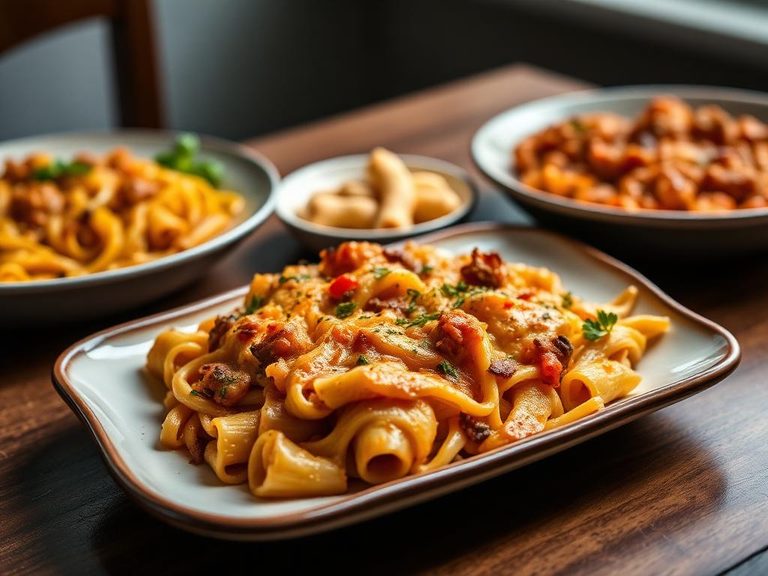
People love its incredible convenience and versatility; it requires no preparation and can be eaten straight from the package, making it a staple for quick meals, sandwiches, and camping. Its mild flavor and soft texture also make it a kid-friendly protein option and a blank canvas for adding to salads, pasta, or fried rice.
⚠️ Watch-outs & how to enjoy it better
The primary downsides are its often high sodium content and the presence of additives like phosphates and nitrites in some brands, which can be a concern for those monitoring blood pressure or processed food intake. To counteract this, look for low-sodium versions, rinse slices briefly under water, and pair it with fresh, potassium-rich vegetables like spinach or tomatoes to help balance sodium levels.
Key benefits
- Extremely high in protein per calorie
- Very low in fat and carbohydrates
- Convenient, ready-to-eat protein source
- Long shelf life without refrigeration
- Easily digestible texture
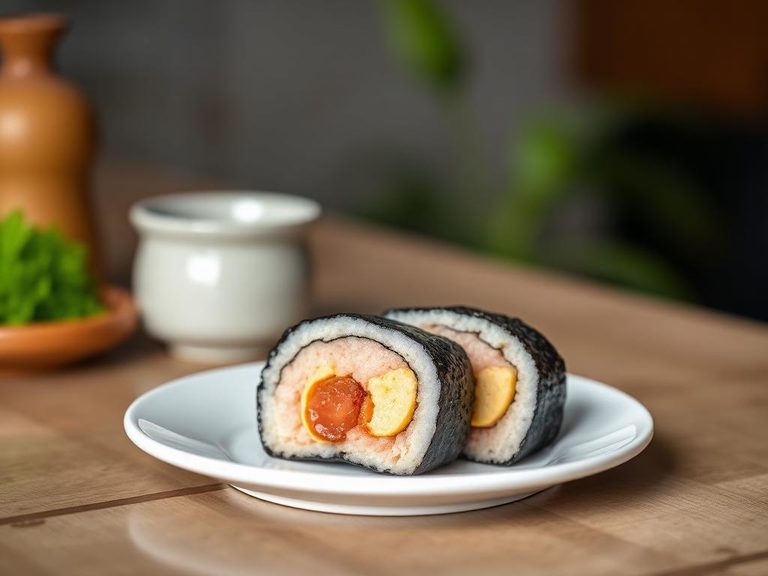
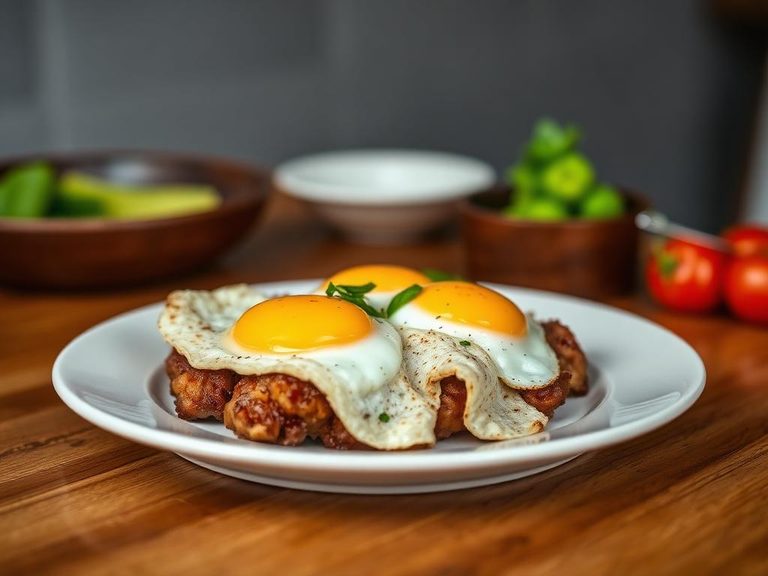
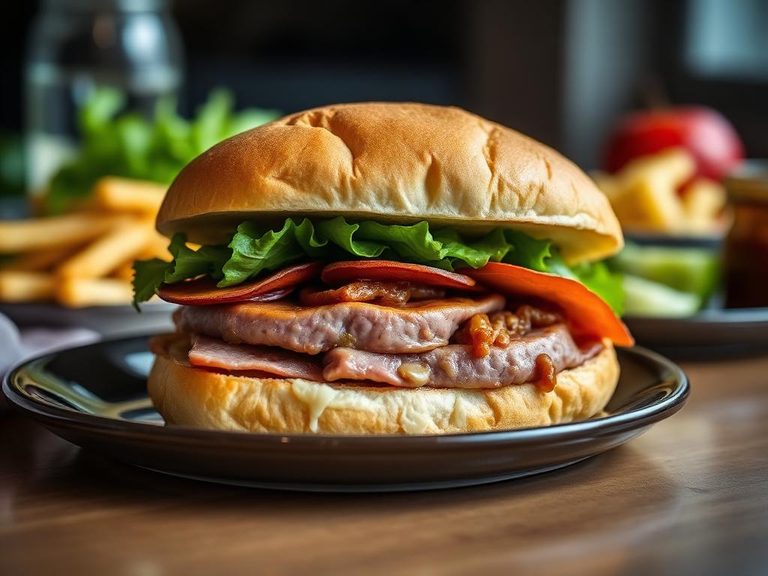
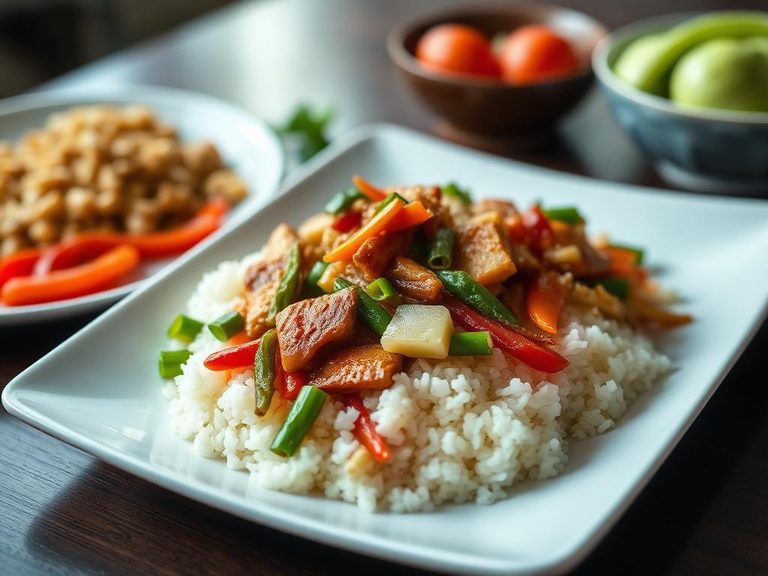
🍽️ Popular dishes
🌍 Where it's eaten
💡 Did you know?
The most famous brand of luncheon meat, SPAM, was introduced in 1937 and became a global staple during World War II due to its long shelf life and need for refrigeration, leading to its iconic status in post-war Pacific Rim cuisines.
Full nutrition (USDA data · scales with serving)
| Water | 74.5 g |
| Energy | 98.0 kcal |
| Protein | 17.4 g |
| Total lipid (fat) | 1.9 g |
| Carbohydrate, by difference | 2.9 g |
| Fiber, total dietary | 0.00 g |
| Total Sugars | 0.75 g |
| Calcium, Ca | 11.0 mg |
| Iron, Fe | 0.39 mg |
| Magnesium, Mg | 26.0 mg |
| Phosphorus, P | 257 mg |
| Potassium, K | 360 mg |
| Sodium, Na | 1032 mg |
| Zinc, Zn | 0.51 mg |
| Copper, Cu | 0.02 mg |
| Selenium, Se | 13.2 ug |
| Vitamin C, total ascorbic acid | 0.00 mg |
| Thiamin | 0.05 mg |
| Riboflavin | 0.07 mg |
| Niacin | 9.1 mg |
| Vitamin B-6 | 0.45 mg |
| Folate, total | 7.0 ug |
| Folic acid | 0.00 ug |
| Folate, food | 7.0 ug |
| Folate, DFE | 7.0 ug |
| Choline, total | 44.2 mg |
| Vitamin B-12 | 0.14 ug |
| Vitamin B-12, added | 0.00 ug |
| Vitamin A, RAE | 2.0 ug |
| Retinol | 2.0 ug |
| Carotene, beta | 0.00 ug |
| Carotene, alpha | 0.00 ug |
| Cryptoxanthin, beta | 0.00 ug |
| Lycopene | 0.00 ug |
| Lutein + zeaxanthin | 0.00 ug |
| Vitamin E (alpha-tocopherol) | 0.32 mg |
| Vitamin E, added | 0.00 mg |
| Vitamin D (D2 + D3) | 0.10 ug |
| Vitamin K (phylloquinone) | 0.00 ug |
| Alcohol, ethyl | 0.00 g |
| Caffeine | 0.00 mg |
| Theobromine | 0.00 mg |
Fat & fatty acid profile (per 100g)
| Fatty acids, total saturated | 0.56 g |
| SFA 4:0 | 0.00 g |
| SFA 6:0 | 0.00 g |
| SFA 8:0 | 0.00 g |
| SFA 10:0 | 0.02 g |
| SFA 12:0 | 0.00 g |
| SFA 14:0 | 0.01 g |
| SFA 16:0 | 0.40 g |
| SFA 18:0 | 0.12 g |
| Fatty acids, total monounsaturated | 0.74 g |
| MUFA 16:1 | 0.09 g |
| MUFA 18:1 | 0.63 g |
| MUFA 20:1 | 0.02 g |
| MUFA 22:1 | 0.00 g |
| Fatty acids, total polyunsaturated | 0.45 g |
| PUFA 18:2 | 0.35 g |
| PUFA 18:3 | 0.02 g |
| PUFA 18:4 | 0.00 g |
| PUFA 20:4 | 0.05 g |
| PUFA 20:5 n-3 (EPA) | 0.00 g |
| PUFA 22:5 n-3 (DPA) | 0.00 g |
| PUFA 22:6 n-3 (DHA) | 0.00 g |
| Cholesterol | 51.0 mg |
Amino acid profile (per 100g)
Estimated from Restaurant, Latino, chicken and rice, entree, prepared — USDA does not publish this profile for Chicken.
| Tryptophan | 0.16 g |
| Threonine | 0.50 g |
| Isoleucine | 0.55 g |
| Leucine | 0.93 g |
| Lysine | 0.93 g |
| Methionine | 0.31 g |
| Cystine | 0.15 g |
| Phenylalanine | 0.51 g |
| Tyrosine | 0.35 g |
| Valine | 0.62 g |
| Arginine | 0.80 g |
| Histidine | 0.40 g |
| Alanine | 0.68 g |
| Aspartic acid | 1.1 g |
| Glutamic acid | 1.9 g |
| Glycine | 0.58 g |
| Proline | 0.51 g |
| Serine | 0.47 g |
FAQ
Is chicken luncheon meat the same as chicken bologna or chicken loaf?
They are very similar. 'Luncheon meat' is a broad category for pre-cooked, sliced meats. Chicken bologna or chicken loaf are specific types within this category, often with slight variations in seasoning and texture.
Can I eat chicken luncheon meat straight from the can?
Yes, it is fully cooked and safe to eat cold. However, many people prefer to pan-fry or grill slices to add a crispy texture and enhance its savory flavor.
How should I store an opened package?
Once opened, transfer any unused portion to an airtight container and refrigerate. It should be consumed within 3-5 days. It can also be frozen for longer storage.
Nutrient density (calculated · NRF9.3)
Nutrient Rich Foods index: beneficial nutrients (protein, fiber, vitamins, minerals) minus saturated fat, added sugar & sodium, per 100 kcal.
NRF9.3 index — Fulgoni, Keast & Drewnowski, 2009. Computed from USDA nutrients.
Weight-loss friendliness (composite index)
Energy density 0.98 kcal/g · 71% calories from protein · 0.0 g fiber · 0.8 g sugar per 100 g.
Composite of energy density (Rolls et al., 1999), protein & fiber satiety, minus sugar. A calculated heuristic — ranks satiety-per-calorie, not a clinical measure.
Dietary load (calculated from USDA values)
Potential renal acid load. Positive = acid-forming, negative = alkaline-forming.
Sodium-to-potassium ratio: 2.87 (lower is better — aim for ≤ 1)
Sodium:potassium per WHO potassium guidance. Computed from USDA nutrients.