

Chicken leg, drumstick and thigh, NS as to cooking method, skin not eaten
Common food

Photo: Wikipedia
This is the lean, dark meat of a chicken, specifically the lower leg and upper thigh, with the skin removed. The drumstick offers a firm, satisfying bite, while the thigh is tender and juicy, both delivering a rich, savory poultry flavor. Nutritionally, it's a high-protein, low-carb powerhouse with a moderate amount of healthy fats.
Calorie split: 55% protein · 0% carbs · 45% fat
↓ Full nutrition💚 Why it's loved
People adore this cut for its deep, savory flavor and satisfying texture that holds up beautifully to a wide range of cooking methods, from braising to grilling. It's a cost-effective, versatile staple in home kitchens worldwide, forming the base of countless comforting family meals.
⚠️ Watch-outs & how to enjoy it better
While nutritious, dark meat is higher in fat than white meat, which may be a consideration for strict calorie-controlled diets. Those watching sodium intake should be cautious with processed or pre-seasoned versions. To manage fat content, opt for moist-heat cooking methods like stewing where excess fat can be skimmed off.
Key benefits
- Excellent source of complete protein for muscle maintenance and repair.
- Rich in essential minerals like iron and zinc, crucial for immune function.
- Provides B vitamins, particularly niacin and B6, for energy metabolism.
- A satiating, low-carb option that supports stable blood sugar levels.
🍽️ Popular dishes

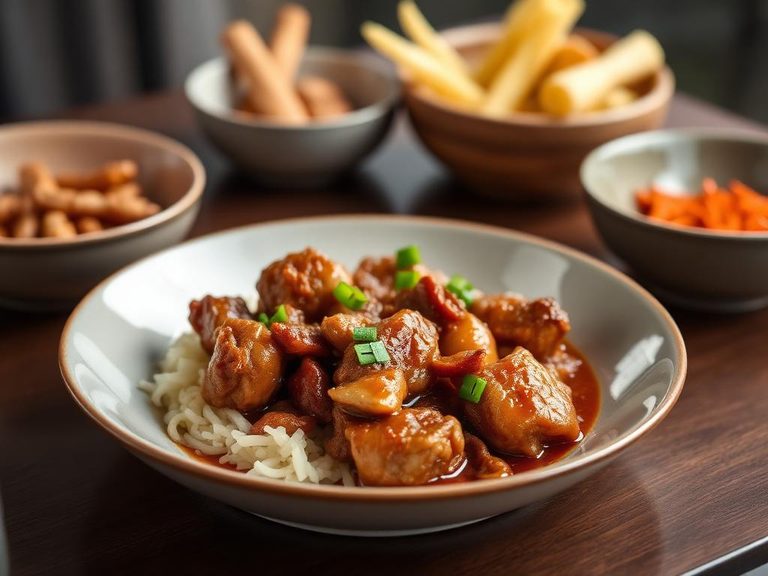
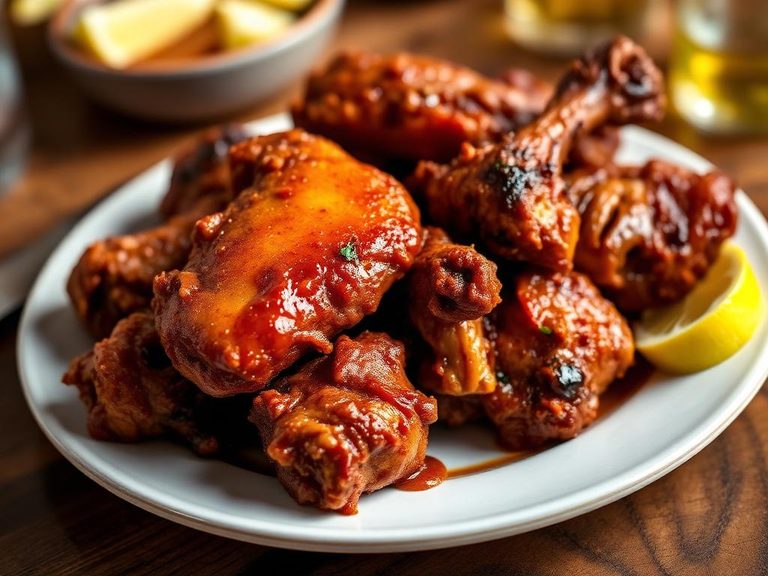
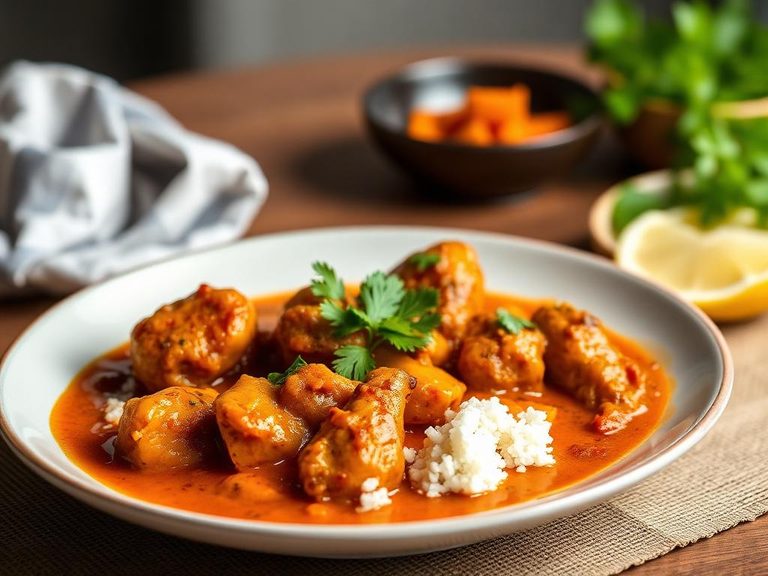
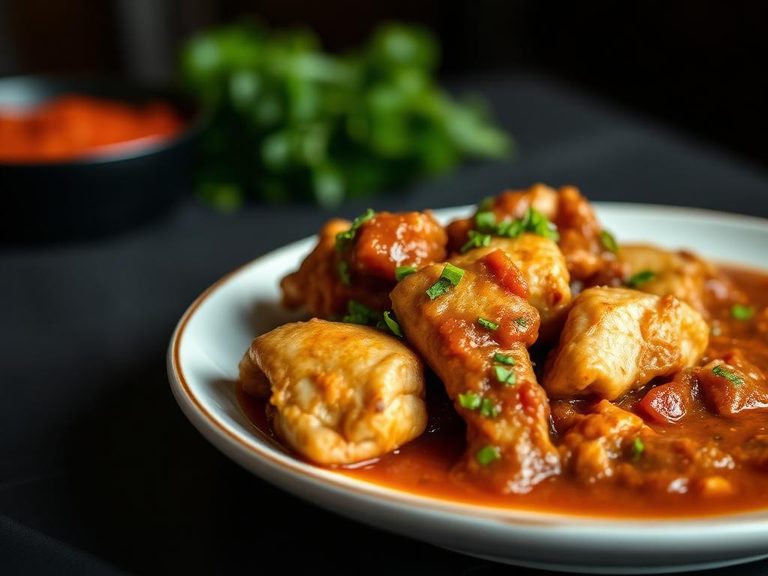

🌍 Where it's eaten
💡 Did you know?
The drumstick is anatomically the chicken's lower leg, and it contains two bones (the tibia and fibula), unlike the single-boned thigh.
Full nutrition (USDA data · scales with serving)
| Water | 64.3 g |
| Energy | 185 kcal |
| Protein | 25.5 g |
| Total lipid (fat) | 9.2 g |
| Carbohydrate, by difference | 0.00 g |
| Fiber, total dietary | 0.00 g |
| Total Sugars | 0.00 g |
| Calcium, Ca | 16.0 mg |
| Iron, Fe | 1.0 mg |
| Magnesium, Mg | 22.0 mg |
| Phosphorus, P | 229 mg |
| Potassium, K | 274 mg |
| Sodium, Na | 362 mg |
| Zinc, Zn | 2.3 mg |
| Copper, Cu | 0.09 mg |
| Selenium, Se | 24.8 ug |
| Vitamin C, total ascorbic acid | 0.00 mg |
| Thiamin | 0.06 mg |
| Riboflavin | 0.23 mg |
| Niacin | 5.6 mg |
| Vitamin B-6 | 0.18 mg |
| Folate, total | 8.0 ug |
| Folic acid | 0.00 ug |
| Folate, food | 8.0 ug |
| Folate, DFE | 8.0 ug |
| Choline, total | 72.8 mg |
| Vitamin B-12 | 0.46 ug |
| Vitamin B-12, added | 0.00 ug |
| Vitamin A, RAE | 12.0 ug |
| Retinol | 12.0 ug |
| Carotene, beta | 0.00 ug |
| Carotene, alpha | 0.00 ug |
| Cryptoxanthin, beta | 0.00 ug |
| Lycopene | 0.00 ug |
| Lutein + zeaxanthin | 0.00 ug |
| Vitamin E (alpha-tocopherol) | 0.50 mg |
| Vitamin E, added | 0.00 mg |
| Vitamin D (D2 + D3) | 0.00 ug |
| Vitamin K (phylloquinone) | 0.00 ug |
| Alcohol, ethyl | 0.00 g |
| Caffeine | 0.00 mg |
| Theobromine | 0.00 mg |
Fat & fatty acid profile (per 100g)
| Fatty acids, total saturated | 2.3 g |
| SFA 4:0 | 0.00 g |
| SFA 6:0 | 0.00 g |
| SFA 8:0 | 0.00 g |
| SFA 10:0 | 0.00 g |
| SFA 12:0 | 0.00 g |
| SFA 14:0 | 0.05 g |
| SFA 16:0 | 1.8 g |
| SFA 18:0 | 0.40 g |
| Fatty acids, total monounsaturated | 4.0 g |
| MUFA 16:1 | 0.67 g |
| MUFA 18:1 | 3.3 g |
| MUFA 20:1 | 0.03 g |
| MUFA 22:1 | 0.00 g |
| Fatty acids, total polyunsaturated | 1.4 g |
| PUFA 18:2 | 1.3 g |
| PUFA 18:3 | 0.08 g |
| PUFA 18:4 | 0.00 g |
| PUFA 20:4 | 0.03 g |
| PUFA 20:5 n-3 (EPA) | 0.00 g |
| PUFA 22:5 n-3 (DPA) | 0.00 g |
| PUFA 22:6 n-3 (DHA) | 0.00 g |
| Cholesterol | 139 mg |
Amino acid profile (per 100g)
Estimated from Chicken, broilers or fryers, leg, meat only, cooked, fried — USDA does not publish this profile for Chicken leg.
| Tryptophan | 0.33 g |
| Threonine | 1.2 g |
| Isoleucine | 1.5 g |
| Leucine | 2.1 g |
| Lysine | 2.4 g |
| Methionine | 0.78 g |
| Cystine | 0.36 g |
| Phenylalanine | 1.1 g |
| Tyrosine | 0.96 g |
| Valine | 1.4 g |
| Arginine | 1.7 g |
| Histidine | 0.88 g |
| Alanine | 1.5 g |
| Aspartic acid | 2.5 g |
| Glutamic acid | 4.3 g |
| Glycine | 1.4 g |
| Proline | 1.2 g |
| Serine | 0.98 g |
FAQ
Why is dark meat considered 'less healthy' than white meat?
It isn't less healthy, just different. Dark meat has more fat and calories per ounce, but it also contains more iron, zinc, and B vitamins. The fat contributes to its richer flavor and juiciness.
How can I reduce the fat content when cooking?
Remove any visible fat before cooking. Choose methods like baking, grilling, or poaching where fat can drip away. If stewing, chill the dish afterward to solidify and easily remove the fat layer from the top.
Is it safe to eat the meat right next to the bone?
Yes, as long as the chicken is cooked to a safe internal temperature of 165°F (74°C). The meat near the bone is often the most flavorful and tender part.
Nutrient density (calculated · NRF9.3)
Nutrient Rich Foods index: beneficial nutrients (protein, fiber, vitamins, minerals) minus saturated fat, added sugar & sodium, per 100 kcal.
NRF9.3 index — Fulgoni, Keast & Drewnowski, 2009. Computed from USDA nutrients.
Weight-loss friendliness (composite index)
Energy density 1.85 kcal/g · 55% calories from protein · 0.0 g fiber · 0.0 g sugar per 100 g.
Composite of energy density (Rolls et al., 1999), protein & fiber satiety, minus sugar. A calculated heuristic — ranks satiety-per-calorie, not a clinical measure.
Dietary load (calculated from USDA values)
Potential renal acid load. Positive = acid-forming, negative = alkaline-forming.
Sodium-to-potassium ratio: 1.32 (lower is better — aim for ≤ 1)
Sodium:potassium per WHO potassium guidance. Computed from USDA nutrients.