

Chia seeds
Common food

Photo: Wikipedia
Chia seeds are tiny, oval-shaped seeds from the Salvia hispanica plant, known for their remarkable ability to absorb liquid and form a gel-like coating. They have a mild, nutty flavor and a soft, gelatinous texture when soaked, making them a versatile textural addition to foods. Nutritionally, they are a powerhouse, delivering an exceptional amount of fiber and healthy fats per gram.
Calorie split: 13% protein · 33% carbs · 54% fat
↓ Full nutrition💚 Why it's loved
People love chia seeds for their incredible versatility—they can thicken puddings, add crunch to baked goods, or be sprinkled on almost anything without altering the flavor profile. Their ability to create satisfying, pudding-like textures with just liquid makes them a staple in health-conscious and plant-based kitchens.
⚠️ Watch-outs & how to enjoy it better
For some, the gelatinous texture when soaked can be off-putting. Consuming large amounts of dry seeds without sufficient liquid may cause digestive discomfort or choking. Those on blood-thinning medication should consult a doctor due to their omega-3 content. To mitigate issues, always soak chia seeds before eating, start with small portions (1-2 tbsp), and drink plenty of water.
Key benefits
- Excellent source of soluble fiber, aiding digestion and promoting satiety.
- Rich in plant-based omega-3 fatty acids (ALA), beneficial for heart health.
- High in quality protein for a plant source, supporting muscle maintenance.
- Provides essential minerals like calcium, magnesium, and phosphorus.
- Their gel-forming property can help slow sugar absorption.
🍽️ Popular dishes
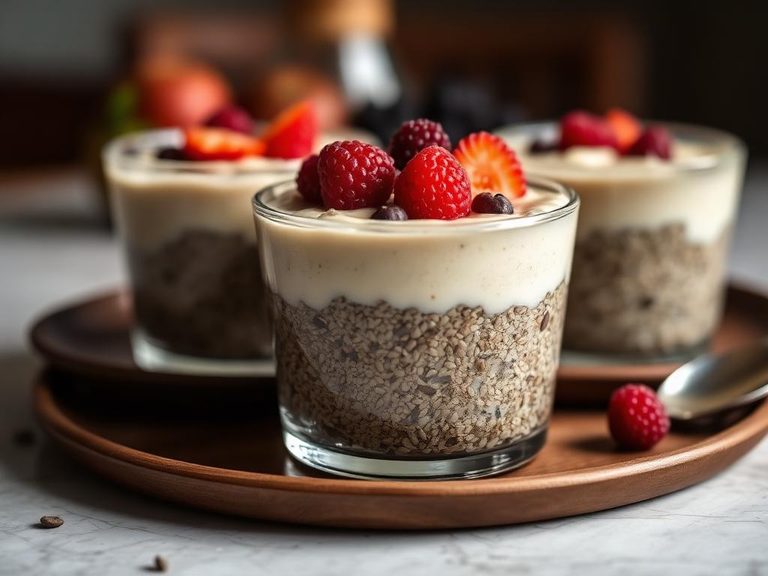


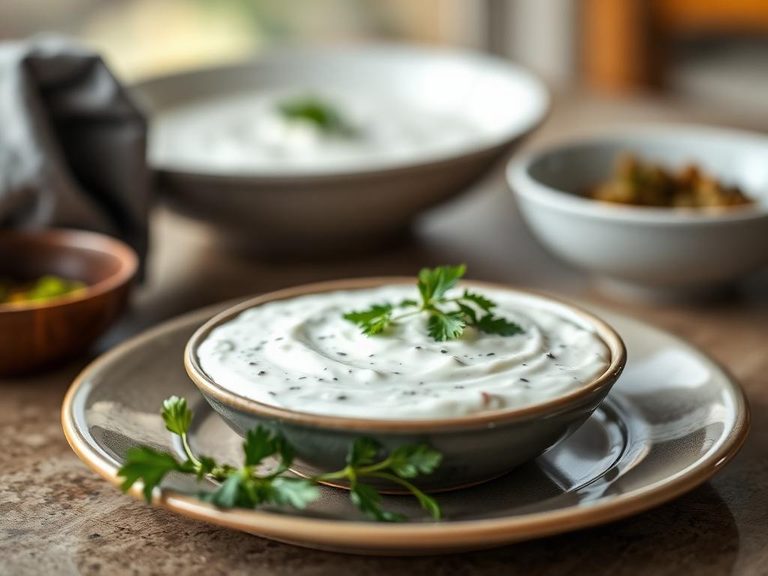
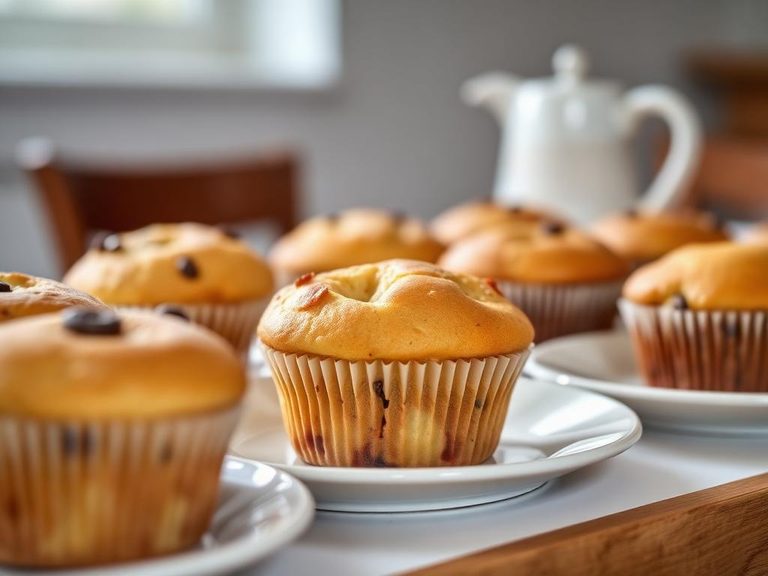
🌍 Where it's eaten
💡 Did you know?
The word 'chia' is derived from the Nahuatl (Aztec) word for 'oil,' reflecting its historical use as a primary energy source.
Full nutrition (USDA data · scales with serving)
| Water | 5.8 g |
| Energy | 486 kcal |
| Protein | 16.5 g |
| Total lipid (fat) | 30.7 g |
| Carbohydrate, by difference | 42.1 g |
| Fiber, total dietary | 34.4 g |
| Total Sugars | 1.6 g |
| Calcium, Ca | 631 mg |
| Iron, Fe | 7.7 mg |
| Magnesium, Mg | 335 mg |
| Phosphorus, P | 860 mg |
| Potassium, K | 407 mg |
| Sodium, Na | 16.0 mg |
| Zinc, Zn | 4.6 mg |
| Copper, Cu | 0.92 mg |
| Selenium, Se | 55.2 ug |
| Vitamin C, total ascorbic acid | 1.6 mg |
| Thiamin | 0.62 mg |
| Riboflavin | 0.17 mg |
| Niacin | 8.8 mg |
| Vitamin B-6 | 0.39 mg |
| Folate, total | 49.0 ug |
| Folic acid | 0.00 ug |
| Folate, food | 49.0 ug |
| Folate, DFE | 49.0 ug |
| Choline, total | 78.7 mg |
| Vitamin B-12 | 0.00 ug |
| Vitamin B-12, added | 0.00 ug |
| Vitamin A, RAE | 0.00 ug |
| Retinol | 0.00 ug |
| Carotene, beta | 0.00 ug |
| Carotene, alpha | 0.00 ug |
| Cryptoxanthin, beta | 0.00 ug |
| Lycopene | 0.00 ug |
| Lutein + zeaxanthin | 0.00 ug |
| Vitamin E (alpha-tocopherol) | 0.50 mg |
| Vitamin E, added | 0.00 mg |
| Vitamin D (D2 + D3) | 0.00 ug |
| Vitamin K (phylloquinone) | 3.7 ug |
| Alcohol, ethyl | 0.00 g |
| Caffeine | 0.00 mg |
| Theobromine | 0.00 mg |
Fat & fatty acid profile (per 100g)
| Fatty acids, total saturated | 3.3 g |
| SFA 4:0 | 0.00 g |
| SFA 6:0 | 0.00 g |
| SFA 8:0 | 0.00 g |
| SFA 10:0 | 0.00 g |
| SFA 12:0 | 0.00 g |
| SFA 14:0 | 0.03 g |
| SFA 16:0 | 2.2 g |
| SFA 18:0 | 0.91 g |
| Fatty acids, total monounsaturated | 2.3 g |
| MUFA 16:1 | 0.03 g |
| MUFA 18:1 | 2.2 g |
| MUFA 20:1 | 0.05 g |
| MUFA 22:1 | 0.01 g |
| Fatty acids, total polyunsaturated | 23.7 g |
| PUFA 18:2 | 5.8 g |
| PUFA 18:3 | 17.8 g |
| PUFA 18:4 | 0.00 g |
| PUFA 20:4 | 0.00 g |
| PUFA 20:5 n-3 (EPA) | 0.00 g |
| PUFA 22:5 n-3 (DPA) | 0.00 g |
| PUFA 22:6 n-3 (DHA) | 0.00 g |
| Cholesterol | 0.00 mg |
Amino acid profile (per 100g)
Estimated from Seeds, chia seeds, dried — USDA does not publish this profile for Chia seeds.
| Tryptophan | 0.44 g |
| Threonine | 0.71 g |
| Isoleucine | 0.80 g |
| Leucine | 1.4 g |
| Lysine | 0.97 g |
| Methionine | 0.59 g |
| Cystine | 0.41 g |
| Phenylalanine | 1.0 g |
| Tyrosine | 0.56 g |
| Valine | 0.95 g |
| Arginine | 2.1 g |
| Histidine | 0.53 g |
| Alanine | 1.0 g |
| Aspartic acid | 1.7 g |
| Glutamic acid | 3.5 g |
| Glycine | 0.94 g |
| Proline | 0.78 g |
| Serine | 1.0 g |
FAQ
Do chia seeds need to be ground to be nutritious?
No, unlike flaxseeds, chia seeds can be eaten whole and their nutrients are readily available. Soaking them can improve digestibility and hydration.
How do you make chia pudding?
Mix about 3 tablespoons of chia seeds with 1 cup of liquid (milk, plant milk, juice) and a sweetener. Stir well, let sit for 5 minutes, stir again to prevent clumping, then refrigerate for at least 2 hours or overnight until a thick pudding forms.
Can chia seeds help with weight loss?
Their high fiber and protein content can promote feelings of fullness and reduce overall calorie intake, which may support weight management as part of a balanced diet.
Nutrient density (calculated · NRF9.3)
Nutrient Rich Foods index: beneficial nutrients (protein, fiber, vitamins, minerals) minus saturated fat, added sugar & sodium, per 100 kcal.
NRF9.3 index — Fulgoni, Keast & Drewnowski, 2009. Computed from USDA nutrients.
Weight-loss friendliness (composite index)
Energy density 4.86 kcal/g · 14% calories from protein · 34.4 g fiber · 1.6 g sugar per 100 g.
Composite of energy density (Rolls et al., 1999), protein & fiber satiety, minus sugar. A calculated heuristic — ranks satiety-per-calorie, not a clinical measure.
Dietary load (calculated from USDA values)
Potential renal acid load. Positive = acid-forming, negative = alkaline-forming.
Sodium-to-potassium ratio: 0.04 (lower is better — aim for ≤ 1)
Sodium:potassium per WHO potassium guidance. Computed from USDA nutrients.