Aguas Frescas
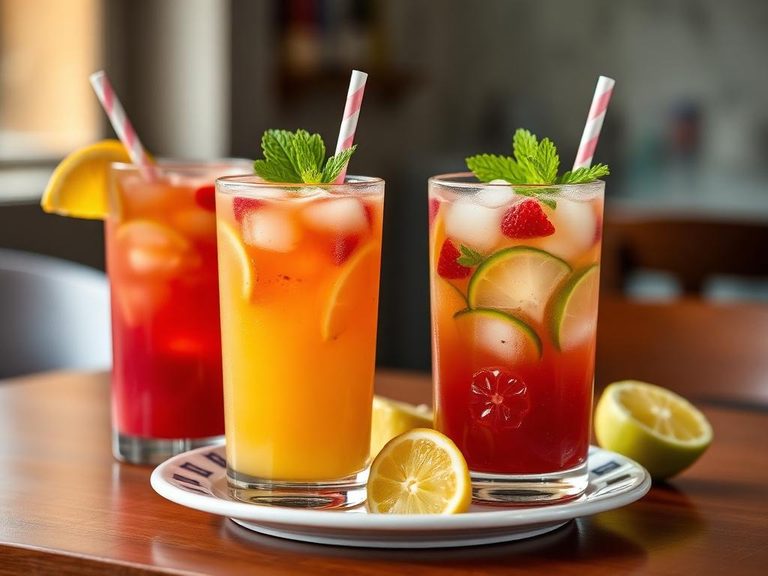
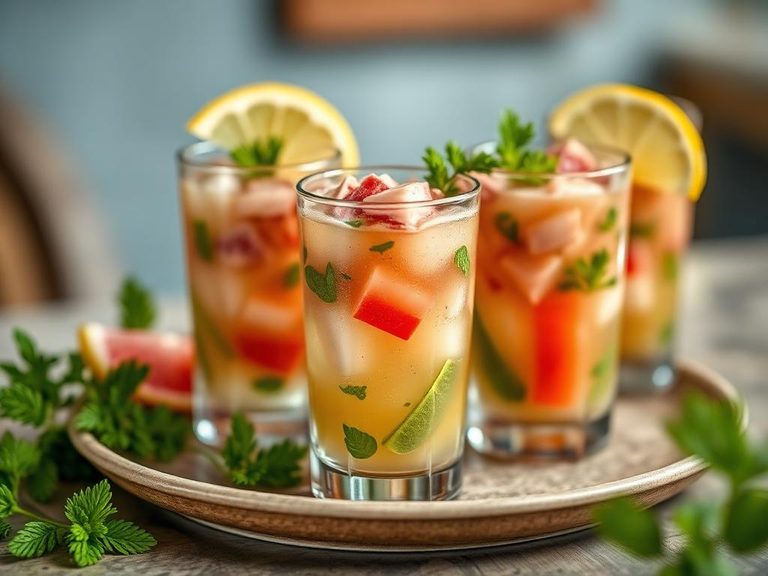
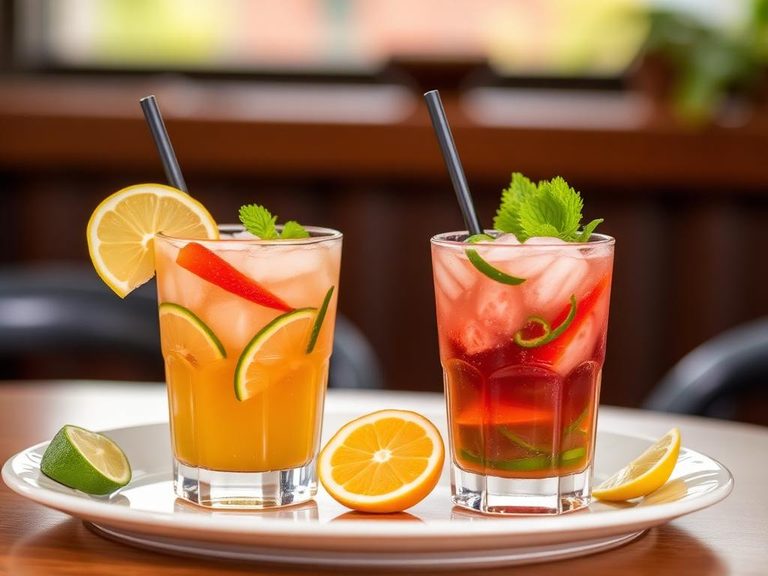
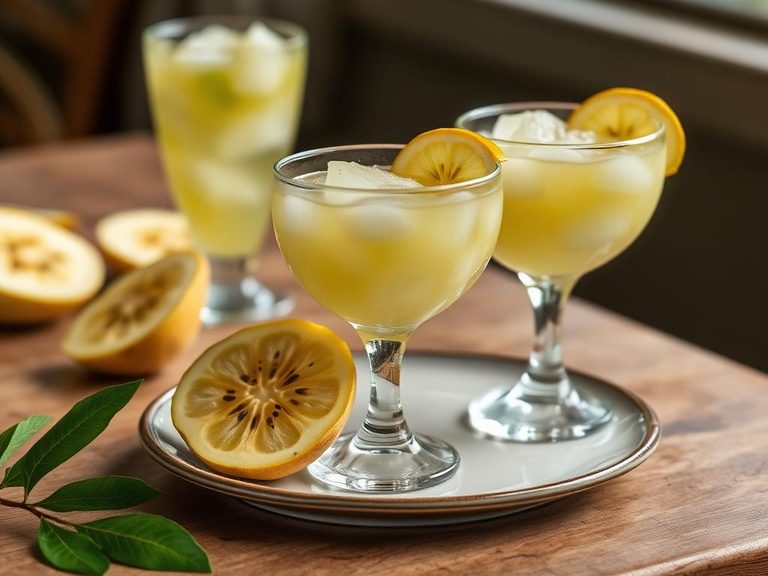
Aguas frescas, which translates to 'fresh waters,' are light, refreshing Mexican beverages made by blending fruits, cereals, flowers, or seeds with water and a touch of sugar. They are a staple at Mexican markets, street stalls, and family gatherings, offering a natural and hydrating alternative to soda. Common flavors include horchata (rice-based), jamaica (hibiscus), tamarindo, and fresh fruit varieties like watermelon or mango.
🍽️ Nutrition at a glance
Aguas frescas are primarily a source of simple carbohydrates from fruit sugars and added sweeteners, with negligible fat and protein. They provide hydration and key vitamins like Vitamin C (from citrus or guava) or antioxidants (from hibiscus), but a typical 1-cup serving can range from 80 to 150 calories depending on the fruit and sugar content.
Nutrition breakdown
| Calories | 80 kcal |
| Protein | 0.5 g |
| Carbs | 20 g |
| Fat | 0 g |
| Fiber | 1 g |
| Sugar | 18 g |
| Sodium | 10 mg |
| Potassium | 180 mg |
| Vitamin C | 15 mg |
| Calcium | 20 mg |
| Magnesium | 15 mg |
| Phosphorus | 25 mg |
| Vitamin A | 10 mcg |
| Folate | 10 mcg |
| Iron | 0.5 mg |
Per 1 cup (240 g) · estimated, varies by recipe
💡 What's interesting
Culturally, aguas frescas represent a vibrant tradition of using seasonal, local ingredients to create communal refreshment, often served from large glass barrels called 'vitroleros.' Nutritionally, they are unique as a naturally flavored, lower-calorie alternative to processed drinks, though their sugar content can vary widely based on preparation.