

Chia seeds, dry, raw
Whole food · Cereal Grains and Pasta
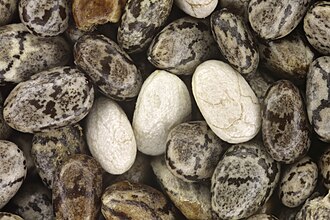
Photo: Wikipedia
Chia seeds are tiny, oval-shaped seeds from the Salvia hispanica plant, known for their subtle, nutty flavor and unique ability to absorb liquid and form a gel-like texture. Despite their small size, they are a nutritional powerhouse, offering a dense concentration of healthy fats, protein, and essential minerals. Their neutral taste makes them an incredibly versatile ingredient that can be added to almost anything without altering the dish's core flavor.
Calorie split: 13% protein · 30% carbs · 57% fat
↓ Full nutrition💚 Why it's loved
People love chia seeds for their incredible versatility and neutral, slightly nutty taste that blends seamlessly into both sweet and savory dishes. They are a staple in health-conscious kitchens for their ability to add texture and nutrition to puddings, smoothies, and baked goods with minimal effort.
⚠️ Watch-outs & how to enjoy it better
The primary downside is their high fiber content, which can cause digestive discomfort like bloating or gas if introduced too quickly or without adequate water intake. To counteract this, start with a small portion (e.g., 1 teaspoon) and gradually increase it while ensuring you drink plenty of water throughout the day. Soaking them in liquid for 10-15 minutes before consumption also helps pre-gel them, making them easier to digest.
Key benefits
- Excellent source of plant-based omega-3 fatty acids (ALA)
- High in protein for a plant food, supporting muscle maintenance
- Rich in minerals like calcium, phosphorus, and manganese
- Forms a gel that can aid in hydration and promote a feeling of fullness
🍽️ Popular dishes
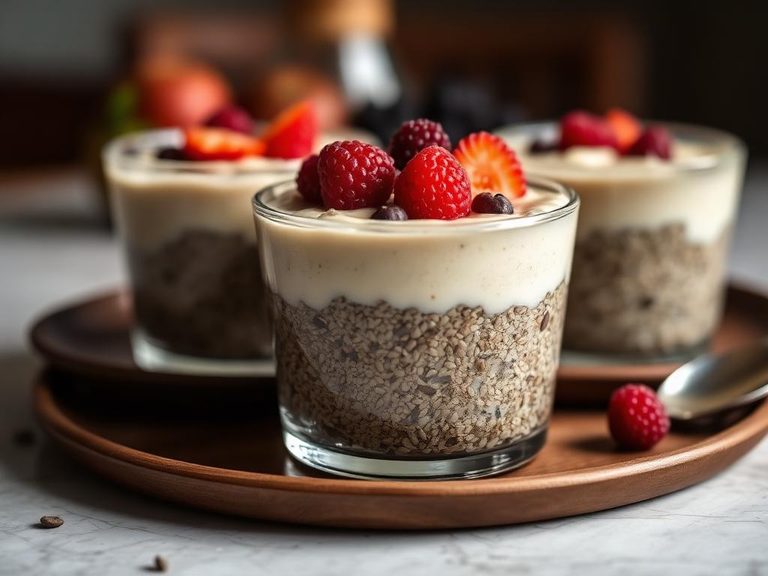
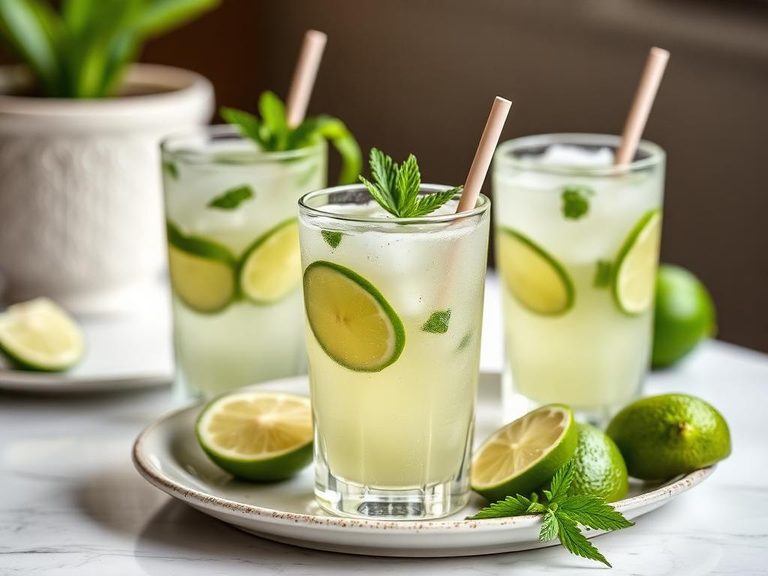
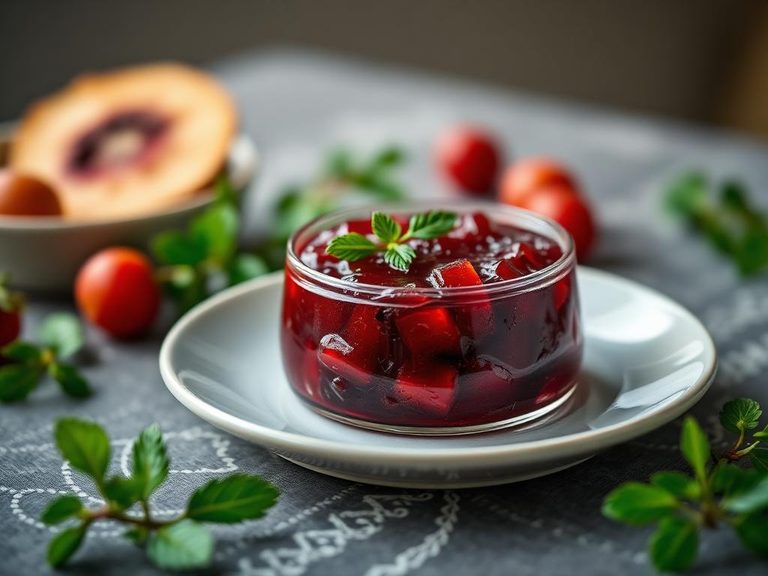
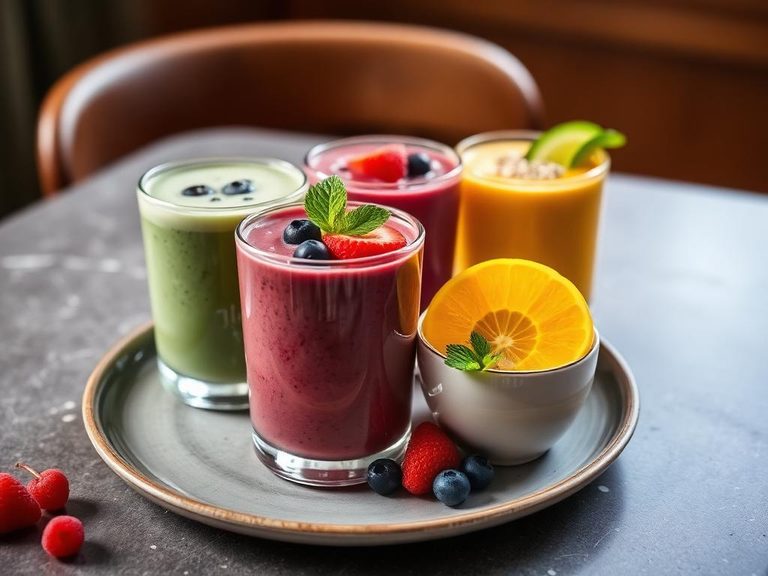
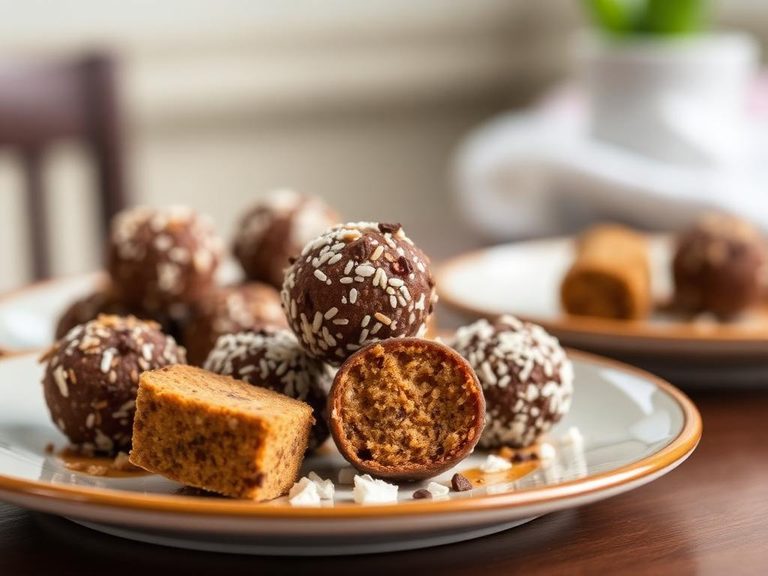
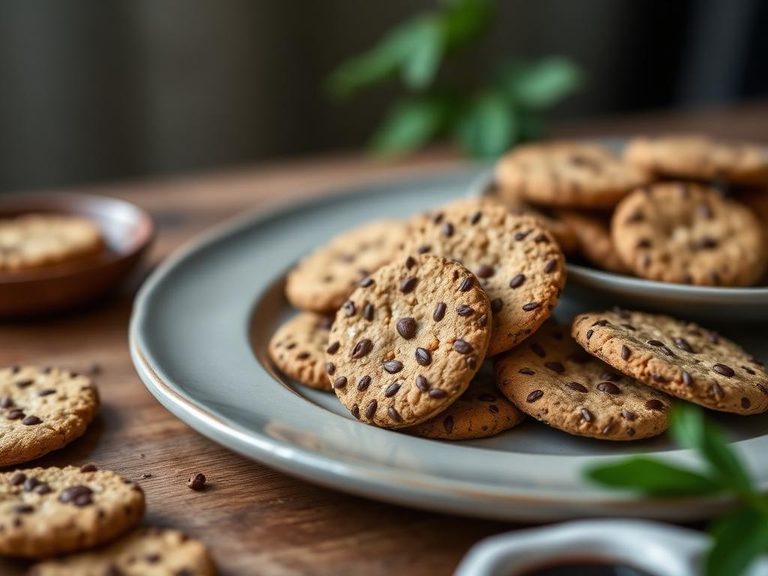
🌍 Where it's eaten
💡 Did you know?
The word 'chia' comes from the Nahuatl word for 'strength,' and Aztec warriors reportedly used it as an energy food during long battles and runs.
Full nutrition (USDA data · scales with serving)
| Water | 7.5 g |
| Energy (Atwater General Factors) | 517 kcal |
| Energy (Atwater Specific Factors) | 490 kcal |
| Nitrogen | 3.2 g |
| Protein | 17.0 g |
| Total lipid (fat) | 32.9 g |
| Ash | 4.4 g |
| Carbohydrate, by difference | 38.3 g |
| Starch | 0.00 g |
| Calcium, Ca | 595 mg |
| Iron, Fe | 6.0 mg |
| Magnesium, Mg | 326 mg |
| Phosphorus, P | 691 mg |
| Potassium, K | 642 mg |
| Sodium, Na | 0.00 mg |
| Zinc, Zn | 5.6 mg |
| Copper, Cu | 1.6 mg |
| Manganese, Mn | 7.6 mg |
| Thiamin | 0.50 mg |
| Niacin | 8.7 mg |
| Vitamin B-6 | 0.20 mg |
| Biotin | 14.5 ug |
Fat & fatty acid profile (per 100g)
Estimated from Seeds, chia seeds, dried — USDA does not publish this profile for Chia seeds.
| Fatty acids, total saturated | 3.3 g |
| SFA 14:0 | 0.03 g |
| SFA 15:0 | 0.03 g |
| SFA 16:0 | 2.2 g |
| SFA 17:0 | 0.06 g |
| SFA 18:0 | 0.91 g |
| SFA 20:0 | 0.09 g |
| SFA 22:0 | 0.03 g |
| Fatty acids, total monounsaturated | 2.3 g |
| MUFA 14:1 | 0.03 g |
| MUFA 16:1 | 0.03 g |
| MUFA 17:1 | 0.00 g |
| MUFA 18:1 | 2.2 g |
| MUFA 20:1 | 0.05 g |
| Fatty acids, total polyunsaturated | 23.7 g |
| PUFA 18:2 | 5.8 g |
| PUFA 18:2 n-6 c,c | 5.8 g |
| PUFA 18:3 | 17.8 g |
| PUFA 18:3 n-3 c,c,c (ALA) | 17.8 g |
| Fatty acids, total trans | 0.14 g |
| Cholesterol | 0.00 mg |
Amino acid profile (per 100g)
Estimated from Seeds, chia seeds, dried — USDA does not publish this profile for Chia seeds.
| Tryptophan | 0.44 g |
| Threonine | 0.71 g |
| Isoleucine | 0.80 g |
| Leucine | 1.4 g |
| Lysine | 0.97 g |
| Methionine | 0.59 g |
| Cystine | 0.41 g |
| Phenylalanine | 1.0 g |
| Tyrosine | 0.56 g |
| Valine | 0.95 g |
| Arginine | 2.1 g |
| Histidine | 0.53 g |
| Alanine | 1.0 g |
| Aspartic acid | 1.7 g |
| Glutamic acid | 3.5 g |
| Glycine | 0.94 g |
| Proline | 0.78 g |
| Serine | 1.0 g |
FAQ
Do I need to grind chia seeds to absorb their nutrients?
No, you do not need to grind chia seeds. Unlike flaxseeds, the body can digest and absorb the nutrients from whole chia seeds. However, grinding them can make the nutrients even more readily available.
How do I make chia pudding?
To make basic chia pudding, mix 3 tablespoons of chia seeds with 1 cup of liquid (like almond milk or coconut milk) and a sweetener of choice. Stir well, let it sit for 5 minutes, stir again to prevent clumping, then refrigerate for at least 2 hours or overnight until it reaches a pudding-like consistency.
Can chia seeds be used in baking?
Yes, chia seeds can be used in baking. They can be added whole to muffins, breads, and cookies for texture, or mixed with water to create a 'chia egg' (1 tablespoon chia seeds + 3 tablespoons water) as a vegan egg substitute in recipes.
Nutrient density (calculated · NRF9.3)
Nutrient Rich Foods index: beneficial nutrients (protein, fiber, vitamins, minerals) minus saturated fat, added sugar & sodium, per 100 kcal.
NRF9.3 index — Fulgoni, Keast & Drewnowski, 2009. Computed from USDA nutrients.
Weight-loss friendliness (composite index)
Energy density 5.17 kcal/g · 13% calories from protein · 0.0 g fiber · 0.0 g sugar per 100 g.
Composite of energy density (Rolls et al., 1999), protein & fiber satiety, minus sugar. A calculated heuristic — ranks satiety-per-calorie, not a clinical measure.
Dietary load (calculated from USDA values)
Potential renal acid load. Positive = acid-forming, negative = alkaline-forming.
Sodium-to-potassium ratio: 0.00 (lower is better — aim for ≤ 1)
Sodium:potassium per WHO potassium guidance. Computed from USDA nutrients.