

Cheese, with wine
Common food

Photo: Wikipedia
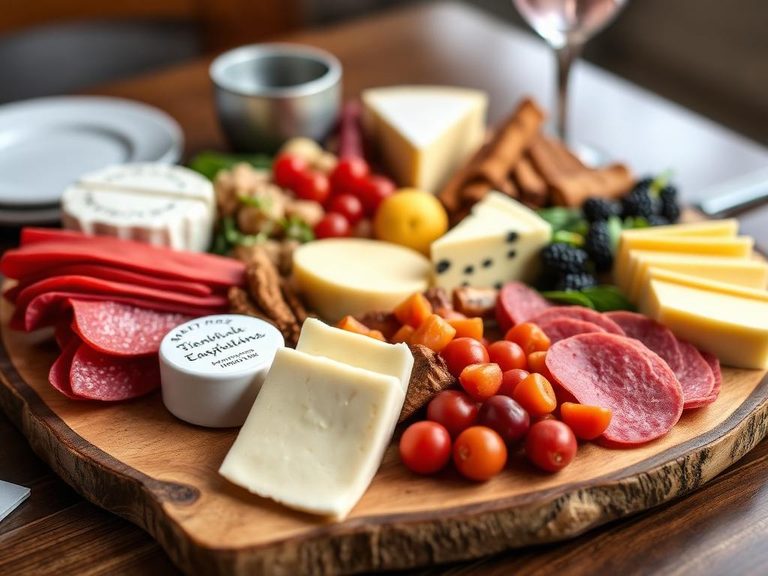
A classic pairing of aged cheese and a glass of wine, offering a rich, savory experience with a creamy, sometimes crumbly texture and a complex, tangy flavor profile. Nutritionally, it's a potent source of protein and fat, providing sustained energy and essential amino acids. The combination is a cornerstone of gourmet tasting, balancing the cheese's saltiness with the wine's acidity or sweetness.
Calorie split: 21% protein · 12% carbs · 68% fat
↓ Full nutrition💚 Why it's loved
People love it for the symphony of flavors—the way a sharp cheddar can cut through a bold red, or a creamy brie can soften a sparkling wine's crispness. It's a versatile ritual, from a simple snack to a sophisticated tasting course, deeply embedded in social dining and celebration.
⚠️ Watch-outs & how to enjoy it better
The high saturated fat and calorie density can be a concern for those monitoring heart health or weight. The combination is also high in sodium and contains common allergens (milk, sulfites in wine). To counteract, practice strict portion control (stick to 1-2 oz of cheese), choose lower-sodium varieties, and pair with fiber-rich accompaniments like whole-grain crackers or fresh fruit to slow digestion and balance the meal.
Key benefits
- High-quality complete protein for muscle maintenance
- Rich in calcium for bone health
- Provides fat-soluble vitamins like A and K2
- The fat content enhances absorption of fat-soluble nutrients
- A culturally significant social and culinary ritual
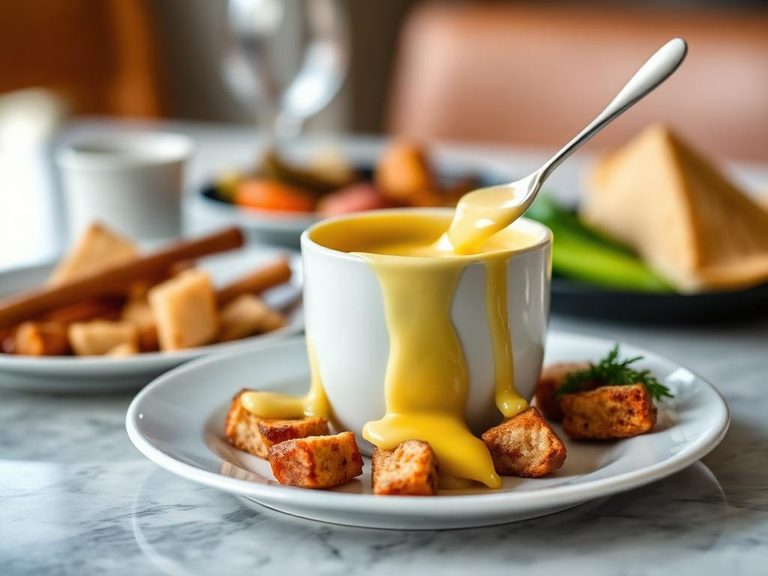
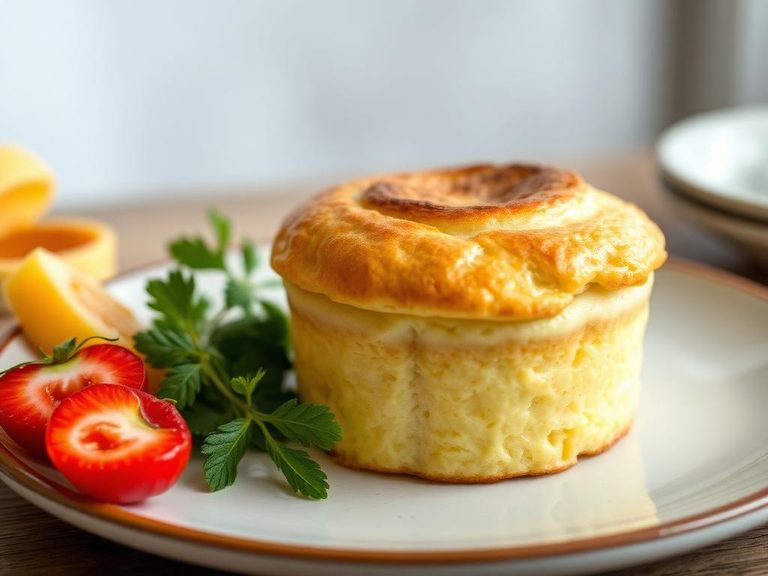
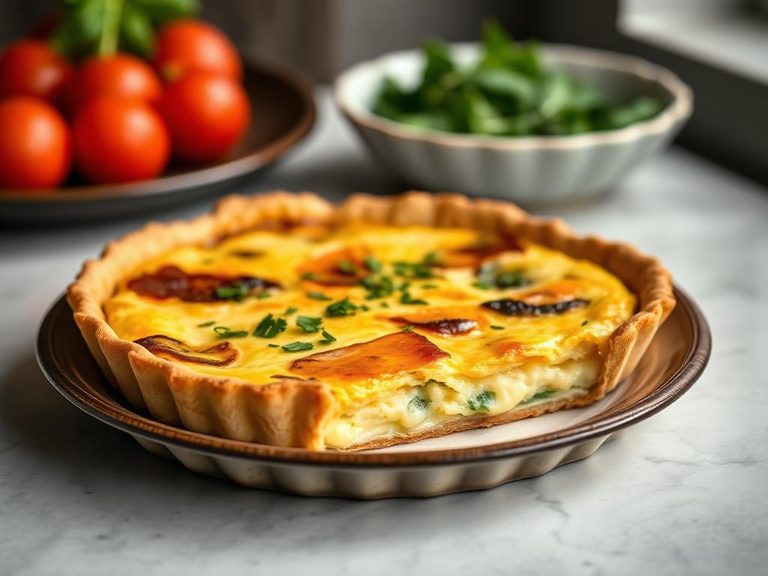
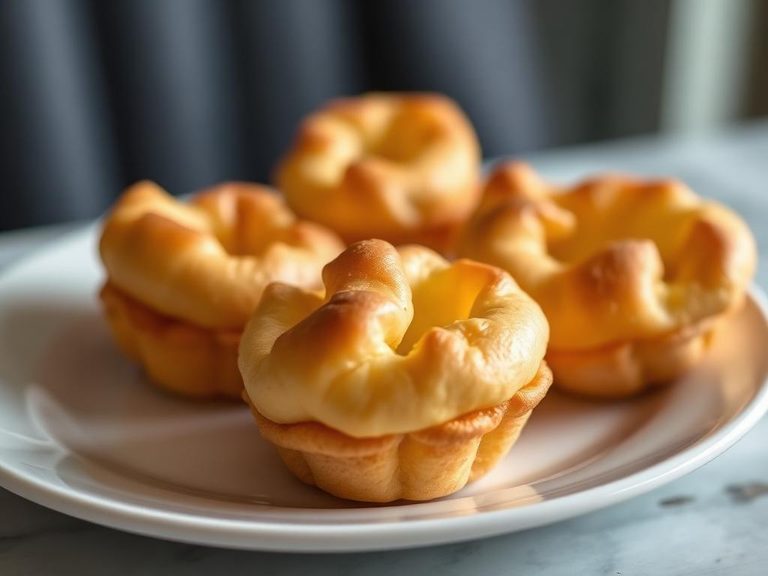
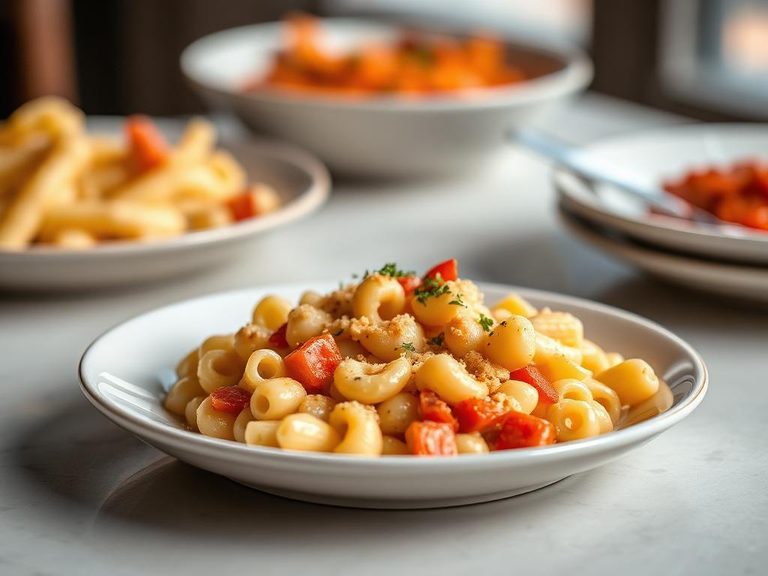
🍽️ Popular dishes
🌍 Where it's eaten
💡 Did you know?
The practice of pairing cheese and wine is so ancient that the Roman god Bacchus (of wine) was often depicted alongside Ceres (of cheese and agriculture) in celebratory art.
Full nutrition (USDA data · scales with serving)
| Water | 45.1 g |
| Energy | 307 kcal |
| Protein | 16.1 g |
| Total lipid (fat) | 23.1 g |
| Carbohydrate, by difference | 8.8 g |
| Fiber, total dietary | 0.00 g |
| Total Sugars | 6.2 g |
| Calcium, Ca | 1375 mg |
| Iron, Fe | 0.95 mg |
| Magnesium, Mg | 34.0 mg |
| Phosphorus, P | 768 mg |
| Potassium, K | 295 mg |
| Sodium, Na | 1279 mg |
| Zinc, Zn | 2.2 mg |
| Copper, Cu | 0.03 mg |
| Selenium, Se | 16.2 ug |
| Vitamin C, total ascorbic acid | 0.00 mg |
| Thiamin | 0.04 mg |
| Riboflavin | 0.42 mg |
| Niacin | 0.17 mg |
| Vitamin B-6 | 0.12 mg |
| Folate, total | 18.0 ug |
| Folic acid | 0.00 ug |
| Folate, food | 18.0 ug |
| Folate, DFE | 18.0 ug |
| Choline, total | 35.8 mg |
| Vitamin B-12 | 1.5 ug |
| Vitamin B-12, added | 0.00 ug |
| Vitamin A, RAE | 270 ug |
| Retinol | 248 ug |
| Carotene, beta | 248 ug |
| Carotene, alpha | 1.0 ug |
| Cryptoxanthin, beta | 23.0 ug |
| Lycopene | 0.00 ug |
| Lutein + zeaxanthin | 60.0 ug |
| Vitamin E (alpha-tocopherol) | 0.84 mg |
| Vitamin E, added | 0.00 mg |
| Vitamin D (D2 + D3) | 6.5 ug |
| Vitamin K (phylloquinone) | 3.1 ug |
| Alcohol, ethyl | 0.00 g |
| Caffeine | 0.00 mg |
| Theobromine | 0.00 mg |
Fat & fatty acid profile (per 100g)
| Fatty acids, total saturated | 12.9 g |
| SFA 4:0 | 0.44 g |
| SFA 6:0 | 0.37 g |
| SFA 8:0 | 0.24 g |
| SFA 10:0 | 0.57 g |
| SFA 12:0 | 0.68 g |
| SFA 14:0 | 2.1 g |
| SFA 16:0 | 5.9 g |
| SFA 18:0 | 2.2 g |
| Fatty acids, total monounsaturated | 5.7 g |
| MUFA 16:1 | 0.38 g |
| MUFA 18:1 | 5.0 g |
| MUFA 20:1 | 0.04 g |
| MUFA 22:1 | 0.00 g |
| Fatty acids, total polyunsaturated | 0.99 g |
| PUFA 18:2 | 0.80 g |
| PUFA 18:3 | 0.10 g |
| PUFA 18:4 | 0.01 g |
| PUFA 20:4 | 0.03 g |
| PUFA 20:5 n-3 (EPA) | 0.01 g |
| PUFA 22:5 n-3 (DPA) | 0.01 g |
| PUFA 22:6 n-3 (DHA) | 0.00 g |
| Cholesterol | 78.0 mg |
Amino acid profile (per 100g)
Estimated from Crackers, cheese, sandwich-type with cheese filling — USDA does not publish this profile for Cheese.
| Tryptophan | 0.11 g |
| Threonine | 0.33 g |
| Isoleucine | 0.36 g |
| Leucine | 0.64 g |
| Lysine | 0.39 g |
| Methionine | 0.15 g |
| Cystine | 0.15 g |
| Phenylalanine | 0.35 g |
| Tyrosine | 0.25 g |
| Valine | 0.38 g |
| Arginine | 0.29 g |
| Histidine | 0.17 g |
| Alanine | 0.30 g |
| Aspartic acid | 0.52 g |
| Glutamic acid | 2.2 g |
| Glycine | 0.24 g |
| Proline | 0.77 g |
| Serine | 0.40 g |
FAQ
What's the best type of wine to pair with cheese?
A classic rule is to pair regional wines with regional cheeses (e.g., Italian Chianti with Parmigiano-Reggiano). As a general guide, bold reds (Cabernet, Syrah) pair with hard, aged cheeses, while crisp whites (Sauvignon Blanc, Riesling) complement soft, fresh cheeses. Sweet wines like Port are legendary with blue cheeses.
Is this combination healthy?
It can be part of a balanced diet in moderation. The cheese provides valuable protein and calcium, while wine (especially red) contains antioxidants like resveratrol. The key is portion control—stick to 1-2 ounces of cheese and one 5-oz glass of wine—to manage calories, fat, and alcohol intake.
Why do some cheeses and wines taste bad together?
It's often a clash of intensity or flavor compounds. A very tannic red wine can taste metallic with a creamy, high-fat cheese. Conversely, a delicate white wine can be completely overwhelmed by a pungent blue cheese. The goal is balance, where neither the food nor the drink dominates.
Nutrient density (calculated · NRF9.3)
Nutrient Rich Foods index: beneficial nutrients (protein, fiber, vitamins, minerals) minus saturated fat, added sugar & sodium, per 100 kcal.
NRF9.3 index — Fulgoni, Keast & Drewnowski, 2009. Computed from USDA nutrients.
Weight-loss friendliness (composite index)
Energy density 3.07 kcal/g · 21% calories from protein · 0.0 g fiber · 6.2 g sugar per 100 g.
Composite of energy density (Rolls et al., 1999), protein & fiber satiety, minus sugar. A calculated heuristic — ranks satiety-per-calorie, not a clinical measure.
Dietary load (calculated from USDA values)
Potential renal acid load. Positive = acid-forming, negative = alkaline-forming.
Sodium-to-potassium ratio: 4.34 (lower is better — aim for ≤ 1)
Sodium:potassium per WHO potassium guidance. Computed from USDA nutrients.