

Cheese sauce
Common food
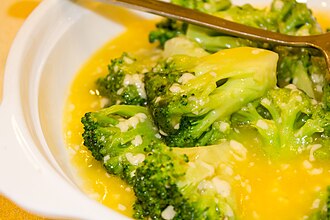
Photo: Wikipedia
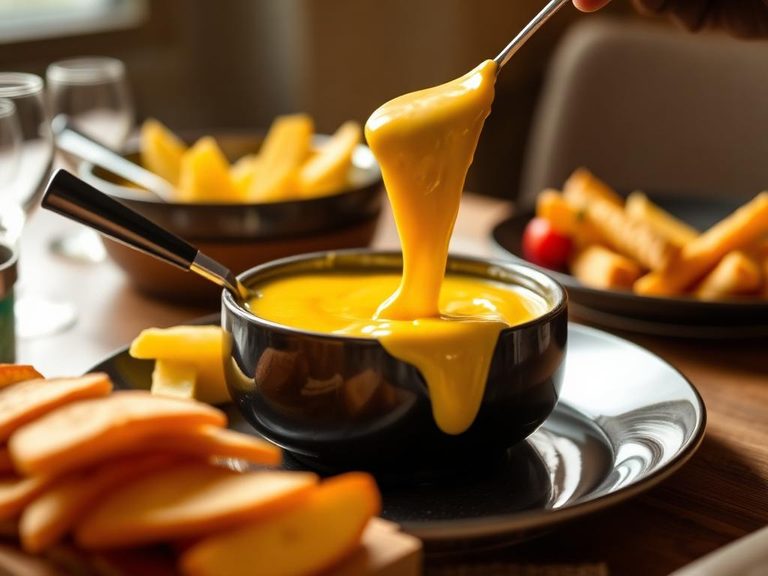
A rich, velvety sauce made from melted cheese, milk, and often a roux base, delivering a smooth, creamy texture that coats pasta and vegetables luxuriously. Its golden hue and savory depth come from aged cheddar or Gruyère, while the fat content provides a satisfying mouthfeel. Nutritionally, it's a calorie-dense source of fat and protein, ideal for adding richness to meals.
Calorie split: 8% protein · 19% carbs · 73% fat
↓ Full nutrition💚 Why it's loved
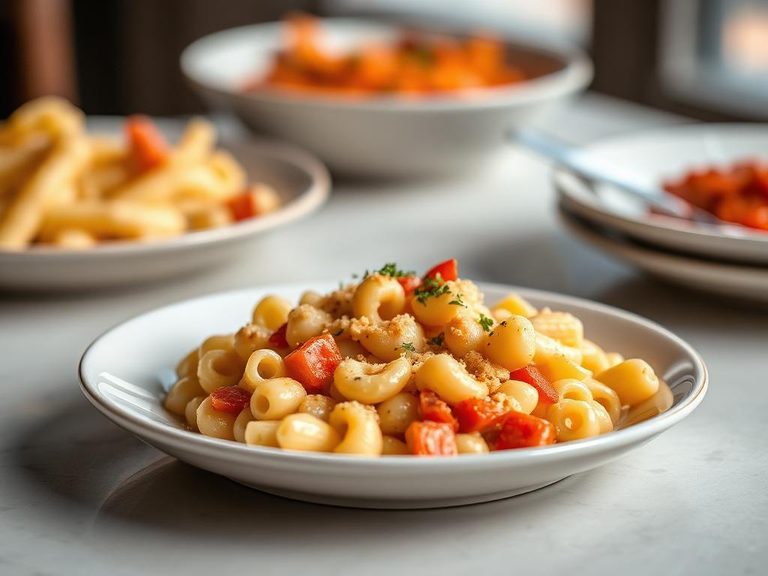
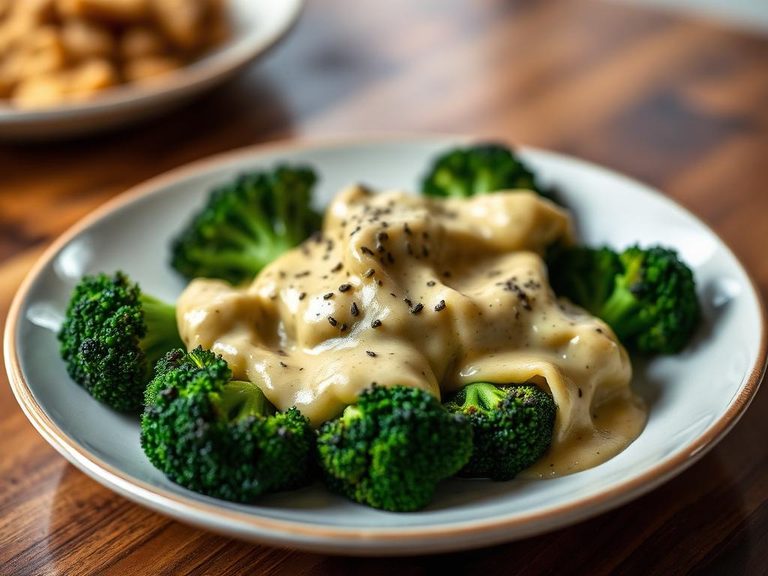
People adore cheese sauce for its comforting, indulgent flavor that transforms simple dishes like macaroni or broccoli into hearty meals. Its cultural ties to comfort food traditions, from American mac and cheese to Welsh rarebit, make it a nostalgic favorite.
⚠️ Watch-outs & how to enjoy it better
High in saturated fat and sodium, it can contribute to heart health concerns if overconsumed, and the lactose content may cause digestive issues for some. To counteract, pair with fiber-rich vegetables like steamed broccoli, use low-fat cheese alternatives, or limit portions to 2-3 tablespoons per serving.
Key benefits
- Provides calcium for bone health
- Offers protein for muscle maintenance
- Enhances palatability of vegetables
- Quick energy from fats and carbs
- Versatile base for many dishes
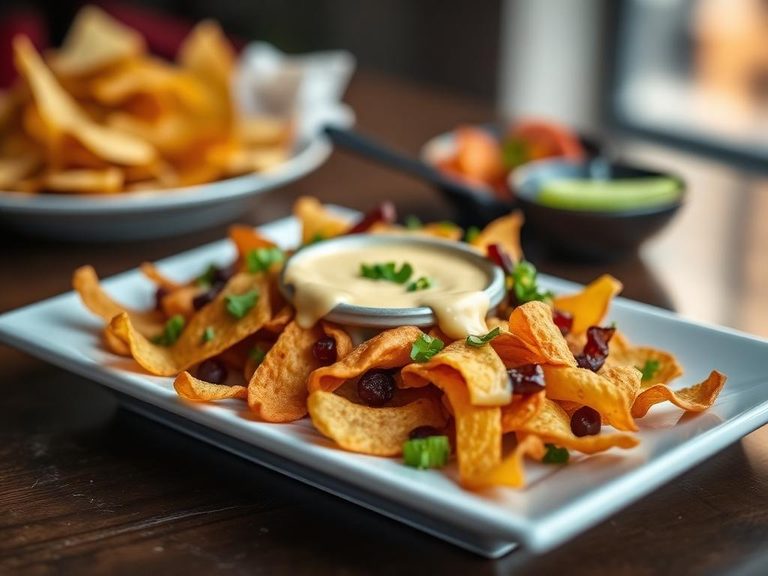
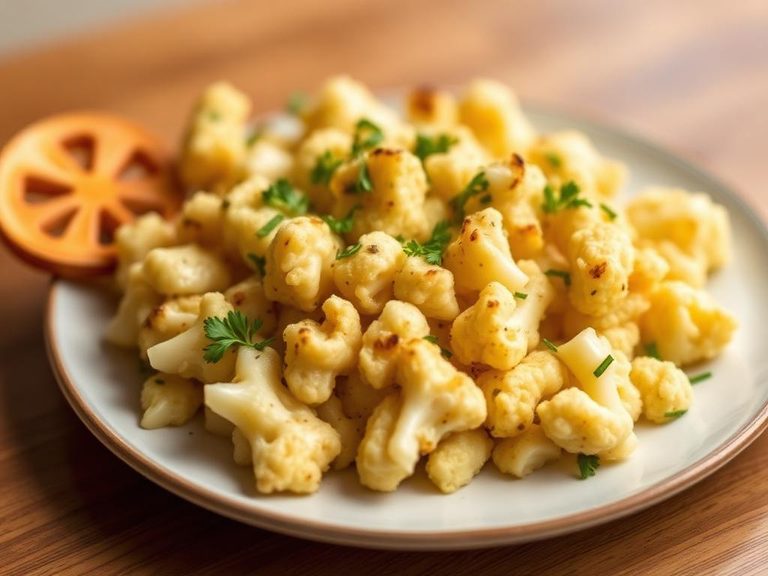
🍽️ Popular dishes

🌍 Where it's eaten
💡 Did you know?
The first recorded cheese sauce recipe dates back to the 14th century in England, where it was called 'melted cheese' and used as a topping for bread.
Full nutrition (USDA data · scales with serving)
| Water | 73.7 g |
| Energy | 163 kcal |
| Protein | 3.1 g |
| Total lipid (fat) | 13.3 g |
| Carbohydrate, by difference | 7.9 g |
| Fiber, total dietary | 0.30 g |
| Total Sugars | 0.29 g |
| Calcium, Ca | 71.0 mg |
| Iron, Fe | 0.56 mg |
| Magnesium, Mg | 6.0 mg |
| Phosphorus, P | 55.0 mg |
| Potassium, K | 27.0 mg |
| Sodium, Na | 656 mg |
| Zinc, Zn | 0.42 mg |
| Copper, Cu | 0.02 mg |
| Selenium, Se | 2.8 ug |
| Vitamin C, total ascorbic acid | 0.00 mg |
| Thiamin | 0.09 mg |
| Riboflavin | 0.08 mg |
| Niacin | 0.67 mg |
| Vitamin B-6 | 0.01 mg |
| Folate, total | 15.0 ug |
| Folic acid | 12.0 ug |
| Folate, food | 4.0 ug |
| Folate, DFE | 24.0 ug |
| Choline, total | 3.1 mg |
| Vitamin B-12 | 0.09 ug |
| Vitamin B-12, added | 0.00 ug |
| Vitamin A, RAE | 19.0 ug |
| Retinol | 19.0 ug |
| Carotene, beta | 0.00 ug |
| Carotene, alpha | 0.00 ug |
| Cryptoxanthin, beta | 0.00 ug |
| Lycopene | 0.00 ug |
| Lutein + zeaxanthin | 2.0 ug |
| Vitamin E (alpha-tocopherol) | 2.0 mg |
| Vitamin E, added | 0.00 mg |
| Vitamin D (D2 + D3) | 0.00 ug |
| Vitamin K (phylloquinone) | 10.5 ug |
| Alcohol, ethyl | 0.00 g |
| Caffeine | 0.00 mg |
| Theobromine | 0.00 mg |
Fat & fatty acid profile (per 100g)
| Fatty acids, total saturated | 3.1 g |
| SFA 4:0 | 0.09 g |
| SFA 6:0 | 0.02 g |
| SFA 8:0 | 0.03 g |
| SFA 10:0 | 0.05 g |
| SFA 12:0 | 0.09 g |
| SFA 14:0 | 0.27 g |
| SFA 16:0 | 1.8 g |
| SFA 18:0 | 0.55 g |
| Fatty acids, total monounsaturated | 4.9 g |
| MUFA 16:1 | 0.12 g |
| MUFA 18:1 | 4.9 g |
| MUFA 20:1 | 0.07 g |
| MUFA 22:1 | 0.00 g |
| Fatty acids, total polyunsaturated | 4.1 g |
| PUFA 18:2 | 3.6 g |
| PUFA 18:3 | 0.47 g |
| PUFA 18:4 | 0.00 g |
| PUFA 20:4 | 0.00 g |
| PUFA 20:5 n-3 (EPA) | 0.00 g |
| PUFA 22:5 n-3 (DPA) | 0.00 g |
| PUFA 22:6 n-3 (DHA) | 0.00 g |
| Cholesterol | 9.0 mg |
Amino acid profile (per 100g)
Estimated from Macaroni and cheese, box mix with cheese sauce, unprepared — USDA does not publish this profile for Cheese sauce.
| Tryptophan | 0.15 g |
| Threonine | 0.40 g |
| Isoleucine | 0.47 g |
| Leucine | 0.86 g |
| Lysine | 0.42 g |
| Methionine | 0.16 g |
| Cystine | 0.17 g |
| Phenylalanine | 0.52 g |
| Tyrosine | 0.29 g |
| Valine | 0.54 g |
| Arginine | 0.38 g |
| Histidine | 0.25 g |
| Alanine | 0.35 g |
| Aspartic acid | 0.59 g |
| Glutamic acid | 3.2 g |
| Glycine | 0.31 g |
| Proline | 1.2 g |
| Serine | 0.52 g |
| Hydroxyproline | 0.00 g |
FAQ
Is cheese sauce gluten-free?
Traditional cheese sauce uses a roux made with flour, so it contains gluten. For gluten-free versions, use cornstarch or gluten-free flour as a thickener.
Can I make cheese sauce without dairy?
Yes, you can use plant-based cheeses and milk alternatives like almond or soy milk, though the texture and flavor may differ slightly.
How long does homemade cheese sauce last?
It can be stored in an airtight container in the refrigerator for 3-4 days. Reheat gently to avoid separation.
Nutrient density (calculated · NRF9.3)
Nutrient Rich Foods index: beneficial nutrients (protein, fiber, vitamins, minerals) minus saturated fat, added sugar & sodium, per 100 kcal.
NRF9.3 index — Fulgoni, Keast & Drewnowski, 2009. Computed from USDA nutrients.
Weight-loss friendliness (composite index)
Energy density 1.63 kcal/g · 8% calories from protein · 0.3 g fiber · 0.3 g sugar per 100 g.
Composite of energy density (Rolls et al., 1999), protein & fiber satiety, minus sugar. A calculated heuristic — ranks satiety-per-calorie, not a clinical measure.
Dietary load (calculated from USDA values)
Potential renal acid load. Positive = acid-forming, negative = alkaline-forming.
Sodium-to-potassium ratio: 24.30 (lower is better — aim for ≤ 1)
Sodium:potassium per WHO potassium guidance. Computed from USDA nutrients.