

Cheese, American, reduced fat
Common food

Photo: Wikipedia
Reduced-fat American cheese is a processed cheese product engineered for meltability and a mild, salty, creamy flavor profile. Its texture is famously smooth and pliable, lacking the crystalline bite of aged cheeses, making it a staple for quick, comforting meals. Nutritionally, it provides a solid protein punch (17.6g per 100g) while cutting down on the saturated fat found in traditional American cheese.
Calorie split: 29% protein · 18% carbs · 53% fat
↓ Full nutrition💚 Why it's loved
People love it for its unparalleled ability to melt into a gooey, cohesive blanket over burgers, eggs, and sandwiches without separating. It is a cultural icon of American comfort food, offering a nostalgic, savory flavor that is both familiar and satisfyingly salty.
⚠️ Watch-outs & how to enjoy it better
It is often criticized for its high sodium content and processed nature, which can contribute to water retention and may be a concern for those monitoring blood pressure. To counteract this, pair it with potassium-rich foods like leafy greens or tomatoes, and strictly practice portion control by using a single slice instead of multiple layers.
Key benefits
- High protein content for muscle maintenance
- Lower fat and calorie count compared to full-fat American cheese
- Excellent melting properties for hot dishes
- Fortified with calcium for bone health
- Consistent, mild flavor profile
🍽️ Popular dishes
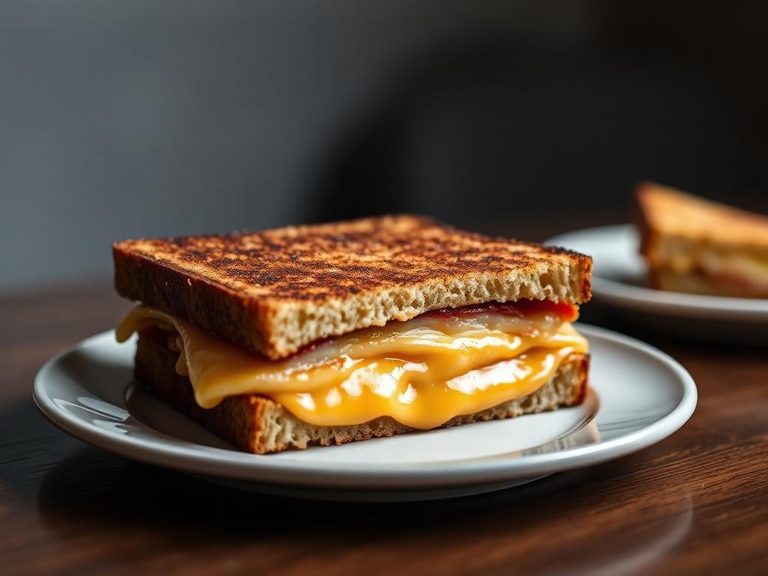
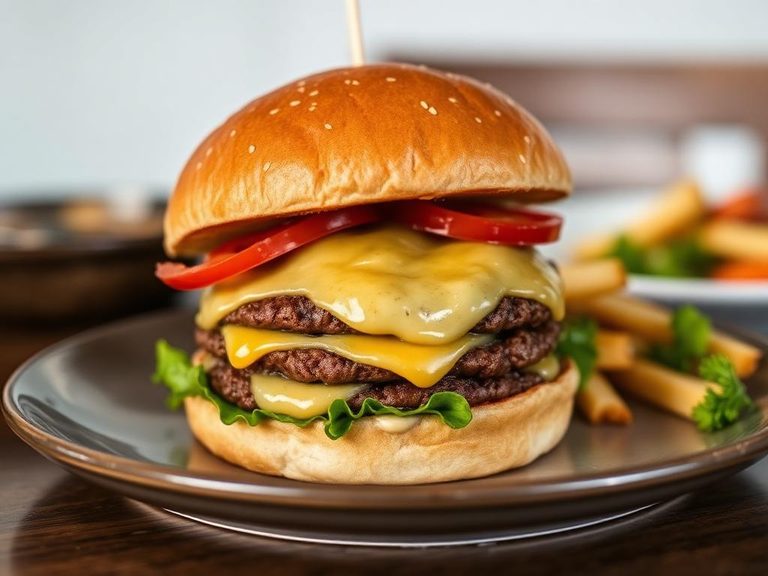
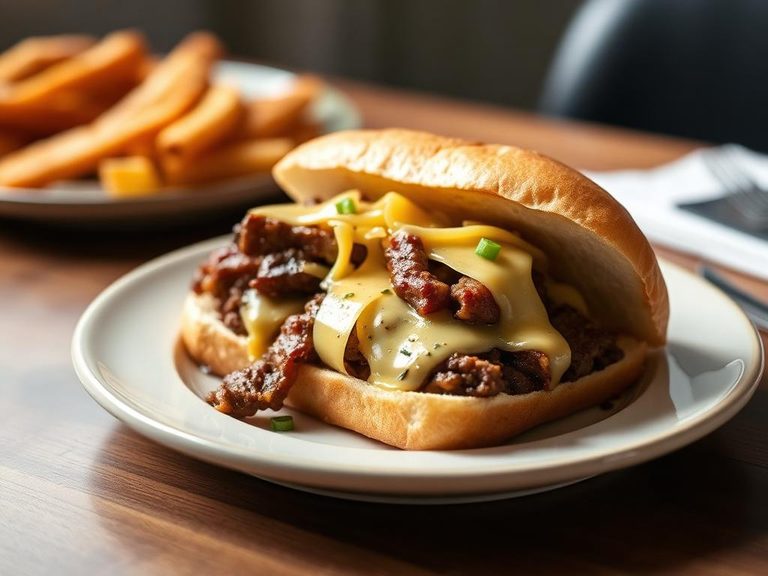
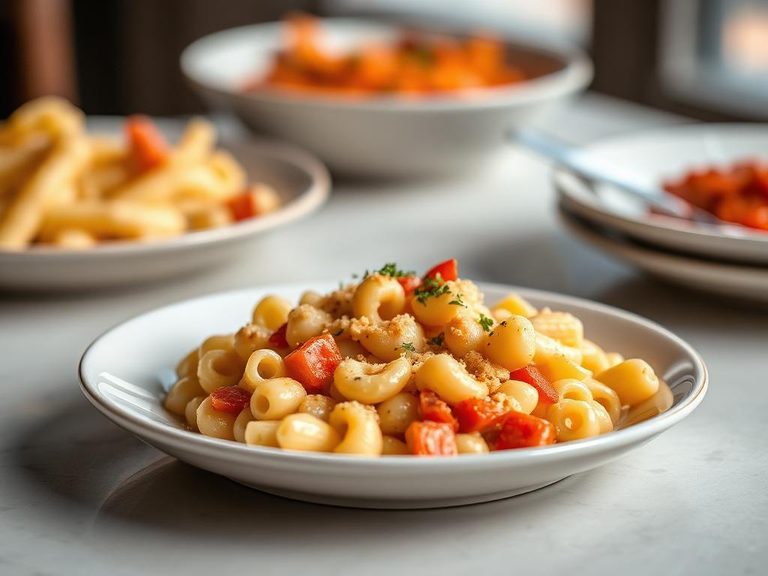
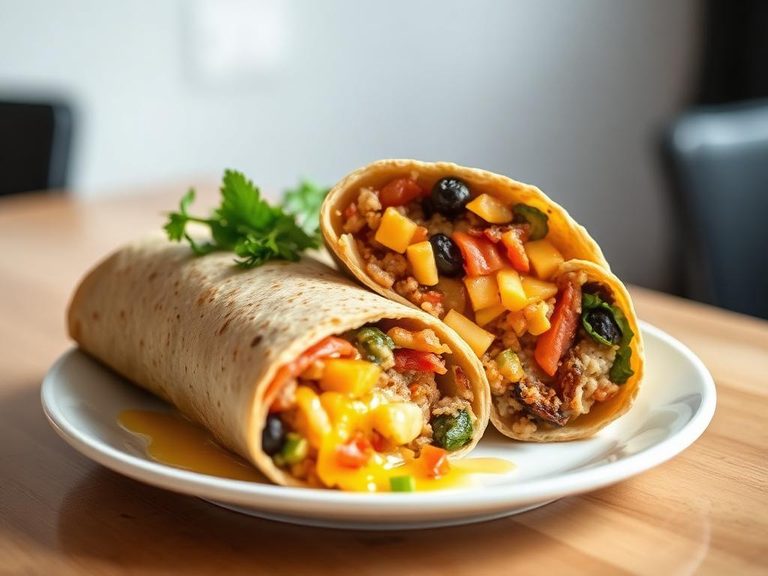
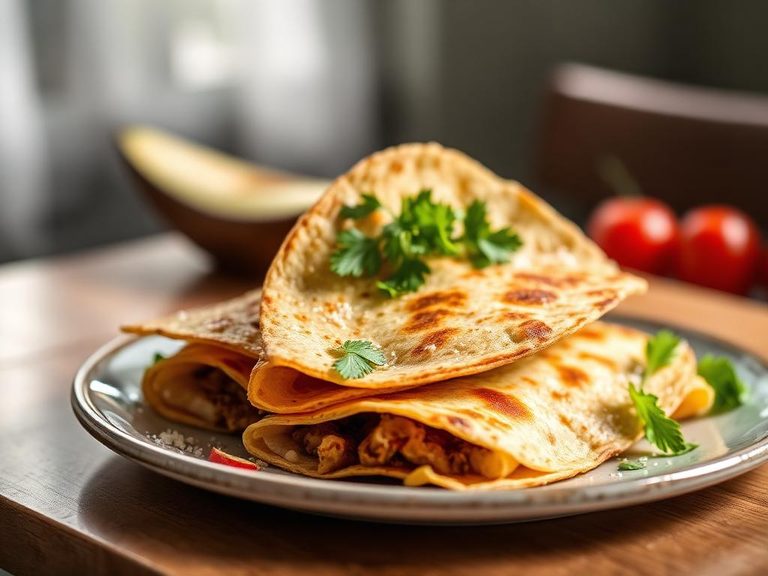
🌍 Where it's eaten
💡 Did you know?
American cheese was originally developed in the 1910s by James L. Kraft, who patented a process for making processed cheese that could be mass-produced and had a significantly longer shelf life than natural cheese.
Full nutrition (USDA data · scales with serving)
| Water | 51.8 g |
| Energy | 240 kcal |
| Protein | 17.6 g |
| Total lipid (fat) | 14.1 g |
| Carbohydrate, by difference | 10.6 g |
| Fiber, total dietary | 0.00 g |
| Total Sugars | 8.0 g |
| Calcium, Ca | 529 mg |
| Iron, Fe | 0.20 mg |
| Magnesium, Mg | 33.0 mg |
| Phosphorus, P | 829 mg |
| Potassium, K | 330 mg |
| Sodium, Na | 1201 mg |
| Zinc, Zn | 2.4 mg |
| Copper, Cu | 0.03 mg |
| Selenium, Se | 12.4 ug |
| Vitamin C, total ascorbic acid | 0.00 mg |
| Thiamin | 0.07 mg |
| Riboflavin | 0.48 mg |
| Niacin | 0.18 mg |
| Vitamin B-6 | 0.08 mg |
| Folate, total | 18.0 ug |
| Folic acid | 0.00 ug |
| Folate, food | 18.0 ug |
| Folate, DFE | 18.0 ug |
| Choline, total | 36.2 mg |
| Vitamin B-12 | 1.1 ug |
| Vitamin B-12, added | 0.00 ug |
| Vitamin A, RAE | 250 ug |
| Retinol | 243 ug |
| Carotene, beta | 80.0 ug |
| Carotene, alpha | 0.00 ug |
| Cryptoxanthin, beta | 0.00 ug |
| Lycopene | 0.00 ug |
| Lutein + zeaxanthin | 0.00 ug |
| Vitamin E (alpha-tocopherol) | 0.27 mg |
| Vitamin E, added | 0.00 mg |
| Vitamin D (D2 + D3) | 5.3 ug |
| Vitamin K (phylloquinone) | 2.6 ug |
| Alcohol, ethyl | 0.00 g |
| Caffeine | 0.00 mg |
| Theobromine | 0.00 mg |
Fat & fatty acid profile (per 100g)
| Fatty acids, total saturated | 8.8 g |
| SFA 4:0 | 0.46 g |
| SFA 6:0 | 0.27 g |
| SFA 8:0 | 0.21 g |
| SFA 10:0 | 0.34 g |
| SFA 12:0 | 0.42 g |
| SFA 14:0 | 1.4 g |
| SFA 16:0 | 3.9 g |
| SFA 18:0 | 1.6 g |
| Fatty acids, total monounsaturated | 4.1 g |
| MUFA 16:1 | 0.37 g |
| MUFA 18:1 | 3.5 g |
| MUFA 20:1 | 0.00 g |
| MUFA 22:1 | 0.00 g |
| Fatty acids, total polyunsaturated | 0.41 g |
| PUFA 18:2 | 0.27 g |
| PUFA 18:3 | 0.15 g |
| PUFA 18:4 | 0.00 g |
| PUFA 20:4 | 0.00 g |
| PUFA 20:5 n-3 (EPA) | 0.00 g |
| PUFA 22:5 n-3 (DPA) | 0.00 g |
| PUFA 22:6 n-3 (DHA) | 0.00 g |
| Cholesterol | 53.0 mg |
Amino acid profile (per 100g)
Estimated from Crackers, cheese, sandwich-type with cheese filling — USDA does not publish this profile for Cheese.
| Tryptophan | 0.11 g |
| Threonine | 0.33 g |
| Isoleucine | 0.36 g |
| Leucine | 0.64 g |
| Lysine | 0.39 g |
| Methionine | 0.15 g |
| Cystine | 0.15 g |
| Phenylalanine | 0.35 g |
| Tyrosine | 0.25 g |
| Valine | 0.38 g |
| Arginine | 0.29 g |
| Histidine | 0.17 g |
| Alanine | 0.30 g |
| Aspartic acid | 0.52 g |
| Glutamic acid | 2.2 g |
| Glycine | 0.24 g |
| Proline | 0.77 g |
| Serine | 0.40 g |
FAQ
Is reduced-fat American cheese actually healthier than regular American cheese?
Yes, it generally contains fewer calories and less fat per serving, though it often has similar or even higher sodium levels to maintain flavor.
Can reduced-fat American cheese melt as well as the full-fat version?
It melts very well, but the texture can sometimes be slightly less creamy or more rubbery than full-fat versions due to the lower fat content.
Is it considered real cheese?
It is a processed cheese product, meaning it is made by blending real cheese with other ingredients like emulsifiers and milk, but it is not a 'natural' cheese.
Nutrient density (calculated · NRF9.3)
Nutrient Rich Foods index: beneficial nutrients (protein, fiber, vitamins, minerals) minus saturated fat, added sugar & sodium, per 100 kcal.
NRF9.3 index — Fulgoni, Keast & Drewnowski, 2009. Computed from USDA nutrients.
Weight-loss friendliness (composite index)
Energy density 2.40 kcal/g · 29% calories from protein · 0.0 g fiber · 8.0 g sugar per 100 g.
Composite of energy density (Rolls et al., 1999), protein & fiber satiety, minus sugar. A calculated heuristic — ranks satiety-per-calorie, not a clinical measure.
Dietary load (calculated from USDA values)
Potential renal acid load. Positive = acid-forming, negative = alkaline-forming.
Sodium-to-potassium ratio: 3.64 (lower is better — aim for ≤ 1)
Sodium:potassium per WHO potassium guidance. Computed from USDA nutrients.