

Cereal, oat bran, ready-to-eat
Common food

Photo: Wikipedia
Ready-to-eat oat bran cereal consists of toasted, flaky bits of oat bran, offering a chewy texture and a mild, nutty flavor. It's a high-fiber powerhouse, with nearly 13 grams of fiber per 100g, making it exceptionally filling. A single serving provides a substantial 10.4 grams of plant-based protein.
Calorie split: 10% protein · 67% carbs · 22% fat
↓ Full nutrition💚 Why it's loved
People love its hearty, satisfying chew and subtle nutty taste that serves as a perfect canvas for toppings. It's a quick, no-cook breakfast staple that delivers lasting energy without heaviness.
⚠️ Watch-outs & how to enjoy it better
The high fiber content can cause digestive discomfort like bloating if you're not accustomed to it. Its natural, mild flavor can be perceived as bland on its own. Tip: Start with a small portion and gradually increase intake to let your system adjust. Enhance flavor and balance blood sugar by pairing with protein (Greek yogurt, nuts) and healthy fats (nut butter, seeds).
Key benefits
- Excellent source of soluble fiber (beta-glucan)
- Supports healthy digestion and regularity
- Helps promote a feeling of fullness
- Provides plant-based protein
- Low in fat relative to its fiber and protein content
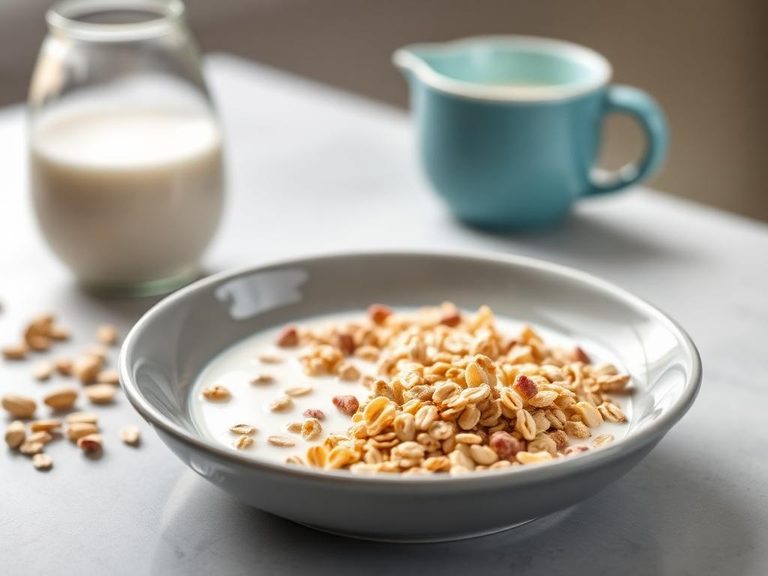
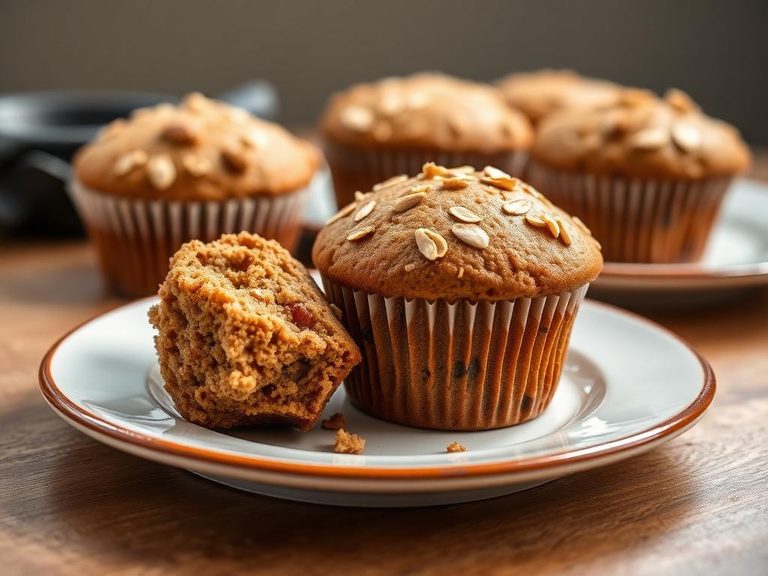
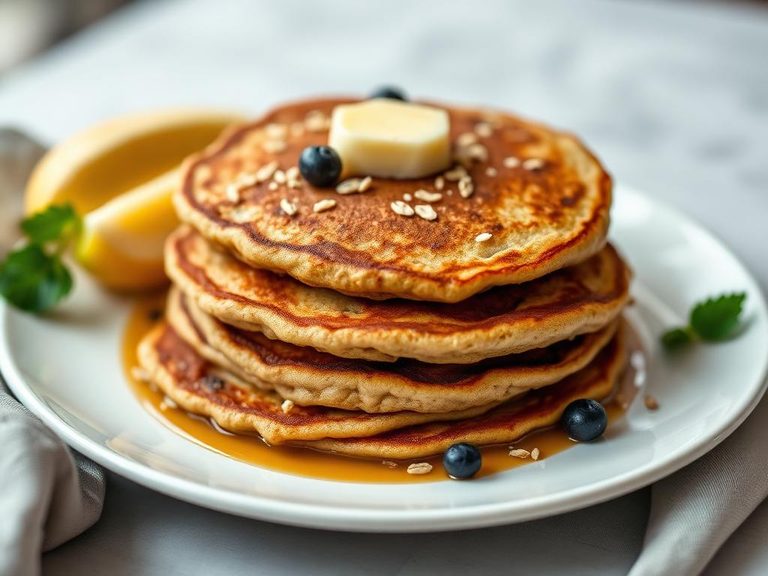
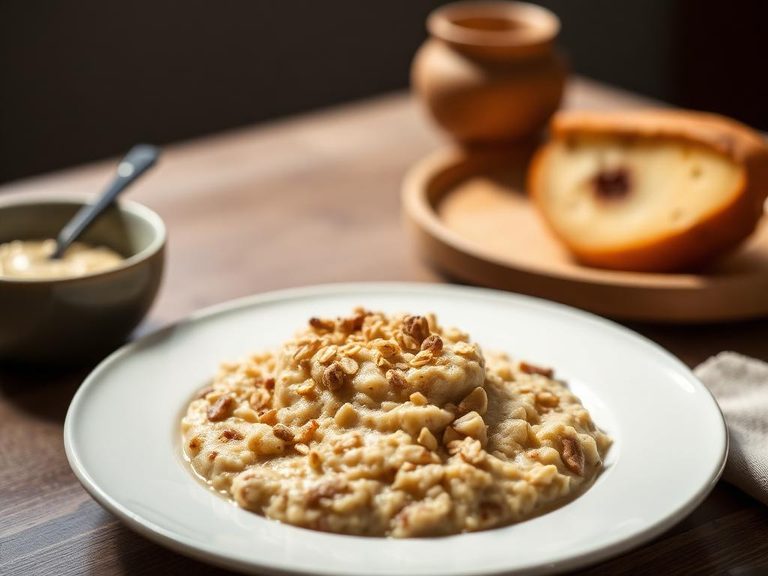
🍽️ Popular dishes
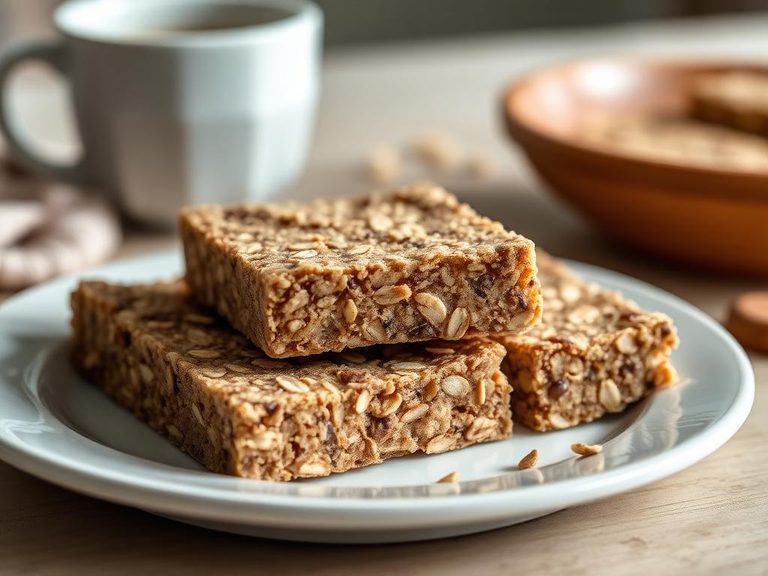
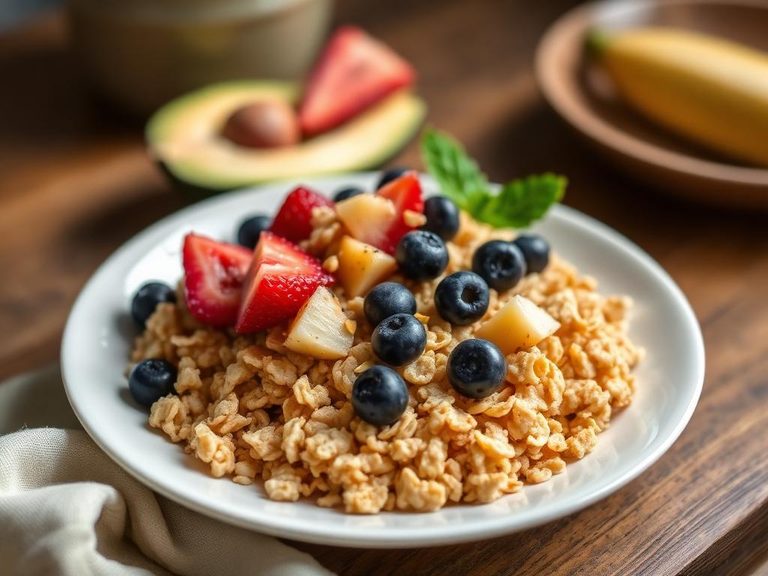
🌍 Where it's eaten
💡 Did you know?
Oat bran is the outer layer of the oat groat, and it contains the highest concentration of beta-glucan, the soluble fiber linked to heart health benefits.
Full nutrition (USDA data · scales with serving)
| Water | 8.6 g |
| Energy | 403 kcal |
| Protein | 10.4 g |
| Total lipid (fat) | 10.2 g |
| Carbohydrate, by difference | 68.3 g |
| Fiber, total dietary | 12.9 g |
| Total Sugars | 15.6 g |
| Calcium, Ca | 42.0 mg |
| Iron, Fe | 12.3 mg |
| Magnesium, Mg | 109 mg |
| Phosphorus, P | 324 mg |
| Potassium, K | 287 mg |
| Sodium, Na | 235 mg |
| Zinc, Zn | 2.9 mg |
| Copper, Cu | 0.31 mg |
| Selenium, Se | 23.0 ug |
| Vitamin C, total ascorbic acid | 0.00 mg |
| Thiamin | 0.36 mg |
| Riboflavin | 0.13 mg |
| Niacin | 0.89 mg |
| Vitamin B-6 | 0.08 mg |
| Folate, total | 25.0 ug |
| Folic acid | 0.00 ug |
| Folate, food | 25.0 ug |
| Folate, DFE | 25.0 ug |
| Choline, total | 32.0 mg |
| Vitamin B-12 | 0.00 ug |
| Vitamin B-12, added | 0.00 ug |
| Vitamin A, RAE | 0.00 ug |
| Retinol | 0.00 ug |
| Carotene, beta | 0.00 ug |
| Carotene, alpha | 0.00 ug |
| Cryptoxanthin, beta | 0.00 ug |
| Lycopene | 0.00 ug |
| Lutein + zeaxanthin | 142 ug |
| Vitamin E (alpha-tocopherol) | 0.85 mg |
| Vitamin E, added | 0.00 mg |
| Vitamin D (D2 + D3) | 0.00 ug |
| Vitamin K (phylloquinone) | 9.3 ug |
| Alcohol, ethyl | 0.00 g |
| Caffeine | 0.00 mg |
| Theobromine | 0.00 mg |
Fat & fatty acid profile (per 100g)
| Fatty acids, total saturated | 2.5 g |
| SFA 4:0 | 0.00 g |
| SFA 6:0 | 0.00 g |
| SFA 8:0 | 0.00 g |
| SFA 10:0 | 0.00 g |
| SFA 12:0 | 0.02 g |
| SFA 14:0 | 0.01 g |
| SFA 16:0 | 1.2 g |
| SFA 18:0 | 1.2 g |
| Fatty acids, total monounsaturated | 3.1 g |
| MUFA 16:1 | 0.01 g |
| MUFA 18:1 | 3.1 g |
| MUFA 20:1 | 0.02 g |
| MUFA 22:1 | 0.00 g |
| Fatty acids, total polyunsaturated | 3.4 g |
| PUFA 18:2 | 3.2 g |
| PUFA 18:3 | 0.16 g |
| PUFA 18:4 | 0.00 g |
| PUFA 20:4 | 0.00 g |
| PUFA 20:5 n-3 (EPA) | 0.00 g |
| PUFA 22:5 n-3 (DPA) | 0.00 g |
| PUFA 22:6 n-3 (DHA) | 0.00 g |
| Cholesterol | 0.00 mg |
Amino acid profile (per 100g)
Estimated from Cereals ready-to-eat, POST, HONEY BUNCHES OF OATS, honey roasted — USDA does not publish this profile for Cereal.
| Tryptophan | 0.09 g |
| Threonine | 0.24 g |
| Isoleucine | 0.26 g |
| Leucine | 0.80 g |
| Lysine | 0.12 g |
| Methionine | 0.10 g |
| Cystine | 0.11 g |
| Phenylalanine | 0.39 g |
| Tyrosine | 0.21 g |
| Valine | 0.34 g |
| Arginine | 0.24 g |
| Histidine | 0.18 g |
| Alanine | 0.46 g |
| Aspartic acid | 0.48 g |
| Glutamic acid | 1.9 g |
| Glycine | 0.27 g |
| Proline | 0.49 g |
| Serine | 0.38 g |
FAQ
Is oat bran cereal gluten-free?
Pure oat bran is naturally gluten-free, but it is often processed in facilities that handle wheat. Look for brands certified as gluten-free if you have celiac disease or sensitivity.
How does it differ from regular oatmeal?
Oat bran cereal is made specifically from the bran (outer layer) of the oat, while oatmeal (like rolled oats) uses the whole groat. This makes oat bran higher in fiber and protein but lower in carbohydrates.
Can I eat it raw or uncooked?
Yes, as a ready-to-eat cereal, it is pre-cooked and safe to eat dry or with cold milk/yogurt. It does not require cooking.
Nutrient density (calculated · NRF9.3)
Nutrient Rich Foods index: beneficial nutrients (protein, fiber, vitamins, minerals) minus saturated fat, added sugar & sodium, per 100 kcal.
NRF9.3 index — Fulgoni, Keast & Drewnowski, 2009. Computed from USDA nutrients.
Weight-loss friendliness (composite index)
Energy density 4.03 kcal/g · 10% calories from protein · 12.9 g fiber · 15.6 g sugar per 100 g.
Composite of energy density (Rolls et al., 1999), protein & fiber satiety, minus sugar. A calculated heuristic — ranks satiety-per-calorie, not a clinical measure.
Dietary load (calculated from USDA values)
Potential renal acid load. Positive = acid-forming, negative = alkaline-forming.
Sodium-to-potassium ratio: 0.82 (lower is better — aim for ≤ 1)
Sodium:potassium per WHO potassium guidance. Computed from USDA nutrients.