

Canola oil
Common food
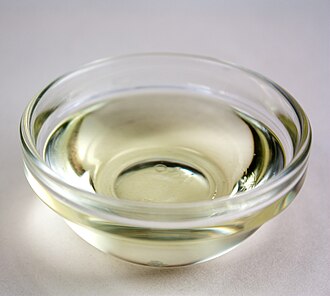
Photo: Wikipedia
Canola oil is a pale golden, neutral-flavored oil pressed from the seeds of the rapeseed plant, prized for its clean taste and smooth, light texture. Nutritionally, it's a powerhouse of heart-healthy monounsaturated fats and a good source of omega-3 ALA. Its high smoke point makes it a versatile workhorse in both kitchens and food manufacturing.
Calorie split: 0% protein · 0% carbs · 100% fat
↓ Full nutrition💚 Why it's loved
People love canola oil for its incredibly neutral taste, which lets the flavors of the food shine through, and its versatility for everything from salad dressings to high-heat searing. It's a staple in many modern kitchens for its functional reliability and perceived health benefits.
⚠️ Watch-outs & how to enjoy it better
Some critics point to its highly refined processing, which strips away minor nutrients, and its high omega-6 content if not balanced with other fats. For those watching caloric density, its pure fat content (900 kcal per 100g) requires mindful portioning; using a non-stick pan or measuring spoons can help control intake.
Key benefits
- Low in saturated fat and high in heart-healthy monounsaturated fats.
- Good plant-based source of omega-3 ALA fatty acids.
- High smoke point (around 400°F/204°C) suitable for frying and sautéing.
- Neutral flavor profile doesn't overpower other ingredients.
🍽️ Popular dishes
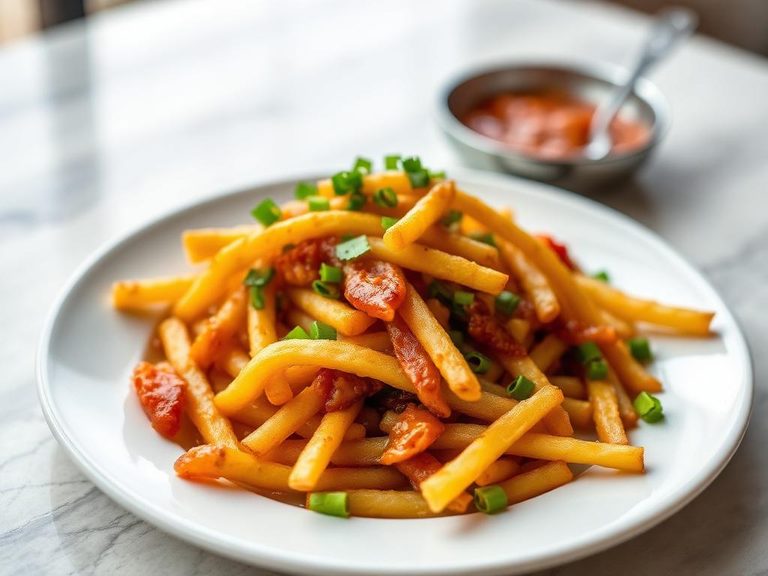


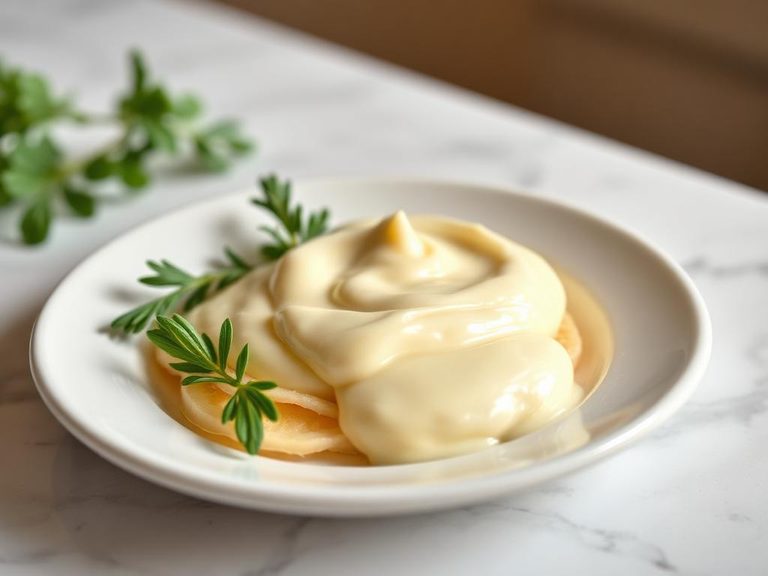


🌍 Where it's eaten
💡 Did you know?
The name 'canola' is a portmanteau of 'Canadian oil, low acid,' as the plant was bred in Canada in the 1970s to reduce the harmful erucic acid found in traditional rapeseed.
Full nutrition (USDA data · scales with serving)
| Water | 0.00 g |
| Energy | 900 kcal |
| Protein | 0.00 g |
| Total lipid (fat) | 100 g |
| Carbohydrate, by difference | 0.00 g |
| Fiber, total dietary | 0.00 g |
| Total Sugars | 0.00 g |
| Calcium, Ca | 0.00 mg |
| Iron, Fe | 0.00 mg |
| Magnesium, Mg | 0.00 mg |
| Phosphorus, P | 0.00 mg |
| Potassium, K | 0.00 mg |
| Sodium, Na | 0.00 mg |
| Zinc, Zn | 0.00 mg |
| Copper, Cu | 0.00 mg |
| Selenium, Se | 0.00 ug |
| Vitamin C, total ascorbic acid | 0.00 mg |
| Thiamin | 0.00 mg |
| Riboflavin | 0.00 mg |
| Niacin | 0.00 mg |
| Vitamin B-6 | 0.00 mg |
| Folate, total | 0.00 ug |
| Folic acid | 0.00 ug |
| Folate, food | 0.00 ug |
| Folate, DFE | 0.00 ug |
| Choline, total | 0.20 mg |
| Vitamin B-12 | 0.00 ug |
| Vitamin B-12, added | 0.00 ug |
| Vitamin A, RAE | 0.00 ug |
| Retinol | 0.00 ug |
| Carotene, beta | 0.00 ug |
| Carotene, alpha | 0.00 ug |
| Cryptoxanthin, beta | 0.00 ug |
| Lycopene | 0.00 ug |
| Lutein + zeaxanthin | 0.00 ug |
| Vitamin E (alpha-tocopherol) | 17.3 mg |
| Vitamin E, added | 0.00 mg |
| Vitamin D (D2 + D3) | 0.00 ug |
| Vitamin K (phylloquinone) | 71.3 ug |
| Alcohol, ethyl | 0.00 g |
| Caffeine | 0.00 mg |
| Theobromine | 0.00 mg |
Fat & fatty acid profile (per 100g)
| Fatty acids, total saturated | 6.6 g |
| SFA 4:0 | 0.00 g |
| SFA 6:0 | 0.00 g |
| SFA 8:0 | 0.00 g |
| SFA 10:0 | 0.00 g |
| SFA 12:0 | 0.00 g |
| SFA 14:0 | 0.05 g |
| SFA 16:0 | 3.9 g |
| SFA 18:0 | 1.7 g |
| Fatty acids, total monounsaturated | 62.6 g |
| MUFA 16:1 | 0.20 g |
| MUFA 18:1 | 60.3 g |
| MUFA 20:1 | 1.9 g |
| MUFA 22:1 | 0.00 g |
| Fatty acids, total polyunsaturated | 25.3 g |
| PUFA 18:2 | 17.8 g |
| PUFA 18:3 | 7.5 g |
| PUFA 18:4 | 0.00 g |
| PUFA 20:4 | 0.00 g |
| PUFA 20:5 n-3 (EPA) | 0.00 g |
| PUFA 22:5 n-3 (DPA) | 0.00 g |
| PUFA 22:6 n-3 (DHA) | 0.00 g |
| Cholesterol | 0.00 mg |
Amino acid profile (per 100g)
Estimated from Potatoes, hash brown, frozen, plain, prepared, pan fried in canola oil — USDA does not publish this profile for Canola oil.
| Tryptophan | 0.03 g |
| Threonine | 0.11 g |
| Isoleucine | 0.11 g |
| Leucine | 0.20 g |
| Lysine | 0.17 g |
| Methionine | 0.04 g |
| Cystine | 0.05 g |
| Phenylalanine | 0.13 g |
| Tyrosine | 0.10 g |
| Valine | 0.16 g |
| Arginine | 0.17 g |
| Histidine | 0.06 g |
| Alanine | 0.12 g |
| Aspartic acid | 0.48 g |
| Glutamic acid | 0.42 g |
| Glycine | 0.11 g |
| Proline | 0.12 g |
| Serine | 0.13 g |
FAQ
Is canola oil the same as rapeseed oil?
Not exactly. 'Canola' is a specific variety of rapeseed bred to be low in erucic acid. In the US and Canada, 'canola oil' is the common name; in Europe, it's often labeled 'rapeseed oil.'
Can I use canola oil for deep frying?
Yes, its high smoke point and neutral flavor make it a common and cost-effective choice for deep frying in both restaurants and homes.
How should I store canola oil?
Store it in a cool, dark place like a pantry. Once opened, it's best used within a few months. Refrigeration isn't necessary but can extend freshness.
Nutrient density (calculated · NRF9.3)
Nutrient Rich Foods index: beneficial nutrients (protein, fiber, vitamins, minerals) minus saturated fat, added sugar & sodium, per 100 kcal.
NRF9.3 index — Fulgoni, Keast & Drewnowski, 2009. Computed from USDA nutrients.
Weight-loss friendliness (composite index)
Energy density 9.00 kcal/g · 0% calories from protein · 0.0 g fiber · 0.0 g sugar per 100 g.
Composite of energy density (Rolls et al., 1999), protein & fiber satiety, minus sugar. A calculated heuristic — ranks satiety-per-calorie, not a clinical measure.
Dietary load (calculated from USDA values)
Potential renal acid load. Positive = acid-forming, negative = alkaline-forming.
Sodium:potassium per WHO potassium guidance. Computed from USDA nutrients.