

Cake, pudding-type, white, enriched, dry mix
Whole food · Baked Products

Photo: Wikipedia
This is a convenient, shelf-stable powder designed to create a light, fluffy, and sweet pudding-style cake when mixed with water or milk and baked. The dry mix itself is fine and powdery, yielding a tender, moist crumb with a classic, straightforward vanilla or buttery sweetness. Nutritionally, it's a dense source of quick energy, primarily from refined carbohydrates and added sugars.
Calorie split: 4% protein · 76% carbs · 20% fat
↓ Full nutrition💚 Why it's loved
People love it for its nostalgic, comforting simplicity and the ease of turning a simple powder into a warm, homemade-style treat with minimal skill. Its mild, sweet flavor makes it a versatile canvas for frostings, fillings, and toppings, fitting perfectly into casual family desserts and celebrations.
⚠️ Watch-outs & how to enjoy it better
The high sugar and refined carbohydrate content can lead to rapid blood-sugar spikes, offering little satiety. To counteract this, pair a smaller portion with a source of protein (like a dollop of Greek yogurt) or healthy fat (like a handful of nuts) to slow digestion. It's also a common carrier for allergens like wheat (gluten), eggs, and dairy in the prepared form, so always check the specific mix's label.
Key benefits
- Provides rapid energy from simple carbohydrates
- Extremely shelf-stable for long-term pantry storage
- Offers consistent, predictable results for bakers
- Convenient base for quick dessert preparation
- Can be easily customized with added fruits or spices
🍽️ Popular dishes

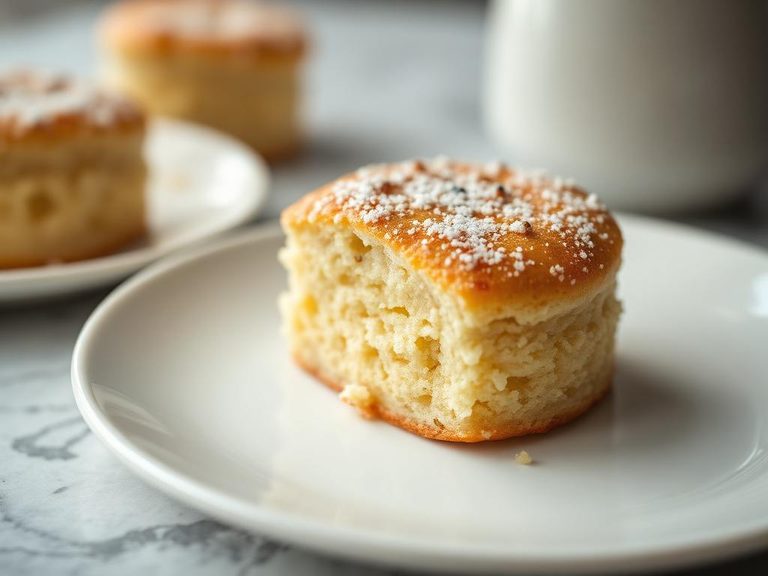
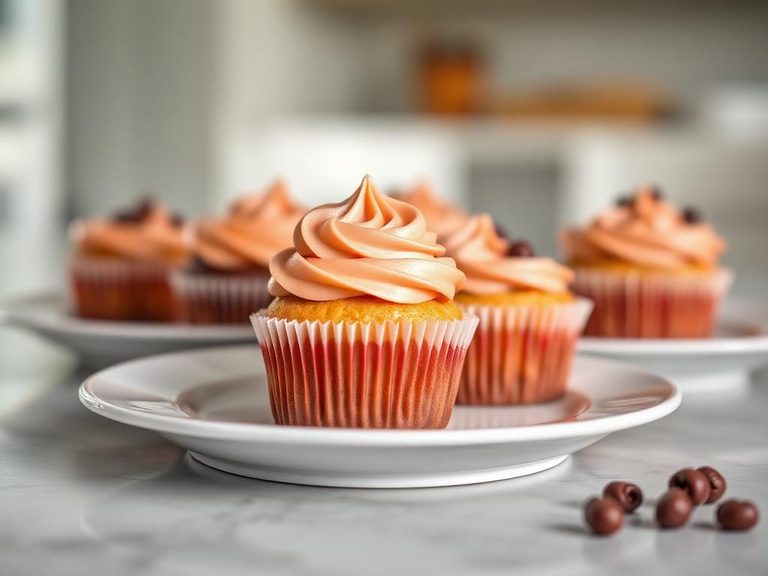
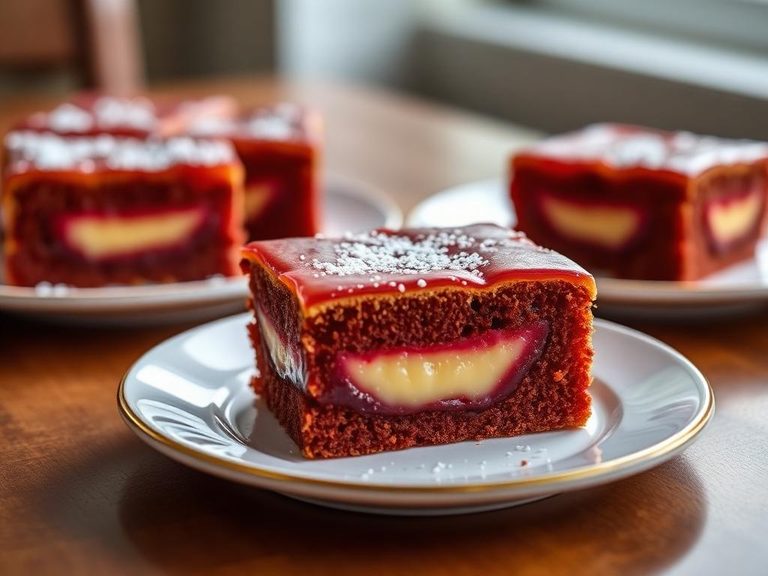
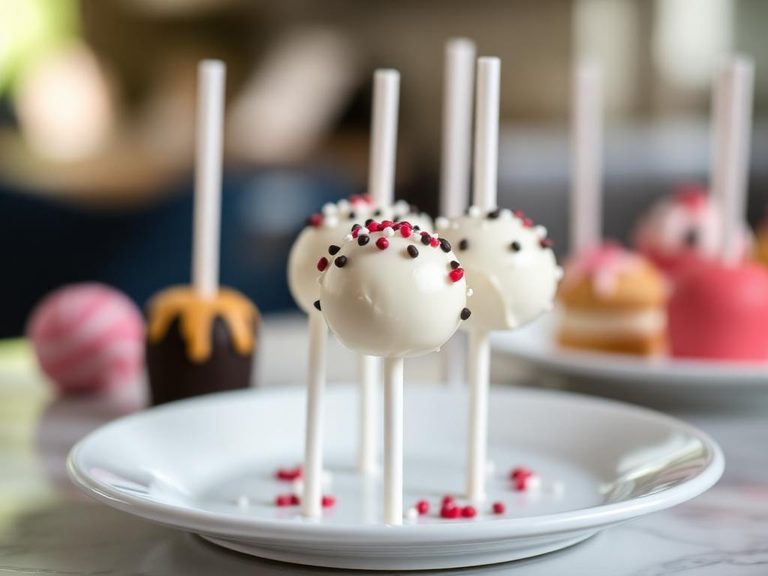
🌍 Where it's eaten
💡 Did you know?
The 'pudding-type' designation in its name refers to its texture, not its flavor—it yields a cake with a very soft, moist, almost custard-like crumb, a style popularized in mid-20th century American baking.
Full nutrition (USDA data · scales with serving)
| Water | 3.5 g |
| Energy | 423 kcal |
| Energy | 1771 kj |
| Protein | 3.9 g |
| Total lipid (fat) | 9.5 g |
| Ash | 2.2 g |
| Carbohydrate, by difference | 80.9 g |
| Fiber, total dietary | 0.70 g |
| Total Sugars | 49.0 g |
| Calcium, Ca | 77.0 mg |
| Iron, Fe | 1.4 mg |
| Magnesium, Mg | 9.0 mg |
| Phosphorus, P | 277 mg |
| Potassium, K | 72.0 mg |
| Sodium, Na | 665 mg |
| Zinc, Zn | 0.25 mg |
| Copper, Cu | 0.06 mg |
| Manganese, Mn | 0.28 mg |
| Selenium, Se | 2.7 ug |
| Vitamin C, total ascorbic acid | 0.00 mg |
| Thiamin | 0.28 mg |
| Riboflavin | 0.18 mg |
| Niacin | 2.4 mg |
| Pantothenic acid | 0.23 mg |
| Vitamin B-6 | 0.02 mg |
| Folate, total | 91.0 ug |
| Folic acid | 63.0 ug |
| Folate, food | 28.0 ug |
| Folate, DFE | 135 ug |
| Choline, total | 3.9 mg |
| Vitamin B-12 | 0.04 ug |
| Vitamin B-12, added | 0.00 ug |
| Vitamin A, RAE | 0.00 ug |
| Retinol | 0.00 ug |
| Carotene, beta | 0.00 ug |
| Carotene, alpha | 0.00 ug |
| Cryptoxanthin, beta | 0.00 ug |
| Vitamin A, IU | 0.00 iu |
| Lycopene | 0.00 ug |
| Lutein + zeaxanthin | 1.0 ug |
| Vitamin E (alpha-tocopherol) | 0.08 mg |
| Vitamin E, added | 0.00 mg |
| Vitamin D (D2 + D3), International Units | 0.00 iu |
| Vitamin D (D2 + D3) | 0.00 ug |
| Vitamin K (phylloquinone) | 4.1 ug |
| Alcohol, ethyl | 0.00 g |
| Caffeine | 0.00 mg |
| Theobromine | 0.00 mg |
Fat & fatty acid profile (per 100g)
| Fatty acids, total saturated | 2.4 g |
| SFA 4:0 | 0.00 g |
| SFA 6:0 | 0.00 g |
| SFA 8:0 | 0.00 g |
| SFA 10:0 | 0.00 g |
| SFA 12:0 | 0.00 g |
| SFA 14:0 | 0.05 g |
| SFA 16:0 | 1.2 g |
| SFA 18:0 | 1.1 g |
| Fatty acids, total monounsaturated | 4.1 g |
| MUFA 16:1 | 0.00 g |
| MUFA 18:1 | 4.1 g |
| MUFA 20:1 | 0.00 g |
| MUFA 22:1 | 0.00 g |
| Fatty acids, total polyunsaturated | 1.2 g |
| PUFA 18:2 | 1.2 g |
| PUFA 18:3 | 0.06 g |
| PUFA 18:4 | 0.00 g |
| PUFA 20:4 | 0.00 g |
| PUFA 20:5 n-3 (EPA) | 0.00 g |
| PUFA 22:5 n-3 (DPA) | 0.00 g |
| PUFA 22:6 n-3 (DHA) | 0.00 g |
| Cholesterol | 0.00 mg |
Amino acid profile (per 100g)
| Tryptophan | 0.06 g |
| Threonine | 0.12 g |
| Isoleucine | 0.16 g |
| Leucine | 0.28 g |
| Lysine | 0.17 g |
| Methionine | 0.07 g |
| Cystine | 0.07 g |
| Phenylalanine | 0.18 g |
| Tyrosine | 0.12 g |
| Valine | 0.18 g |
| Arginine | 0.15 g |
| Histidine | 0.08 g |
| Alanine | 0.12 g |
| Aspartic acid | 0.18 g |
| Glutamic acid | 1.2 g |
| Glycine | 0.12 g |
| Proline | 0.42 g |
| Serine | 0.20 g |
FAQ
How does a 'pudding-type' cake mix differ from a regular cake mix?
Pudding-type mixes contain added starches (like cornstarch) and sometimes gelatin or other thickeners that create a denser, moister, and more tender crumb that stays soft longer, mimicking the texture of a pudding.
Can I use this mix to make just the cake layers, without frosting?
Absolutely. The mix is designed to produce a complete cake on its own. Baked as directed, it will be a sweet, tender snack cake perfect on its own or with a simple dusting of powdered sugar.
Why does my cake from this mix sometimes sink in the middle?
This often happens from underbaking, opening the oven door too early, or overmixing the batter, which develops too much gluten. Ensure the batter is just combined, bake at the correct temperature, and test for doneness with a toothpick before removing from the oven.
Nutrient density (calculated · NRF9.3)
Nutrient Rich Foods index: beneficial nutrients (protein, fiber, vitamins, minerals) minus saturated fat, added sugar & sodium, per 100 kcal.
NRF9.3 index — Fulgoni, Keast & Drewnowski, 2009. Computed from USDA nutrients.
Weight-loss friendliness (composite index)
Energy density 4.23 kcal/g · 4% calories from protein · 0.7 g fiber · 49.0 g sugar per 100 g.
Composite of energy density (Rolls et al., 1999), protein & fiber satiety, minus sugar. A calculated heuristic — ranks satiety-per-calorie, not a clinical measure.
Dietary load (calculated from USDA values)
Potential renal acid load. Positive = acid-forming, negative = alkaline-forming.
Sodium-to-potassium ratio: 9.24 (lower is better — aim for ≤ 1)
Sodium:potassium per WHO potassium guidance. Computed from USDA nutrients.