

Bread, white, made from home recipe or purchased at a bakery
Common food
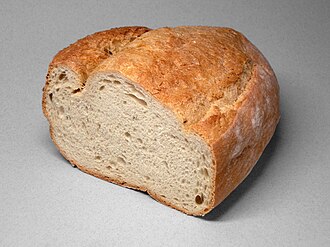
Photo: Wikipedia
This is the quintessential loaf of white bread, characterized by its soft, pillowy crumb, mild sweetness, and golden-brown crust. It's a dietary staple that provides quick energy through its high carbohydrate content, though it is relatively low in fiber compared to whole-grain alternatives. Its neutral flavor profile makes it an ideal canvas for both sweet and savory toppings.
Calorie split: 15% protein · 74% carbs · 11% fat
↓ Full nutrition💚 Why it's loved
People love its comforting, familiar taste and soft texture that complements almost any filling, from jam to roast beef. Its cultural significance as a breakfast and sandwich staple makes it a deeply ingrained part of daily meals across many societies.
⚠️ Watch-outs & how to enjoy it better
The refined flour can cause rapid blood-sugar spikes and may lack the satiety of whole grains. To mitigate this, pair it with protein (like eggs or cheese) or healthy fats (like avocado or nut butter) to slow digestion, and opt for smaller portions or choose a whole-grain version when possible.
Key benefits
- Provides a quick and accessible source of energy from carbohydrates.
- Contains a moderate amount of protein for a grain product.
- Is a versatile base for countless meals and snacks.
- Often fortified with essential vitamins and minerals like iron and B vitamins.
- Has a soft, easy-to-chew texture suitable for all ages.
🍽️ Popular dishes


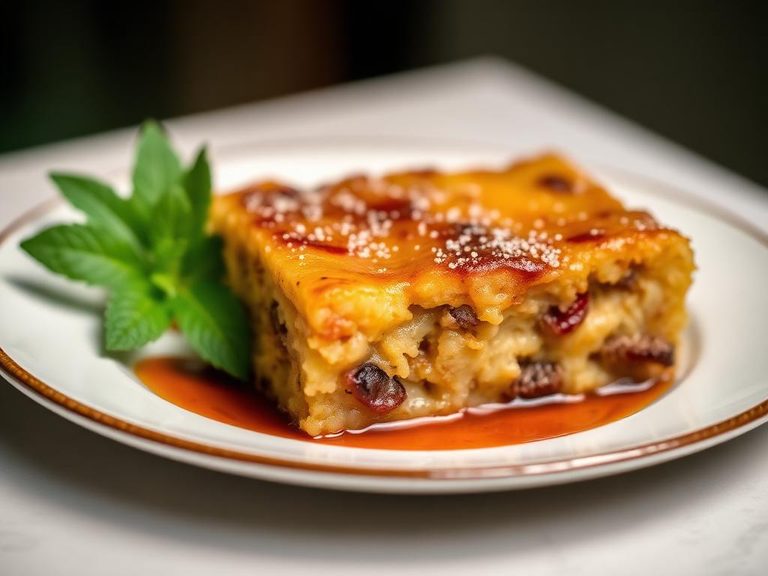
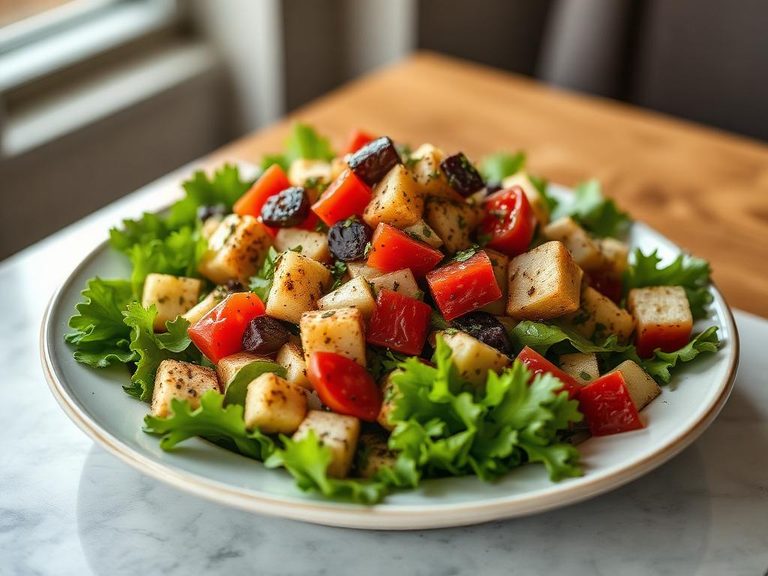
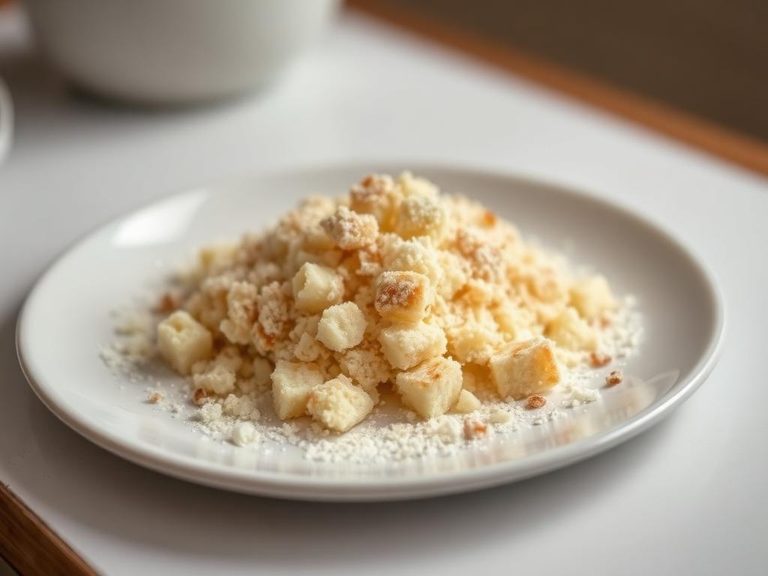
🌍 Where it's eaten
💡 Did you know?
The soft, fluffy texture of modern white bread is largely due to the development of high-protein wheat varieties in the 19th century, which allowed for stronger gluten networks that could trap more air during rising.
Full nutrition (USDA data · scales with serving)
| Water | 34.2 g |
| Energy | 272 kcal |
| Protein | 10.1 g |
| Total lipid (fat) | 3.4 g |
| Carbohydrate, by difference | 50.3 g |
| Fiber, total dietary | 1.7 g |
| Total Sugars | 3.1 g |
| Calcium, Ca | 38.0 mg |
| Iron, Fe | 3.6 mg |
| Magnesium, Mg | 26.0 mg |
| Phosphorus, P | 104 mg |
| Potassium, K | 118 mg |
| Sodium, Na | 565 mg |
| Zinc, Zn | 0.82 mg |
| Copper, Cu | 0.13 mg |
| Selenium, Se | 22.0 ug |
| Vitamin C, total ascorbic acid | 0.00 mg |
| Thiamin | 0.56 mg |
| Riboflavin | 0.30 mg |
| Niacin | 4.1 mg |
| Vitamin B-6 | 0.06 mg |
| Folate, total | 79.0 ug |
| Folic acid | 51.0 ug |
| Folate, food | 28.0 ug |
| Folate, DFE | 114 ug |
| Choline, total | 9.4 mg |
| Vitamin B-12 | 0.06 ug |
| Vitamin B-12, added | 0.00 ug |
| Vitamin A, RAE | 19.0 ug |
| Retinol | 19.0 ug |
| Carotene, beta | 3.0 ug |
| Carotene, alpha | 0.00 ug |
| Cryptoxanthin, beta | 0.00 ug |
| Lycopene | 0.00 ug |
| Lutein + zeaxanthin | 46.0 ug |
| Vitamin E (alpha-tocopherol) | 0.33 mg |
| Vitamin E, added | 0.00 mg |
| Vitamin D (D2 + D3) | 0.20 ug |
| Vitamin K (phylloquinone) | 0.90 ug |
| Alcohol, ethyl | 0.00 g |
| Caffeine | 0.00 mg |
| Theobromine | 0.00 mg |
Fat & fatty acid profile (per 100g)
| Fatty acids, total saturated | 1.2 g |
| SFA 4:0 | 0.03 g |
| SFA 6:0 | 0.02 g |
| SFA 8:0 | 0.01 g |
| SFA 10:0 | 0.03 g |
| SFA 12:0 | 0.04 g |
| SFA 14:0 | 0.12 g |
| SFA 16:0 | 0.61 g |
| SFA 18:0 | 0.24 g |
| Fatty acids, total monounsaturated | 0.81 g |
| MUFA 16:1 | 0.03 g |
| MUFA 18:1 | 0.77 g |
| MUFA 20:1 | 0.00 g |
| MUFA 22:1 | 0.00 g |
| Fatty acids, total polyunsaturated | 0.80 g |
| PUFA 18:2 | 0.75 g |
| PUFA 18:3 | 0.05 g |
| PUFA 18:4 | 0.00 g |
| PUFA 20:4 | 0.00 g |
| PUFA 20:5 n-3 (EPA) | 0.00 g |
| PUFA 22:5 n-3 (DPA) | 0.00 g |
| PUFA 22:6 n-3 (DHA) | 0.00 g |
| Cholesterol | 4.0 mg |
Amino acid profile (per 100g)
Estimated from Bread, salvadoran sweet cheese (quesadilla salvadorena) — USDA does not publish this profile for Bread.
| Tryptophan | 0.07 g |
| Threonine | 0.21 g |
| Isoleucine | 0.30 g |
| Leucine | 0.65 g |
| Lysine | 0.50 g |
| Methionine | 0.28 g |
| Cystine | 0.06 g |
| Phenylalanine | 0.37 g |
| Tyrosine | 0.23 g |
| Valine | 0.43 g |
| Arginine | 0.25 g |
| Histidine | 0.15 g |
| Alanine | 0.36 g |
| Aspartic acid | 0.59 g |
| Glutamic acid | 1.3 g |
| Glycine | 0.20 g |
| Proline | 0.83 g |
| Serine | 0.45 g |
| Hydroxyproline | 0.00 g |
FAQ
Is white bread healthier than whole wheat?
Generally, whole wheat bread is more nutritious as it retains the bran and germ, providing more fiber, vitamins, and minerals. White bread is made from refined flour, which strips away much of the grain's natural nutrients.
Why does white bread have a long shelf life?
The refining process removes the germ and bran, which contain oils that can go rancid. This, along with preservatives often added in commercial baking, helps extend its freshness.
Can white bread be part of a balanced diet?
Yes, in moderation. It can be part of a balanced diet when paired with nutrient-dense foods like vegetables, lean proteins, and healthy fats to create a more complete meal.
Nutrient density (calculated · NRF9.3)
Nutrient Rich Foods index: beneficial nutrients (protein, fiber, vitamins, minerals) minus saturated fat, added sugar & sodium, per 100 kcal.
NRF9.3 index — Fulgoni, Keast & Drewnowski, 2009. Computed from USDA nutrients.
Weight-loss friendliness (composite index)
Energy density 2.72 kcal/g · 15% calories from protein · 1.7 g fiber · 3.1 g sugar per 100 g.
Composite of energy density (Rolls et al., 1999), protein & fiber satiety, minus sugar. A calculated heuristic — ranks satiety-per-calorie, not a clinical measure.
Dietary load (calculated from USDA values)
Potential renal acid load. Positive = acid-forming, negative = alkaline-forming.
Sodium-to-potassium ratio: 4.79 (lower is better — aim for ≤ 1)
Sodium:potassium per WHO potassium guidance. Computed from USDA nutrients.