

Bread, potato, toasted
Common food

Photo: Wikipedia
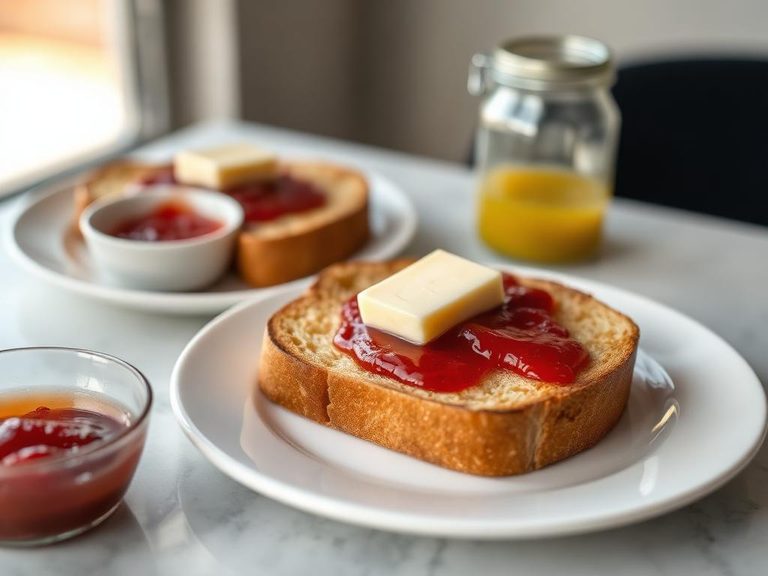
This is a hearty, golden-brown slice of toasted potato bread, known for its soft, pillowy crumb and a subtle, earthy sweetness from the potato. Its texture is a delightful contrast: a crisp, buttery exterior giving way to a moist, dense interior. With a solid 13.74g of protein per 100g, it's a surprisingly substantial choice for a quick meal or snack.
Calorie split: 19% protein · 71% carbs · 11% fat
↓ Full nutrition💚 Why it's loved
People adore potato bread for its unique, subtly sweet flavor and exceptionally soft, moist texture that holds up beautifully when toasted. It's a versatile staple that elevates simple sandwiches and is a beloved comfort food in many households.
⚠️ Watch-outs & how to enjoy it better
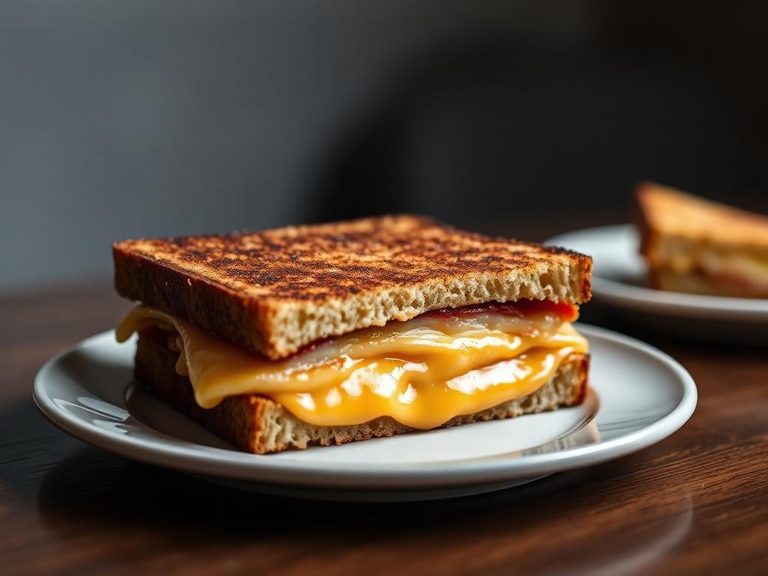
The relatively high carbohydrate content can cause blood sugar spikes, especially when eaten alone. To counteract this, pair it with a source of protein or healthy fat, like avocado, eggs, or cheese, and practice portion control by sticking to one or two slices.
Key benefits
- Good source of plant-based protein for muscle maintenance.
- Provides dietary fiber to support digestive health.
- Offers quick energy from complex carbohydrates.
- The potato content can contribute to a softer, moister texture than standard bread.
🍽️ Popular dishes
🌍 Where it's eaten
💡 Did you know?
Potato bread's popularity in the U.S. surged after the Civil War, as potatoes were a cheap, abundant crop used to stretch wheat flour and make bread more affordable and filling.
Full nutrition (USDA data · scales with serving)
| Water | 27.0 g |
| Energy | 292 kcal |
| Protein | 13.7 g |
| Total lipid (fat) | 3.4 g |
| Carbohydrate, by difference | 51.7 g |
| Fiber, total dietary | 6.9 g |
| Total Sugars | 10.3 g |
| Calcium, Ca | 207 mg |
| Iron, Fe | 2.5 mg |
| Magnesium, Mg | 31.0 mg |
| Phosphorus, P | 405 mg |
| Potassium, K | 789 mg |
| Sodium, Na | 412 mg |
| Zinc, Zn | 1.6 mg |
| Copper, Cu | 0.10 mg |
| Selenium, Se | 10.4 ug |
| Vitamin C, total ascorbic acid | 0.00 mg |
| Thiamin | 0.17 mg |
| Riboflavin | 0.12 mg |
| Niacin | 1.4 mg |
| Vitamin B-6 | 0.26 mg |
| Folate, total | 118 ug |
| Folic acid | 31.0 ug |
| Folate, food | 86.0 ug |
| Folate, DFE | 139 ug |
| Choline, total | 20.2 mg |
| Vitamin B-12 | 0.16 ug |
| Vitamin B-12, added | 0.00 ug |
| Vitamin A, RAE | 25.0 ug |
| Retinol | 25.0 ug |
| Carotene, beta | 6.0 ug |
| Carotene, alpha | 0.00 ug |
| Cryptoxanthin, beta | 0.00 ug |
| Lycopene | 0.00 ug |
| Lutein + zeaxanthin | 18.0 ug |
| Vitamin E (alpha-tocopherol) | 0.52 mg |
| Vitamin E, added | 0.00 mg |
| Vitamin D (D2 + D3) | 0.10 ug |
| Vitamin K (phylloquinone) | 7.5 ug |
| Alcohol, ethyl | 0.00 g |
| Caffeine | 0.00 mg |
| Theobromine | 0.00 mg |
Fat & fatty acid profile (per 100g)
| Fatty acids, total saturated | 0.00 g |
| SFA 4:0 | 0.00 g |
| SFA 6:0 | 0.00 g |
| SFA 8:0 | 0.00 g |
| SFA 10:0 | 0.00 g |
| SFA 12:0 | 0.00 g |
| SFA 14:0 | 0.00 g |
| SFA 16:0 | 0.00 g |
| SFA 18:0 | 0.00 g |
| Fatty acids, total monounsaturated | 0.00 g |
| MUFA 16:1 | 0.00 g |
| MUFA 18:1 | 0.00 g |
| MUFA 20:1 | 0.00 g |
| MUFA 22:1 | 0.00 g |
| Fatty acids, total polyunsaturated | 0.00 g |
| PUFA 18:2 | 0.00 g |
| PUFA 18:3 | 0.00 g |
| PUFA 18:4 | 0.00 g |
| PUFA 20:4 | 0.00 g |
| PUFA 20:5 n-3 (EPA) | 0.00 g |
| PUFA 22:5 n-3 (DPA) | 0.00 g |
| PUFA 22:6 n-3 (DHA) | 0.00 g |
| Cholesterol | 0.00 mg |
Amino acid profile (per 100g)
Estimated from Bread, salvadoran sweet cheese (quesadilla salvadorena) — USDA does not publish this profile for Bread.
| Tryptophan | 0.07 g |
| Threonine | 0.21 g |
| Isoleucine | 0.30 g |
| Leucine | 0.65 g |
| Lysine | 0.50 g |
| Methionine | 0.28 g |
| Cystine | 0.06 g |
| Phenylalanine | 0.37 g |
| Tyrosine | 0.23 g |
| Valine | 0.43 g |
| Arginine | 0.25 g |
| Histidine | 0.15 g |
| Alanine | 0.36 g |
| Aspartic acid | 0.59 g |
| Glutamic acid | 1.3 g |
| Glycine | 0.20 g |
| Proline | 0.83 g |
| Serine | 0.45 g |
| Hydroxyproline | 0.00 g |
FAQ
Is potato bread gluten-free?
No, traditional potato bread is made with wheat flour and contains gluten. Gluten-free versions are available but are specialty products.
How does potato bread differ from regular white bread?
Potato bread uses potato flour or mashed potatoes in the dough, which gives it a moister, denser texture, a slightly sweeter flavor, and a longer shelf life.
Can I use potato bread for making French toast?
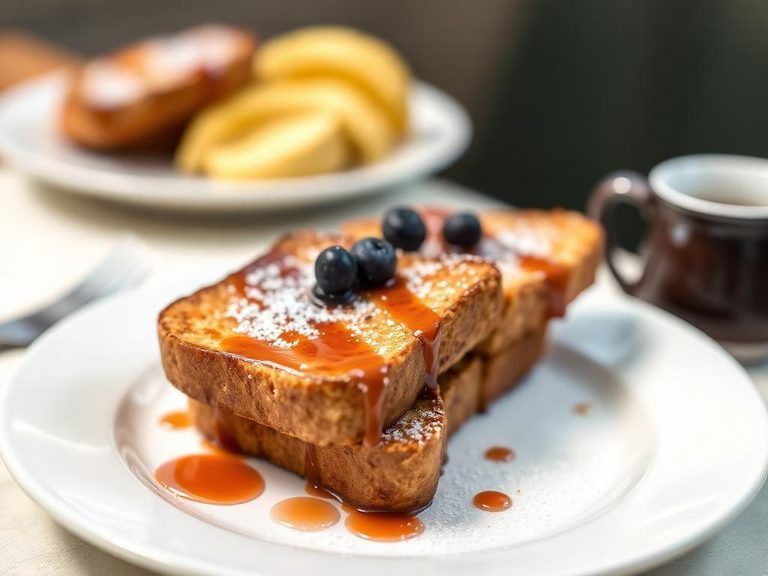
Yes, it's excellent for French toast. Its dense, moist crumb soaks up the egg mixture without falling apart, resulting in a rich, custardy interior.
Nutrient density (calculated · NRF9.3)
Nutrient Rich Foods index: beneficial nutrients (protein, fiber, vitamins, minerals) minus saturated fat, added sugar & sodium, per 100 kcal.
NRF9.3 index — Fulgoni, Keast & Drewnowski, 2009. Computed from USDA nutrients.
Weight-loss friendliness (composite index)
Energy density 2.92 kcal/g · 19% calories from protein · 6.9 g fiber · 10.3 g sugar per 100 g.
Composite of energy density (Rolls et al., 1999), protein & fiber satiety, minus sugar. A calculated heuristic — ranks satiety-per-calorie, not a clinical measure.
Dietary load (calculated from USDA values)
Potential renal acid load. Positive = acid-forming, negative = alkaline-forming.
Sodium-to-potassium ratio: 0.52 (lower is better — aim for ≤ 1)
Sodium:potassium per WHO potassium guidance. Computed from USDA nutrients.