

Bread, NS as to major flour
Common food
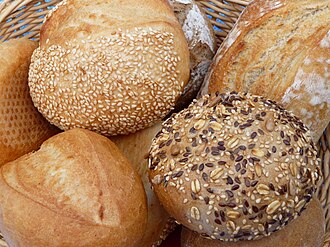
Photo: Wikipedia
This is a versatile, everyday bread made from an unspecified blend of flours, offering a mild, slightly yeasty aroma and a soft, chewy crumb with a light crust. Nutritionally, it's a solid energy source, providing about 267 calories and a good balance of carbohydrates and protein per 100g. Its fiber content is modest, making it a straightforward staple rather than a high-fiber choice.
Calorie split: 14% protein · 74% carbs · 12% fat
↓ Full nutrition💚 Why it's loved
People love this bread for its incredible versatility—it's the ultimate blank canvas for everything from peanut butter and jam to gourmet sandwiches. Its mild flavor and reliable texture make it a comforting, familiar staple in meals across cultures.
⚠️ Watch-outs & how to enjoy it better
As a refined carbohydrate, it can cause rapid blood-sugar spikes, which is a concern for those managing diabetes or insulin resistance. It's also a common carrier for gluten, a protein that triggers reactions in people with celiac disease or non-celiac gluten sensitivity. To mitigate blood-sugar impact, pair a slice with protein (like eggs or cheese) or healthy fat (like avocado or nut butter), which slows digestion.
Key benefits
- Provides quick energy from complex carbohydrates
- Contains a moderate amount of plant-based protein
- Low in fat, making it a lean carbohydrate source
- Serves as a neutral base for both sweet and savory toppings
- Widely accessible and cost-effective staple food
🍽️ Popular dishes
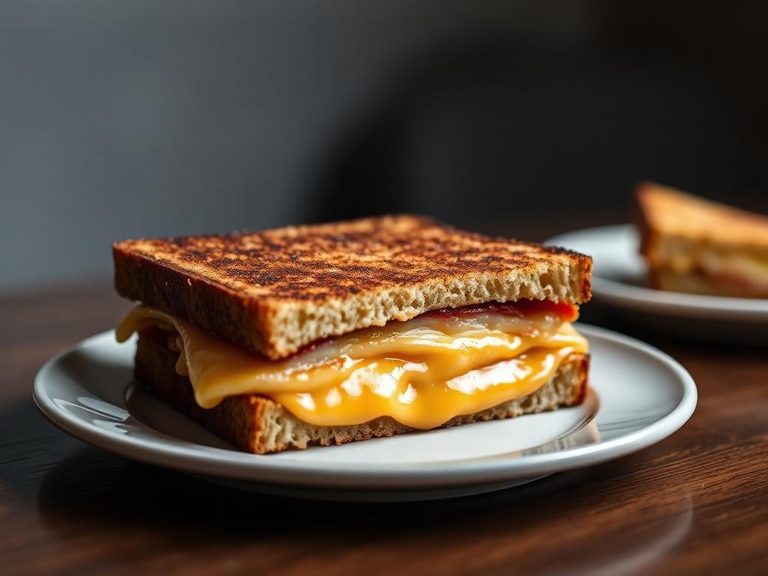

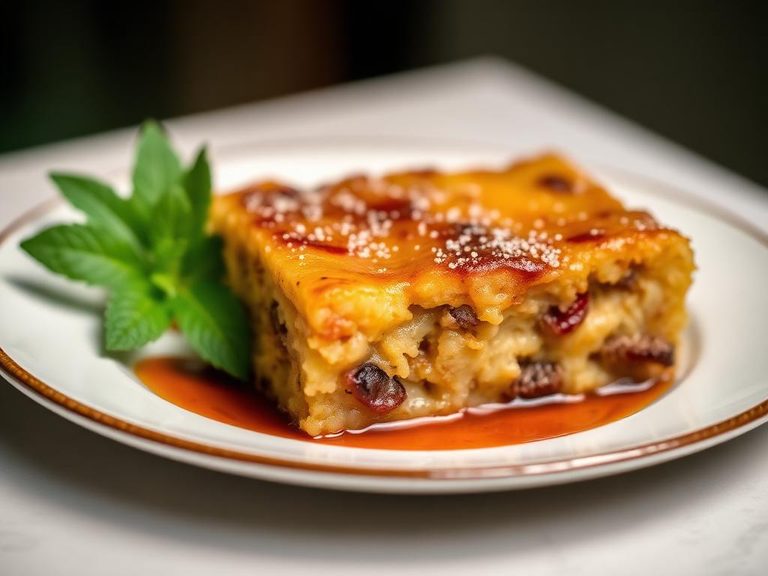
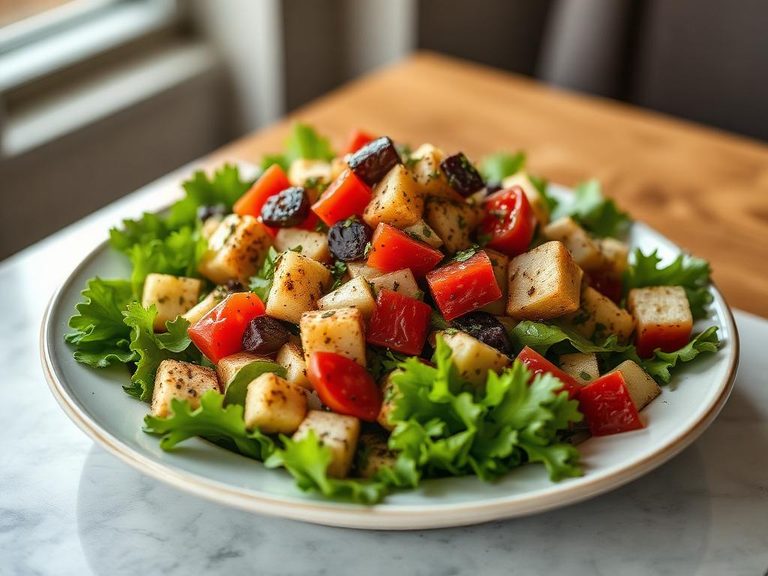
🌍 Where it's eaten
💡 Did you know?
The 'NS as to major flour' designation in food databases often means the product's exact flour blend isn't specified, but it's typically a standard white or light wheat bread, reflecting the common practice of using a mix of flours for texture and cost.
Full nutrition (USDA data · scales with serving)
| Water | 35.7 g |
| Energy | 267 kcal |
| Protein | 9.4 g |
| Total lipid (fat) | 3.6 g |
| Carbohydrate, by difference | 49.2 g |
| Fiber, total dietary | 2.3 g |
| Total Sugars | 5.3 g |
| Calcium, Ca | 211 mg |
| Iron, Fe | 3.4 mg |
| Magnesium, Mg | 27.0 mg |
| Phosphorus, P | 113 mg |
| Potassium, K | 117 mg |
| Sodium, Na | 450 mg |
| Zinc, Zn | 0.88 mg |
| Copper, Cu | 0.12 mg |
| Selenium, Se | 23.2 ug |
| Vitamin C, total ascorbic acid | 0.00 mg |
| Thiamin | 0.51 mg |
| Riboflavin | 0.24 mg |
| Niacin | 4.8 mg |
| Vitamin B-6 | 0.09 mg |
| Folate, total | 111 ug |
| Folic acid | 86.0 ug |
| Folate, food | 25.0 ug |
| Folate, DFE | 171 ug |
| Choline, total | 14.6 mg |
| Vitamin B-12 | 0.00 ug |
| Vitamin B-12, added | 0.00 ug |
| Vitamin A, RAE | 0.00 ug |
| Retinol | 0.00 ug |
| Carotene, beta | 0.00 ug |
| Carotene, alpha | 0.00 ug |
| Cryptoxanthin, beta | 0.00 ug |
| Lycopene | 0.00 ug |
| Lutein + zeaxanthin | 44.0 ug |
| Vitamin E (alpha-tocopherol) | 0.22 mg |
| Vitamin E, added | 0.00 mg |
| Vitamin D (D2 + D3) | 0.00 ug |
| Vitamin K (phylloquinone) | 0.20 ug |
| Alcohol, ethyl | 0.00 g |
| Caffeine | 0.00 mg |
| Theobromine | 0.00 mg |
Fat & fatty acid profile (per 100g)
| Fatty acids, total saturated | 0.82 g |
| SFA 4:0 | 0.00 g |
| SFA 6:0 | 0.00 g |
| SFA 8:0 | 0.01 g |
| SFA 10:0 | 0.01 g |
| SFA 12:0 | 0.01 g |
| SFA 14:0 | 0.01 g |
| SFA 16:0 | 0.49 g |
| SFA 18:0 | 0.25 g |
| Fatty acids, total monounsaturated | 0.72 g |
| MUFA 16:1 | 0.02 g |
| MUFA 18:1 | 0.71 g |
| MUFA 20:1 | 0.01 g |
| MUFA 22:1 | 0.00 g |
| Fatty acids, total polyunsaturated | 1.9 g |
| PUFA 18:2 | 1.7 g |
| PUFA 18:3 | 0.20 g |
| PUFA 18:4 | 0.00 g |
| PUFA 20:4 | 0.00 g |
| PUFA 20:5 n-3 (EPA) | 0.00 g |
| PUFA 22:5 n-3 (DPA) | 0.00 g |
| PUFA 22:6 n-3 (DHA) | 0.00 g |
| Cholesterol | 0.00 mg |
Amino acid profile (per 100g)
Estimated from Bread, salvadoran sweet cheese (quesadilla salvadorena) — USDA does not publish this profile for Bread.
| Tryptophan | 0.07 g |
| Threonine | 0.21 g |
| Isoleucine | 0.30 g |
| Leucine | 0.65 g |
| Lysine | 0.50 g |
| Methionine | 0.28 g |
| Cystine | 0.06 g |
| Phenylalanine | 0.37 g |
| Tyrosine | 0.23 g |
| Valine | 0.43 g |
| Arginine | 0.25 g |
| Histidine | 0.15 g |
| Alanine | 0.36 g |
| Aspartic acid | 0.59 g |
| Glutamic acid | 1.3 g |
| Glycine | 0.20 g |
| Proline | 0.83 g |
| Serine | 0.45 g |
| Hydroxyproline | 0.00 g |
FAQ
What does 'NS as to major flour' mean?
It's a database shorthand meaning 'Not Specified as to major flour.' This typically indicates a standard commercial bread where the exact ratio of wheat flours (like bread flour, all-purpose flour) isn't detailed, but it's generally a white or light wheat product.
Is this bread a good source of fiber?
With about 2.3g of fiber per 100g, it's a modest source. For higher fiber intake, look for whole-grain or whole-wheat varieties, which can have 3-4 times more fiber per slice.
How does its nutrition compare to whole wheat bread?
Compared to whole wheat, this bread typically has less fiber, fewer micronutrients (like magnesium and B vitamins), and a higher glycemic index, meaning it can raise blood sugar more quickly.
Nutrient density (calculated · NRF9.3)
Nutrient Rich Foods index: beneficial nutrients (protein, fiber, vitamins, minerals) minus saturated fat, added sugar & sodium, per 100 kcal.
NRF9.3 index — Fulgoni, Keast & Drewnowski, 2009. Computed from USDA nutrients.
Weight-loss friendliness (composite index)
Energy density 2.67 kcal/g · 14% calories from protein · 2.3 g fiber · 5.3 g sugar per 100 g.
Composite of energy density (Rolls et al., 1999), protein & fiber satiety, minus sugar. A calculated heuristic — ranks satiety-per-calorie, not a clinical measure.
Dietary load (calculated from USDA values)
Potential renal acid load. Positive = acid-forming, negative = alkaline-forming.
Sodium-to-potassium ratio: 3.85 (lower is better — aim for ≤ 1)
Sodium:potassium per WHO potassium guidance. Computed from USDA nutrients.