

Black beans, NFS
Common food
Black beans, NFS (Not Further Specified) are small, glossy legumes with a dense, creamy texture and a deep, earthy flavor that becomes rich and slightly sweet when cooked. They are a nutritional powerhouse, offering a significant 8.23g of protein and an impressive 8.1g of dietary fiber per 100g, making them a staple for sustained energy and digestive health.
Calorie split: 18% protein · 48% carbs · 34% fat
↓ Full nutrition💚 Why it's loved
People adore black beans for their velvety texture and robust, versatile flavor that absorbs spices beautifully, forming the hearty backbone of countless comfort foods. They are deeply embedded in culinary traditions from Latin America to the American South, symbolizing sustenance and communal meals.
⚠️ Watch-outs & how to enjoy it better
The oligosaccharides in black beans can cause gas and bloating in some individuals, especially when introduced to the diet. To counteract this, start with smaller portions, soak dried beans thoroughly before cooking, and consider using digestive aids like epazote or kombu seaweed in the pot.
Key benefits
- Excellent source of plant-based protein for muscle maintenance.
- High in soluble and insoluble fiber to support gut health and satiety.
- Rich in complex carbohydrates for steady, long-lasting energy.
- Contains essential minerals like iron, magnesium, and folate.
- Naturally low in sugar and cholesterol-free.
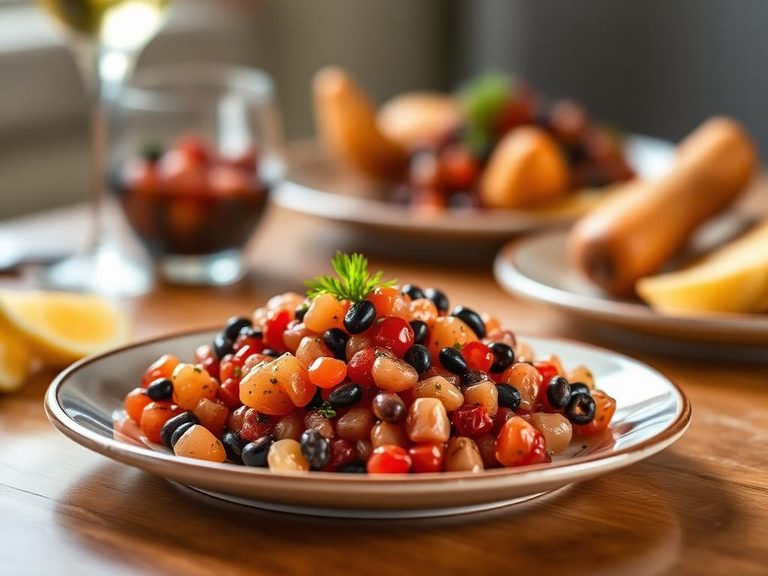
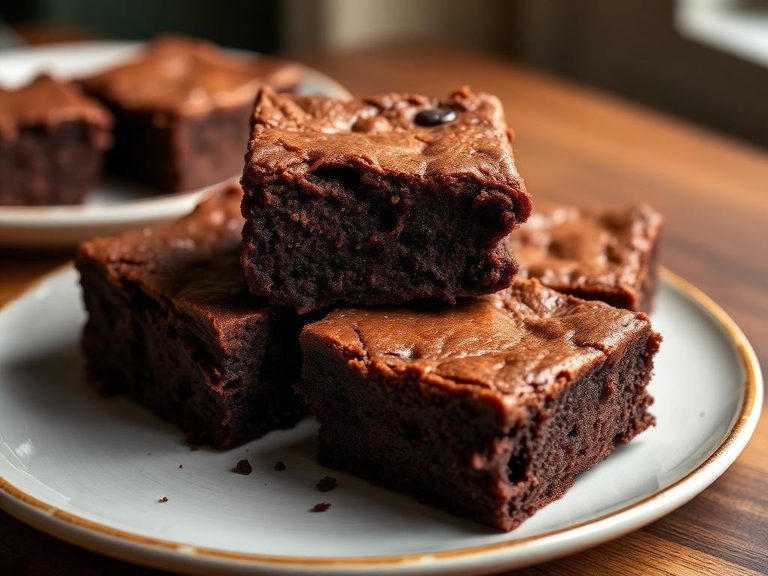
🍽️ Popular dishes
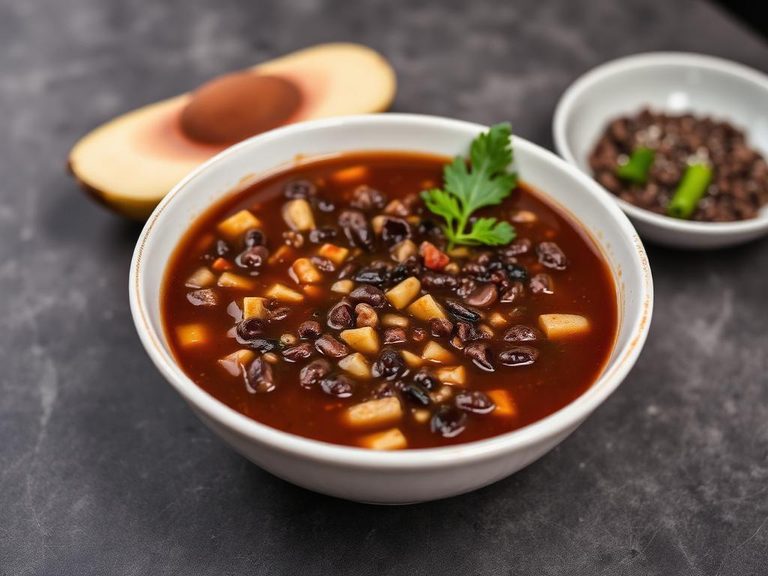
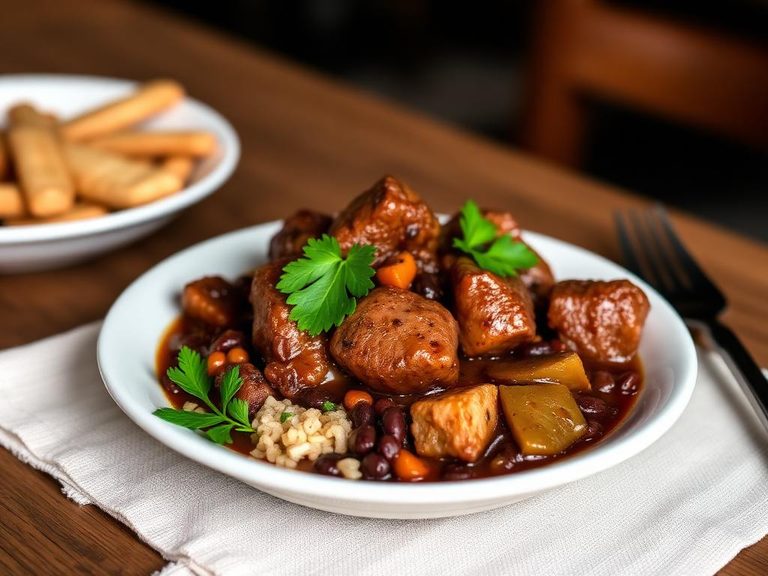
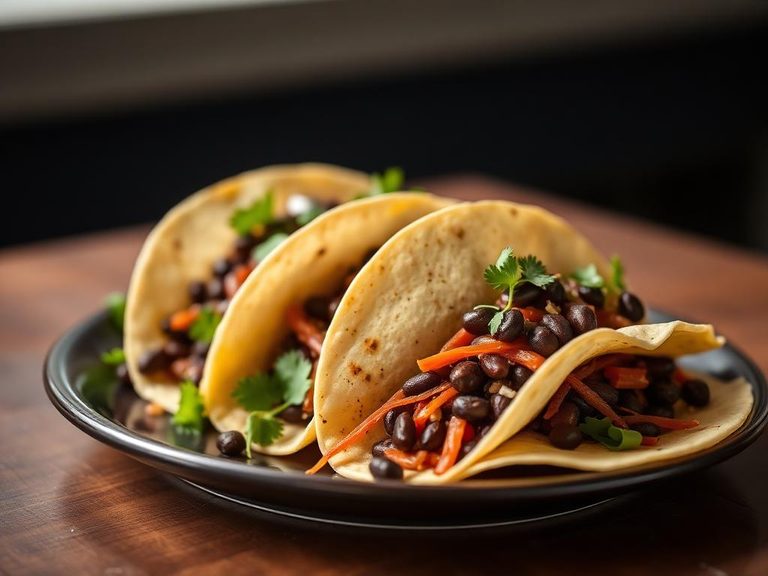
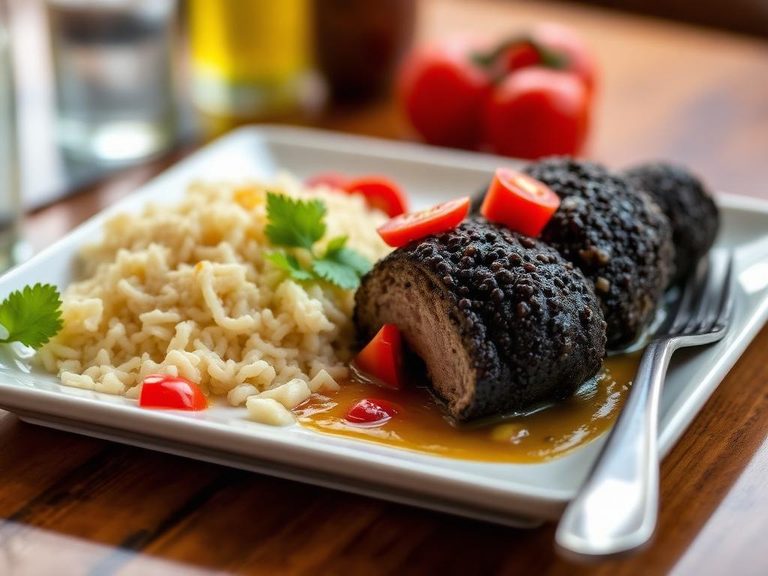
🌍 Where it's eaten
💡 Did you know?
The liquid from canned or cooked black beans, known as 'aquafaba,' is a popular vegan substitute for egg whites in recipes like meringues and mousses.
Full nutrition (USDA data · scales with serving)
| Water | 61.1 g |
| Energy | 181 kcal |
| Protein | 8.2 g |
| Total lipid (fat) | 7.0 g |
| Carbohydrate, by difference | 22.0 g |
| Fiber, total dietary | 8.1 g |
| Total Sugars | 0.30 g |
| Calcium, Ca | 25.0 mg |
| Iron, Fe | 2.0 mg |
| Magnesium, Mg | 65.0 mg |
| Phosphorus, P | 130 mg |
| Potassium, K | 330 mg |
| Sodium, Na | 217 mg |
| Zinc, Zn | 1.0 mg |
| Copper, Cu | 0.19 mg |
| Selenium, Se | 1.1 ug |
| Vitamin C, total ascorbic acid | 0.00 mg |
| Thiamin | 0.21 mg |
| Riboflavin | 0.05 mg |
| Niacin | 0.45 mg |
| Vitamin B-6 | 0.06 mg |
| Folate, total | 132 ug |
| Folic acid | 0.00 ug |
| Folate, food | 132 ug |
| Folate, DFE | 132 ug |
| Choline, total | 30.3 mg |
| Vitamin B-12 | 0.00 ug |
| Vitamin B-12, added | 0.00 ug |
| Vitamin A, RAE | 0.00 ug |
| Retinol | 0.00 ug |
| Carotene, beta | 0.00 ug |
| Carotene, alpha | 0.00 ug |
| Cryptoxanthin, beta | 0.00 ug |
| Lycopene | 0.00 ug |
| Lutein + zeaxanthin | 0.00 ug |
| Vitamin E (alpha-tocopherol) | 2.0 mg |
| Vitamin E, added | 0.00 mg |
| Vitamin D (D2 + D3) | 0.00 ug |
| Vitamin K (phylloquinone) | 9.6 ug |
| Alcohol, ethyl | 0.00 g |
| Caffeine | 0.00 mg |
| Theobromine | 0.00 mg |
Fat & fatty acid profile (per 100g)
| Fatty acids, total saturated | 1.00 g |
| SFA 4:0 | 0.00 g |
| SFA 6:0 | 0.00 g |
| SFA 8:0 | 0.00 g |
| SFA 10:0 | 0.00 g |
| SFA 12:0 | 0.00 g |
| SFA 14:0 | 0.00 g |
| SFA 16:0 | 0.74 g |
| SFA 18:0 | 0.20 g |
| Fatty acids, total monounsaturated | 2.8 g |
| MUFA 16:1 | 0.02 g |
| MUFA 18:1 | 2.7 g |
| MUFA 20:1 | 0.04 g |
| MUFA 22:1 | 0.00 g |
| Fatty acids, total polyunsaturated | 2.7 g |
| PUFA 18:2 | 2.3 g |
| PUFA 18:3 | 0.38 g |
| PUFA 18:4 | 0.00 g |
| PUFA 20:4 | 0.00 g |
| PUFA 20:5 n-3 (EPA) | 0.00 g |
| PUFA 22:5 n-3 (DPA) | 0.00 g |
| PUFA 22:6 n-3 (DHA) | 0.00 g |
| Cholesterol | 0.00 mg |
Amino acid profile (per 100g)
Estimated from Beans, black, mature seeds, raw — USDA does not publish this profile for Black beans.
| Tryptophan | 0.26 g |
| Threonine | 0.91 g |
| Isoleucine | 0.95 g |
| Leucine | 1.7 g |
| Lysine | 1.5 g |
| Methionine | 0.33 g |
| Cystine | 0.23 g |
| Phenylalanine | 1.2 g |
| Tyrosine | 0.61 g |
| Valine | 1.1 g |
| Arginine | 1.3 g |
| Histidine | 0.60 g |
| Alanine | 0.91 g |
| Aspartic acid | 2.6 g |
| Glutamic acid | 3.3 g |
| Glycine | 0.84 g |
| Proline | 0.92 g |
| Serine | 1.2 g |
FAQ
What does NFS mean on a nutrition label?
NFS stands for 'Not Further Specified.' It indicates the data is for the plain, cooked or canned food without added ingredients or specific preparation methods.
Are canned black beans as healthy as dried?
Yes, canned black beans are nutritious and convenient. Look for low-sodium versions or rinse them thoroughly to reduce sodium content by up to 40%.
How can I reduce the gas-causing effects?
Soak dried beans for 8-12 hours, discard the soaking water, cook thoroughly, and introduce them gradually into your diet to allow your gut flora to adjust.
Nutrient density (calculated · NRF9.3)
Nutrient Rich Foods index: beneficial nutrients (protein, fiber, vitamins, minerals) minus saturated fat, added sugar & sodium, per 100 kcal.
NRF9.3 index — Fulgoni, Keast & Drewnowski, 2009. Computed from USDA nutrients.
Weight-loss friendliness (composite index)
Energy density 1.81 kcal/g · 18% calories from protein · 8.1 g fiber · 0.3 g sugar per 100 g.
Composite of energy density (Rolls et al., 1999), protein & fiber satiety, minus sugar. A calculated heuristic — ranks satiety-per-calorie, not a clinical measure.
Dietary load (calculated from USDA values)
Potential renal acid load. Positive = acid-forming, negative = alkaline-forming.
Sodium-to-potassium ratio: 0.66 (lower is better — aim for ≤ 1)
Sodium:potassium per WHO potassium guidance. Computed from USDA nutrients.