

Blackeyed peas, NFS
Common food

Photo: Wikipedia
Black-eyed peas are small, cream-colored legumes with a distinctive black "eye" spot, known for their earthy, slightly nutty flavor and a firm, creamy texture when cooked. They are a nutritional powerhouse, offering a balanced profile of protein, complex carbohydrates, and fiber, making them a satisfying and healthful staple. Their ability to absorb flavors from spices and aromatics makes them incredibly versatile in a wide range of global cuisines.
Calorie split: 17% protein · 46% carbs · 37% fat
↓ Full nutrition💚 Why it's loved
People love black-eyed peas for their hearty, comforting flavor and their remarkable versatility, easily starring in soups, stews, salads, and rice dishes. They are deeply woven into cultural traditions, particularly in the American South, where they symbolize good luck and prosperity when eaten on New Year's Day.
⚠️ Watch-outs & how to enjoy it better
Some may experience digestive discomfort like gas or bloating due to their high fiber and oligosaccharide content, which can be mitigated by soaking them overnight and rinsing thoroughly before cooking. They are also often canned with added sodium, so choosing low-sodium versions or rinsing them well is advisable for those monitoring salt intake.
Key benefits
- Excellent source of plant-based protein and dietary fiber.
- Rich in folate, iron, and potassium for energy and heart health.
- Low glycemic index helps manage blood sugar levels.
- Contains antioxidants that support immune function.
🍽️ Popular dishes


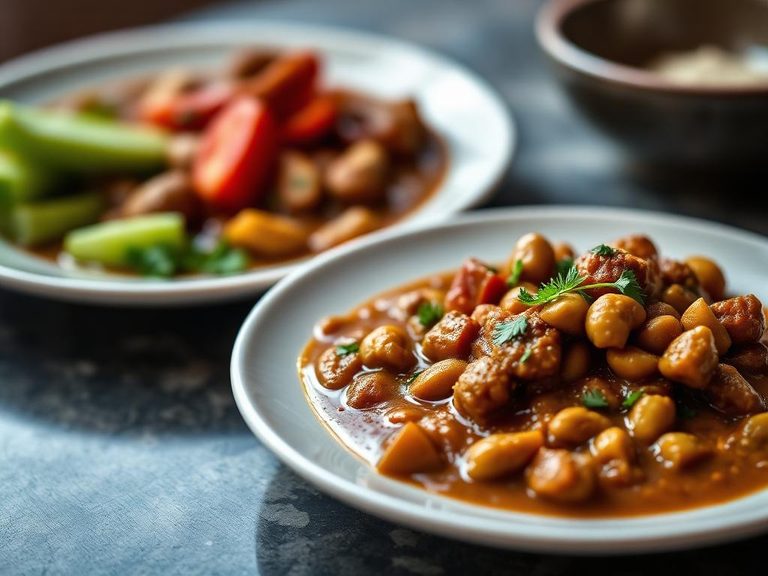

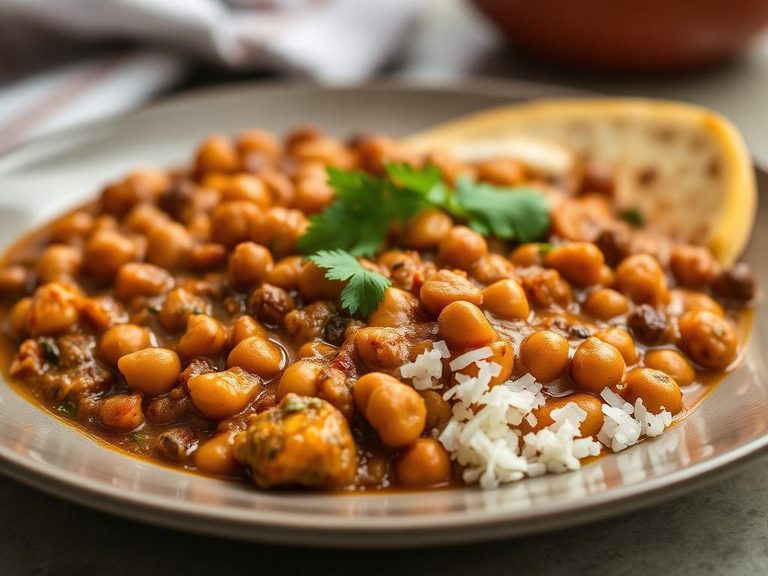
🌍 Where it's eaten
💡 Did you know?
The black-eyed pea is not actually a pea at all, but a type of cowpea (Vigna unguiculata), and it was one of the first domesticated legumes, with evidence of cultivation in West Africa dating back over 3,000 years.
Full nutrition (USDA data · scales with serving)
| Water | 65.1 g |
| Energy | 166 kcal |
| Protein | 7.2 g |
| Total lipid (fat) | 7.0 g |
| Carbohydrate, by difference | 19.3 g |
| Fiber, total dietary | 6.0 g |
| Total Sugars | 3.1 g |
| Calcium, Ca | 23.0 mg |
| Iron, Fe | 2.3 mg |
| Magnesium, Mg | 49.0 mg |
| Phosphorus, P | 145 mg |
| Potassium, K | 258 mg |
| Sodium, Na | 220 mg |
| Zinc, Zn | 1.2 mg |
| Copper, Cu | 0.25 mg |
| Selenium, Se | 2.3 ug |
| Vitamin C, total ascorbic acid | 0.40 mg |
| Thiamin | 0.18 mg |
| Riboflavin | 0.05 mg |
| Niacin | 0.44 mg |
| Vitamin B-6 | 0.09 mg |
| Folate, total | 184 ug |
| Folic acid | 0.00 ug |
| Folate, food | 184 ug |
| Folate, DFE | 184 ug |
| Choline, total | 29.9 mg |
| Vitamin B-12 | 0.00 ug |
| Vitamin B-12, added | 0.00 ug |
| Vitamin A, RAE | 1.0 ug |
| Retinol | 0.00 ug |
| Carotene, beta | 8.0 ug |
| Carotene, alpha | 0.00 ug |
| Cryptoxanthin, beta | 0.00 ug |
| Lycopene | 0.00 ug |
| Lutein + zeaxanthin | 0.00 ug |
| Vitamin E (alpha-tocopherol) | 1.5 mg |
| Vitamin E, added | 0.00 mg |
| Vitamin D (D2 + D3) | 0.00 ug |
| Vitamin K (phylloquinone) | 8.1 ug |
| Alcohol, ethyl | 0.00 g |
| Caffeine | 0.00 mg |
| Theobromine | 0.00 mg |
Fat & fatty acid profile (per 100g)
| Fatty acids, total saturated | 1.00 g |
| SFA 4:0 | 0.00 g |
| SFA 6:0 | 0.00 g |
| SFA 8:0 | 0.00 g |
| SFA 10:0 | 0.00 g |
| SFA 12:0 | 0.00 g |
| SFA 14:0 | 0.00 g |
| SFA 16:0 | 0.72 g |
| SFA 18:0 | 0.21 g |
| Fatty acids, total monounsaturated | 2.8 g |
| MUFA 16:1 | 0.03 g |
| MUFA 18:1 | 2.7 g |
| MUFA 20:1 | 0.04 g |
| MUFA 22:1 | 0.01 g |
| Fatty acids, total polyunsaturated | 2.7 g |
| PUFA 18:2 | 2.3 g |
| PUFA 18:3 | 0.36 g |
| PUFA 18:4 | 0.00 g |
| PUFA 20:4 | 0.00 g |
| PUFA 20:5 n-3 (EPA) | 0.00 g |
| PUFA 22:5 n-3 (DPA) | 0.00 g |
| PUFA 22:6 n-3 (DHA) | 0.00 g |
| Cholesterol | 0.00 mg |
FAQ
Are black-eyed peas the same as black beans?
No, they are different legumes. Black-eyed peas are cream-colored with a black spot, while black beans are uniformly black. They have different textures and flavors, though both are nutritious.
How do I reduce the gas-causing effects of black-eyed peas?
Soak dried peas for at least 8 hours (or overnight), discard the soaking water, and rinse well. Cooking them thoroughly and starting with smaller portions can also help your digestive system adjust.
Can I eat black-eyed peas raw?
No, black-eyed peas must be cooked. Raw or undercooked legumes contain lectins, which can cause digestive upset. Always cook them until they are tender.
Nutrient density (calculated · NRF9.3)
Nutrient Rich Foods index: beneficial nutrients (protein, fiber, vitamins, minerals) minus saturated fat, added sugar & sodium, per 100 kcal.
NRF9.3 index — Fulgoni, Keast & Drewnowski, 2009. Computed from USDA nutrients.
Weight-loss friendliness (composite index)
Energy density 1.66 kcal/g · 17% calories from protein · 6.0 g fiber · 3.1 g sugar per 100 g.
Composite of energy density (Rolls et al., 1999), protein & fiber satiety, minus sugar. A calculated heuristic — ranks satiety-per-calorie, not a clinical measure.
Dietary load (calculated from USDA values)
Potential renal acid load. Positive = acid-forming, negative = alkaline-forming.
Sodium-to-potassium ratio: 0.85 (lower is better — aim for ≤ 1)
Sodium:potassium per WHO potassium guidance. Computed from USDA nutrients.