

Blackeyed peas, from dried
Common food

Photo: Wikipedia
Black-eyed peas are creamy, earthy legumes with a subtle, nutty flavor and a tender yet firm texture when cooked from dried. They are a nutritional powerhouse, offering a balanced profile of plant-based protein, complex carbohydrates, and fiber. Their mild taste makes them incredibly versatile, absorbing spices and seasonings beautifully in a wide range of dishes.
Calorie split: 17% protein · 46% carbs · 37% fat
↓ Full nutrition💚 Why it's loved
People love black-eyed peas for their comforting, hearty texture and ability to soak up rich flavors in stews and salads. They are a cultural staple, especially in Southern U.S. cuisine and West African cooking, symbolizing good luck and prosperity.
⚠️ Watch-outs & how to enjoy it better
Some may find them gassy or bloating due to their high fiber and oligosaccharide content, which can be mitigated by soaking dried peas overnight and rinsing thoroughly before cooking. Their mild flavor can be bland without proper seasoning, and they are a common legume allergen for some individuals.
Key benefits
- Excellent source of plant-based protein and dietary fiber.
- Rich in folate, iron, and potassium for cellular and cardiovascular health.
- Low glycemic index, providing steady energy release.
- Naturally low in fat and sodium when prepared without added salt.
- Supports digestive health due to high fiber content.
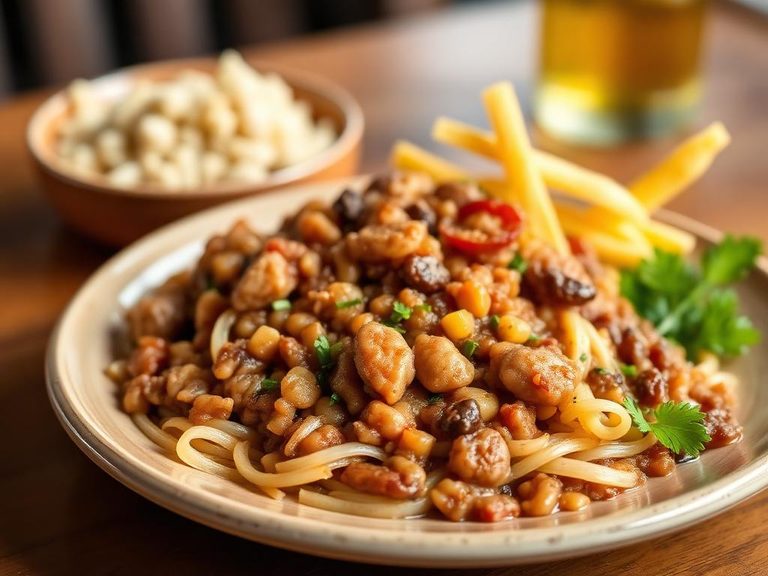
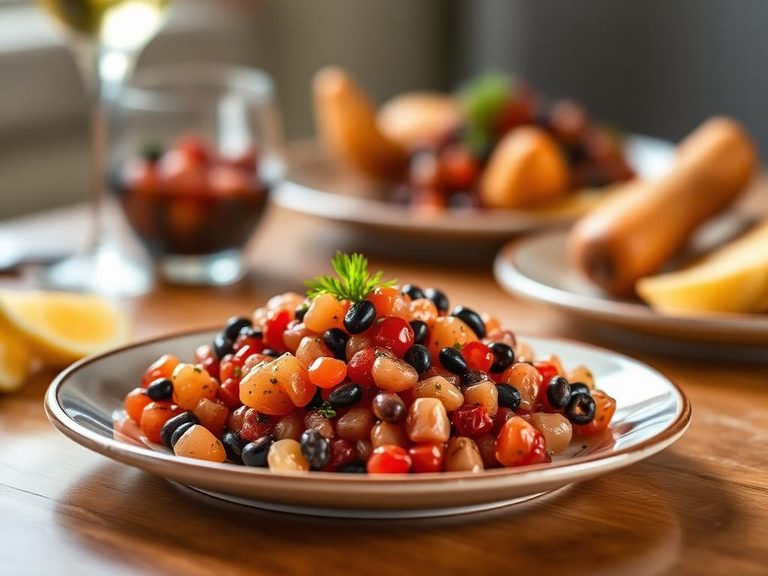
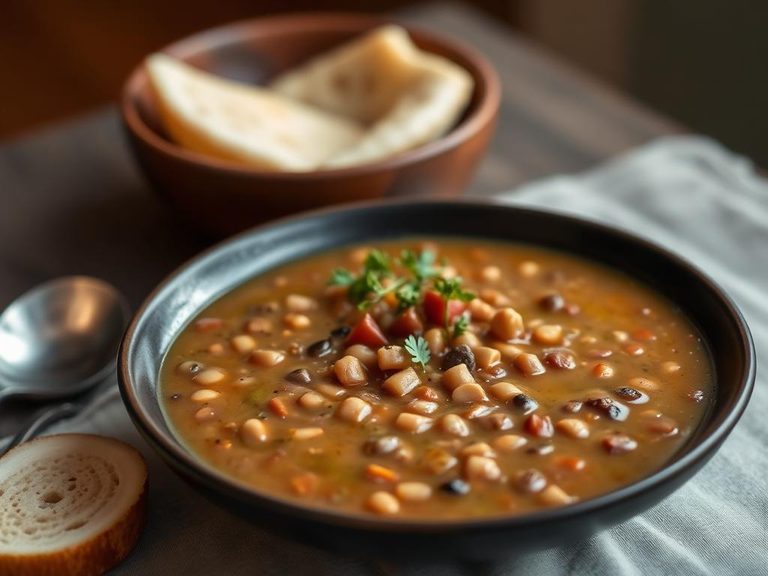
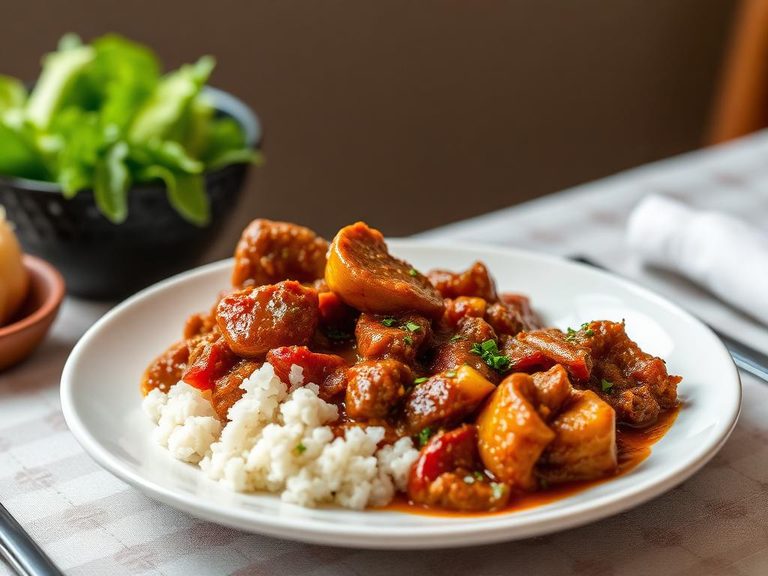
🍽️ Popular dishes

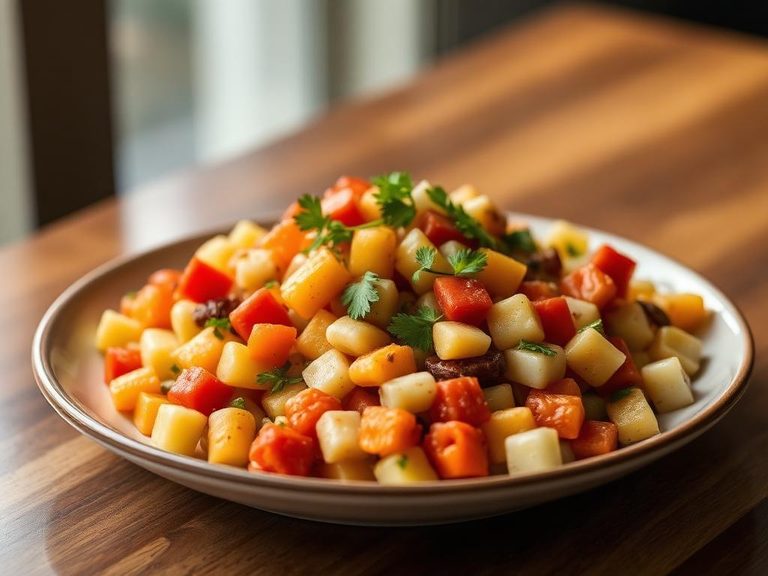
🌍 Where it's eaten
💡 Did you know?
Black-eyed peas are not true peas at all, but a type of cowpea (Vigna unguiculata), and they have been cultivated for over 3,000 years, originating in Africa.
Full nutrition (USDA data · scales with serving)
| Water | 65.1 g |
| Energy | 166 kcal |
| Protein | 7.2 g |
| Total lipid (fat) | 7.0 g |
| Carbohydrate, by difference | 19.3 g |
| Fiber, total dietary | 6.0 g |
| Total Sugars | 3.1 g |
| Calcium, Ca | 23.0 mg |
| Iron, Fe | 2.3 mg |
| Magnesium, Mg | 49.0 mg |
| Phosphorus, P | 145 mg |
| Potassium, K | 258 mg |
| Sodium, Na | 220 mg |
| Zinc, Zn | 1.2 mg |
| Copper, Cu | 0.25 mg |
| Selenium, Se | 2.3 ug |
| Vitamin C, total ascorbic acid | 0.40 mg |
| Thiamin | 0.18 mg |
| Riboflavin | 0.05 mg |
| Niacin | 0.44 mg |
| Vitamin B-6 | 0.09 mg |
| Folate, total | 184 ug |
| Folic acid | 0.00 ug |
| Folate, food | 184 ug |
| Folate, DFE | 184 ug |
| Choline, total | 29.9 mg |
| Vitamin B-12 | 0.00 ug |
| Vitamin B-12, added | 0.00 ug |
| Vitamin A, RAE | 1.0 ug |
| Retinol | 0.00 ug |
| Carotene, beta | 8.0 ug |
| Carotene, alpha | 0.00 ug |
| Cryptoxanthin, beta | 0.00 ug |
| Lycopene | 0.00 ug |
| Lutein + zeaxanthin | 0.00 ug |
| Vitamin E (alpha-tocopherol) | 1.5 mg |
| Vitamin E, added | 0.00 mg |
| Vitamin D (D2 + D3) | 0.00 ug |
| Vitamin K (phylloquinone) | 8.1 ug |
| Alcohol, ethyl | 0.00 g |
| Caffeine | 0.00 mg |
| Theobromine | 0.00 mg |
Fat & fatty acid profile (per 100g)
| Fatty acids, total saturated | 1.00 g |
| SFA 4:0 | 0.00 g |
| SFA 6:0 | 0.00 g |
| SFA 8:0 | 0.00 g |
| SFA 10:0 | 0.00 g |
| SFA 12:0 | 0.00 g |
| SFA 14:0 | 0.00 g |
| SFA 16:0 | 0.72 g |
| SFA 18:0 | 0.21 g |
| Fatty acids, total monounsaturated | 2.8 g |
| MUFA 16:1 | 0.03 g |
| MUFA 18:1 | 2.7 g |
| MUFA 20:1 | 0.04 g |
| MUFA 22:1 | 0.01 g |
| Fatty acids, total polyunsaturated | 2.7 g |
| PUFA 18:2 | 2.3 g |
| PUFA 18:3 | 0.36 g |
| PUFA 18:4 | 0.00 g |
| PUFA 20:4 | 0.00 g |
| PUFA 20:5 n-3 (EPA) | 0.00 g |
| PUFA 22:5 n-3 (DPA) | 0.00 g |
| PUFA 22:6 n-3 (DHA) | 0.00 g |
| Cholesterol | 0.00 mg |
FAQ
Do I need to soak dried black-eyed peas before cooking?
Yes, soaking for at least 4 hours (or overnight) helps reduce cooking time, improves digestibility, and minimizes gas. Rinse well after soaking.
How long do dried black-eyed peas take to cook?
After soaking, they typically take 45 minutes to 1 hour to become tender. Unsoaked peas may take 1.5 to 2 hours.
Are black-eyed peas gluten-free?
Yes, black-eyed peas are naturally gluten-free, making them a safe choice for those with celiac disease or gluten sensitivity.
Nutrient density (calculated · NRF9.3)
Nutrient Rich Foods index: beneficial nutrients (protein, fiber, vitamins, minerals) minus saturated fat, added sugar & sodium, per 100 kcal.
NRF9.3 index — Fulgoni, Keast & Drewnowski, 2009. Computed from USDA nutrients.
Weight-loss friendliness (composite index)
Energy density 1.66 kcal/g · 17% calories from protein · 6.0 g fiber · 3.1 g sugar per 100 g.
Composite of energy density (Rolls et al., 1999), protein & fiber satiety, minus sugar. A calculated heuristic — ranks satiety-per-calorie, not a clinical measure.
Dietary load (calculated from USDA values)
Potential renal acid load. Positive = acid-forming, negative = alkaline-forming.
Sodium-to-potassium ratio: 0.85 (lower is better — aim for ≤ 1)
Sodium:potassium per WHO potassium guidance. Computed from USDA nutrients.