

Blackeyed peas, from frozen
Common food

Photo: Wikipedia
These are mature, dried black-eyed peas rehydrated and flash-frozen to lock in their signature creamy texture and earthy, nutty flavor. They offer a solid plant-based protein punch (over 8g per 100g) and are an excellent source of dietary fiber. Their distinct 'eye' and pale color make them a visually recognizable staple.
Calorie split: 21% protein · 60% carbs · 19% fat
↓ Full nutrition💚 Why it's loved
People love them for their hearty, satisfying texture that holds up well in stews and salads, and for their deep cultural significance, especially as a symbol of good luck in the American South.
⚠️ Watch-outs & how to enjoy it better
They contain oligosaccharides, which can cause gas and bloating in some individuals. To minimize this, rinse them well after thawing and consider starting with a smaller portion. They are also a legume, a common allergen group for some.
Key benefits
- Excellent source of plant-based protein
- High in dietary fiber for digestive health
- Good source of folate and manganese
- Low in fat and naturally cholesterol-free
- Convenient frozen format reduces cooking time
🍽️ Popular dishes
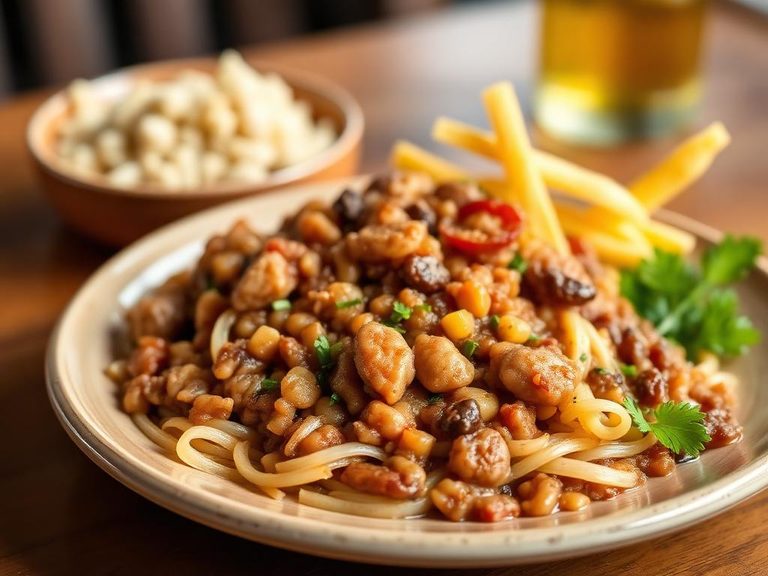
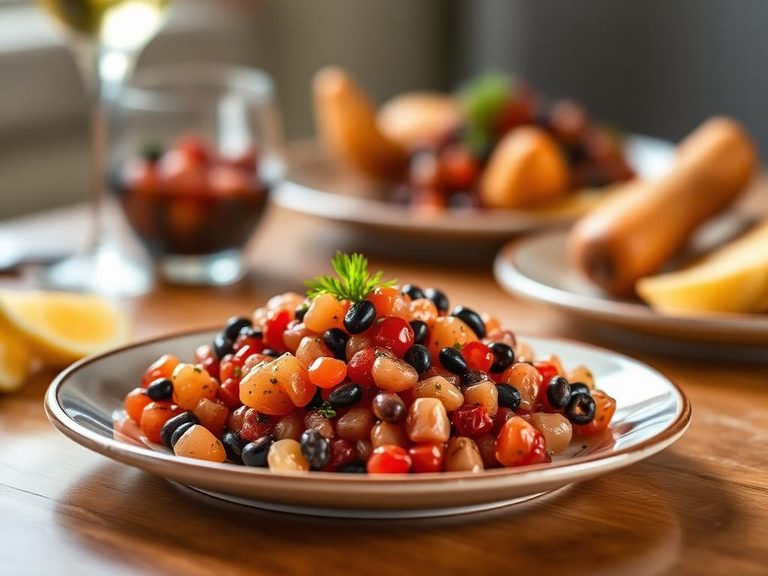
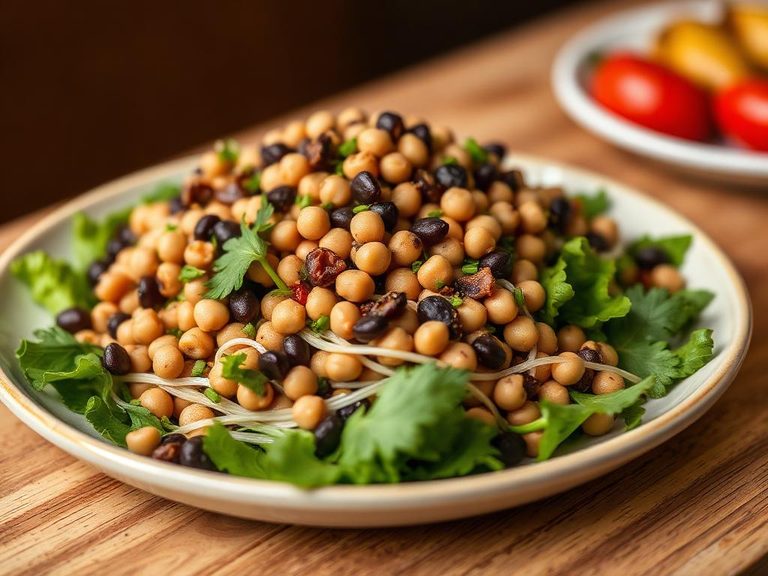
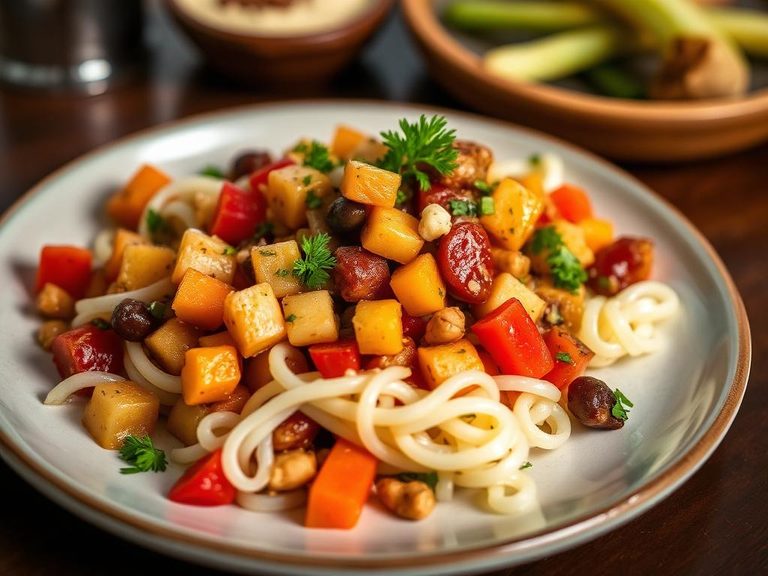
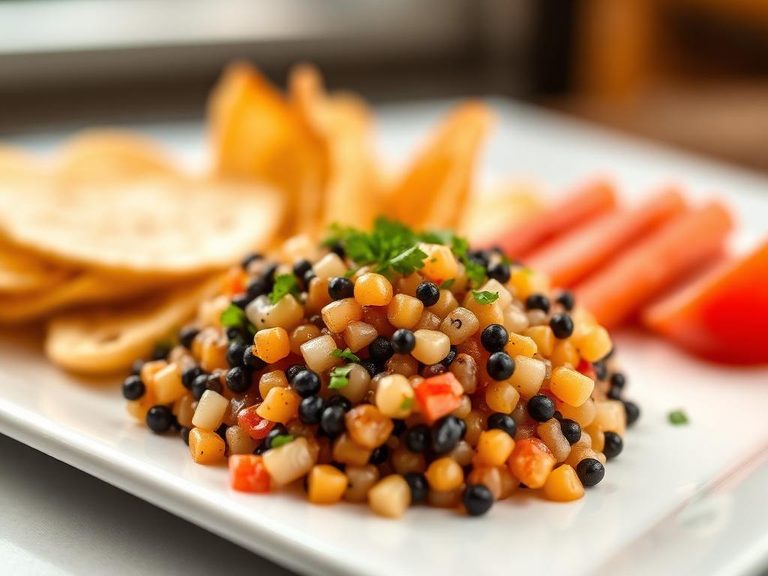
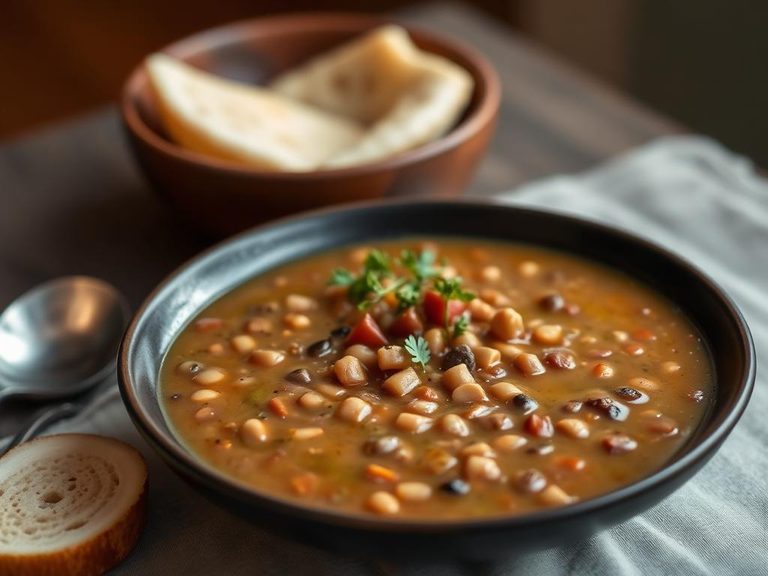
🌍 Where it's eaten
💡 Did you know?
The black spot on the pea is called the 'eye' or 'scar,' and according to Southern U.S. folklore, eating them on New Year's Day will bring you prosperity and good luck for the coming year.
Full nutrition (USDA data · scales with serving)
| Water | 64.3 g |
| Energy | 151 kcal |
| Protein | 8.2 g |
| Total lipid (fat) | 3.2 g |
| Carbohydrate, by difference | 23.0 g |
| Fiber, total dietary | 6.2 g |
| Total Sugars | 4.3 g |
| Calcium, Ca | 23.0 mg |
| Iron, Fe | 2.1 mg |
| Magnesium, Mg | 48.0 mg |
| Phosphorus, P | 118 mg |
| Potassium, K | 363 mg |
| Sodium, Na | 126 mg |
| Zinc, Zn | 1.4 mg |
| Copper, Cu | 0.18 mg |
| Selenium, Se | 3.3 ug |
| Vitamin C, total ascorbic acid | 2.5 mg |
| Thiamin | 0.25 mg |
| Riboflavin | 0.06 mg |
| Niacin | 0.70 mg |
| Vitamin B-6 | 0.11 mg |
| Folate, total | 137 ug |
| Folic acid | 0.00 ug |
| Folate, food | 137 ug |
| Folate, DFE | 137 ug |
| Choline, total | 44.4 mg |
| Vitamin B-12 | 0.00 ug |
| Vitamin B-12, added | 0.00 ug |
| Vitamin A, RAE | 15.0 ug |
| Retinol | 11.0 ug |
| Carotene, beta | 49.0 ug |
| Carotene, alpha | 0.00 ug |
| Cryptoxanthin, beta | 0.00 ug |
| Lycopene | 0.00 ug |
| Lutein + zeaxanthin | 0.00 ug |
| Vitamin E (alpha-tocopherol) | 0.67 mg |
| Vitamin E, added | 0.00 mg |
| Vitamin D (D2 + D3) | 0.00 ug |
| Vitamin K (phylloquinone) | 37.7 ug |
| Alcohol, ethyl | 0.00 g |
| Caffeine | 0.00 mg |
| Theobromine | 0.00 mg |
Fat & fatty acid profile (per 100g)
| Fatty acids, total saturated | 0.84 g |
| SFA 4:0 | 0.02 g |
| SFA 6:0 | 0.01 g |
| SFA 8:0 | 0.01 g |
| SFA 10:0 | 0.02 g |
| SFA 12:0 | 0.02 g |
| SFA 14:0 | 0.07 g |
| SFA 16:0 | 0.50 g |
| SFA 18:0 | 0.16 g |
| Fatty acids, total monounsaturated | 0.96 g |
| MUFA 16:1 | 0.02 g |
| MUFA 18:1 | 0.90 g |
| MUFA 20:1 | 0.01 g |
| MUFA 22:1 | 0.02 g |
| Fatty acids, total polyunsaturated | 1.0 g |
| PUFA 18:2 | 0.80 g |
| PUFA 18:3 | 0.19 g |
| PUFA 18:4 | 0.00 g |
| PUFA 20:4 | 0.00 g |
| PUFA 20:5 n-3 (EPA) | 0.00 g |
| PUFA 22:5 n-3 (DPA) | 0.00 g |
| PUFA 22:6 n-3 (DHA) | 0.00 g |
| Cholesterol | 2.0 mg |
FAQ
Do I need to thaw frozen black-eyed peas before cooking?
No, you can add them directly from frozen to soups, stews, or sautés. They will release some liquid as they heat through, which is fine for most recipes.
How are frozen black-eyed peas different from canned?
Frozen peas typically have a firmer texture and less sodium than canned varieties, which are often preserved in a salt brine. Canned peas are pre-cooked and ready to eat, while frozen are blanched.
What's a quick way to use frozen black-eyed peas?
Toss them into a simple salad with diced tomatoes, red onion, olive oil, and lemon juice. Or, heat them with a little cumin and chili powder for a quick side dish.
Nutrient density (calculated · NRF9.3)
Nutrient Rich Foods index: beneficial nutrients (protein, fiber, vitamins, minerals) minus saturated fat, added sugar & sodium, per 100 kcal.
NRF9.3 index — Fulgoni, Keast & Drewnowski, 2009. Computed from USDA nutrients.
Weight-loss friendliness (composite index)
Energy density 1.51 kcal/g · 22% calories from protein · 6.2 g fiber · 4.3 g sugar per 100 g.
Composite of energy density (Rolls et al., 1999), protein & fiber satiety, minus sugar. A calculated heuristic — ranks satiety-per-calorie, not a clinical measure.
Dietary load (calculated from USDA values)
Potential renal acid load. Positive = acid-forming, negative = alkaline-forming.
Sodium-to-potassium ratio: 0.35 (lower is better — aim for ≤ 1)
Sodium:potassium per WHO potassium guidance. Computed from USDA nutrients.