

Black beans, from canned, reduced sodium
Common food
These are black beans, typically the common black turtle bean, preserved in a can with reduced sodium. They offer a satisfyingly creamy, starchy texture with a deep, earthy, and slightly sweet flavor. Nutritionally, they are a standout source of plant-based protein and an exceptional source of dietary fiber.
Calorie split: 19% protein · 52% carbs · 29% fat
↓ Full nutrition💚 Why it's loved
People love black beans for their rich, velvety texture that absorbs flavors beautifully, and their incredible versatility as a staple in everything from soups to burgers. They are a cornerstone of Latin American, Caribbean, and Southwestern cuisines, symbolizing comfort and sustenance.
⚠️ Watch-outs & how to enjoy it better
The primary downside is the potential for digestive gas (oligosaccharides) in some individuals, and even reduced-sodium versions can contain more salt than dried beans. To counteract gas, start with smaller portions, rinse them thoroughly, and consider pairing with digestive aids like cumin or ginger. For sodium control, always rinse canned beans and use them in dishes where other low-sodium ingredients dominate.
Key benefits
- Excellent source of plant-based protein (8.54g per 100g)
- High in dietary fiber (9.8g per 100g) for digestive health
- Low in sugar (0.33g per 100g)
- Provides a good balance of complex carbohydrates and healthy fats
- Reduced sodium version supports heart-healthy diets
🍽️ Popular dishes
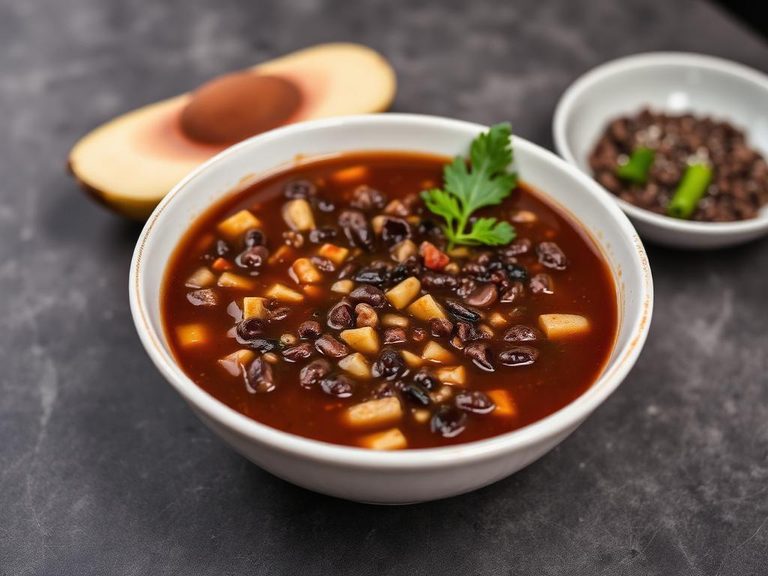
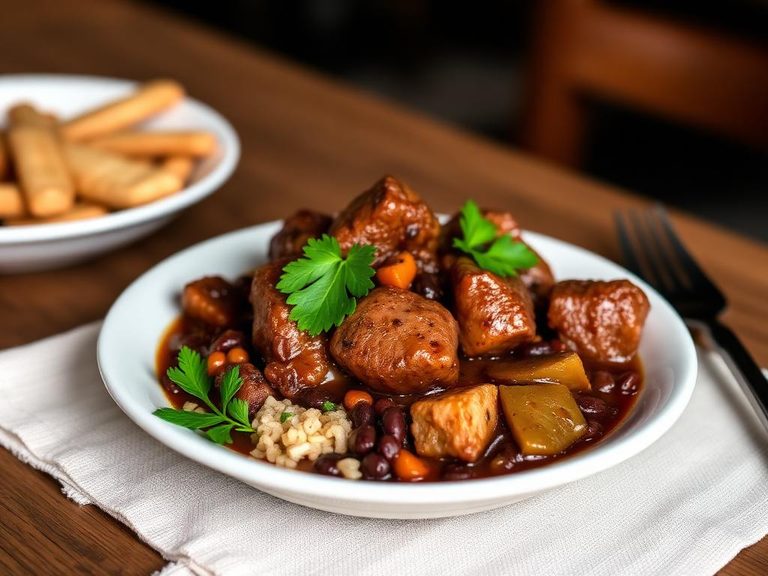

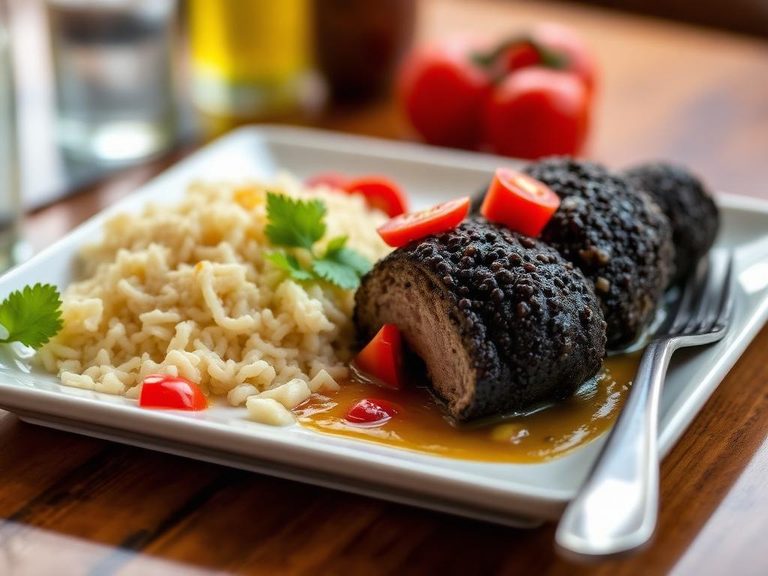
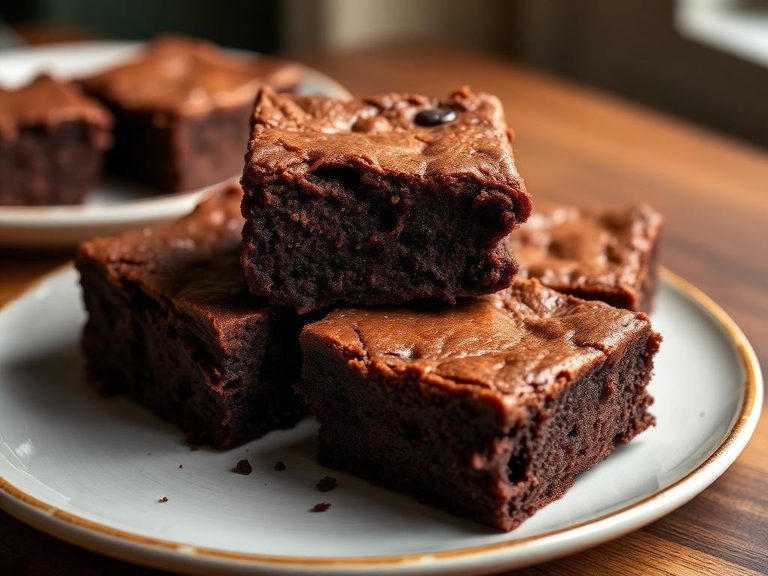
🌍 Where it's eaten
💡 Did you know?
The anthocyanins that give black beans their dark color are powerful antioxidants, and their concentration can actually increase during the cooking process.
Full nutrition (USDA data · scales with serving)
| Water | 60.0 g |
| Energy | 178 kcal |
| Protein | 8.5 g |
| Total lipid (fat) | 5.9 g |
| Carbohydrate, by difference | 23.4 g |
| Fiber, total dietary | 9.8 g |
| Total Sugars | 0.33 g |
| Calcium, Ca | 50.0 mg |
| Iron, Fe | 2.7 mg |
| Magnesium, Mg | 50.0 mg |
| Phosphorus, P | 153 mg |
| Potassium, K | 436 mg |
| Sodium, Na | 195 mg |
| Zinc, Zn | 0.76 mg |
| Copper, Cu | 0.27 mg |
| Selenium, Se | 1.8 ug |
| Vitamin C, total ascorbic acid | 3.6 mg |
| Thiamin | 0.19 mg |
| Riboflavin | 0.16 mg |
| Niacin | 0.83 mg |
| Vitamin B-6 | 0.07 mg |
| Folate, total | 82.0 ug |
| Folic acid | 0.00 ug |
| Folate, food | 82.0 ug |
| Folate, DFE | 82.0 ug |
| Choline, total | 32.9 mg |
| Vitamin B-12 | 0.00 ug |
| Vitamin B-12, added | 0.00 ug |
| Vitamin A, RAE | 0.00 ug |
| Retinol | 0.00 ug |
| Carotene, beta | 0.00 ug |
| Carotene, alpha | 0.00 ug |
| Cryptoxanthin, beta | 0.00 ug |
| Lycopene | 0.00 ug |
| Lutein + zeaxanthin | 0.00 ug |
| Vitamin E (alpha-tocopherol) | 1.9 mg |
| Vitamin E, added | 0.00 mg |
| Vitamin D (D2 + D3) | 0.00 ug |
| Vitamin K (phylloquinone) | 8.8 ug |
| Alcohol, ethyl | 0.00 g |
| Caffeine | 0.00 mg |
| Theobromine | 0.00 mg |
Fat & fatty acid profile (per 100g)
| Fatty acids, total saturated | 0.84 g |
| SFA 4:0 | 0.00 g |
| SFA 6:0 | 0.00 g |
| SFA 8:0 | 0.00 g |
| SFA 10:0 | 0.00 g |
| SFA 12:0 | 0.00 g |
| SFA 14:0 | 0.00 g |
| SFA 16:0 | 0.63 g |
| SFA 18:0 | 0.16 g |
| Fatty acids, total monounsaturated | 2.4 g |
| MUFA 16:1 | 0.02 g |
| MUFA 18:1 | 2.3 g |
| MUFA 20:1 | 0.04 g |
| MUFA 22:1 | 0.00 g |
| Fatty acids, total polyunsaturated | 2.3 g |
| PUFA 18:2 | 2.0 g |
| PUFA 18:3 | 0.32 g |
| PUFA 18:4 | 0.00 g |
| PUFA 20:4 | 0.00 g |
| PUFA 20:5 n-3 (EPA) | 0.00 g |
| PUFA 22:5 n-3 (DPA) | 0.00 g |
| PUFA 22:6 n-3 (DHA) | 0.00 g |
| Cholesterol | 0.00 mg |
Amino acid profile (per 100g)
Estimated from Beans, black, mature seeds, raw — USDA does not publish this profile for Black beans.
| Tryptophan | 0.26 g |
| Threonine | 0.91 g |
| Isoleucine | 0.95 g |
| Leucine | 1.7 g |
| Lysine | 1.5 g |
| Methionine | 0.33 g |
| Cystine | 0.23 g |
| Phenylalanine | 1.2 g |
| Tyrosine | 0.61 g |
| Valine | 1.1 g |
| Arginine | 1.3 g |
| Histidine | 0.60 g |
| Alanine | 0.91 g |
| Aspartic acid | 2.6 g |
| Glutamic acid | 3.3 g |
| Glycine | 0.84 g |
| Proline | 0.92 g |
| Serine | 1.2 g |
FAQ
Why should I rinse canned black beans?
Rinsing can reduce the sodium content by up to 40% and washes away some of the starchy liquid that can cause digestive discomfort for some people.
Are canned black beans as nutritious as dried?
Yes, they are nutritionally very similar. Canning is a gentle process that preserves most vitamins and minerals. The main difference is often sodium content, which is why reduced-sodium or rinsed options are recommended.
Can I freeze leftover canned black beans?
Absolutely. Portion the rinsed beans into freezer-safe bags or containers. They freeze well for up to 3 months, making them a perfect ready-to-use ingredient for quick meals.
Nutrient density (calculated · NRF9.3)
Nutrient Rich Foods index: beneficial nutrients (protein, fiber, vitamins, minerals) minus saturated fat, added sugar & sodium, per 100 kcal.
NRF9.3 index — Fulgoni, Keast & Drewnowski, 2009. Computed from USDA nutrients.
Weight-loss friendliness (composite index)
Energy density 1.78 kcal/g · 19% calories from protein · 9.8 g fiber · 0.3 g sugar per 100 g.
Composite of energy density (Rolls et al., 1999), protein & fiber satiety, minus sugar. A calculated heuristic — ranks satiety-per-calorie, not a clinical measure.
Dietary load (calculated from USDA values)
Potential renal acid load. Positive = acid-forming, negative = alkaline-forming.
Sodium-to-potassium ratio: 0.45 (lower is better — aim for ≤ 1)
Sodium:potassium per WHO potassium guidance. Computed from USDA nutrients.