

Beverages, coffee, instant, vanilla, sweetened, decaffeinated, with non dairy creamer
Whole food · Beverages

Photo: Wikipedia
A comforting, creamy instant beverage that delivers a sweet, vanilla-kissed coffee flavor without the caffeine jolt. Its light, smooth texture comes from a blend of non-dairy creamer and sugar, creating a familiar, comforting taste for a quick pick-me-up. Nutritionally, it's a high-energy treat, packing 465 calories per 100g, almost entirely from carbohydrates and sugar.
Calorie split: 0% protein · 74% carbs · 26% fat
↓ Full nutrition💚 Why it's loved
People love it for its nostalgic, comforting sweetness and the effortless ritual of a warm, creamy drink. It's a versatile base that can be customized with spices or enjoyed as a simple, sweet treat.
⚠️ Watch-outs & how to enjoy it better
The high sugar content (66.67g per 100g) can lead to rapid blood-sugar spikes and subsequent energy crashes. To counteract this, pair it with a source of protein or healthy fat (like nuts or a cheese stick) to slow sugar absorption, and practice strict portion control by using a single pre-measured packet. The non-dairy creamer often contains common allergens like soy lecithin, so check labels if you have sensitivities.
Key benefits
- Provides a quick source of energy from carbohydrates.
- Offers a caffeine-free option for evening or sensitive individuals.
- Convenient and requires only hot water for preparation.
- Consistent flavor and texture in every serving.
- Shelf-stable for long-term pantry storage.
🍽️ Popular dishes

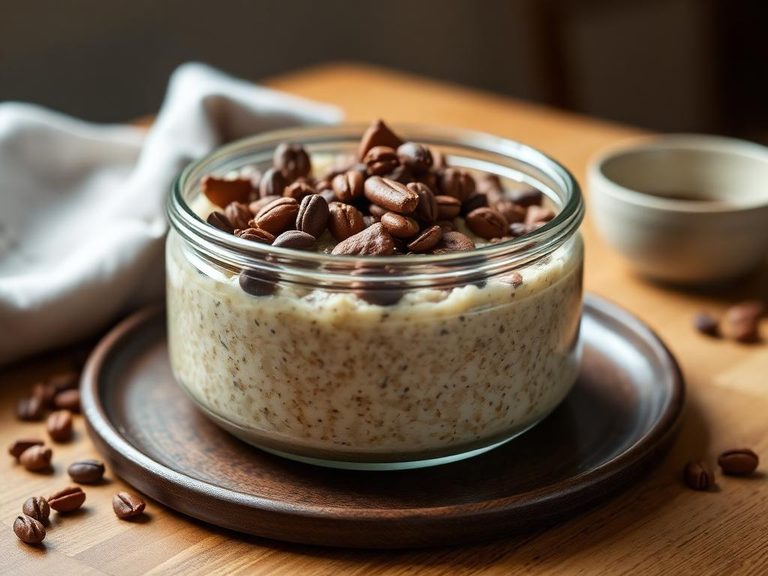
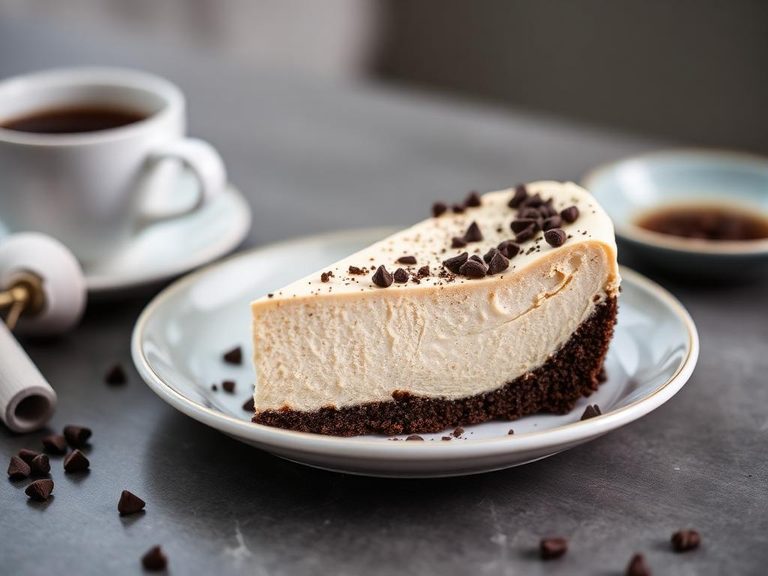
🌍 Where it's eaten
💡 Did you know?
The non-dairy creamer in this product is typically made from hydrogenated vegetable oils (like palm or coconut oil) and corn syrup solids, not milk.
Full nutrition (USDA data · scales with serving)
| Water | 0.16 g |
| Energy | 465 kcal |
| Energy | 1946 kj |
| Protein | 0.00 g |
| Total lipid (fat) | 13.3 g |
| Ash | 0.23 g |
| Carbohydrate, by difference | 86.3 g |
| Fiber, total dietary | 0.00 g |
| Total Sugars | 66.7 g |
| Calcium, Ca | 0.00 mg |
| Iron, Fe | 0.00 mg |
| Magnesium, Mg | 0.00 mg |
| Phosphorus, P | 0.00 mg |
| Potassium, K | 57.0 mg |
| Sodium, Na | 333 mg |
| Zinc, Zn | 0.00 mg |
| Copper, Cu | 0.00 mg |
| Selenium, Se | 0.00 ug |
| Vitamin C, total ascorbic acid | 0.00 mg |
| Thiamin | 0.00 mg |
| Riboflavin | 0.00 mg |
| Niacin | 0.00 mg |
| Vitamin B-6 | 0.00 mg |
| Folate, total | 0.00 ug |
| Folic acid | 0.00 ug |
| Folate, food | 0.00 ug |
| Folate, DFE | 0.00 ug |
| Choline, total | 0.00 mg |
| Vitamin B-12 | 0.00 ug |
| Vitamin B-12, added | 0.00 ug |
| Vitamin A, RAE | 0.00 ug |
| Retinol | 0.00 ug |
| Carotene, beta | 0.00 ug |
| Carotene, alpha | 0.00 ug |
| Cryptoxanthin, beta | 0.00 ug |
| Vitamin A, IU | 0.00 iu |
| Lycopene | 0.00 ug |
| Lutein + zeaxanthin | 0.00 ug |
| Vitamin E (alpha-tocopherol) | 0.00 mg |
| Vitamin E, added | 0.00 mg |
| Vitamin D (D2 + D3), International Units | 0.00 iu |
| Vitamin D (D2 + D3) | 0.00 ug |
| Vitamin K (phylloquinone) | 0.00 ug |
| Alcohol, ethyl | 0.00 g |
| Caffeine | 0.00 mg |
| Theobromine | 0.00 mg |
Fat & fatty acid profile (per 100g)
| Fatty acids, total saturated | 13.3 g |
| SFA 4:0 | 0.00 g |
| SFA 6:0 | 0.00 g |
| SFA 8:0 | 0.00 g |
| SFA 10:0 | 0.00 g |
| SFA 12:0 | 0.00 g |
| SFA 14:0 | 0.00 g |
| SFA 16:0 | 0.00 g |
| SFA 18:0 | 0.00 g |
| Fatty acids, total monounsaturated | 0.00 g |
| MUFA 16:1 | 0.00 g |
| MUFA 18:1 | 0.00 g |
| MUFA 20:1 | 0.00 g |
| MUFA 22:1 | 0.00 g |
| Fatty acids, total polyunsaturated | 0.00 g |
| PUFA 18:2 | 0.00 g |
| PUFA 18:3 | 0.00 g |
| PUFA 18:4 | 0.00 g |
| PUFA 20:4 | 0.00 g |
| PUFA 20:5 n-3 (EPA) | 0.00 g |
| PUFA 22:5 n-3 (DPA) | 0.00 g |
| PUFA 22:6 n-3 (DHA) | 0.00 g |
| Cholesterol | 0.00 mg |
Amino acid profile (per 100g)
Estimated from Beverages, carbonated, tonic water — USDA does not publish this profile for Beverages.
| Tryptophan | 0.00 g |
| Threonine | 0.00 g |
| Isoleucine | 0.00 g |
| Leucine | 0.00 g |
| Lysine | 0.00 g |
| Methionine | 0.00 g |
| Cystine | 0.00 g |
| Phenylalanine | 0.00 g |
| Tyrosine | 0.00 g |
| Valine | 0.00 g |
| Arginine | 0.00 g |
| Histidine | 0.00 g |
| Alanine | 0.00 g |
| Aspartic acid | 0.00 g |
| Glutamic acid | 0.00 g |
| Glycine | 0.00 g |
| Proline | 0.00 g |
| Serine | 0.00 g |
FAQ
Does decaffeinated mean it has zero caffeine?
Not necessarily. Decaf processes remove most, but not all, caffeine. A typical cup may still contain 2-15 mg, compared to 80-100 mg in regular coffee. It's very low but not completely absent.
Why is the calorie count so high if it's just coffee?
The calories come almost entirely from the added sugar and non-dairy creamer (which is often based on oils and corn syrup solids). The coffee itself contributes negligible calories.
Is this suitable for a vegan diet?
It depends on the specific brand. 'Non-dairy creamer' is often vegan, but some formulations may contain dairy derivatives like casein. Always check the ingredient list for milk or milk solids to be certain.
Nutrient density (calculated · NRF9.3)
Nutrient Rich Foods index: beneficial nutrients (protein, fiber, vitamins, minerals) minus saturated fat, added sugar & sodium, per 100 kcal.
NRF9.3 index — Fulgoni, Keast & Drewnowski, 2009. Computed from USDA nutrients.
Weight-loss friendliness (composite index)
Energy density 4.65 kcal/g · 0% calories from protein · 0.0 g fiber · 66.7 g sugar per 100 g.
Composite of energy density (Rolls et al., 1999), protein & fiber satiety, minus sugar. A calculated heuristic — ranks satiety-per-calorie, not a clinical measure.
Dietary load (calculated from USDA values)
Potential renal acid load. Positive = acid-forming, negative = alkaline-forming.
Sodium-to-potassium ratio: 5.84 (lower is better — aim for ≤ 1)
Sodium:potassium per WHO potassium guidance. Computed from USDA nutrients.