

Beer, nonalcoholic
Common food
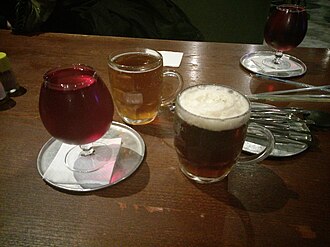
Photo: Wikipedia
Non-alcoholic beer is a malt-based beverage brewed to remove or limit alcohol content, offering the familiar hoppy, malty flavor of beer without the buzz. Its texture is typically light and effervescent, with a crisp, refreshing finish. Nutritionally, it is a low-calorie drink (around 37 kcal per 100g) that provides a modest amount of carbohydrates, mostly from residual sugars.
Calorie split: 2% protein · 94% carbs · 3% fat
↓ Full nutrition💚 Why it's loved
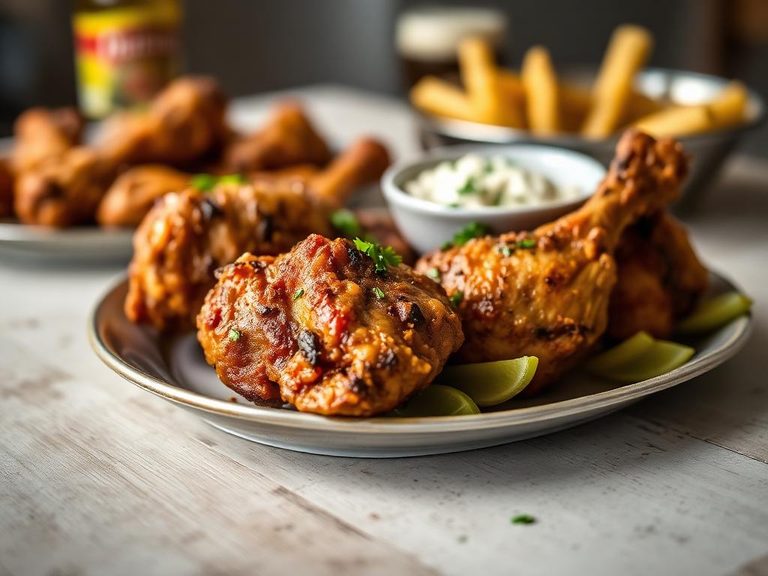
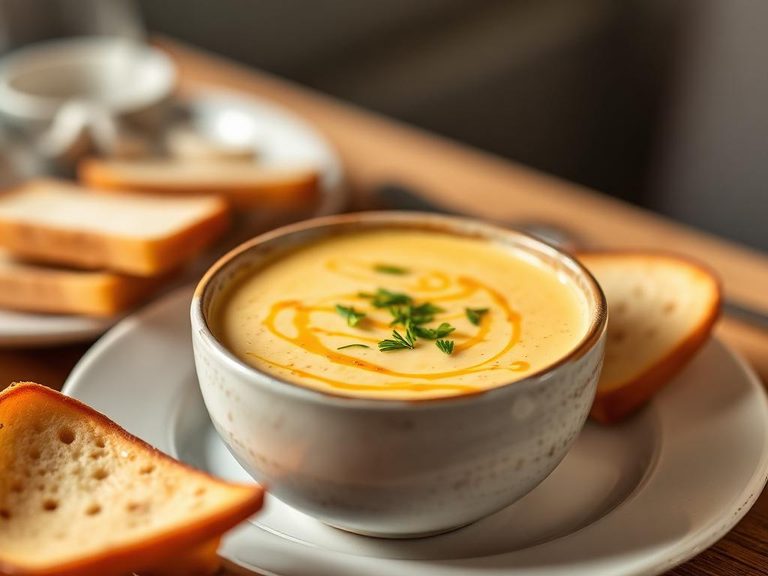
People love non-alcoholic beer for its ability to mimic the taste and ritual of drinking beer, making it a popular choice for designated drivers, athletes, or those reducing alcohol intake. Its versatility allows it to be enjoyed in social settings without the effects of alcohol, and it often pairs well with casual meals.
⚠️ Watch-outs & how to enjoy it better
The primary downside is its sugar content, which can contribute to blood-sugar spikes, especially for those monitoring their glucose levels. Additionally, some brands may contain added sodium or preservatives. To mitigate these, choose low-sugar varieties, pair with protein or fiber-rich foods to slow sugar absorption, and practice portion control.
Key benefits
- Low in calories compared to regular beer.
- Provides a social alternative for those avoiding alcohol.
- Contains some B vitamins from the malt.
- Hydrating due to its high water content.
- Can be a source of carbohydrates for energy.
🍽️ Popular dishes
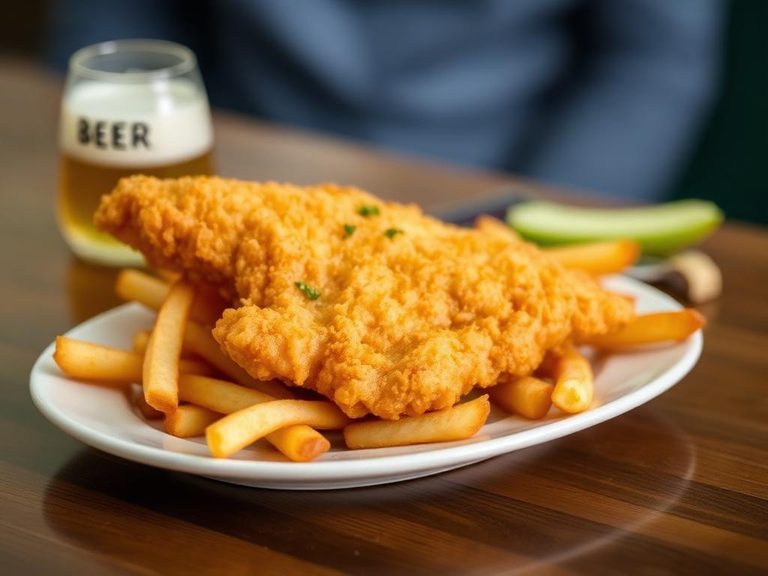
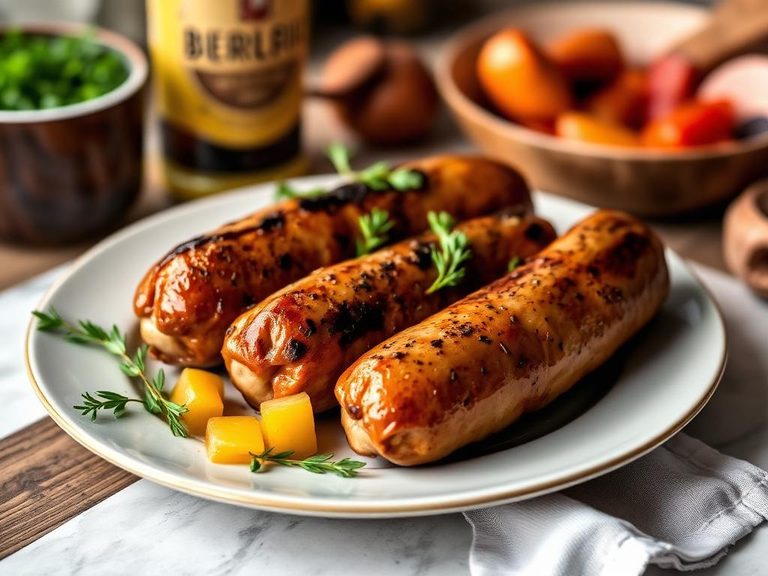
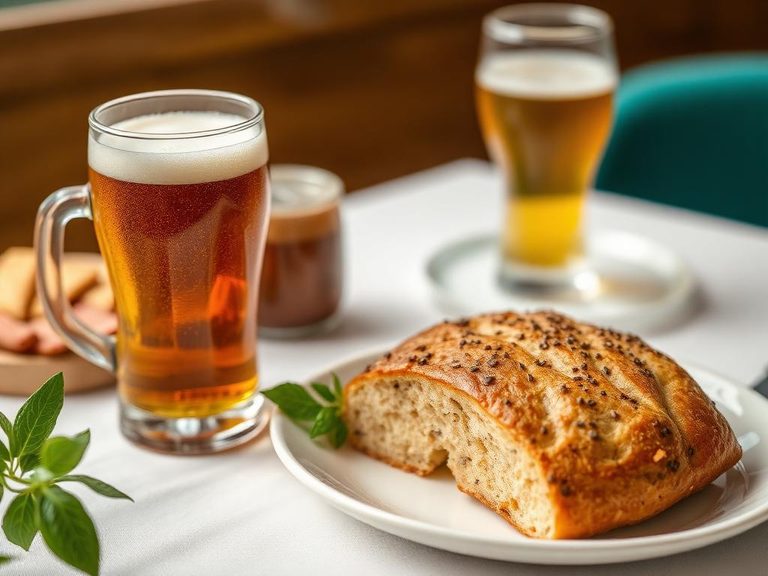
🌍 Where it's eaten
💡 Did you know?
Non-alcoholic beer has been consumed for centuries, with 'small beer' (low-alcohol) being a common beverage in medieval Europe, often safer than water due to the brewing process.
Full nutrition (USDA data · scales with serving)
| Water | 91.2 g |
| Energy | 37.0 kcal |
| Protein | 0.21 g |
| Total lipid (fat) | 0.12 g |
| Carbohydrate, by difference | 8.1 g |
| Fiber, total dietary | 0.00 g |
| Total Sugars | 8.1 g |
| Calcium, Ca | 7.0 mg |
| Iron, Fe | 0.06 mg |
| Magnesium, Mg | 7.0 mg |
| Phosphorus, P | 16.0 mg |
| Potassium, K | 8.0 mg |
| Sodium, Na | 13.0 mg |
| Zinc, Zn | 0.02 mg |
| Copper, Cu | 0.01 mg |
| Selenium, Se | 1.2 ug |
| Vitamin C, total ascorbic acid | 0.50 mg |
| Thiamin | 0.02 mg |
| Riboflavin | 0.05 mg |
| Niacin | 1.1 mg |
| Vitamin B-6 | 0.03 mg |
| Folate, total | 14.0 ug |
| Folic acid | 0.00 ug |
| Folate, food | 14.0 ug |
| Folate, DFE | 14.0 ug |
| Choline, total | 10.1 mg |
| Vitamin B-12 | 0.02 ug |
| Vitamin B-12, added | 0.00 ug |
| Vitamin A, RAE | 0.00 ug |
| Retinol | 0.00 ug |
| Carotene, beta | 0.00 ug |
| Carotene, alpha | 0.00 ug |
| Cryptoxanthin, beta | 0.00 ug |
| Lycopene | 0.00 ug |
| Lutein + zeaxanthin | 0.00 ug |
| Vitamin E (alpha-tocopherol) | 0.00 mg |
| Vitamin E, added | 0.00 mg |
| Vitamin D (D2 + D3) | 0.00 ug |
| Vitamin K (phylloquinone) | 0.00 ug |
| Alcohol, ethyl | 0.30 g |
| Caffeine | 0.00 mg |
| Theobromine | 0.00 mg |
Fat & fatty acid profile (per 100g)
| Fatty acids, total saturated | 0.02 g |
| SFA 4:0 | 0.00 g |
| SFA 6:0 | 0.00 g |
| SFA 8:0 | 0.00 g |
| SFA 10:0 | 0.00 g |
| SFA 12:0 | 0.00 g |
| SFA 14:0 | 0.00 g |
| SFA 16:0 | 0.02 g |
| SFA 18:0 | 0.00 g |
| Fatty acids, total monounsaturated | 0.01 g |
| MUFA 16:1 | 0.00 g |
| MUFA 18:1 | 0.01 g |
| MUFA 20:1 | 0.00 g |
| MUFA 22:1 | 0.00 g |
| Fatty acids, total polyunsaturated | 0.06 g |
| PUFA 18:2 | 0.05 g |
| PUFA 18:3 | 0.01 g |
| PUFA 18:4 | 0.00 g |
| PUFA 20:4 | 0.00 g |
| PUFA 20:5 n-3 (EPA) | 0.00 g |
| PUFA 22:5 n-3 (DPA) | 0.00 g |
| PUFA 22:6 n-3 (DHA) | 0.00 g |
| Cholesterol | 0.00 mg |
Amino acid profile (per 100g)
Estimated from Beerwurst, pork and beef — USDA does not publish this profile for Beer.
| Tryptophan | 0.17 g |
| Threonine | 0.67 g |
| Isoleucine | 0.68 g |
| Leucine | 1.2 g |
| Lysine | 1.3 g |
| Methionine | 0.39 g |
| Cystine | 0.18 g |
| Phenylalanine | 0.60 g |
| Tyrosine | 0.51 g |
| Valine | 0.77 g |
| Arginine | 0.98 g |
| Histidine | 0.54 g |
| Alanine | 0.92 g |
| Aspartic acid | 1.4 g |
| Glutamic acid | 2.3 g |
| Glycine | 0.88 g |
| Proline | 0.70 g |
| Serine | 0.60 g |
FAQ
Is non-alcoholic beer truly alcohol-free?
Most non-alcoholic beers contain trace amounts of alcohol, typically less than 0.5% ABV, which is considered negligible for most people.
Can non-alcoholic beer be part of a healthy diet?
Yes, in moderation, it can be a low-calorie alternative to regular beer, but be mindful of sugar content and choose brands with minimal additives.
Is non-alcoholic beer suitable for athletes?
It can be a good post-workout recovery drink due to its carbohydrate content and hydration benefits, but it's not a substitute for water or electrolyte drinks.
Nutrient density (calculated · NRF9.3)
Nutrient Rich Foods index: beneficial nutrients (protein, fiber, vitamins, minerals) minus saturated fat, added sugar & sodium, per 100 kcal.
NRF9.3 index — Fulgoni, Keast & Drewnowski, 2009. Computed from USDA nutrients.
Weight-loss friendliness (composite index)
Energy density 0.37 kcal/g · 2% calories from protein · 0.0 g fiber · 8.1 g sugar per 100 g.
Composite of energy density (Rolls et al., 1999), protein & fiber satiety, minus sugar. A calculated heuristic — ranks satiety-per-calorie, not a clinical measure.
Dietary load (calculated from USDA values)
Potential renal acid load. Positive = acid-forming, negative = alkaline-forming.
Sodium-to-potassium ratio: 1.63 (lower is better — aim for ≤ 1)
Sodium:potassium per WHO potassium guidance. Computed from USDA nutrients.