

Wine, nonalcoholic
Common food
Non-alcoholic wine is a de-alcoholized or dealcoholized version of traditional wine, offering the complex aroma and flavor of grapes with a negligible 6 kcal per 100g. It typically has a lighter body and less viscous mouthfeel than its alcoholic counterpart, with a clean, fruity, or tannic finish depending on the base. Nutritionally, it provides a trace of natural sugars (1.1g) and carbs with virtually no fat, protein, or fiber.
Calorie split: 31% protein · 69% carbs · 0% fat
↓ Full nutrition💚 Why it's loved
People love it for capturing the ritual, aroma, and nuanced flavor of wine—the fruitiness of a Merlot or the crispness of a Sauvignon Blanc—without the intoxicating effects, making it a perfect inclusive choice for dinner parties or mindful drinking.
⚠️ Watch-outs & how to enjoy it better
The removal of alcohol can sometimes leave a slightly watery or simplified flavor profile, which may disappoint connoisseurs. Those monitoring blood sugar should be mindful of the 1.1g of sugar per 100g, though the amount is modest. Tip: Pair it with a protein-rich appetizer or cheese to create a more balanced sensory experience and slow sugar absorption.
Key benefits
- Extremely low in calories (6 kcal/100g).
- Contains zero alcohol, making it suitable for all ages and occasions.
- Provides a small amount of natural grape sugars for quick energy.
- Retains some polyphenols and antioxidants from the original grapes.
- Offers a sophisticated, non-alcoholic alternative for social events.
🍽️ Popular dishes
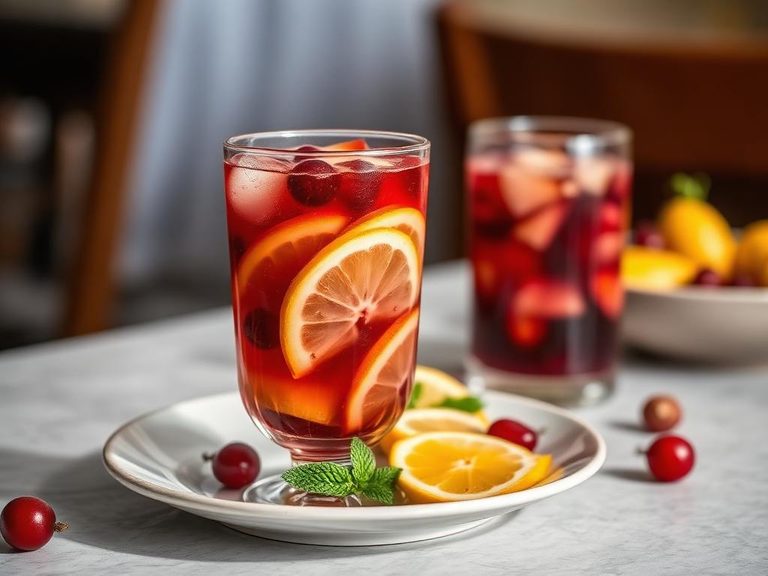
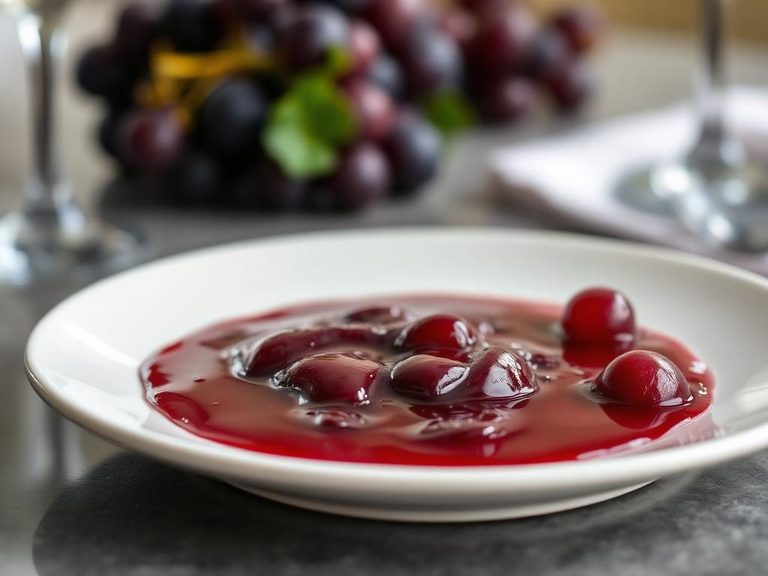
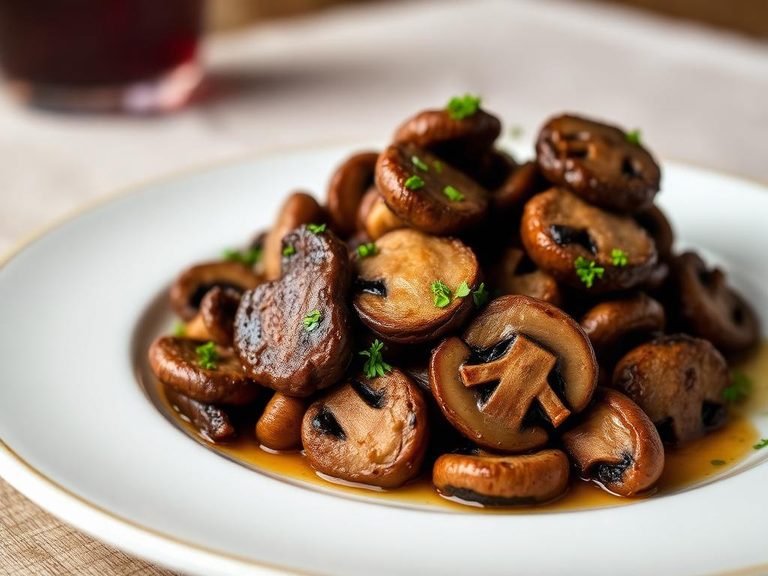
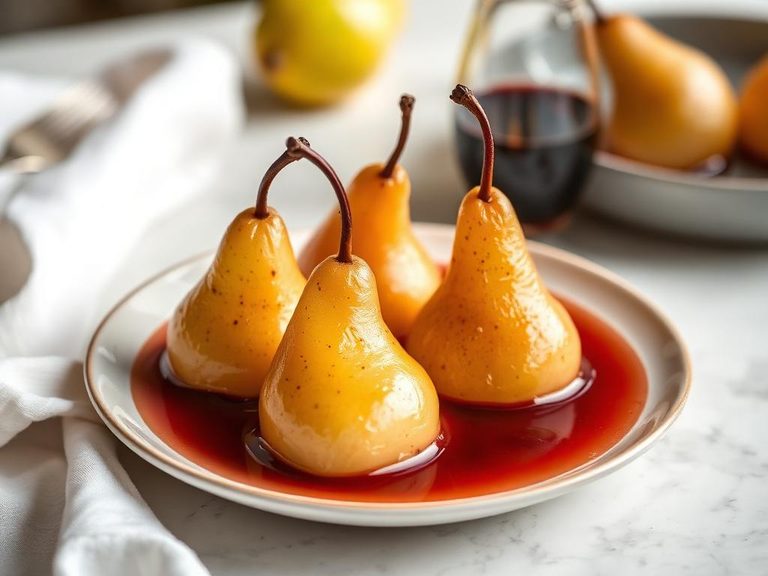
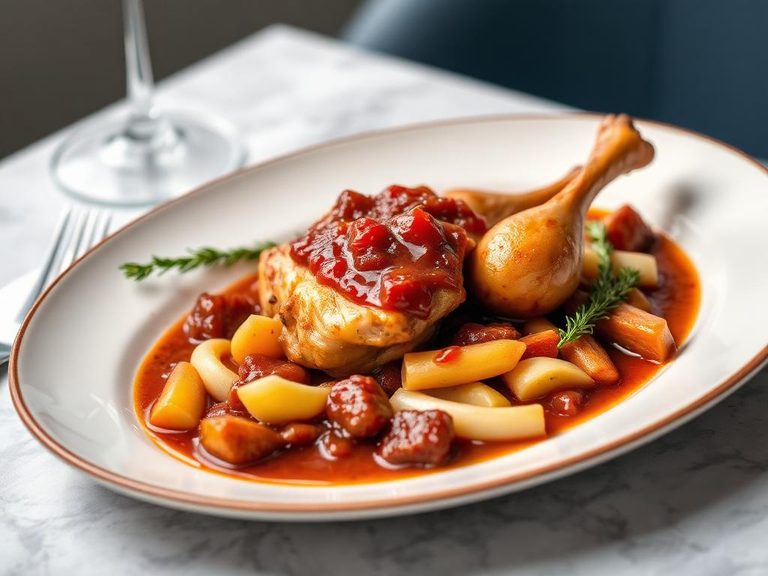
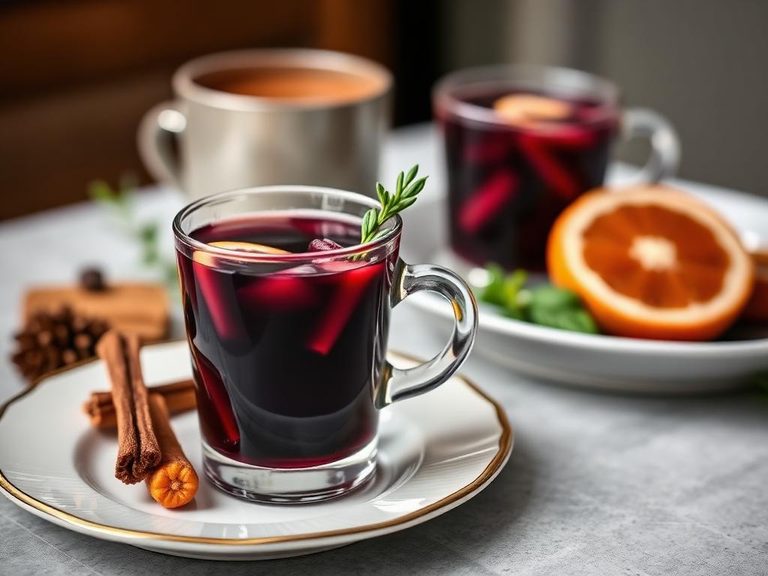
🌍 Where it's eaten
💡 Did you know?
The dealcoholization process, often via spinning cone columns or vacuum distillation, can preserve the wine's original aroma compounds so well that it becomes a key ingredient in high-end, non-alcoholic cocktail syrups.
Full nutrition (USDA data · scales with serving)
| Water | 98.2 g |
| Energy | 6.0 kcal |
| Protein | 0.50 g |
| Total lipid (fat) | 0.00 g |
| Carbohydrate, by difference | 1.1 g |
| Fiber, total dietary | 0.00 g |
| Total Sugars | 1.1 g |
| Calcium, Ca | 9.0 mg |
| Iron, Fe | 0.40 mg |
| Magnesium, Mg | 10.0 mg |
| Phosphorus, P | 15.0 mg |
| Potassium, K | 88.0 mg |
| Sodium, Na | 7.0 mg |
| Zinc, Zn | 0.08 mg |
| Copper, Cu | 0.01 mg |
| Selenium, Se | 0.20 ug |
| Vitamin C, total ascorbic acid | 0.00 mg |
| Thiamin | 0.00 mg |
| Riboflavin | 0.01 mg |
| Niacin | 0.10 mg |
| Vitamin B-6 | 0.02 mg |
| Folate, total | 1.0 ug |
| Folic acid | 0.00 ug |
| Folate, food | 1.0 ug |
| Folate, DFE | 1.0 ug |
| Choline, total | 5.0 mg |
| Vitamin B-12 | 0.00 ug |
| Vitamin B-12, added | 0.00 ug |
| Vitamin A, RAE | 0.00 ug |
| Retinol | 0.00 ug |
| Carotene, beta | 0.00 ug |
| Carotene, alpha | 0.00 ug |
| Cryptoxanthin, beta | 0.00 ug |
| Lycopene | 0.00 ug |
| Lutein + zeaxanthin | 0.00 ug |
| Vitamin E (alpha-tocopherol) | 0.00 mg |
| Vitamin E, added | 0.00 mg |
| Vitamin D (D2 + D3) | 0.00 ug |
| Vitamin K (phylloquinone) | 0.00 ug |
| Alcohol, ethyl | 0.00 g |
| Caffeine | 0.00 mg |
| Theobromine | 0.00 mg |
Fat & fatty acid profile (per 100g)
| Fatty acids, total saturated | 0.00 g |
| SFA 4:0 | 0.00 g |
| SFA 6:0 | 0.00 g |
| SFA 8:0 | 0.00 g |
| SFA 10:0 | 0.00 g |
| SFA 12:0 | 0.00 g |
| SFA 14:0 | 0.00 g |
| SFA 16:0 | 0.00 g |
| SFA 18:0 | 0.00 g |
| Fatty acids, total monounsaturated | 0.00 g |
| MUFA 16:1 | 0.00 g |
| MUFA 18:1 | 0.00 g |
| MUFA 20:1 | 0.00 g |
| MUFA 22:1 | 0.00 g |
| Fatty acids, total polyunsaturated | 0.00 g |
| PUFA 18:2 | 0.00 g |
| PUFA 18:3 | 0.00 g |
| PUFA 18:4 | 0.00 g |
| PUFA 20:4 | 0.00 g |
| PUFA 20:5 n-3 (EPA) | 0.00 g |
| PUFA 22:5 n-3 (DPA) | 0.00 g |
| PUFA 22:6 n-3 (DHA) | 0.00 g |
| Cholesterol | 0.00 mg |
FAQ
How is non-alcoholic wine made?
It's typically made by fermenting grapes into regular wine and then using techniques like vacuum distillation or reverse osmosis to remove the alcohol while preserving flavor.
Does it have any health benefits?
It's very low in calories and may retain some antioxidants from grapes, but it's not a significant source of nutrients. Its main benefit is providing a flavorful, alcohol-free option.
Can I cook with it like regular wine?
Yes, it's excellent for deglazing pans, making sauces, or braising dishes where you want wine flavor without the alcohol content.
Nutrient density (calculated · NRF9.3)
Nutrient Rich Foods index: beneficial nutrients (protein, fiber, vitamins, minerals) minus saturated fat, added sugar & sodium, per 100 kcal.
NRF9.3 index — Fulgoni, Keast & Drewnowski, 2009. Computed from USDA nutrients.
Weight-loss friendliness (composite index)
Energy density 0.06 kcal/g · 33% calories from protein · 0.0 g fiber · 1.1 g sugar per 100 g.
Composite of energy density (Rolls et al., 1999), protein & fiber satiety, minus sugar. A calculated heuristic — ranks satiety-per-calorie, not a clinical measure.
Dietary load (calculated from USDA values)
Potential renal acid load. Positive = acid-forming, negative = alkaline-forming.
Sodium-to-potassium ratio: 0.08 (lower is better — aim for ≤ 1)
Sodium:potassium per WHO potassium guidance. Computed from USDA nutrients.