

Pina Colada, nonalcoholic
Common food

Photo: Wikipedia
A nonalcoholic Pina Colada is a creamy, tropical mocktail blending the sweet, tangy flavor of pineapple with rich coconut cream. It offers a smooth, velvety texture reminiscent of a milkshake, with a bright, fruity aroma. Nutritionally, it's a high-carb, high-sugar beverage, providing quick energy but little protein or fiber.
Calorie split: 1% protein · 79% carbs · 19% fat
↓ Full nutrition💚 Why it's loved
People adore its indulgent, vacation-in-a-glass flavor profile, which perfectly balances sweet pineapple and rich coconut. It's a beloved symbol of tropical relaxation and is incredibly versatile, easily customized with different fruit juices or dairy-free milks.
⚠️ Watch-outs & how to enjoy it better
The high sugar content can cause rapid blood-sugar spikes, making it a poor choice for those managing diabetes or seeking low-sugar options. To mitigate this, enjoy a small portion (around 100ml) and pair it with a source of protein or healthy fat, like a handful of nuts, to slow sugar absorption.
Key benefits
- Provides a quick source of energy from carbohydrates.
- Contains small amounts of manganese from pineapple.
- Offers a dairy-free, creamy texture from coconut cream.
- Serves as a festive, alcohol-free social drink.
🍽️ Popular dishes
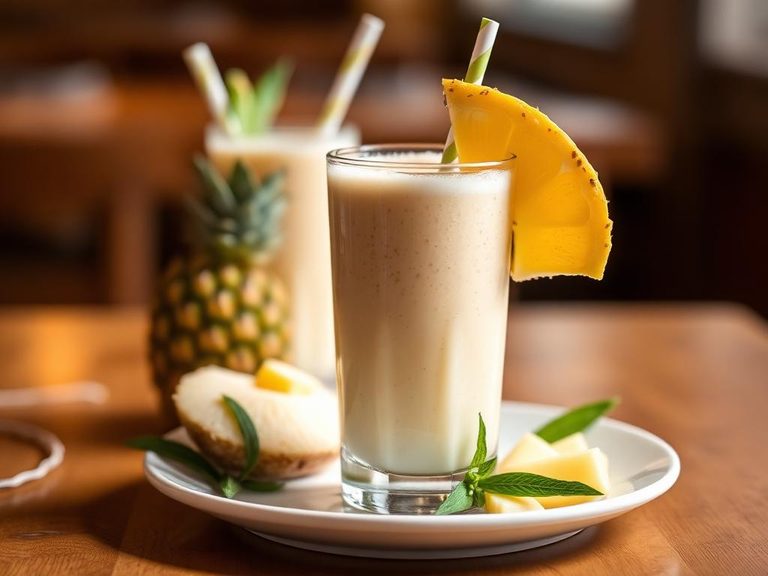
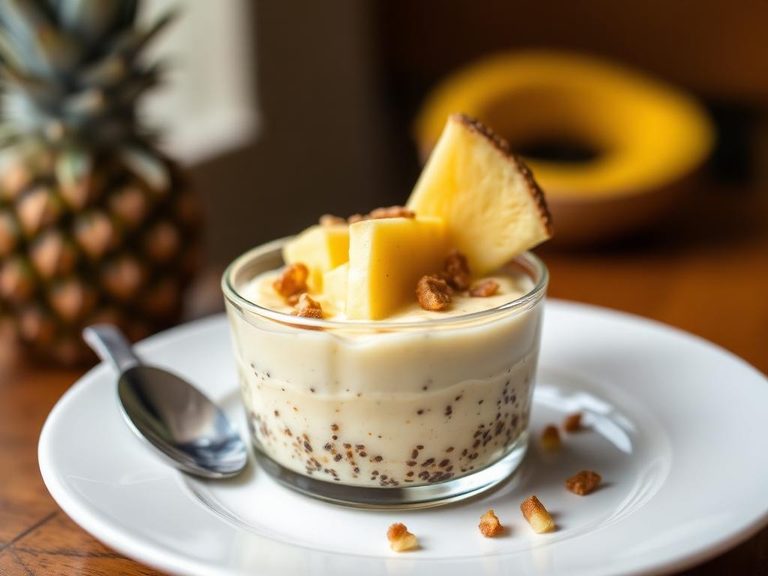
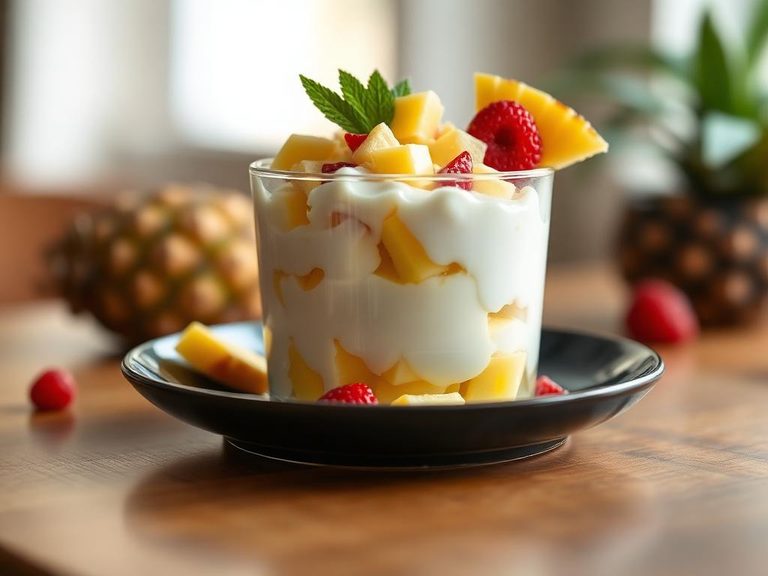
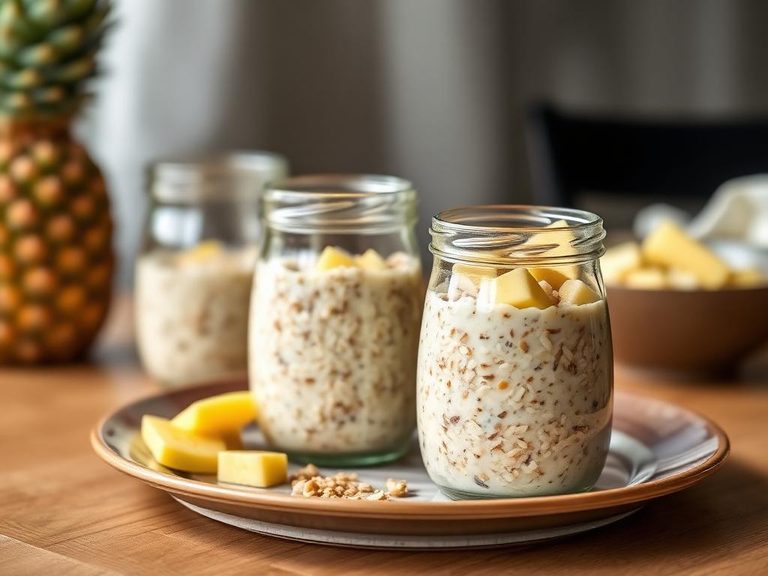
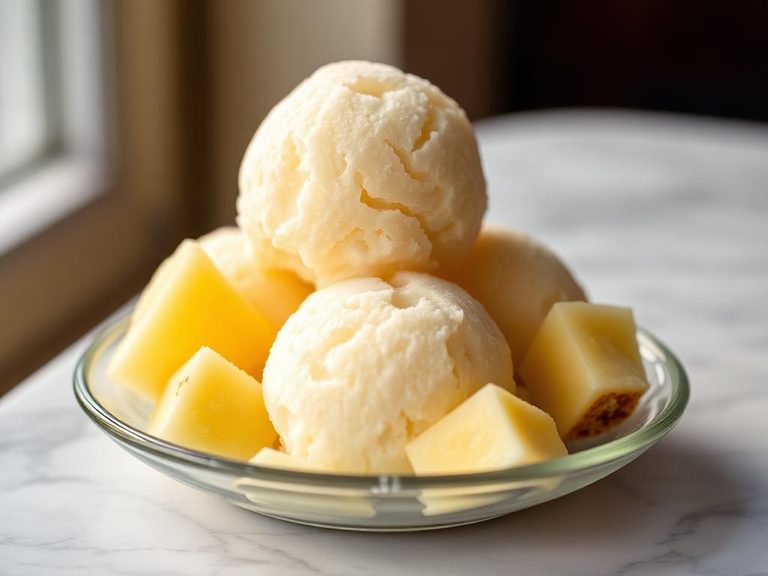
🌍 Where it's eaten
💡 Did you know?
The classic alcoholic Piña Colada was declared the official drink of Puerto Rico in 1978, but its nonalcoholic cousin, often called a 'Virgin Colada,' became a global staple for its accessible, family-friendly appeal.
Full nutrition (USDA data · scales with serving)
| Water | 70.8 g |
| Energy | 128 kcal |
| Protein | 0.47 g |
| Total lipid (fat) | 2.8 g |
| Carbohydrate, by difference | 25.6 g |
| Fiber, total dietary | 0.20 g |
| Total Sugars | 23.2 g |
| Calcium, Ca | 11.0 mg |
| Iron, Fe | 0.26 mg |
| Magnesium, Mg | 12.0 mg |
| Phosphorus, P | 10.0 mg |
| Potassium, K | 116 mg |
| Sodium, Na | 8.0 mg |
| Zinc, Zn | 0.18 mg |
| Copper, Cu | 0.09 mg |
| Selenium, Se | 1.0 ug |
| Vitamin C, total ascorbic acid | 7.6 mg |
| Thiamin | 0.05 mg |
| Riboflavin | 0.02 mg |
| Niacin | 0.16 mg |
| Vitamin B-6 | 0.08 mg |
| Folate, total | 16.0 ug |
| Folic acid | 0.00 ug |
| Folate, food | 16.0 ug |
| Folate, DFE | 16.0 ug |
| Choline, total | 3.6 mg |
| Vitamin B-12 | 0.00 ug |
| Vitamin B-12, added | 0.00 ug |
| Vitamin A, RAE | 0.00 ug |
| Retinol | 0.00 ug |
| Carotene, beta | 2.0 ug |
| Carotene, alpha | 0.00 ug |
| Cryptoxanthin, beta | 0.00 ug |
| Lycopene | 0.00 ug |
| Lutein + zeaxanthin | 0.00 ug |
| Vitamin E (alpha-tocopherol) | 0.04 mg |
| Vitamin E, added | 0.00 mg |
| Vitamin D (D2 + D3) | 0.00 ug |
| Vitamin K (phylloquinone) | 0.20 ug |
| Alcohol, ethyl | 0.00 g |
| Caffeine | 0.00 mg |
| Theobromine | 0.00 mg |
Fat & fatty acid profile (per 100g)
| Fatty acids, total saturated | 2.5 g |
| SFA 4:0 | 0.00 g |
| SFA 6:0 | 0.01 g |
| SFA 8:0 | 0.23 g |
| SFA 10:0 | 0.18 g |
| SFA 12:0 | 1.4 g |
| SFA 14:0 | 0.50 g |
| SFA 16:0 | 0.18 g |
| SFA 18:0 | 0.05 g |
| Fatty acids, total monounsaturated | 0.12 g |
| MUFA 16:1 | 0.00 g |
| MUFA 18:1 | 0.12 g |
| MUFA 20:1 | 0.00 g |
| MUFA 22:1 | 0.00 g |
| Fatty acids, total polyunsaturated | 0.06 g |
| PUFA 18:2 | 0.04 g |
| PUFA 18:3 | 0.01 g |
| PUFA 18:4 | 0.00 g |
| PUFA 20:4 | 0.00 g |
| PUFA 20:5 n-3 (EPA) | 0.00 g |
| PUFA 22:5 n-3 (DPA) | 0.00 g |
| PUFA 22:6 n-3 (DHA) | 0.00 g |
| Cholesterol | 0.00 mg |
FAQ
Is a nonalcoholic Pina Colada healthy?
It's best considered an occasional treat. While it provides quick energy, its high sugar content (over 23g per 100g) and low nutritional density mean it offers little benefit beyond calories. It's not a significant source of vitamins, minerals, or fiber.
Can I make it with less sugar?
Absolutely. Use unsweetened coconut milk instead of cream, choose pineapple chunks in water over syrup, and skip any added sweeteners. You can also boost nutrition by adding a scoop of protein powder or a tablespoon of chia seeds.
What's the difference between coconut cream and coconut milk?
Coconut cream is the thick, rich layer skimmed from the top of canned coconut milk. It has a higher fat content and is what gives a Pina Colada its signature creamy texture. Using light coconut milk will result in a thinner, less rich drink.
Nutrient density (calculated · NRF9.3)
Nutrient Rich Foods index: beneficial nutrients (protein, fiber, vitamins, minerals) minus saturated fat, added sugar & sodium, per 100 kcal.
NRF9.3 index — Fulgoni, Keast & Drewnowski, 2009. Computed from USDA nutrients.
Weight-loss friendliness (composite index)
Energy density 1.28 kcal/g · 1% calories from protein · 0.2 g fiber · 23.2 g sugar per 100 g.
Composite of energy density (Rolls et al., 1999), protein & fiber satiety, minus sugar. A calculated heuristic — ranks satiety-per-calorie, not a clinical measure.
Dietary load (calculated from USDA values)
Potential renal acid load. Positive = acid-forming, negative = alkaline-forming.
Sodium-to-potassium ratio: 0.07 (lower is better — aim for ≤ 1)
Sodium:potassium per WHO potassium guidance. Computed from USDA nutrients.