

Beef, round, top round, separable lean and fat, trimmed to 0" fat, select, cooked, braised
Whole food · Beef Products

Photo: Wikipedia
This is a lean, muscular cut from the beef round, specifically the top round, braised to tender perfection. The cooking method breaks down its dense connective tissue, transforming it from a tough cut into a succulent, deeply savory meat with a fine, fibrous texture. Nutritionally, it's a powerhouse, delivering an exceptional amount of high-quality protein with minimal fat.
Calorie split: 75% protein · 0% carbs · 25% fat
↓ Full nutrition💚 Why it's loved
People love it for its robust, pure beef flavor and satisfying, hearty texture that holds up beautifully in slow-cooked dishes. Its versatility makes it a staple for everything from classic Sunday roasts to international stews, offering a sense of comfort and culinary tradition.
⚠️ Watch-outs & how to enjoy it better
The primary downside is its potential toughness if not cooked properly with moist heat (braising, stewing). It's also a red meat, so those monitoring saturated fat intake or following specific dietary patterns may limit portions. To counteract toughness, always braise or slow-cook it, and pair it with fiber-rich vegetables or a complex carb like potatoes to create a balanced meal.
Key benefits
- Excellent source of complete protein for muscle maintenance.
- Very low in fat and saturated fat compared to other beef cuts.
- Rich in iron and zinc, essential minerals for energy and immunity.
- Provides B vitamins, especially B12, crucial for nerve function.
- A satisfying, high-protein food that promotes satiety.
🍽️ Popular dishes
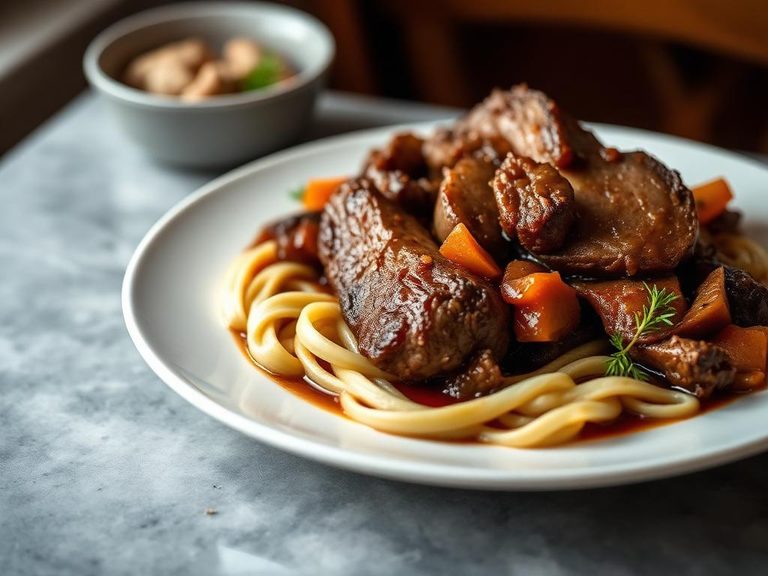
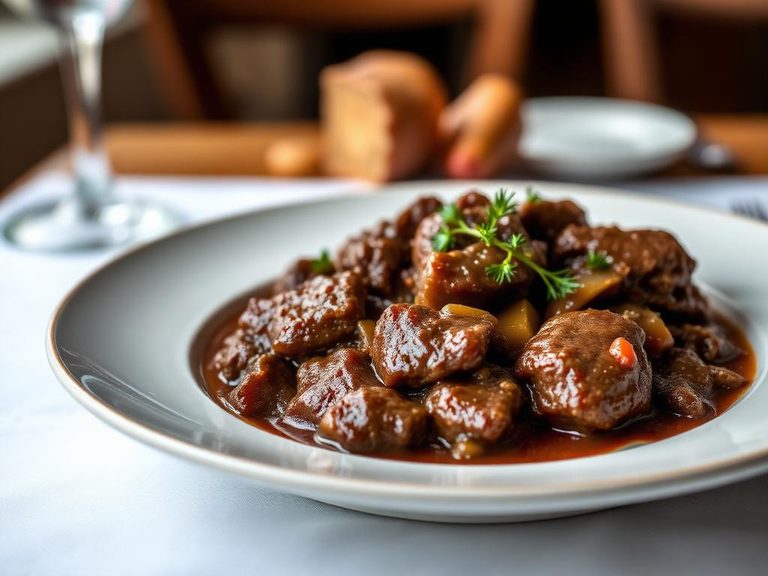
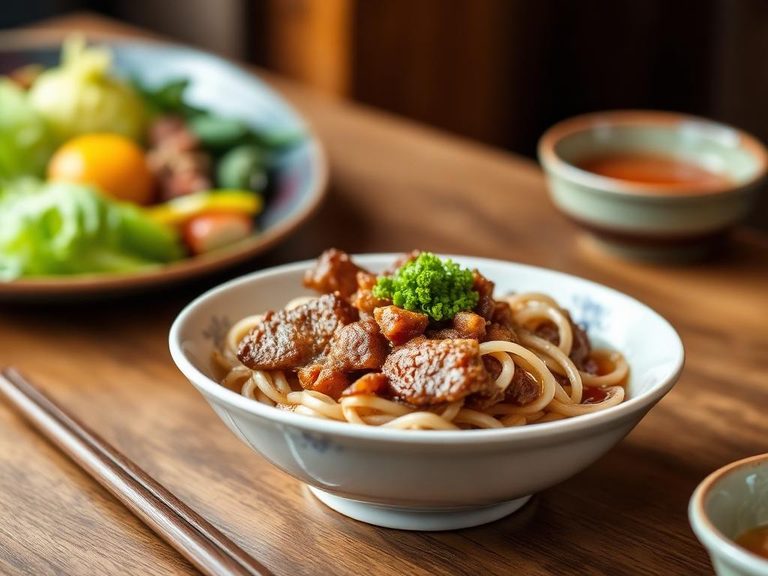
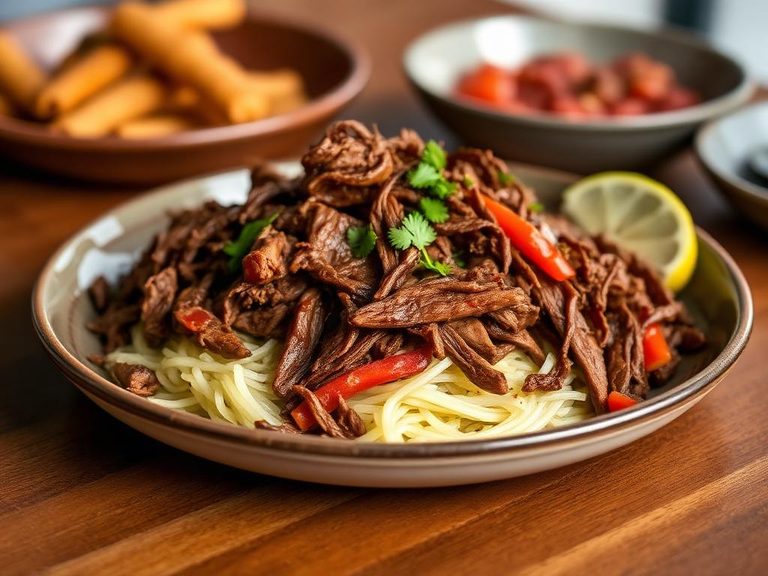
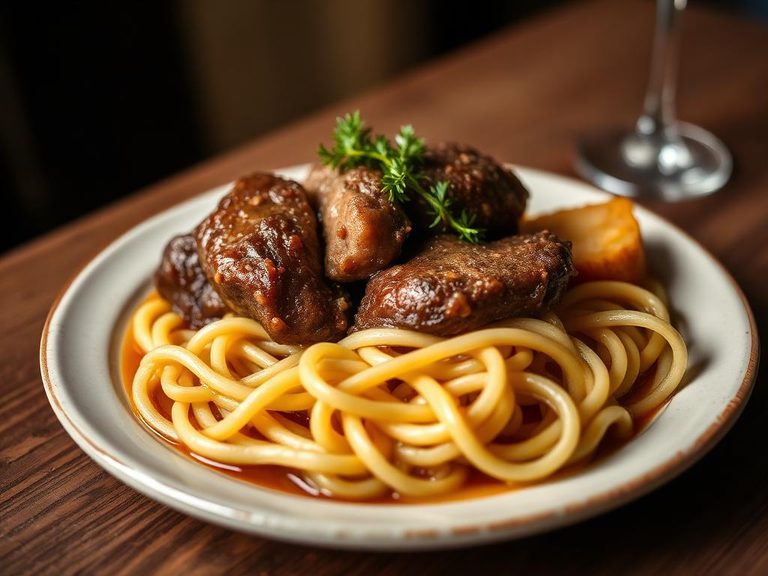
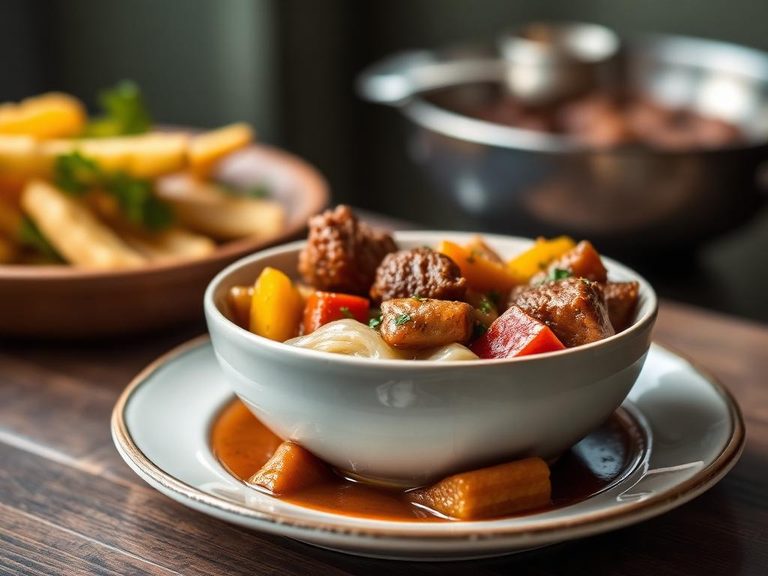
🌍 Where it's eaten
💡 Did you know?
The 'top round' comes from the upper leg of the cow, a hard-working muscle, which is why it's so lean but also why it benefits immensely from slow, moist cooking to break down its tough fibers.
Full nutrition (USDA data · scales with serving)
| Water | 58.5 g |
| Energy | 200 kcal |
| Energy | 837 kj |
| Protein | 35.6 g |
| Total lipid (fat) | 5.3 g |
| Ash | 1.7 g |
| Carbohydrate, by difference | 0.00 g |
| Fiber, total dietary | 0.00 g |
| Total Sugars | 0.00 g |
| Calcium, Ca | 4.0 mg |
| Iron, Fe | 3.3 mg |
| Magnesium, Mg | 25.0 mg |
| Phosphorus, P | 223 mg |
| Potassium, K | 330 mg |
| Sodium, Na | 45.0 mg |
| Zinc, Zn | 4.5 mg |
| Copper, Cu | 0.12 mg |
| Manganese, Mn | 0.02 mg |
| Selenium, Se | 32.7 ug |
| Vitamin C, total ascorbic acid | 0.00 mg |
| Thiamin | 0.07 mg |
| Riboflavin | 0.25 mg |
| Niacin | 3.8 mg |
| Pantothenic acid | 0.37 mg |
| Vitamin B-6 | 0.28 mg |
| Folate, total | 9.0 ug |
| Folic acid | 0.00 ug |
| Folate, food | 9.0 ug |
| Folate, DFE | 9.0 ug |
| Choline, total | 136 mg |
| Betaine | 17.8 mg |
| Vitamin B-12 | 2.7 ug |
| Vitamin B-12, added | 0.00 ug |
| Vitamin A, RAE | 0.00 ug |
| Carotene, beta | 0.00 ug |
| Carotene, alpha | 0.00 ug |
| Cryptoxanthin, beta | 0.00 ug |
| Vitamin A, IU | 0.00 iu |
| Lycopene | 0.00 ug |
| Lutein + zeaxanthin | 0.00 ug |
| Alcohol, ethyl | 0.00 g |
| Caffeine | 0.00 mg |
| Theobromine | 0.00 mg |
Fat & fatty acid profile (per 100g)
| Fatty acids, total saturated | 1.9 g |
| SFA 4:0 | 0.00 g |
| SFA 6:0 | 0.00 g |
| SFA 8:0 | 0.00 g |
| SFA 10:0 | 0.01 g |
| SFA 12:0 | 0.01 g |
| SFA 14:0 | 0.14 g |
| SFA 16:0 | 1.2 g |
| SFA 18:0 | 0.59 g |
| Fatty acids, total monounsaturated | 2.1 g |
| MUFA 16:1 | 0.19 g |
| MUFA 18:1 | 1.9 g |
| MUFA 20:1 | 0.00 g |
| Fatty acids, total polyunsaturated | 0.23 g |
| PUFA 18:2 | 0.17 g |
| PUFA 18:3 | 0.03 g |
| PUFA 18:4 | 0.00 g |
| PUFA 20:4 | 0.03 g |
| Cholesterol | 90.0 mg |
Amino acid profile (per 100g)
| Tryptophan | 0.40 g |
| Threonine | 1.6 g |
| Isoleucine | 1.6 g |
| Leucine | 2.8 g |
| Lysine | 3.0 g |
| Methionine | 0.91 g |
| Cystine | 0.40 g |
| Phenylalanine | 1.4 g |
| Tyrosine | 1.2 g |
| Valine | 1.7 g |
| Arginine | 2.3 g |
| Histidine | 1.2 g |
| Alanine | 2.1 g |
| Aspartic acid | 3.3 g |
| Glutamic acid | 5.4 g |
| Glycine | 1.9 g |
| Proline | 1.6 g |
| Serine | 1.4 g |
FAQ
How do I make sure braised top round is tender?
The key is low and slow cooking in liquid. Sear the meat first, then simmer it gently in broth, wine, or tomatoes for 2-3 hours, or until it shreds easily with a fork. This dissolves the tough collagen into gelatin.
Is this a good cut for grilling or stir-frying?
Generally, no. Its low fat content and dense muscle make it prone to drying out with fast, high-heat methods. It's best reserved for braising, stewing, or roasting with added moisture.
How does it compare nutritionally to other beef cuts?
Top round is one of the leanest beef cuts available. It has significantly less fat and fewer calories than cuts like ribeye or chuck, while providing a similar or higher amount of protein per serving.
Nutrient density (calculated · NRF9.3)
Nutrient Rich Foods index: beneficial nutrients (protein, fiber, vitamins, minerals) minus saturated fat, added sugar & sodium, per 100 kcal.
NRF9.3 index — Fulgoni, Keast & Drewnowski, 2009. Computed from USDA nutrients.
Weight-loss friendliness (composite index)
Energy density 2.00 kcal/g · 71% calories from protein · 0.0 g fiber · 0.0 g sugar per 100 g.
Composite of energy density (Rolls et al., 1999), protein & fiber satiety, minus sugar. A calculated heuristic — ranks satiety-per-calorie, not a clinical measure.
Dietary load (calculated from USDA values)
Potential renal acid load. Positive = acid-forming, negative = alkaline-forming.
Sodium-to-potassium ratio: 0.14 (lower is better — aim for ≤ 1)
Sodium:potassium per WHO potassium guidance. Computed from USDA nutrients.