

Beef, round, top round, separable lean and fat, trimmed to 0" fat, choice, cooked, braised
Whole food · Beef Products

Photo: Wikipedia
This is a lean, tender cut from the beef round, braised to a deep, savory flavor with a melt-in-your-mouth texture. Its nutrition profile is a protein powerhouse, delivering over 35g of high-quality protein per 100g with virtually no fat or carbohydrates. It's an ideal choice for those seeking a pure, nutrient-dense protein source without added sugars or fiber.
Calorie split: 69% protein · 0% carbs · 31% fat
↓ Full nutrition💚 Why it's loved
People love its deep, beefy flavor that intensifies with slow cooking, and its tender, shreddable texture that absorbs sauces beautifully. It's a cultural staple in comfort foods like pot roast and stews, symbolizing hearty, home-cooked meals.
⚠️ Watch-outs & how to enjoy it better
As a very lean cut, it can become dry and tough if overcooked or prepared with high-heat methods like grilling. To counteract this, always use moist-heat cooking methods like braising, stewing, or slow-cooking, and consider marinating beforehand to add moisture and flavor.
Key benefits
- Excellent source of complete protein for muscle maintenance and growth.
- Very low in fat, especially saturated fat, supporting heart health.
- Zero carbohydrates, making it suitable for ketogenic and low-carb diets.
- Rich in essential minerals like iron, zinc, and B vitamins, particularly B12.
🍽️ Popular dishes
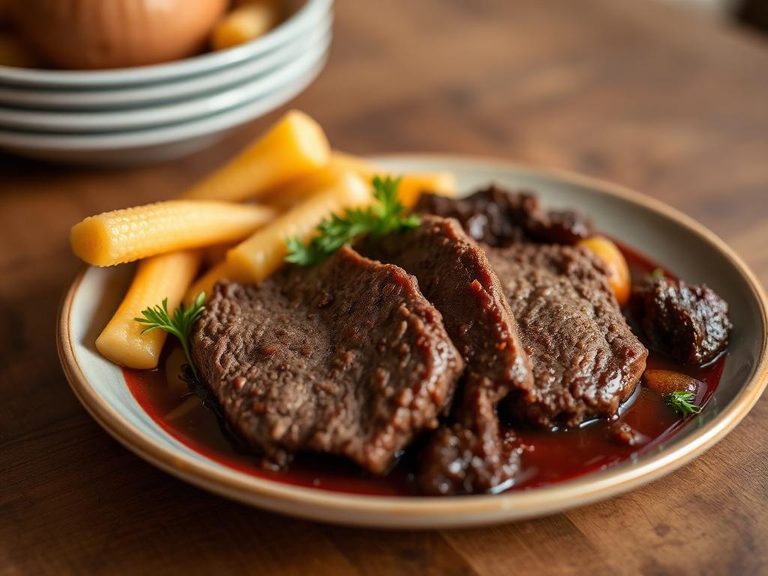
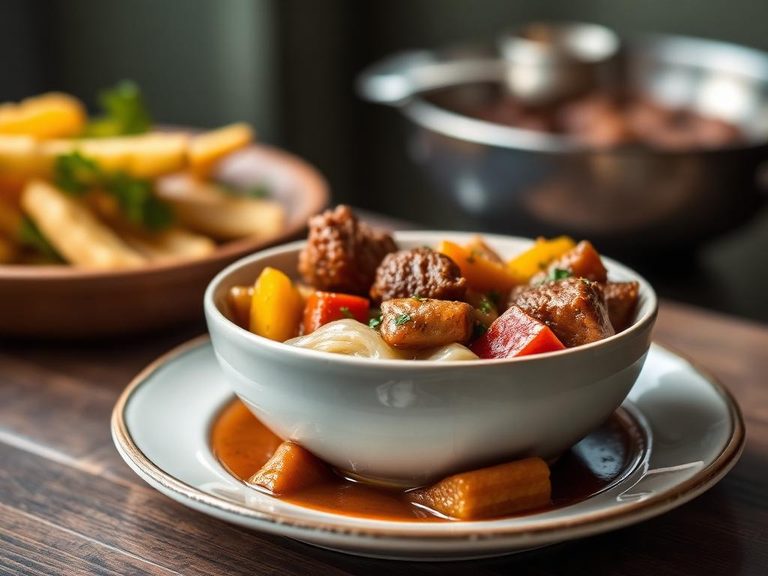
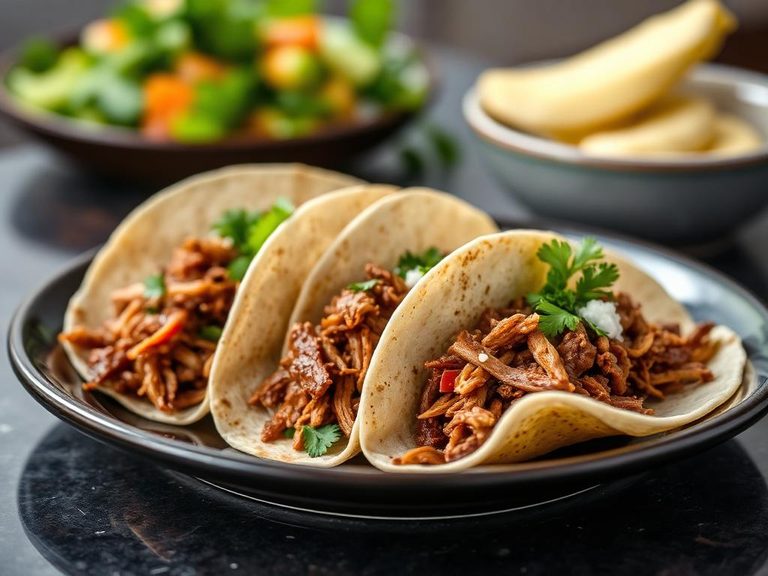
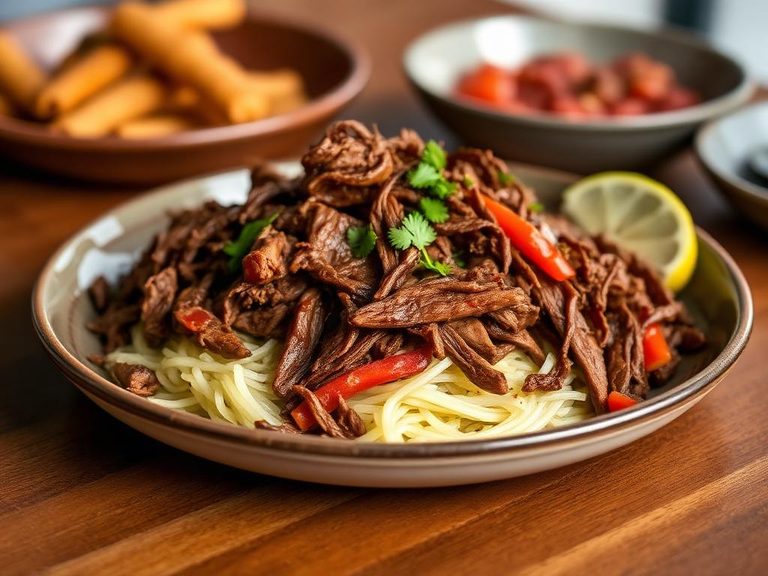
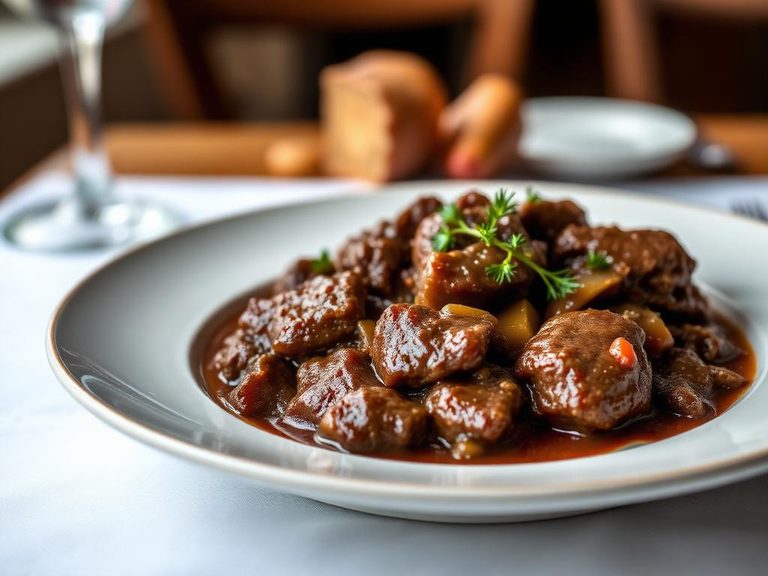
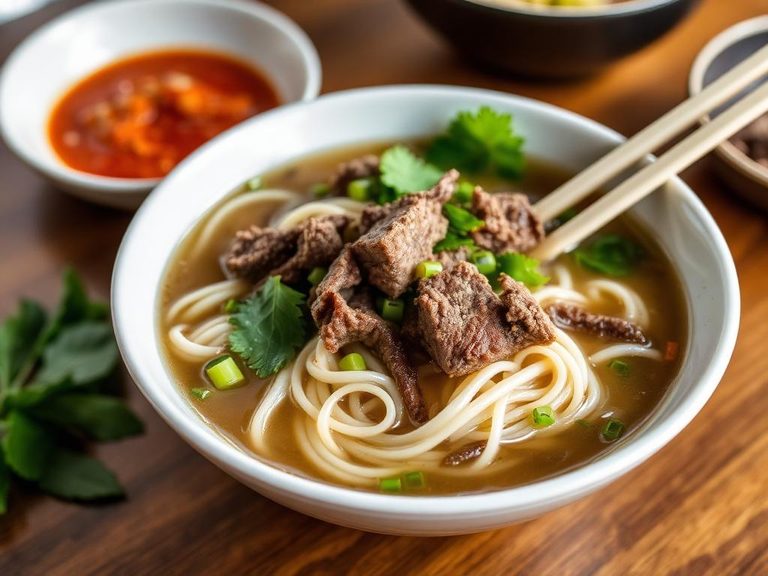
🌍 Where it's eaten
💡 Did you know?
The 'top round' is one of the most exercised muscles on the cow, located on the inner thigh, which is why it's lean but benefits immensely from slow, wet cooking to break down its connective tissue.
Full nutrition (USDA data · scales with serving)
| Water | 57.3 g |
| Energy | 216 kcal |
| Energy | 904 kj |
| Protein | 35.6 g |
| Total lipid (fat) | 7.1 g |
| Ash | 1.7 g |
| Carbohydrate, by difference | 0.00 g |
| Fiber, total dietary | 0.00 g |
| Total Sugars | 0.00 g |
| Calcium, Ca | 4.0 mg |
| Iron, Fe | 3.3 mg |
| Magnesium, Mg | 25.0 mg |
| Phosphorus, P | 223 mg |
| Potassium, K | 330 mg |
| Sodium, Na | 45.0 mg |
| Zinc, Zn | 4.5 mg |
| Copper, Cu | 0.12 mg |
| Manganese, Mn | 0.02 mg |
| Selenium, Se | 32.7 ug |
| Vitamin C, total ascorbic acid | 0.00 mg |
| Thiamin | 0.07 mg |
| Riboflavin | 0.25 mg |
| Niacin | 3.8 mg |
| Pantothenic acid | 0.37 mg |
| Vitamin B-6 | 0.28 mg |
| Folate, total | 9.0 ug |
| Folic acid | 0.00 ug |
| Folate, food | 9.0 ug |
| Folate, DFE | 9.0 ug |
| Choline, total | 136 mg |
| Betaine | 17.8 mg |
| Vitamin B-12 | 2.7 ug |
| Vitamin B-12, added | 0.00 ug |
| Vitamin A, RAE | 0.00 ug |
| Carotene, beta | 0.00 ug |
| Carotene, alpha | 0.00 ug |
| Cryptoxanthin, beta | 0.00 ug |
| Vitamin A, IU | 0.00 iu |
| Lycopene | 0.00 ug |
| Lutein + zeaxanthin | 0.00 ug |
| Alcohol, ethyl | 0.00 g |
| Caffeine | 0.00 mg |
| Theobromine | 0.00 mg |
Fat & fatty acid profile (per 100g)
| Fatty acids, total saturated | 2.5 g |
| SFA 4:0 | 0.00 g |
| SFA 6:0 | 0.00 g |
| SFA 8:0 | 0.00 g |
| SFA 10:0 | 0.01 g |
| SFA 12:0 | 0.01 g |
| SFA 14:0 | 0.18 g |
| SFA 16:0 | 1.5 g |
| SFA 18:0 | 0.79 g |
| Fatty acids, total monounsaturated | 2.8 g |
| MUFA 16:1 | 0.24 g |
| MUFA 18:1 | 2.6 g |
| MUFA 20:1 | 0.00 g |
| Fatty acids, total polyunsaturated | 0.31 g |
| PUFA 18:2 | 0.23 g |
| PUFA 18:3 | 0.04 g |
| PUFA 18:4 | 0.00 g |
| PUFA 20:4 | 0.04 g |
| Cholesterol | 90.0 mg |
Amino acid profile (per 100g)
| Tryptophan | 0.40 g |
| Threonine | 1.6 g |
| Isoleucine | 1.6 g |
| Leucine | 2.8 g |
| Lysine | 3.0 g |
| Methionine | 0.91 g |
| Cystine | 0.40 g |
| Phenylalanine | 1.4 g |
| Tyrosine | 1.2 g |
| Valine | 1.7 g |
| Arginine | 2.3 g |
| Histidine | 1.2 g |
| Alanine | 2.1 g |
| Aspartic acid | 3.3 g |
| Glutamic acid | 5.4 g |
| Glycine | 1.9 g |
| Proline | 1.6 g |
| Serine | 1.4 g |
FAQ
How is 'braised' different from other cooking methods?
Braising is a two-step method: first searing the meat at high heat for color, then simmering it slowly in a flavorful liquid (like broth or wine) in a covered pot. This transforms tough connective tissue into gelatin, making the meat tender.
Can I use this cut for a stir-fry?
It's not ideal for quick stir-frying as it can become tough. For stir-fries, choose a more tender cut like sirloin or tenderloin. If you must use it, slice it very thinly against the grain and marinate it first.
What's the best way to store leftovers?
Store cooked, cooled beef in an airtight container in the refrigerator for up to 3-4 days. For longer storage, freeze it in its cooking liquid or broth for up to 3 months to prevent freezer burn and maintain moisture.
Nutrient density (calculated · NRF9.3)
Nutrient Rich Foods index: beneficial nutrients (protein, fiber, vitamins, minerals) minus saturated fat, added sugar & sodium, per 100 kcal.
NRF9.3 index — Fulgoni, Keast & Drewnowski, 2009. Computed from USDA nutrients.
Weight-loss friendliness (composite index)
Energy density 2.16 kcal/g · 66% calories from protein · 0.0 g fiber · 0.0 g sugar per 100 g.
Composite of energy density (Rolls et al., 1999), protein & fiber satiety, minus sugar. A calculated heuristic — ranks satiety-per-calorie, not a clinical measure.
Dietary load (calculated from USDA values)
Potential renal acid load. Positive = acid-forming, negative = alkaline-forming.
Sodium-to-potassium ratio: 0.14 (lower is better — aim for ≤ 1)
Sodium:potassium per WHO potassium guidance. Computed from USDA nutrients.