

Babyfood, apple yogurt dessert, strained
Whole food · Baby Foods

Photo: Wikipedia
A smooth, spoonable dessert for infants, this strained apple yogurt combines the mild tartness of cultured dairy with the gentle sweetness of apple puree. It has a uniform, creamy texture with no lumps, designed for babies transitioning to solids. Nutritionally, it is primarily a carbohydrate source, providing quick energy with minimal protein or fat.
Calorie split: 3% protein · 82% carbs · 15% fat
↓ Full nutrition💚 Why it's loved
Parents appreciate it as a fuss-free, palatable way to introduce both dairy and fruit to a baby's diet. The familiar apple flavor is often a safe bet for picky eaters, and its soft consistency is perfect for early self-feeding attempts.
⚠️ Watch-outs & how to enjoy it better
The relatively high sugar content (over 12g per 100g) can contribute to a preference for sweet tastes and may cause a rapid blood-sugar spike if consumed alone. To counteract this, always pair it with a source of protein or fat, such as a small serving of plain yogurt or a piece of soft cheese, and practice portion control by offering it as part of a balanced meal rather than a standalone snack.
Key benefits
- Provides quick energy from natural fruit sugars
- Smooth texture is easy for infants to swallow
- Introduces dairy and fruit flavors early
- Contains some calcium from yogurt
- Convenient, ready-to-eat format
🍽️ Popular dishes

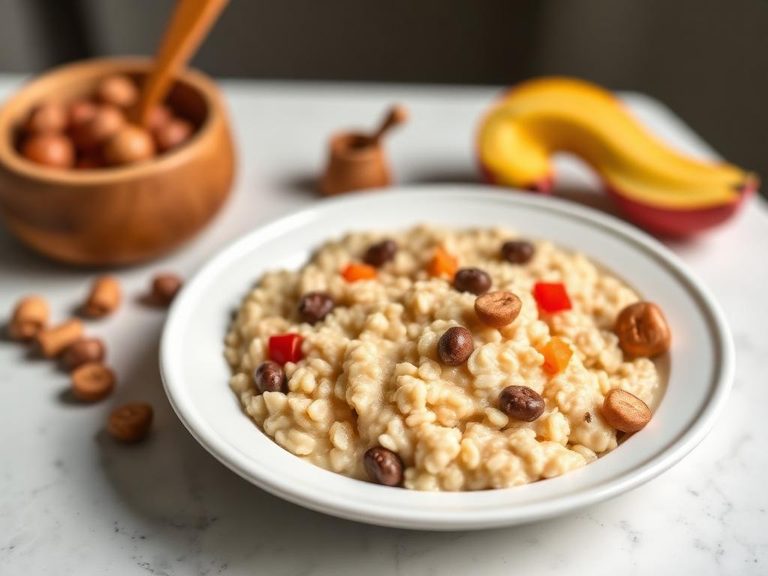
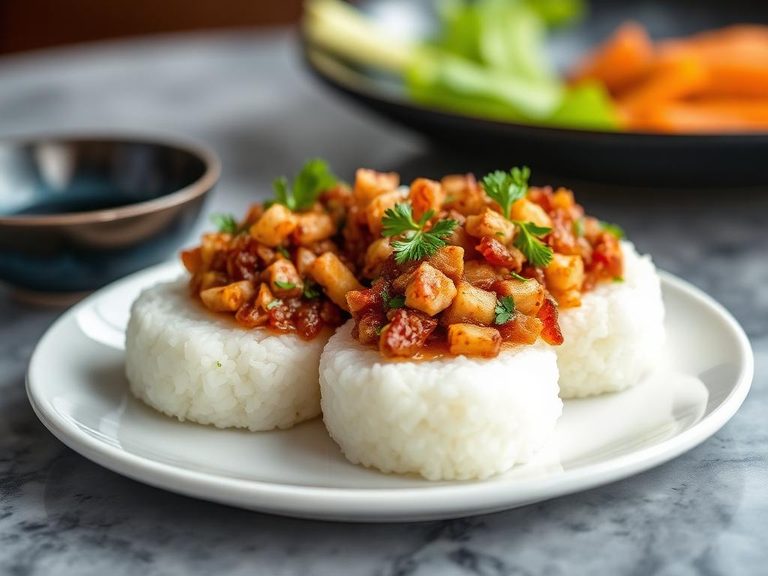
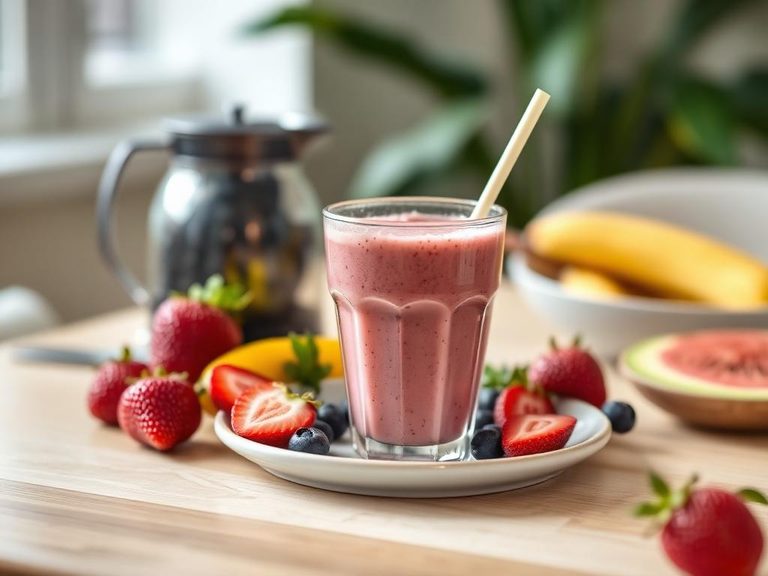
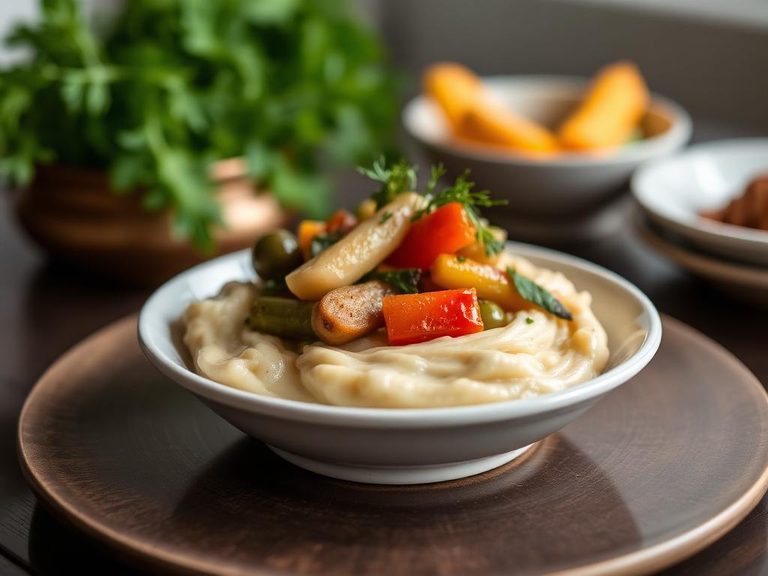
🌍 Where it's eaten
💡 Did you know?
Commercial strained baby food yogurt desserts are often heat-treated after culturing to ensure shelf stability, which means the live probiotic cultures typically found in yogurt are usually not present in the final product.
Full nutrition (USDA data · scales with serving)
| Water | 77.9 g |
| Energy | 93.0 kcal |
| Energy | 389 kj |
| Protein | 0.80 g |
| Total lipid (fat) | 1.6 g |
| Ash | 0.20 g |
| Carbohydrate, by difference | 19.5 g |
| Fiber, total dietary | 0.50 g |
| Total Sugars | 12.0 g |
| Calcium, Ca | 6.0 mg |
| Iron, Fe | 0.00 mg |
| Magnesium, Mg | 15.0 mg |
| Phosphorus, P | 31.0 mg |
| Potassium, K | 70.0 mg |
| Sodium, Na | 20.0 mg |
| Zinc, Zn | 0.28 mg |
| Copper, Cu | 0.05 mg |
| Selenium, Se | 0.70 ug |
| Vitamin C, total ascorbic acid | 35.1 mg |
| Thiamin | 1.6 mg |
| Riboflavin | 0.05 mg |
| Niacin | 0.00 mg |
| Vitamin B-6 | 0.02 mg |
| Folate, total | 9.0 ug |
| Folic acid | 0.00 ug |
| Folate, food | 9.0 ug |
| Folate, DFE | 9.0 ug |
| Choline, total | 5.4 mg |
| Vitamin B-12 | 0.50 ug |
| Vitamin B-12, added | 0.00 ug |
| Vitamin A, RAE | 3.0 ug |
| Retinol | 2.0 ug |
| Carotene, beta | 7.0 ug |
| Carotene, alpha | 0.00 ug |
| Cryptoxanthin, beta | 5.0 ug |
| Vitamin A, IU | 24.0 iu |
| Lycopene | 0.00 ug |
| Lutein + zeaxanthin | 7.0 ug |
| Vitamin E (alpha-tocopherol) | 0.02 mg |
| Vitamin E, added | 0.00 mg |
| Vitamin D (D2 + D3), International Units | 0.00 iu |
| Vitamin D (D2 + D3) | 0.00 ug |
| Vitamin D3 (cholecalciferol) | 0.00 ug |
| Vitamin K (phylloquinone) | 0.20 ug |
| Alcohol, ethyl | 0.00 g |
| Caffeine | 0.00 mg |
| Theobromine | 0.00 mg |
Fat & fatty acid profile (per 100g)
| Fatty acids, total saturated | 1.0 g |
| SFA 4:0 | 0.05 g |
| SFA 6:0 | 0.04 g |
| SFA 8:0 | 0.02 g |
| SFA 10:0 | 0.04 g |
| SFA 12:0 | 0.05 g |
| SFA 14:0 | 0.17 g |
| SFA 16:0 | 0.44 g |
| SFA 18:0 | 0.16 g |
| Fatty acids, total monounsaturated | 0.44 g |
| MUFA 16:1 | 0.04 g |
| MUFA 18:1 | 0.36 g |
| MUFA 20:1 | 0.00 g |
| MUFA 22:1 | 0.00 g |
| Fatty acids, total polyunsaturated | 0.04 g |
| PUFA 18:2 | 0.03 g |
| PUFA 18:3 | 0.01 g |
| PUFA 18:4 | 0.00 g |
| PUFA 20:4 | 0.00 g |
| PUFA 20:5 n-3 (EPA) | 0.00 g |
| PUFA 22:5 n-3 (DPA) | 0.00 g |
| PUFA 22:6 n-3 (DHA) | 0.00 g |
| Cholesterol | 6.0 mg |
Amino acid profile (per 100g)
Estimated from Babyfood, grape juice, no sugar, canned — USDA does not publish this profile for Babyfood.
| Threonine | 0.02 g |
| Isoleucine | 0.01 g |
| Leucine | 0.02 g |
| Lysine | 0.02 g |
| Methionine | 0.03 g |
| Cystine | 0.01 g |
| Phenylalanine | 0.02 g |
| Tyrosine | 0.02 g |
| Valine | 0.02 g |
| Arginine | 0.06 g |
| Histidine | 0.03 g |
| Alanine | 0.04 g |
| Aspartic acid | 0.10 g |
| Glutamic acid | 0.18 g |
| Glycine | 0.03 g |
| Proline | 0.03 g |
| Serine | 0.04 g |
FAQ
Is this a good source of protein for my baby?
No, with only 0.8g of protein per 100g, it is not a significant protein source. It should be complemented with protein-rich foods like pureed meat, beans, or full-fat yogurt.
Can I feed this to a baby with a dairy allergy?
No, this product contains yogurt, which is dairy. For dairy-free alternatives, look for plant-based baby desserts made with coconut or soy yogurt.
How does the sugar content compare to whole fruit?
The sugar content (12.02g per 100g) is higher than in fresh apple puree because it often includes added sugars or concentrated fruit juice. Whole fruit provides more fiber, which helps moderate sugar absorption.
Nutrient density (calculated · NRF9.3)
Nutrient Rich Foods index: beneficial nutrients (protein, fiber, vitamins, minerals) minus saturated fat, added sugar & sodium, per 100 kcal.
NRF9.3 index — Fulgoni, Keast & Drewnowski, 2009. Computed from USDA nutrients.
Weight-loss friendliness (composite index)
Energy density 0.93 kcal/g · 3% calories from protein · 0.5 g fiber · 12.0 g sugar per 100 g.
Composite of energy density (Rolls et al., 1999), protein & fiber satiety, minus sugar. A calculated heuristic — ranks satiety-per-calorie, not a clinical measure.
Dietary load (calculated from USDA values)
Potential renal acid load. Positive = acid-forming, negative = alkaline-forming.
Sodium-to-potassium ratio: 0.29 (lower is better — aim for ≤ 1)
Sodium:potassium per WHO potassium guidance. Computed from USDA nutrients.