

Baby Toddler crunchies
Common food

Photo: Wikipedia
Baby Toddler crunchies are light, airy, puffed grain snacks, often shaped like stars or rings, designed for easy gripping by small hands. They offer a satisfying, melt-in-the-mouth crunch with a mild, slightly sweet flavor. Nutritionally, they are a dense source of quick-release carbohydrates, providing immediate energy.
Calorie split: 3% protein · 60% carbs · 37% fat
↓ Full nutrition💚 Why it's loved
Parents love them for the mess-free, engaging way they encourage independent eating and fine motor skills. The familiar, gentle flavor is often a reliable hit with toddlers during the picky eating phase.
⚠️ Watch-outs & how to enjoy it better
The high carbohydrate and sugar content can lead to rapid blood-sugar spikes, offering little sustained satiety. To counteract this, pair them with a source of protein or healthy fat like full-fat yogurt, cheese, or avocado to slow digestion and balance the meal. They should be consumed in moderation as part of a varied diet.
Key benefits
- Provides quick energy from carbohydrates
- Easy-to-hold shape supports self-feeding development
- Light texture minimizes choking risk when eaten dry
- Often fortified with iron and B vitamins
- Convenient, shelf-stable snack for on-the-go
🍽️ Popular dishes
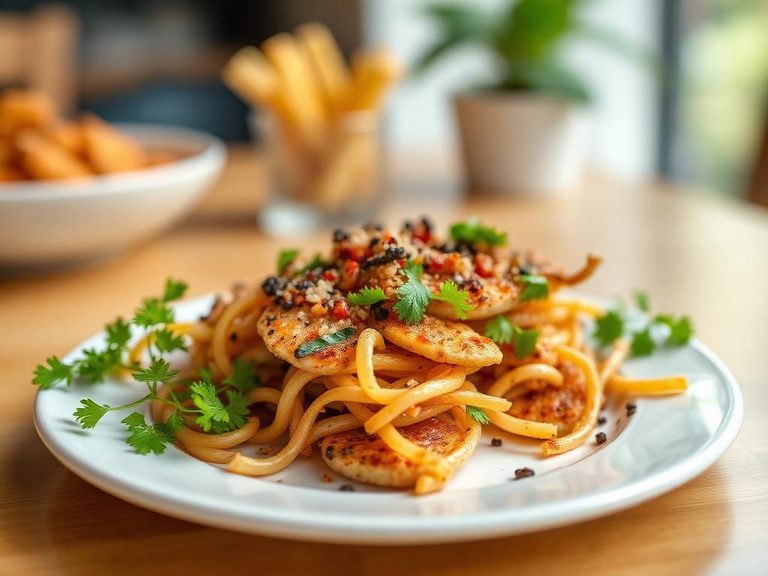
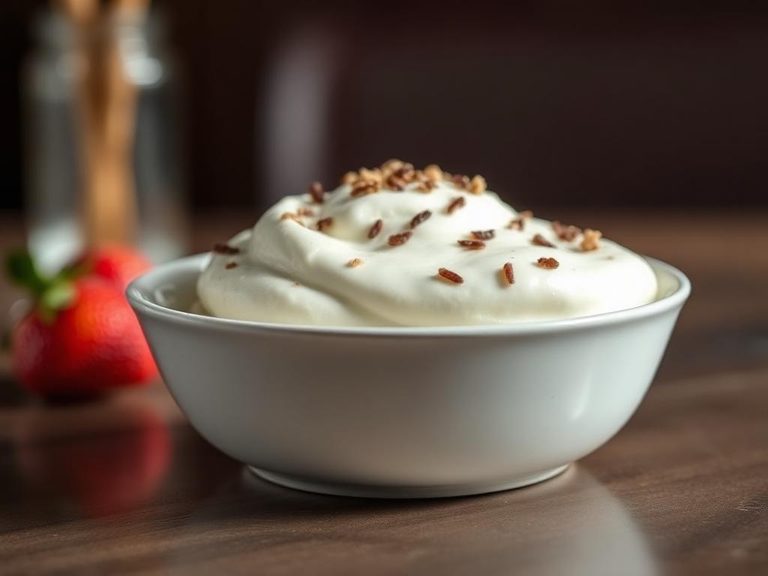
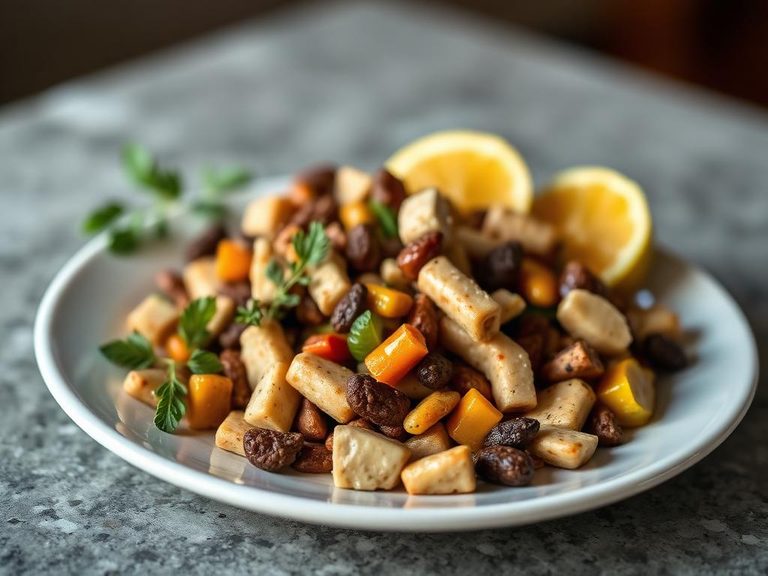
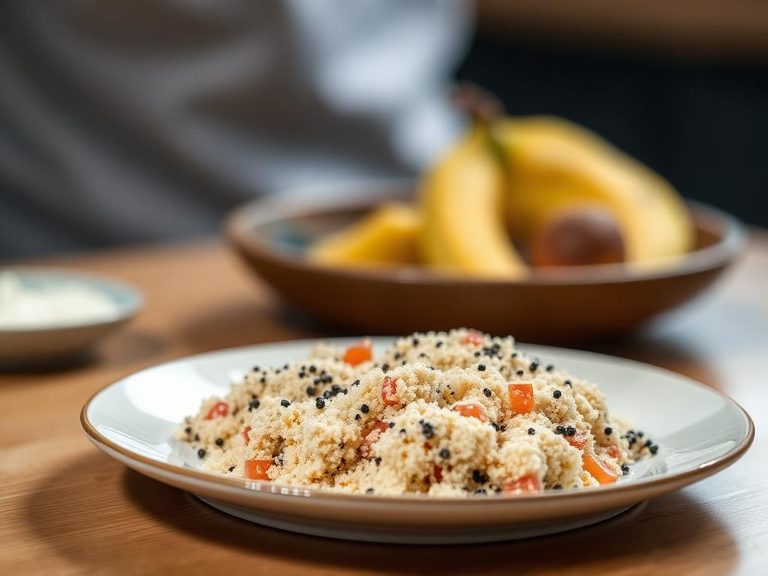
🌍 Where it's eaten
💡 Did you know?
The 'melt-in-the-mouth' texture is a deliberate safety feature; the puffed grain structure dissolves quickly with saliva, reducing the risk of choking compared to harder, denser snacks.
Full nutrition (USDA data · scales with serving)
| Water | 3.1 g |
| Energy | 462 kcal |
| Protein | 3.2 g |
| Total lipid (fat) | 19.2 g |
| Carbohydrate, by difference | 69.1 g |
| Fiber, total dietary | 1.2 g |
| Total Sugars | 14.0 g |
| Calcium, Ca | 342 mg |
| Iron, Fe | 14.4 mg |
| Magnesium, Mg | 48.0 mg |
| Phosphorus, P | 876 mg |
| Potassium, K | 164 mg |
| Sodium, Na | 250 mg |
| Zinc, Zn | 3.8 mg |
| Copper, Cu | 0.19 mg |
| Selenium, Se | 24.8 ug |
| Vitamin C, total ascorbic acid | 5.0 mg |
| Thiamin | 0.78 mg |
| Riboflavin | 0.85 mg |
| Niacin | 6.3 mg |
| Vitamin B-6 | 0.15 mg |
| Folate, total | 66.0 ug |
| Folic acid | 48.0 ug |
| Folate, food | 18.0 ug |
| Folate, DFE | 100 ug |
| Choline, total | 19.8 mg |
| Vitamin B-12 | 0.05 ug |
| Vitamin B-12, added | 0.00 ug |
| Vitamin A, RAE | 20.0 ug |
| Retinol | 16.0 ug |
| Carotene, beta | 38.0 ug |
| Carotene, alpha | 22.0 ug |
| Cryptoxanthin, beta | 0.00 ug |
| Lycopene | 0.00 ug |
| Lutein + zeaxanthin | 462 ug |
| Vitamin E (alpha-tocopherol) | 6.2 mg |
| Vitamin E, added | 5.4 mg |
| Vitamin D (D2 + D3) | 0.00 ug |
| Vitamin K (phylloquinone) | 12.4 ug |
| Alcohol, ethyl | 0.00 g |
| Caffeine | 0.00 mg |
| Theobromine | 0.00 mg |
Fat & fatty acid profile (per 100g)
| Fatty acids, total saturated | 3.2 g |
| SFA 4:0 | 0.06 g |
| SFA 6:0 | 0.03 g |
| SFA 8:0 | 0.02 g |
| SFA 10:0 | 0.04 g |
| SFA 12:0 | 0.05 g |
| SFA 14:0 | 0.21 g |
| SFA 16:0 | 2.0 g |
| SFA 18:0 | 0.54 g |
| Fatty acids, total monounsaturated | 8.9 g |
| MUFA 16:1 | 0.09 g |
| MUFA 18:1 | 8.7 g |
| MUFA 20:1 | 0.13 g |
| MUFA 22:1 | 0.00 g |
| Fatty acids, total polyunsaturated | 5.7 g |
| PUFA 18:2 | 4.9 g |
| PUFA 18:3 | 0.76 g |
| PUFA 18:4 | 0.00 g |
| PUFA 20:4 | 0.00 g |
| PUFA 20:5 n-3 (EPA) | 0.00 g |
| PUFA 22:5 n-3 (DPA) | 0.00 g |
| PUFA 22:6 n-3 (DHA) | 0.00 g |
| Cholesterol | 6.0 mg |
Amino acid profile (per 100g)
Estimated from Babyfood, dinner, chicken stew, toddler — USDA does not publish this profile for Baby Toddler crunchies.
| Tryptophan | 0.06 g |
| Threonine | 0.22 g |
| Isoleucine | 0.26 g |
| Leucine | 0.41 g |
| Lysine | 0.41 g |
| Methionine | 0.11 g |
| Cystine | 0.05 g |
| Phenylalanine | 0.21 g |
| Tyrosine | 0.17 g |
| Valine | 0.29 g |
| Arginine | 0.33 g |
| Histidine | 0.13 g |
| Alanine | 0.30 g |
| Aspartic acid | 0.47 g |
| Glutamic acid | 0.90 g |
| Glycine | 0.29 g |
| Proline | 0.35 g |
| Serine | 0.21 g |
FAQ
Are these the same as baby rice cakes?
Not exactly. While both are puffed grain snacks, 'crunchies' typically have a more complex shape (like stars or loops) and may contain a blend of grains like wheat, corn, or oats, whereas baby rice cakes are usually made solely from rice.
At what age can babies start eating these?
Generally, they are introduced when a baby can sit up well and has started picking up objects with a pincer grasp, often around 8-10 months. However, always consult your pediatrician for individual advice.
Why is the sugar content relatively high for a baby snack?
The sugar includes both naturally occurring sugars from the grain and any added sugars. Manufacturers often add a small amount to improve palatability for young taste buds, but it's a key reason to offer them in moderation.
Nutrient density (calculated · NRF9.3)
Nutrient Rich Foods index: beneficial nutrients (protein, fiber, vitamins, minerals) minus saturated fat, added sugar & sodium, per 100 kcal.
NRF9.3 index — Fulgoni, Keast & Drewnowski, 2009. Computed from USDA nutrients.
Weight-loss friendliness (composite index)
Energy density 4.62 kcal/g · 3% calories from protein · 1.2 g fiber · 14.0 g sugar per 100 g.
Composite of energy density (Rolls et al., 1999), protein & fiber satiety, minus sugar. A calculated heuristic — ranks satiety-per-calorie, not a clinical measure.
Dietary load (calculated from USDA values)
Potential renal acid load. Positive = acid-forming, negative = alkaline-forming.
Sodium-to-potassium ratio: 1.52 (lower is better — aim for ≤ 1)
Sodium:potassium per WHO potassium guidance. Computed from USDA nutrients.