

Standalone snack
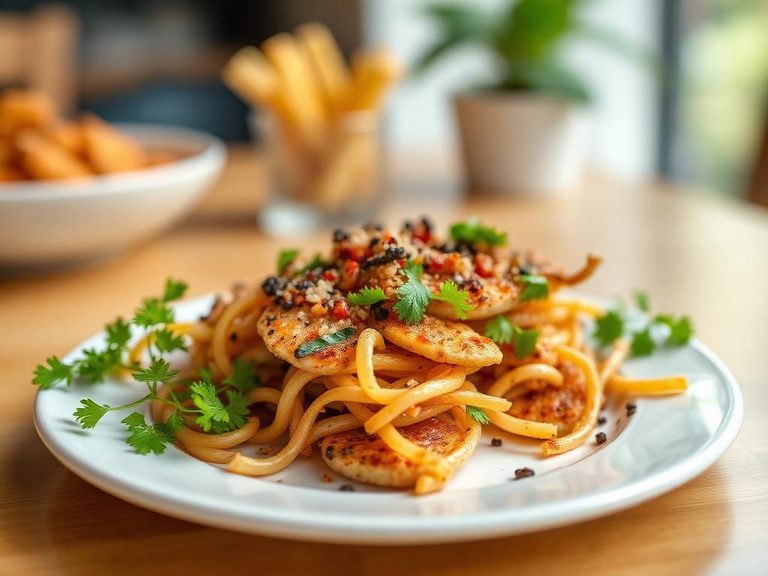
Standalone snack refers to a wide variety of ready-to-eat, single-serving food items designed for convenience, such as nuts, dried fruits, protein bars, or savory crackers. They are typically made from simple, portable ingredients and are popular worldwide for quick energy boosts.
🍳 View the full Standalone snack recipe →
🍽️ Nutrition at a glance
Depending on the type, standalone snacks can range from high in healthy fats (like nuts) to high in carbs (like granola bars), with protein content varying widely. A typical serving might provide anywhere from 100 to 300 calories, often delivering key nutrients like fiber, vitamins, or minerals.
Nutrition breakdown
| Calories | 260 kcal |
| Protein | 5 g |
| Carbs | 30 g |
| Fat | 14 g |
| Fiber | 2 g |
| Sugar | 3 g |
| Sodium | 450 mg |
| Potassium | 180 mg |
| Iron | 1.5 mg |
| Vitamin B1 (Thiamin) | 0.3 mg |
| Vitamin B2 (Riboflavin) | 0.2 mg |
| Niacin (B3) | 4 mg |
| Folate | 60 mcg |
| Magnesium | 25 mg |
| Phosphorus | 80 mg |
Per 1 bag (50 g) · estimated, varies by recipe
💡 What's interesting
Culturally, standalone snacks reflect modern lifestyles, emphasizing portability and quick consumption, but they also echo traditional practices like carrying dried foods for travel. Nutritionally, they offer a convenient way to supplement diets, though choosing whole-food options can maximize benefits.
🍽️ Related dishes

AI estimate may be inaccurate · Terms