

Standalone beverage
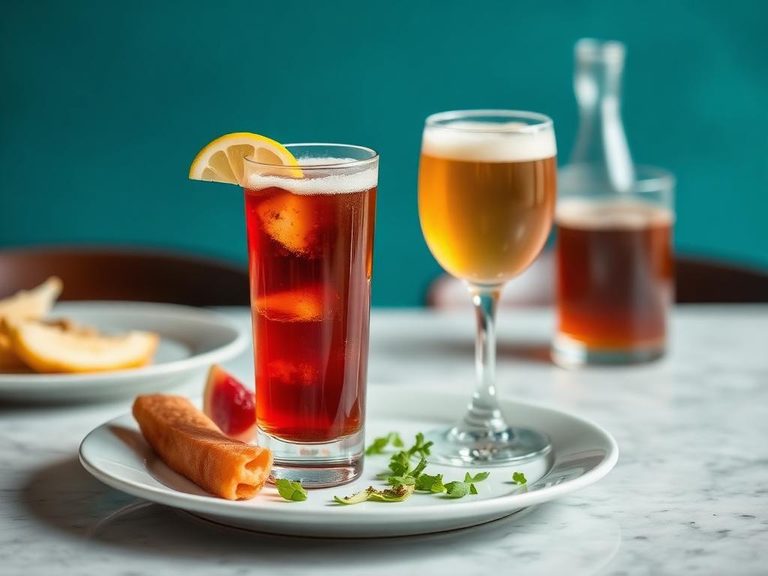
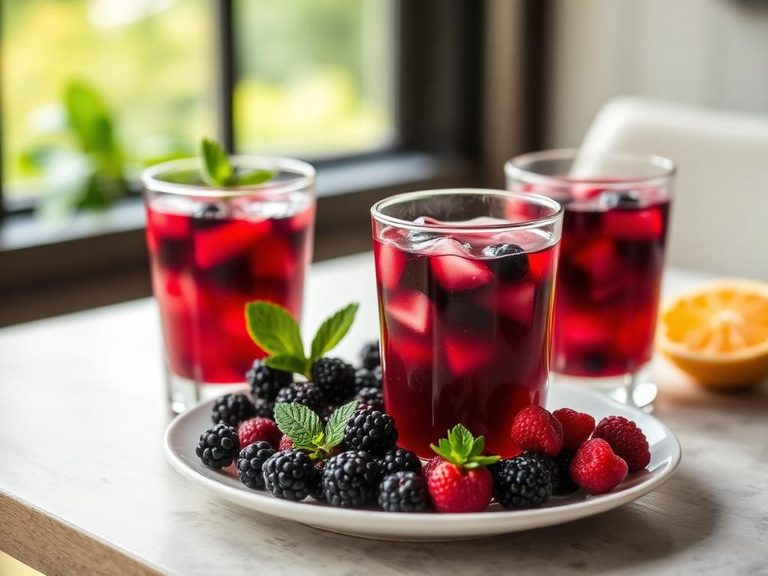
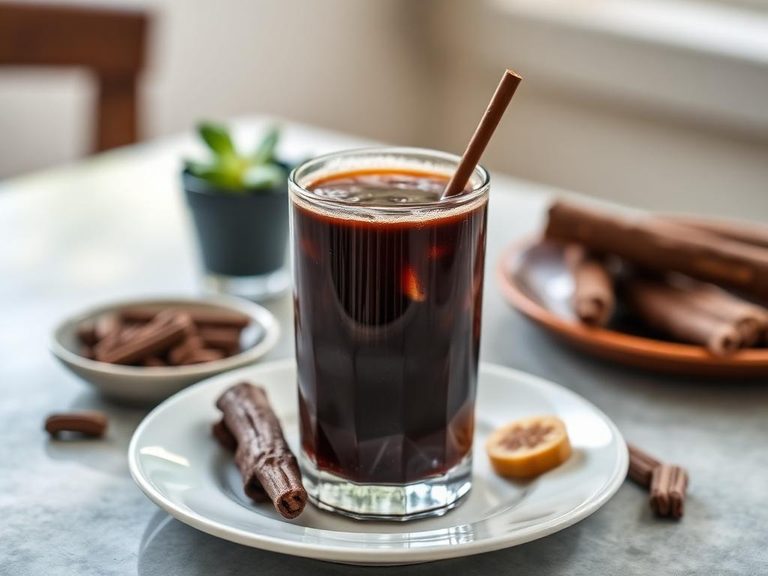
A standalone beverage is a drink served on its own, not as part of a meal, and is typically enjoyed as a refreshment or for its flavor. Common examples include fruit juices, smoothies, herbal teas, and carbonated drinks, which can be made from fruits, herbs, spices, or other plant-based ingredients. These beverages are popular worldwide, with variations reflecting local tastes and traditions.
🍳 View the full Standalone beverage recipe →
🍽️ Nutrition at a glance
Standalone beverages vary widely in nutrition; fruit juices are often high in natural sugars and carbs, while smoothies can provide protein and fiber if made with yogurt or nuts. A typical serving might range from 50 to 200 calories, depending on ingredients, and they can offer vitamins, minerals, and hydration.
Nutrition breakdown
| Calories | 150 kcal |
| Protein | 0 g |
| Carbs | 38 g |
| Fat | 0 g |
| Fiber | 0 g |
| Sugar | 38 g |
| Sodium | 10 mg |
| Vitamin C | 60 mg |
| Potassium | 250 mg |
| Folate | 50 mcg |
| Vitamin B6 | 0.2 mg |
| Magnesium | 20 mg |
| Manganese | 0.5 mg |
| Copper | 0.1 mg |
| Pantothenic Acid | 0.5 mg |
Per 1 cup (240 g) · estimated, varies by recipe
💡 What's interesting
Culturally, standalone beverages often play a role in social rituals or daily routines, such as afternoon tea in Britain or fresh juice stands in tropical regions. Nutritionally, they can be a quick source of energy or nutrients, but it's important to choose options with minimal added sugars for health benefits.
🍽️ Related dishes
AI estimate may be inaccurate · Terms