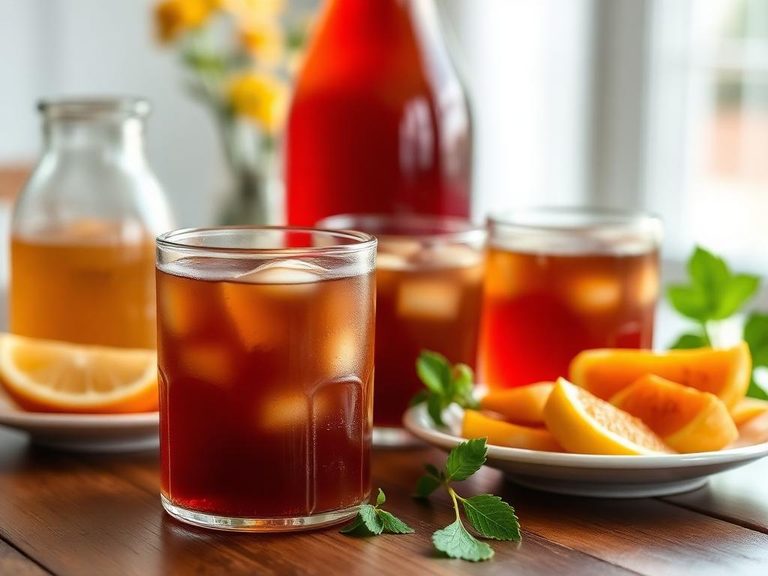
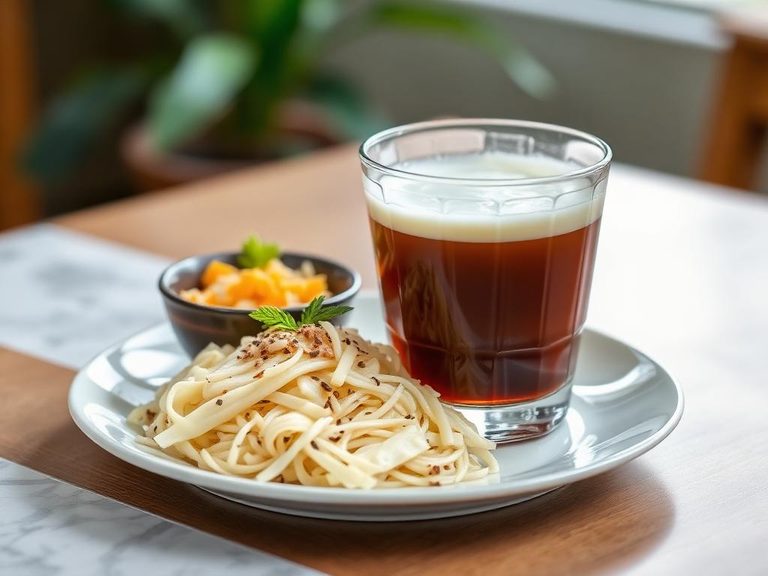
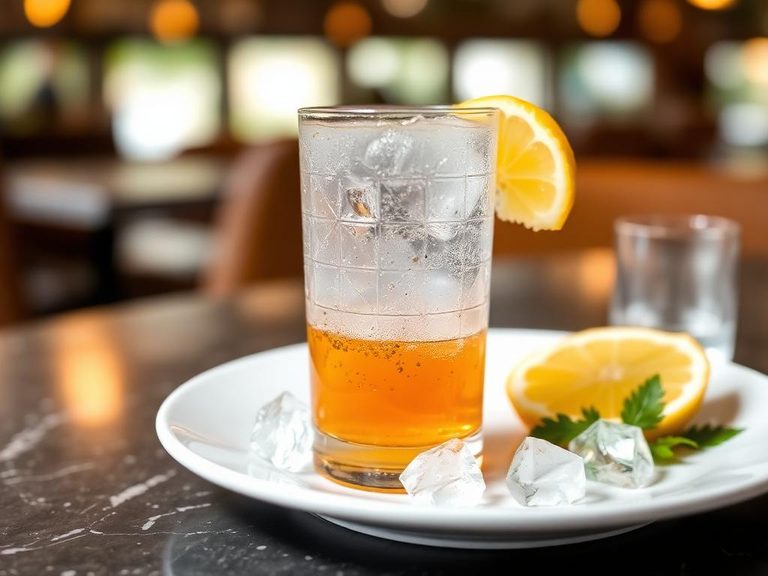
Traditional pulque beverage
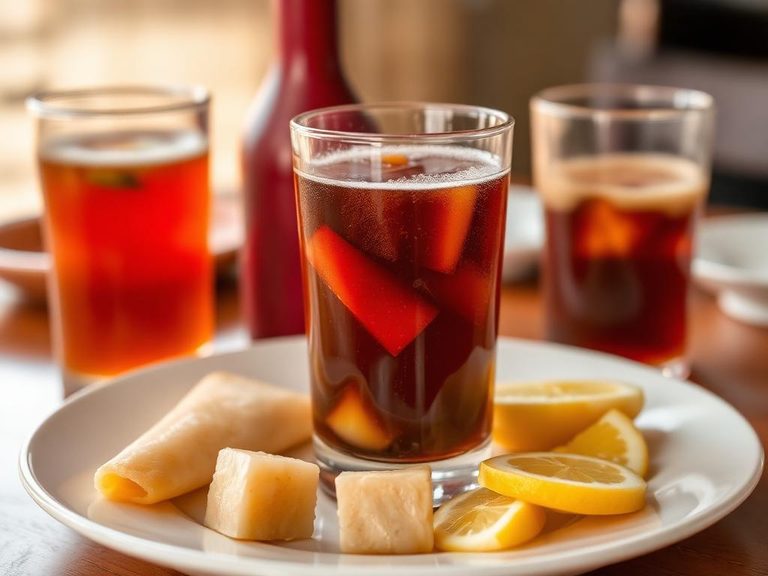
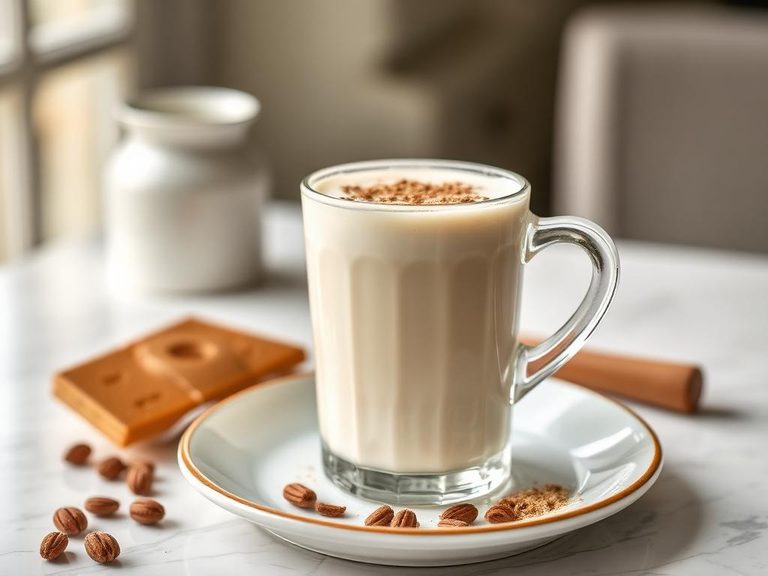
Traditional pulque is a mildly alcoholic, fermented beverage made from the sap (aguamiel) of the maguey plant, primarily the Agave salmiana or Agave atrovirens species. It has a milky, slightly viscous texture and a tangy, yeasty flavor, and is a pre-Hispanic drink deeply rooted in the cultural history of central Mexico.
🍽️ Nutrition at a glance
Pulque is a low-fat, moderate-protein beverage that is primarily a source of carbohydrates from its natural sugars. A typical serving provides a modest calorie count, along with beneficial B vitamins and minerals like potassium and calcium from the agave sap.
Nutrition breakdown
| Calories | 120 kcal |
| Protein | 2.5 g |
| Carbs | 22 g |
| Fat | 0.5 g |
| Fiber | 0 g |
| Sugar | 18 g |
| Sodium | 30 mg |
| Potassium | 400 mg |
| Calcium | 120 mg |
| Vitamin B1 (Thiamine) | 0.15 mg |
| Vitamin B2 (Riboflavin) | 0.25 mg |
| Vitamin B3 (Niacin) | 1.2 mg |
| Vitamin B6 | 0.2 mg |
| Vitamin B12 | 0.1 mcg |
| Iron | 0.8 mg |
Per 1 cup (240 g) · estimated, varies by recipe
💡 What's interesting
Culturally, pulque was considered a sacred drink in Aztec and other Mesoamerican societies, often reserved for priests, warriors, and the elderly. Nutritionally, it is unique as a traditional probiotic beverage, containing live cultures that can support gut health, and it's a natural source of prebiotics from the agave plant.