

Nabisco, Nabisco Oreo Crunchies, Cookie Crumb Topping
Whole food · Baked Products

Photo: Wikipedia
Nabisco Oreo Crunchies are finely crushed chocolate sandwich cookie crumbs, delivering an intense, sweet cocoa flavor with a satisfying, sandy texture. They are a decadent, ready-to-use topping that provides a quick energy boost with 476 kcal per 100g, primarily from carbohydrates and sugar.
Calorie split: 4% protein · 57% carbs · 39% fat
↓ Full nutrition💚 Why it's loved
People love them for the nostalgic, unmistakable Oreo flavor and the effortless way they add a professional-looking finish and rich crunch to homemade treats.
⚠️ Watch-outs & how to enjoy it better
The high sugar (36g per 100g) and calorie content can cause blood-sugar spikes. To counteract, use sparingly as a garnish, pair with protein-rich Greek yogurt or nuts, or incorporate into a balanced dessert that includes fiber and healthy fats.
Key benefits
- Instant dessert enhancement
- No-bake recipe essential
- Consistent texture and flavor
- Long shelf life
- Convenient pre-crushed format
🍽️ Popular dishes



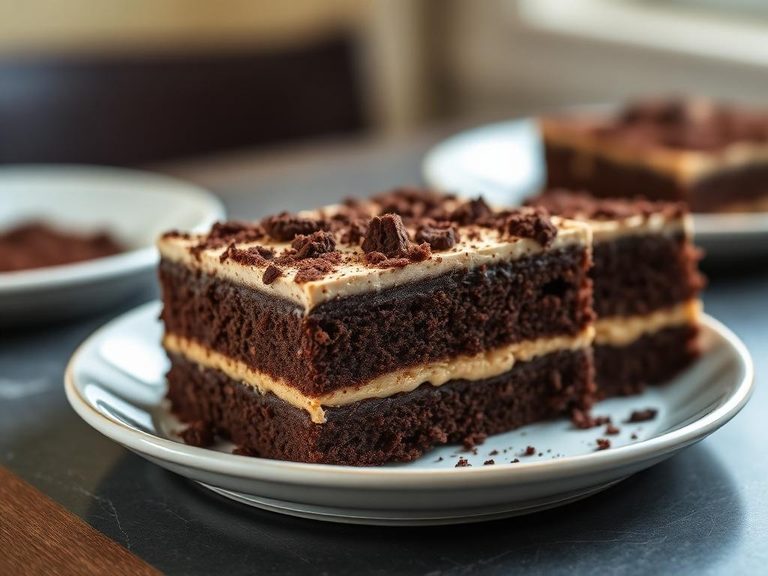
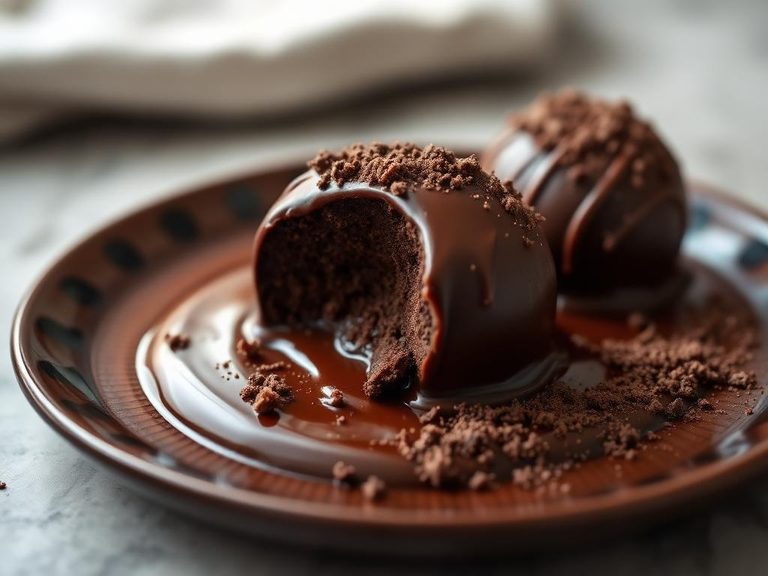
🌍 Where it's eaten
💡 Did you know?
The product is essentially the 'waste' from Oreo production—the broken cookies and crumbs that didn't make the cut for whole packages, repurposed into a dedicated topping.
Full nutrition (USDA data · scales with serving)
| Water | 1.6 g |
| Energy | 476 kcal |
| Energy | 1992 kj |
| Protein | 4.8 g |
| Total lipid (fat) | 21.5 g |
| Ash | 1.9 g |
| Carbohydrate, by difference | 70.2 g |
| Fiber, total dietary | 3.2 g |
| Total Sugars | 36.0 g |
| Calcium, Ca | 24.0 mg |
| Iron, Fe | 4.9 mg |
| Magnesium, Mg | 48.0 mg |
| Phosphorus, P | 103 mg |
| Potassium, K | 194 mg |
| Sodium, Na | 528 mg |
| Zinc, Zn | 1.2 mg |
| Copper, Cu | 0.27 mg |
| Thiamin | 0.12 mg |
| Riboflavin | 0.17 mg |
| Niacin | 1.8 mg |
| Pantothenic acid | 0.04 mg |
| Vitamin B-6 | 0.03 mg |
| Folate, total | 30.0 ug |
| Folate, food | 30.0 ug |
| Vitamin B-12 | 0.02 ug |
| Vitamin A, IU | 3.0 iu |
Fat & fatty acid profile (per 100g)
| Fatty acids, total saturated | 4.1 g |
| SFA 8:0 | 0.01 g |
| SFA 10:0 | 0.01 g |
| SFA 12:0 | 0.01 g |
| SFA 14:0 | 0.01 g |
| SFA 15:0 | 0.01 g |
| SFA 16:0 | 2.2 g |
| SFA 17:0 | 0.02 g |
| SFA 18:0 | 1.8 g |
| SFA 20:0 | 0.08 g |
| SFA 22:0 | 0.07 g |
| Fatty acids, total monounsaturated | 3.2 g |
| MUFA 14:1 | 0.01 g |
| MUFA 16:1 | 0.03 g |
| MUFA 17:1 | 0.01 g |
| MUFA 18:1 | 11.1 g |
| MUFA 20:1 | 0.07 g |
| Fatty acids, total polyunsaturated | 0.82 g |
| PUFA 18:2 | 2.1 g |
| PUFA 18:3 | 0.10 g |
| PUFA 20:3 | 0.01 g |
| PUFA 20:4 | 0.01 g |
FAQ
Can I make my own Oreo Crunchies at home?
Yes, simply place whole Oreo cookies (cream and all) in a zip-top bag and crush with a rolling pin, or pulse in a food processor until you reach your desired crumb size.
Are Oreo Crunchies gluten-free?
No, they contain wheat flour and are made on shared equipment, so they are not suitable for a gluten-free diet.
What's the best way to store them?
Keep them in a sealed container at room temperature for up to 2 weeks, or freeze for longer storage to maintain their crisp texture.
Nutrient density (calculated · NRF9.3)
Nutrient Rich Foods index: beneficial nutrients (protein, fiber, vitamins, minerals) minus saturated fat, added sugar & sodium, per 100 kcal.
NRF9.3 index — Fulgoni, Keast & Drewnowski, 2009. Computed from USDA nutrients.
Weight-loss friendliness (composite index)
Energy density 4.76 kcal/g · 4% calories from protein · 3.2 g fiber · 36.0 g sugar per 100 g.
Composite of energy density (Rolls et al., 1999), protein & fiber satiety, minus sugar. A calculated heuristic — ranks satiety-per-calorie, not a clinical measure.
Dietary load (calculated from USDA values)
Potential renal acid load. Positive = acid-forming, negative = alkaline-forming.
Sodium-to-potassium ratio: 2.72 (lower is better — aim for ≤ 1)
Sodium:potassium per WHO potassium guidance. Computed from USDA nutrients.